Botanical Characteristics of Sombre Bee Orchid Ophrys fusca ssp. fusca
Overview of Morphology – Description of physical features, size, and flowering details
The Sombre Bee Orchid Ophrys fusca ssp. fusca stands out with its distinctive physical features, making it a fascinating subject for botanical enthusiasts. This orchid typically reaches a height of about 10 to 20 centimetres, with some specimens pushing slightly beyond that range. Its flowers are characterized by a sepia-brown coloration, giving it the “sombre” nickname. The bloom’s intricate pattern mimics the appearance of a bee or wasp, which is a clever adaptation for pollination.
The flowers of the Sombre Bee Orchid Ophrys fusca ssp. fusca usually bloom from late winter to early spring, creating a striking visual against the backdrop of early-season flora. The petals are narrow and elongated, with sepals that have a slightly rusty hue. The lip of the flower bears a distinctive pattern, enhancing its mimicry. In terms of physical structure, this orchid produces a single flower per spike, giving it a modest but elegant appearance that intrigues both botanists and casual observers alike.
Distinctive Features – Unique visual traits that differentiate Ophrys fusca ssp. fusca from related orchids
What makes the Sombre Bee Orchid Ophrys fusca ssp. fusca truly enchanting are its distinctive visual traits that set it apart in the world of wild orchids. With a sepia-brown hue that exudes an air of mystery, this orchid’s flowers are a masterwork of mimicry and elegance. Its lip, often the focal point, displays a unique pattern that closely resembles a bee or wasp—an exquisite adaptation for ensuring pollination in its native habitat.
Among the key botanical characteristics of Sombre Bee Orchid Ophrys fusca ssp. fusca are its narrow, elongated petals and sepals tinged with a rusty glow, which accentuate its sombre appearance. The single flower per spike, modest yet striking, lends a graceful simplicity that captures the imagination of botanists and nature lovers alike. Its visual traits blend seamlessly into the early Mediterranean landscapes, standing out as a symbol of natural artistry.
- Remarkably, the lip’s patterning and coloration are so intricate that they often fool both human eye and pollinators, celebrating the orchid’s evolutionary mastery.
This peculiar blend of mimicry and subtle coloration makes the Sombre Bee Orchid Ophrys fusca ssp. fusca a fascinating subject for ecological studies. Its distinctive features not only highlight its adaptation to specific pollinators but also anchor its role in the volatile tapestry of Mediterranean flora. To truly appreciate this orchid’s beauty, one must pause and observe the delicate details that make Sombre Bee Orchid Ophrys fusca ssp. fusca a true botanical marvel.
Color Variations and Markings – Typical coloration, patterns, and their significance
The color variations and markings of the Sombre Bee Orchid Ophrys fusca ssp. fusca reveal a subtle yet captivating palette that plays a vital role in its ecological interactions. Often cloaked in a sepia-brown hue, this orchid’s coloration exudes a mysterious charm that perfectly blends with the Mediterranean terrain. Its understated tones are complemented by intricate markings that resemble the body and wings of a bee or wasp, creating an optical illusion so convincing that it can fool both pollinators and casual observers alike.
Typical markings on the Sombre Bee Orchid Ophrys fusca ssp. fusca feature a combination of velvety patches, fine lines, and contrasting ‘eyes’ that simulate the appearance of an insect’s wings and thorax. These markings are not just for aesthetics; they are a masterful example of mimicry, enticing pollinators to visit again and again. The coloration’s rustic, sepia-brown base may vary slightly depending on environmental factors, providing some natural variation within the species.
- Sepia-brown hue as the dominant background color, offering a sombre yet elegant aesthetic.
- Contrasting markings that mimic insect features, critical for pollination success.
- Slight variations in pattern intensity and coloration, adding to the orchid’s allure.
This delicate interplay of color and pattern heightens the orchid’s role within the Mediterranean flora, where it subtly integrates into the landscape yet commands attention through its visual artistry. The markings serve a crucial ecological purpose, illustrating how natural selection favors those species capable of blending mimicry with refinement in their floral display. Observing the intricate markings of the Sombre Bee Orchid Ophrys fusca ssp. fusca offers a glimpse into nature’s exquisite craftsmanship and evolutionary brilliance.
Habitat and Distribution of Sombre Bee Orchid
Preferred Growing Environments – Soil types, light conditions, and ecological preferences
The habitat and distribution of the Sombre Bee Orchid Ophrys fusca ssp. fusca reveal a fascinating adaptation to Mediterranean-like environments. Preferring well-drained, calcareous soils, this orchid thrives in areas where limestone bedrock influences soil chemistry, creating an alkaline foundation vital for its growth. Its preference for open, sunlit spaces means it often populates sandy or rocky substrates that receive ample sunlight, allowing for the vibrant coloration and markings that define its appearance.
Ecologically, the Sombre Bee Orchid Ophrys fusca ssp. fusca has a penchant for warm, dry climates, flourishing in regions with minimal shade. Its distribution is mainly concentrated along the southern coasts of Europe, notably in areas where the Mediterranean climate prevails. The orchid’s resilience to drought and its ability to coexist with sparse vegetation highlight its specialized adaptation to these environments.
- Open, sun-exposed habitats
- Calcareous or limestone-rich soils
- Regions with dry, Mediterranean-like climates
- Rocky, sandy substrates
These ecological preferences make the Sombre Bee Orchid Ophrys fusca ssp. fusca a striking example of orchids finely tuned to their natural surroundings, thriving in conditions that many other plants would find inhospitable.
Geographical Range – Regions and countries where the orchid is predominantly found
The Sombre Bee Orchid Ophrys fusca ssp. fusca has a story that’s as Mediterranean as it gets, with a geographical range spanning the sunny southern coasts of Europe. This delicate yet defiant orchid prefers habitats that are not for the faint-hearted—rocky, sandy substrates that are awash in sunlight, perfect for its calcareous soil demands. If you’re wandering along the limestone-rich cliffs or dry, alkaline terrains of the Mediterranean basin, there’s a good chance you’re in prime Sombre Bee Orchid Ophrys fusca ssp. fusca territory.
It’s a plant that relishes regions where drought is a norm rather than an exception—think the rugged coastlines of Spain, southern France, and parts of Italy. Although it’s primarily a Mediterranean dweller, the species has made intermittent appearances further inland and in other parts of southern Europe, often nestled in areas where little else can thrive without a serious sunhat.
For those keen on natural distribution patterns, here’s a quick rundown of the typical countries you might encounter the Sombre Bee Orchid Ophrys fusca ssp. fusca:
- Spain
- France
- Italy
- Greece
- Croatia
This orchid’s finesse lies in its ability to anchor itself in these challenging environments, thriving where most plants would prefer to pack their bags. The rugged terrains, combined with the Mediterranean climate’s warmth and dryness, create a perfect stage for the Sombre Bee Orchid Ophrys fusca ssp. fusca’s story of resilience and adaptation. It’s a botanical testament to the charm of the sunlit, limestone-dusted landscapes that stretch along Europe’s southern fringes.
Altitude and Climate Factors – Elevational zones and weather conditions suitable for growth
The Sombre Bee Orchid Ophrys fusca ssp. fusca thrives in quite specific elevational zones, primarily favoring low to mid-altitudes where the warm Mediterranean air can circulate freely. Typically found between sea level and 600 meters, this orchid benefits from the gentle undulations of the terrain, which provide the perfect microclimate for its growth. Its preference for these altitudes isn’t incidental; the combination of sunlight, well-drained calcareous soils, and moderate warmth creates an environment where the Sombre Bee Orchid Ophrys fusca ssp. fusca can flourish.
Climate factors play a pivotal role in its distribution. The orchid’s natural habitat is characterized by dry, sunny conditions with little rainfall during the summer months, making drought resistance a necessary trait. These weather conditions, coupled with high temperatures during peak summer, challenge many other plant species but seem to invigorate the Sombre Bee Orchid Ophrys fusca ssp. fusca—proof of its remarkable adaptability.
- Prolonged sunlight exposure helps these orchids develop their distinctive coloration and markings.
- Resilience to drought allows it to survive in rocky, sandy substrates where water is scarce.
- Temperature variations encourage flowering at specific times in Spring and early Summer.
While often confined to the limestone-rich coastlines and peaks of southern Europe, the Sombre Bee Orchid Ophrys fusca ssp. fusca occasionally manages to establish itself further inland, especially in areas where the soil retains enough heat and nutrients. Its ability to adapt to a range of weather conditions—particularly in its native Mediterranean climate—serves as a testament to its resilience in battling the elements and thriving amidst challenging terrains.
Conservation Status – Current threats and protection status across its habitat
The habitat and distribution of the Sombre Bee Orchid Ophrys fusca ssp. fusca reveal a fragile yet resilient presence across the Mediterranean basin. Its delicate existence is anchored mainly on limestone-rich coastlines and rugged inland terrains, where rocky substrates and well-drained soils create the perfect cradle for its survival. This orchid’s ability to inhabit both coastal cliffs and inland hills underscores its adaptability, though its primary range remains within southern European countries like Spain, Italy, and Greece.
Current threats to the Sombre Bee Orchid Ophrys fusca ssp. fusca threaten its delicate existence. Urban expansion, agricultural development, and illegal collection from wild populations have caused noticeable declines in some regions. Habitat fragmentation diminishes its small micropopulations, making the species more vulnerable to extinction. Conservation efforts focus on protecting the remaining natural habitats, often through dedicated reserves and stricter legislation against illegal harvesting.
A
- The preservation of limestone slopes and calcareous soils is paramount since these areas are vital for the orchid’s growth.
- Efforts to curb habitat destruction must be coupled with raising awareness among local communities and orchid enthusiasts.
- Monitoring programs are essential for tracking population health and implementing adaptive conservation strategies.
Even with such measures, the resilience of the Sombre Bee Orchid Ophrys fusca ssp. fusca is often tested by climate change and shifting land uses. As its native habitats diminish or become increasingly fragmented, the orchid’s future teeters on the edge of a delicate balance—a testament to both its tenacity and vulnerability. Protecting this species is not merely about conserving a plant, but safeguarding a living symbol of the Mediterranean’s natural endurance and complexity.
Ecological Interactions and Pollination Strategies
Pollinator Relationships – Main pollinators and pollination mechanisms of Ophrys fusca ssp. fusca
The Sombre Bee Orchid Ophrys fusca ssp. fusca isn’t just an eye-catching marvel of natural mimicry; it has a fascinating way of making sure it gets its kiss from pollinators. Unlike many orchids that rely on showy displays, this species employs a clever strategy called sexual deception. Those subtle, velvety blooms subtly mimic the appearance and scent of female bees or wasps, luring in unwitting male pollinators with a promise that’s just a little too good to be true.
Pollinator relationships are at the heart of its survival. The main pollinators of Sombre Bee Orchid Ophrys fusca ssp. fusca tend to be solitary bees and early-flying wasps, which are duped by its visual and olfactory cues. These orchids don’t produce nectar; instead, they rely entirely on their ability to convincingly imitate the mating signals of local insects, making pollination almost a biological form of theatrical deception.
Pollination mechanisms hinge on this mimicry, with the orchid’s intricate markings and color variations playing a crucial role. The orchid’s dark, moth-like appearance and hazy coloration help it blend into the Mediterranean backdrop, combining visual allure with a scent that imitates the pheromones of female insects. To add a pinch of natural sophistication, here’s a list of the typical pollinators involved in the reproductive dance of Sombre Bee Orchid Ophrys fusca ssp. fusca:
- Male solitary bees
- Early-flying wasps
- Various insect species attracted to its scent mimicry
In this intricate dance, the orchid’s evolutionary success depends on its ability to balance visual attraction with olfactory deception, making Sombre Bee Orchid Ophrys fusca ssp. fusca a true master of pollination artistry in its native habitats.
Mimicry and Flower Odor – How floral scent and appearance attract specific insects
The Sombre Bee Orchid Ophrys fusca ssp. fusca doesn’t just charm with its nocturnal, moth-like appearance; it employs a cunning strategy that rivals even the most elaborate con artists in nature. Its secret lies in its mastery of mimicry, specifically in how it lures its pollinators—those unsuspecting insects—by pretending to be the irresistible mating partner of the very bugs it targets. This plant’s ability to manipulate insect behavior is nothing short of botanical espionage.
At the heart of this deception is the orchid’s sophisticated mimicry of floral scent and appearance. The Sombre Bee Orchid Ophrys fusca ssp. fusca emits specific pheromone-like scents that resemble those of female insects—an olfactory seduction that makes male solitary bees and early-flying wasps forget they’re not about to find love. Its dark, velvety petals and subtle color variations blend seamlessly into the Mediterranean landscape, offering an almost hypnotic allure. These visual cues are complemented by the flower’s intricate markings, which imitate the texture and shape of a female insect’s body, creating a convincing front for the pollinator’s instinctual pursuit.
- The orchid’s scent mimicry plays a primary role in attracting its preferred insect species, ensuring it only interacts with the most suitable pollinators for its reproductive dance.
This combination of olfactory and visual deception makes the pollination strategy of Sombre Bee Orchid Ophrys fusca ssp. fusca a remarkable example of natural adaptation. The flower’s scent, scent status, and appearance work together like a well-rehearsed theatrical act. Its ability to attract specific insects—like male solitary bees or early-flying wasps—without offering a drop of nectar demonstrates an elegant evolutionary trade-off: deception for survival. Each bloom is a masterclass in ecological mimicry, turning pollination into a captivating performance where the orchid at the center plays both the seducer and the silent partner.
Role in Ecosystem – Impact on local biodiversity and symbiotic relationships
The Sombre Bee Orchid Ophrys fusca ssp. fusca may not be the flashiest flower in the Mediterranean garden, but its role in supporting local biodiversity is nothing short of fascinating. These orchids serve as a critical part of their ecosystem, establishing intricate ecological interactions with their environment. By relying on highly specialized pollination strategies, they form unique symbiotic relationships with native pollinators like solitary bees and early-flying wasps.
Thanks to their mimicry tactics—both visual and olfactory—the Sombre Bee Orchid Ophrys fusca ssp. fusca attracts specific insects. This selective pollination not only sustains the orchid population but also helps maintain the delicate balance of pollinator species in its habitat. When these orchids flower, they create an ecological tapestry where each thread—be it a bee, wasp, or the orchid itself—is vital to the overall health of the environment.
In fact, this dance of deception can influence local insect populations and plant diversity. The orchid’s ability to subtly manipulate pollinator behavior underscores the complexity of ecological interactions within Mediterranean habitats. As a result, Sombre Bee Orchid Ophrys fusca ssp. fusca plays a pivotal role in shaping its environment, acting as both a pollination agent and a catalyst for biodiversity.
Reproductive Cycle – Flowering period and seed dispersal methods
The reproductive cycle of the Sombre Bee Orchid Ophrys fusca ssp. fusca reveals a fascinating dance of deception and symbiosis. Its flowering period peaks in late winter to early spring, typically around February to April, when the Mediterranean environment awakens with subtle promise. During these months, the orchid’s intricate floral display emerges, designed not just for beauty but for biological cunning.
Much like a master illusionist, the Sombre Bee Orchid Ophrys fusca ssp. fusca employs mimicry tactics—visual cues that resemble female insects and a scent that mimics pheromones—to attract specific pollinators, primarily solitary bees and early-flying wasps. This strategic deception ensures pollination through a process that could be described as an ecological masquerade, where the orchid’s scent and appearance hypnotize its insect counterparts.
The seed dispersal method of the Sombre Bee Orchid Ophrys fusca ssp. fusca hinges on tiny, lightweight seeds equipped with wind-dispersing mechanisms. Once pollination is successful, these seeds are released from the seed capsules and rely on the gentle Mediterranean breezes to scatter them across the soil. The seeds’ minute size allows them to travel vast distances, ensuring genetic diversity and spreading the orchid’s footprint across suitable habitats.
- The orchid’s flowers create a temporary ecological tapestry, where pollinators inadvertently assist in seed dispersal, completing the reproductive cycle with almost poetic symmetry.
- Following flowering, the plant enters a period of dormancy, investing energy into root and tuber growth, which sustains it through variable Mediterranean climates.
Understanding the reproductive strategies of the Sombre Bee Orchid Ophrys fusca ssp. fusca exposes a complex web of ecological interactions. Its lifecycle embodies resilience and adaptation, balancing deception with a reliance on the very insects it seduces. It exemplifies the nuanced and delicate equilibrium that the orchid maintains within its environment, turning mere existence into a subtle act of ecological artistry with each bloom.
Cultivation, Preservation, and Identification Tips
Growing Conditions in Cultivation – Soil, watering, and light requirements for conservation or personal growth
Growing a Sombre Bee Orchid Ophrys fusca ssp. fusca isn’t for the faint-hearted—think of it as cultivating a tiny, elusive works of art that flutters between the realms of rarity and whimsy. To nurture this fascinating gem, start with well-draining soil that mimics its natural Mediterranean habitat—chalky, limestone-rich, and slightly alkaline. These orchids love a spot that offers dappled or morning sun, avoiding harsh midday rays that scorch, especially in a UK climate.
Watering should be intermittent; overwatering is as deflating as a bad joke and can lead to root rot. Let the soil dry out completely between drinks, echoing the orchid’s preference for dry, rocky environments. When setting the stage for growth, aim for a microclimate—think open, coastal or low-altitude sites that replicate their native habitat.
Growing conditions for Sombre Bee Orchid Ophrys fusca ssp. fusca demand patience and precision—like waiting for that perfect punchline. Use a mixture of sandy substrate with added grit and organic matter if you’re planting outdoors. Keep in mind, this orchid’s beauty is rooted in its natural, modest environment, making its preservation crucial for enthusiasts and conservationists alike.
Wild Population Preservation – Strategies and legal considerations for protecting natural habitats
Protecting wild populations of Sombre Bee Orchid Ophrys fusca ssp. fusca begins with understanding its delicate habitat. Legal considerations, such as designating protection zones and enforcing habitat preservation laws, are critical steps. Preservation strategies focus on safeguarding natural sites from development and pollution, ensuring that these orchids can thrive in their native environment. Engaging local communities in conservation efforts helps create a broader network of advocates for the orchid’s survival.
In situ conservation remains the most effective method, maintaining the orchid’s intimate relationship with its ecosystem. Creating buffer zones around key habitats can limit human disturbances while allowing the population to flourish naturally. For enthusiasts, cultivating Sombre Bee Orchid Ophrys fusca ssp. fusca outside its habitat offers a supplementary avenue for education and awareness. Respect and legal compliance are paramount when collecting or transplanting wild orchids, ensuring their conservation for future generations.
Common Identification Challenges – Differentiating Ophrys fusca ssp. fusca from similar species and subspecies
Amidst the delicate tapestry of our native flora, the Sombre Bee Orchid Ophrys fusca ssp. fusca stands as a testament to nature’s artistry—an ephemeral spectacle of muted elegance. Yet, the challenge of ensuring its continued existence is as pressing as the fleeting bloom itself. Cultivation of this orchid in controlled settings offers a sanctuary for enthusiasts eager to emulate its natural beauty and support conservation efforts. Precise attention to soil composition, light exposure, and watering regimes mirrors its preference for well-drained, calcareous soils bathed in gentle spring sunlight.
The preservation of wild populations hinges on vigilant identification and mitigation of threats. Disturbances from habitat destruction or invasive species threaten to erase these orchids from the landscape. Protecting habitat is paramount—legal measures that designate conservation zones serve as the guardian gates against encroaching development. Preservation strategies, such as creating buffer zones, foster a fragile yet vital environment where the Sombre Bee Orchid Ophrys fusca ssp. fusca can thrive unaided.
To those who venture into the field, proper identification remains a captivating challenge. The orchid’s subtle coloration and delicate markings can often be mistaken for related species, casting a shadow of confusion over conservation efforts. Recognizing the key differences can be achieved through close examination of flower structure and scent—scent being particularly distinctive, attracting specific pollinators through mimicry. For example, the Sombre Bee Orchid Ophrys fusca ssp. fusca often exhibits darker, more subdued tones compared to its brighter relatives, with markings that resemble the insect mimicked in its pollination strategy.
Familiarity with these visual and olfactory cues is essential for enthusiasts and professionals alike. Careful observation reveals that, despite similarities, this orchid’s ecological niche and floral traits underscore its uniqueness. In a landscape teeming with orchids, the Sombre Bee Orchid Ophrys fusca ssp. fusca commands recognition through its subtle, shadowy allure—an elusive gem in the kingdom of wildflowers.
Tips for Enthusiasts – Best practices for observing and documenting the orchid in the wild
For those captivated by the enigmatic allure of the Sombre Bee Orchid Ophrys fusca ssp. fusca, observing and documenting this elusive species in the wild becomes a thrilling pursuit. Vigilant enthusiasts recognize that proper documentation not only deepens appreciation but also aids conservation efforts. When venturing into its preferred habitat, take close-up photographs that capture the subtle variations in flower shape and coloration—these details are often the first hints in differentiating Sombre Bee Orchid Ophrys fusca ssp. fusca from similar orchids.
To enhance identification accuracy, focus on the orchid’s darker, subdued hues and delicate markings that resemble the insect mimicked in its pollination strategy. A keen sense of smell can also be revealing, as the scent of Sombre Bee Orchid Ophrys fusca ssp. fusca is uniquely mimetic, attracting specific pollinators. Careful note of the flowering period and the precise location can enable others to recognize this species’ ecological niche with greater confidence.
Practical recording methods include:
- Using a GPS device to mark precise locations, aiding future field surveys
- Photographing the orchid at various times of day to observe changes in appearance and scent release
- Documenting habitat features such as soil type and surrounding flora
Patience is mandatory; the Sombre Bee Orchid Ophrys fusca ssp. fusca hides in subtle shadows, demanding a sharp eye and respectful approach from those who seek to understand it better. Observing without disturbing the habitat preserves its mystical aura, ensuring that every encounter with this shadowy orchid remains a rare and treasured experience.

 by
by 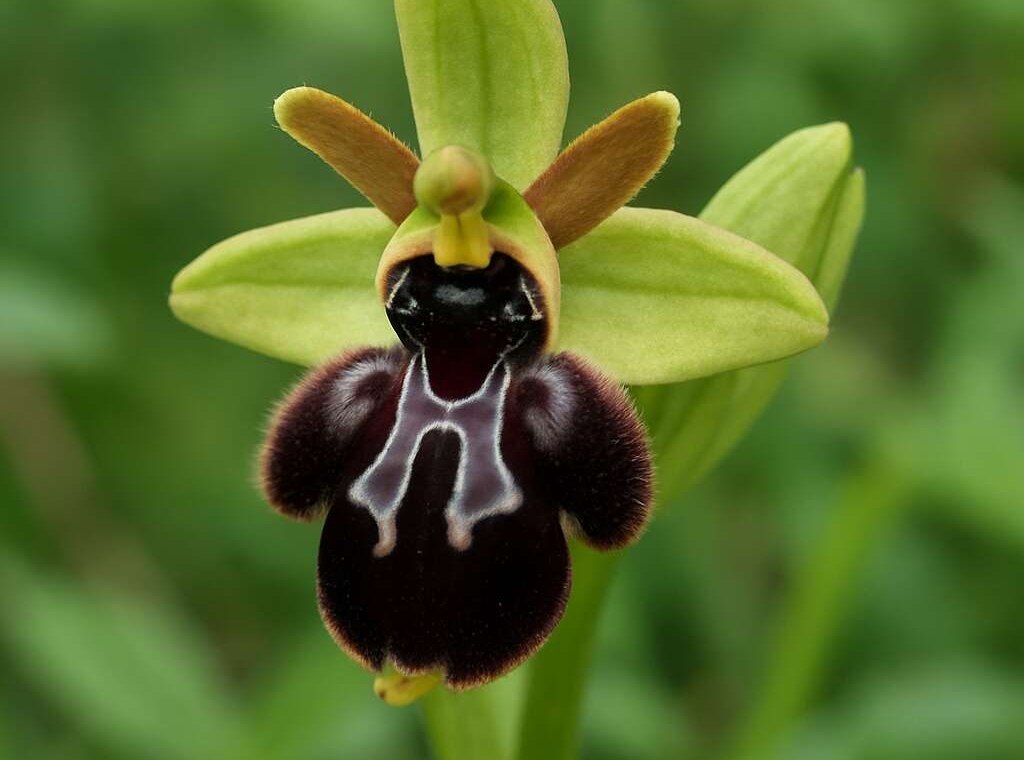


Latest Comments