Introduction to Fly Agaric Amanita muscaria
Overview of Amanita muscaria – Basic description, physical appearance, and distinguishing features
The Fly Agaric Amanita muscaria is one of the most instantly recognizable fungi in the natural world. With its bright red cap speckled with white warts, it commands attention in any woodland setting. Its striking appearance isn’t just for show; this mushroom has fascinated humans for centuries, often symbolising mystery and magic. Unlike many other fungi, Amanita muscaria’s vibrant coloration acts as a warning sign to potential predators about its toxic nature.
Typically found in temperate regions across Europe, North America, and parts of Asia, Fly Agaric Amanita muscaria thrives in symbiotic relationships with trees such as birch and pine. Its physical features include a prominent, convex cap that flattens over time, white gills underneath, and a stout white stem adorned with a distinctive ring. Recognising these distinguishing features can be vital to differentiating Fly Agaric Amanita muscaria from other mushrooms in the wild.
- Bright red cap with white warts
- White spiral ring on the stem
- Hemmed with a smooth, bulbous base
Historical and Cultural Significance – Traditional uses, folklore, and mythological associations
The allure of Fly Agaric Amanita muscaria stretches across millennia, woven into the fabric of folklore and mythic tales. To gaze upon its crimson cap with white warts is to see a living emblem of the mysterious and the magical. In ancient Siberian traditions, this mushroom was revered not merely as a toxic curiosity, but as a conduit to altered consciousness and spiritual communion. Its cultural significance is woven into the mythologies of shamanic rites, where hallucinations invoked by Fly Agaric Amanita muscaria transformed ordinary landscapes into portals of otherworldly wonder.
Across Europe and North America, stories bloom where legend meets reality—highlighting the mushroom’s role as both a symbol of mysticism and an ancient talisman. Its vibrant color contrasts starkly with its toxic warnings, painting a picture of nature’s paradox: beauty that is perilous yet revered. The cultural tapestry surrounding Fly Agaric Amanita muscaria continues to influence art, literature, and popular imagination, making it a fascinating subject for those captivated by its legendary allure.
Distribution and Habitat – Geographic regions, preferred environments, and growth patterns
Native to the cooler, boreal forests of the Northern Hemisphere, Fly Agaric Amanita muscaria captivates with its iconic crimson cap decorated with white warts. This striking mushroom prefers to flourish beneath moss-covered trees, especially in coniferous and mixed woodland environments. Its vibrant appearance sometimes makes it seem like a fairy-tale specimen plucked from an enchanted forest, yet beneath this enchanting facade lies a fascinating ecological role.
In the United Kingdom and across Europe and North America, Fly Agaric Amanita muscaria has established a preference for symbiotic relationships with planting communities. It often grows in clusters or large rings, radiating outward in a mesmerizing pattern. Its growth pattern is influenced by soil acidity and the presence of host trees, thriving particularly where organic matter is abundant and humidity levels are high. Whether nestled among pines or birch, Fly Agaric Amanita muscaria boasts a resilient yet ephemeral presence, captivating those who stumble upon it in woodland wanderings.
- Coniferous and mixed woodlands
- Undergrowth beneath birch, pine, or spruce trees
- Prefers humid, mossy environments with rich soil
These environments create the perfect stage for the mushroom’s characteristic growth pattern, which often manifests in striking fairy rings during late summer and autumn. Its distribution paints a vivid portrait of temperate forest ecosystems, making Fly Agaric Amanita muscaria a distinctive symbol of woodland magic and mycological mystery.
Identification and Morphology
Physical Characteristics – Cap, stem, gills, and distinctive markings
Few fungi evoke such a visceral response as the Fly Agaric Amanita muscaria. With a striking appearance that commands attention, this mushroom’s physical characteristics are almost otherworldly. The cap, typically between 8 to 20 centimeters across, is a flamboyant shade of scarlet or bright red, adorned with iconic white warts that seem to glow against its vibrant background.
The stem of Fly Agaric Amanita muscaria is sturdy, often reaching 10 to 15 centimeters in height, with a slightly bulbous base and a fibrous ring encircling it. Underneath the cap, the gills are free and densely packed, providing a stark contrast to the boldly marked cap above. Its distinctive markings—white patches scattered across the red surface—serve as both warning and allure, embodying its reputation as a mushroom of myth and legend.
- Cap: Bright red, scarlet, with white warts
- Stem: Thick, white with a bulbous base
- Gills: White, free from the stem
- Markings: White patches or warts on the cap’s surface
The overall morphology of Fly Agaric Amanita muscaria makes it immediately recognizable. Yet, this mushroom’s beauty is matched by its toxicity—something that has mesmerized and warned for centuries. Careful identification remains key to understanding this enigmatic fungus’s true nature.
Variations and Subspecies – Different forms and regional varieties
Among the enchanting flora of the Northern Hemisphere, Fly Agaric Amanita muscaria stands out as a vivid hallmark of mycological wonder. Its appearance isn’t static; it varies across regions, embodying a tapestry of morphological nuances that deepen its mythic allure. The iconic red cap with white warts can manifest in shades ranging from bright crimson to tawny orange, influenced by environmental factors such as soil acidity and climate.
Regional varieties of Fly Agaric Amanita muscaria often display subtle differences that intrigue seasoned mycologists and curious enthusiasts alike. For instance, the Siberian subspecies tends to have a more orange hue with a slightly flatter cap, while the North American forms display larger warts and thicker stems. These variations, although seemingly minor, signal adaptations to diverse habitats—from damp, moss-laden forests to open woodland clearings.
- Cap coloration and size
- Patterning of the white warts or patches
- Shape and robustness of the stem
- Presence of a skirt-like ring encircling the stem
Such morphological diversity underscores the magic of Fly Agaric Amanita muscaria, revealing a fungus that has evolved fittingly across continents. Recognising these subspecies and understanding their variations not only enriches identification but also highlights the mushroom’s rich tapestry of regional folklore and ecological significance. Every detail in its form whispers stories of ancient traditions and ecological balances, making it one of nature’s most fascinating fungi.
Amanita muscaria vs. Similar Species – Comparison with related mushrooms and distinguishing traits
When it comes to distinguishing the Fly Agaric Amanita muscaria from related mushrooms, clear identification traits matter. Despite its iconic appearance, there are look-alikes that can cause confusion if you’re not careful. The Fly Agaric Amanita muscaria’s bright red cap adorned with white warts is its most recognizable feature, but other species may share some visual traits, making discerning features essential.
One of the simplest ways to tell the Fly Agaric Amanita muscaria apart from similar species is by examining the pattern of its white patches. Unlike toxic or edible lookalikes, the Fly Agaric’s warts tend to be more pronounced and are often embedded in a convex or flat cap shape, depending on its maturity. Its robust stem often has a distinctive ring (or annulus) that encircles it, acting as a visual cue for identification. Meanwhile, some related Amanita species display a different cap coloration—such as yellow or olive-green—helping to rule out the mushroom in question.
- Bright red cap with white warts is characteristic of Fly Agaric Amanita muscaria
- Presence of a skirt-like ring on the stem – a distinguishing feature
- Cap size and shape can vary but remains generally convex to flat with age
When comparing with species like Amanita caesarea (which has a yellow-orange cap) or the deadly Amanita phalloides (death cap), the differences are stark—color, patterning, and habitat preferences all play crucial roles in safe identification.
Knowing these morphological nuances is crucial for anyone hiking through mossy forests or open woodlands where Fly Agaric Amanita muscaria thrives. Its vivid coloration might seem inviting, but a thorough understanding of its features and differences from similar species is essential, especially in regions where mushroom foraging is popular. Only with careful attention to these traits can one ensure safe, informed interactions with this iconic—but potentially hazardous—fungus.
Toxicity and Psychoactive Properties
Toxic Compounds in Amanita muscaria – Ibotenic acid, muscimol, and their effects
The allure of Fly Agaric Amanita muscaria often masks a dark underbelly—its toxicity and psychoactive properties hold a mystique that’s hard to ignore. At the heart of this mushroom’s potency lie compounds like ibotenic acid and muscimol, which can produce profound alterations in perception and consciousness. Ibotenic acid, a neurotoxic substance, acts as a precursor to muscimol, transforming when dried or heated, resulting in a shift from benign hallucination to potential danger.
For those tempted by its legendary status, understanding the effects of these compounds is crucial. Muscimol, the primary psychoactive component, binds to GABA receptors in the brain, inducing a state of euphoria, altered sensory perception, and sometimes vivid hallucinations. Still, it’s a double-edged sword—overconsumption can lead to nausea, confusion, or worse.
- Ibotenic acid’s neurotoxicity can cause dizziness, nausea, and in extreme cases, neurological damage.
- Muscimol’s potency varies, but its effects are often described as dream-like and surreal, making Fly Agaric Amanita muscaria both fascinating and perilous.
This enigmatic mushroom’s dual nature—as both cultural icon and toxic hazard—continues to inspire curiosity and caution in equal measure.
Effects on Humans – Mood, perception, and physical responses
The allure of Fly Agaric Amanita muscaria is undeniable, yet its effects on humans reveal a complex interplay between fascination and danger. When ingested or transformed through drying or heating, the psychoactive compounds within can profoundly influence mood and perception. Many who encounter this mushroom describe a dream-like state where vivid hallucinations blur the boundaries of reality, offering a fleeting taste of the surreal.
This mushroom’s toxicity isn’t confined to hallucinations; physical responses can be unpredictable and sometimes alarming. Overconsumption of Amanita muscaria might induce nausea, dizziness, or confusion, with more severe cases risking neurological damage. The psychoactive effects are primarily driven by muscimol—which binds to GABA receptors—creating sensations of euphoria and altered sensory perception. Conversely, ibotenic acid acts as a neurotoxin, adding a layer of danger due to its potential for neurological harm.
Understanding the potent effect of Fly Agaric Amanita muscaria is essential to appreciate its dual nature—both as a cultural icon and a hazardous species. Its enigmatic qualities continue to captivate explorers and biologists alike, reminding us that beneath its vibrant appearance lies a potent reminder of nature’s complex and sometimes perilous beauty.
Risks and Poisoning Symptoms – Potential dangers, overdose signs, and safety tips
The allure of Fly Agaric Amanita muscaria is matched only by its lurking dangers. This iconic mushroom, celebrated in folklore and often depicted in fairy tales, carries a significant risk for those who underestimate its toxicity. When ingested, the potent compounds—particularly ibotenic acid and muscimol—can trigger a cascade of unpleasant and sometimes alarming symptoms. Overdose signs include nausea, dizziness, confusion, and even hallucinations that can persist long after the effects wear off.
Safety around Fly Agaric Amanita muscaria is paramount. Its psychoactive properties create sensations of euphoria but also pose serious risks if misused. Unintentional poisoning can escalate quickly, especially if identification is mistaken or if doses are unregulated. The unpredictability of the physical responses—ranging from mild discomfort to neurological impairment—should serve as a stark warning. Distinct features of toxic Amanita muscaria can make identification tricky for novices, with lethal species often bearing a close resemblance.
Uses and Cultural Contexts
Traditional Uses and Rituals – Shamanic practices and indigenous ceremonies
Fly Agaric Amanita muscaria holds a compelling place within the tapestry of human ritual and spiritual practice. Indigenous communities across Siberia have for centuries incorporated this mushroom into shamanic ceremonies, perceiving it as a conduit to the spirit world. Its vivid redness and white spots have long symbolized transformation, awakening, and divine connection—attributes deeply woven into cultural mythologies.
In these traditional contexts, Amanita muscaria often served as a sacrament, enabling shamans to access altered states of consciousness for healing, divination, or communication with ancestral spirits. Ritual use was not casual; it involved intricate preparations and a profound respect for the mushroom’s psychoactive properties.
Amanita muscaria’s role extends beyond mere ingestion—its presence in indigenous rituals highlights its importance as a spiritual catalyst. Such ceremonial paradigms encapsulate a broader human fascination with mushrooms as access points to the mystical realm—an echo that persists in contemporary fascination with natural entheogens.
Modern Perspectives and Psychedelic Use – Recreational, spiritual, and medicinal applications
Fly Agaric Amanita muscaria has long captivated the imagination—not just for its iconic red-and-white spectacle but for its intriguing role in modern and ancient cultures alike. This mushroom isn’t just a visual feast; it’s been embraced in various contexts, from recreational use to spiritual exploration.
In recent years, enthusiasts have explored the psychedelic potential of Fly Agaric Amanita muscaria, often seeking its unique effects compared to more mainstream psychedelics like psilocybin mushrooms or LSD. While some tout it for its purported medicinal benefits, users must proceed with caution—because traditional doses can be unpredictable given its potent compounds such as ibotenic acid and muscimol.
Its cultural influence endures, particularly among those fascinated by natural entheogens. Within subcultures exploring altered states of consciousness, Fly Agaric Amanita muscaria remains somewhat of a mystical icon. Whether as a recreational alkaloid or a spiritual catalyst, this mushroom’s role continues to evolve as modern explorers and herbalists delve into its layered history and potential uses.
Legality and Legal Status – Regulations in different regions and legal considerations
The allure of Fly Agaric Amanita muscaria extends beyond its striking appearance — it occupies a fascinating space in legal and cultural landscapes that varies sharply across regions. In the United Kingdom, this mushroom is classified as a protected species, making its collection and possession largely illegal due to conservation laws, despite its longstanding folkloric significance. This duality of cultural reverence and regulatory restriction creates a complex legal environment for enthusiasts and researchers alike.
In some parts of Europe, including parts of Scandinavia and Russia, laws around Fly Agaric Amanita muscaria are more lenient, focusing primarily on discouraging its misuse rather than outright banning it. Nevertheless, the legal status often emphasizes safety, pointing out the risks associated with its psychoactive compounds. Several countries maintain strict regulations; for instance, in the UK, the sale or distribution of Fly Agaric Amanita muscaria for human consumption is prohibited under drug control laws.
Considering these regulations, its use remains highly scrutinized, often enshrouded in misconceptions and myths. For those curious about its traditional and modern uses, understanding the legal boundaries is crucial—because the line between cultural appreciation and legal jeopardy can be thin. To navigate this terrain safely, some regions specify rules via official government portals, which provide clear guidance on the legal status of Fly Agaric Amanita muscaria and related mushrooms.
- Collecting for personal use; often illegal without proper permits
- Commercial trade and sale are typically prohibited
- Research institutions or licensed researchers may have exemptions
- Possession in specific contexts, like art or cultural displays, varies widely
With its layered history, intriguing spiritual symbolism, and unpredictable psychoactive effects, Fly Agaric Amanita muscaria remains a mushroom of paradox. Its legal status isn’t just a matter of regulation but a reflection of ongoing debates about the intersection of natural substances, cultural traditions, and modern safety concerns. Whether you’re a scholar, a spiritual seeker, or an avid collector, understanding these legal nuances is as vital as appreciating the mushroom’s legendary mystique.

 by
by 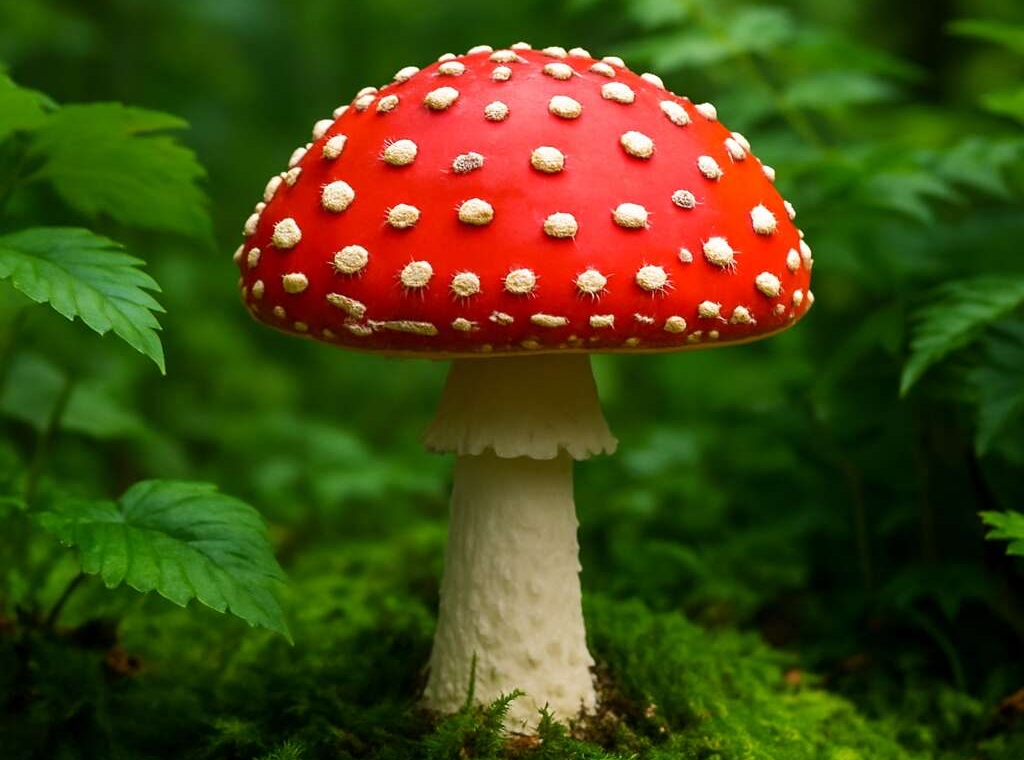



Latest Comments