Botanical Characteristics of Cyprus Cyclamen
Overview of Cyclamen cyprium – Description and distinctive features of the species
Nestled within the rocky, sun-dappled slopes of Cyprus, the enchanting Cyprus Cyclamen (Cyclamen cyprium) exudes an otherworldly charm that captivates botanists and nature enthusiasts alike. This rare, endemic species boasts a delicate yet resilient form, with heart-shaped, variegated leaves that shimmer with silvery patches, echoing the silver sheen of ancient Mediterranean legends.
The flowers of Cyclamen cyprium emerge in a flurry of soft pinks and deep magentas, their upward-curving petals reminiscent of a dancer’s graceful pose. These blooms are not just visually arresting—they’re a testament to nature’s artistry, thriving in the rocky, limestone-rich soils that challenge their delicate constitution. The distinctive features of Cyprus Cyclamen lie in its upward-facing blossoms and uniquely patterned foliage, setting it apart from its more common relatives.
A closer look reveals that Cyclamen cyprium’s tubers are relatively small but store an abundance of life-force, allowing this species to survive and flourish in Cyprus’s rugged landscape. Its resilience, combined with its floral splendor, makes it a true botanical jewel—an alluring reminder of the island’s rich and diverse plant heritage.
Physical Features – Leaf morphology, flower structure, and coloration
The botanical prowess of Cyprus Cyclamen (Cyclamen cyprium) reveals itself in a symphony of intricate features that speak to its resilient elegance. Its leaves, a marvel of adaptation, are heart-shaped, with variegated patterns that shimmer under the Mediterranean sun. The silvery patches on the foliage evoke a sense of ancient mystique, as if the plant carries the whispers of Cyprus’s storied past within each vein.
The flower structure of Cyclamen cyprium is nothing short of arresting. Blooming in soft pinks and deep magentas, the delicate upward-facing petals move with an almost hypnotic grace. These blossoms, with their graceful curves, seem to dance against the rocky terrain, thriving where others might falter. Their coloration, a vibrant testament to the plant’s ability to flourish in limestone-rich soils, adds a splash of life to Cyprus’s rugged landscape.
- Leaf morphology: heart-shaped, variegated with silvery patches
- Flower structure: upward-facing, with gracefully curled petals
- Coloration: shades of pink and magenta, with subtle gradations and patterns
The structure of Cyclamen cyprium’s tubers also merits attention. Small yet robust, these tubers store vital nutrients, enabling the plant to endure Cyprus’s challenging environment. Their compact form conceals a reservoir of resilience, a quiet testament to nature’s ability to adapt and thrive amidst adversity. This resilience, paired with the plant’s striking aesthetic features, underscores why the Cyprus Cyclamen remains a captivating subject for botanists and enthusiasts alike.
Growth Habits – Natural habitat, blooming cycle, and environmental preferences
Beneath the rugged, sun-baked crags of Cyprus, the Cyprus Cyclamen (Cyclamen cyprium) weaves its silent spell, thriving where few dare linger. Its natural habitat whispers of limestone cliffs and shaded Mediterranean groves, places where the earth’s ancient secrets lie buried beneath a fragile veneer of life. This shy yet resilient perennial emerges with a blooming cycle aligned painfully with the island’s xeric summers and mild, wetter winters, each season a fleeting moment of vibrancy amid austerity.
In the dark hours of late autumn, Cyclamen cyprium awakens—its delicate pink and magenta blossoms unfurl with a ghostly grace, casting fleeting shadows on the rocky terrain. The plant’s growth habits reveal a preference for well-drained, rocky soils, where its tubers lie hidden beneath the surface like petrified memories. It endures the scorching Mediterranean sun and occasional droughts through a remarkable adaptive instinct, conserving moisture within its tuberous roots.
- Thrives in limestone-rich soils
- Blooms from late autumn to early spring
- Prefers shaded or semi-shaded environments
This slow, deliberate cycle, coupled with a penchant for shaded niches, grants Cyclamen cyprium an air of mystique—rarely seen in full bloom, yet endlessly enchanting to those who seek it. Its growth habits encapsulate a poetic resilience, whispering stories of survival etched into every leaf, petal, and hidden tuber beneath Cyprus’s unforgiving sun. Not merely a plant, but a living relic of ancient resilience and beguiling grace, the Cyprus Cyclamen remains forever intertwined with the island’s stark, poetic landscape.
Comparison with Other Cyclamen Species – Differences and similarities with related plants
The botanical charm of Cyprian flora is often underestimated, yet among its treasures, the Cyprus Cyclamen (Cyclamen cyprium) stands out with a distinctive allure that invites nuanced exploration. Unlike other cyclamen species, Cyclamen cyprium exhibits a subtle elegance rooted in its adaptation to the rugged Cypriot landscape. Its tuberous roots, designed for survival, are a marvel of natural engineering—dormant during the harshest seasons yet bursting into life with breathtaking blooms in the cooler, wetter months.
When comparing Cyclamen cyprium with its Mediterranean relatives, differences in floral structure and leaf morphology immediately become apparent. For example, while other cyclamen varieties tend to display more symmetrical, outward-facing flowers, Cyclamen cyprium boasts a unique inward-curving petal arrangement, giving its blossoms an enigmatic, almost ghostly appearance. Its leaves are similarly understated, often adorned with intricate silvery variegation—a visual echo of its limestone-rich habitat.
This species shares similarities with other cyclamen plants in its tuberous growth and shade-preferring tendencies. Still, Cyclamen cyprium’s preference for well-drained, rocky soils and its blooming cycle—late autumn to early spring—set it apart from wider cyclamen varieties that can bloom at different times and in more diverse environments. The plant’s natural inclination for shaded or semi-shaded locations underscores its delicate resilience, thriving under the cover of Mediterranean foliage or amid crevices in sun-baked cliffs.
In essence, Cyclamen cyprium’s botanical features reflect a story of survival and quiet grace, making it a fascinating subject for both botanists and enthusiasts alike. Its subtle but distinctive distinctions deepen the allure of this living relic of ancient Cyprus, setting it apart amidst a diverse genus of cyclamen plants.
Habitat and Environmental Conditions in Cyprus
Native Regions and Distribution – Geographic range within Cyprus and surrounding areas
Cyprus Cyclamen, or Cyclamen cyprium, is a fascinating native species that thrives in the unique climate of Cyprus. This plant is typically found in the rugged, rocky slopes and woodland undergrowth, where it benefits from the Mediterranean environment’s mild, wet winters and hot, dry summers. Its natural habitat offers a delicate balance of moisture and shade, essential for the plant’s survival and flowering cycle.
The geographic range of Cyclamen cyprium is confined mainly to the central and southern parts of Cyprus. It tends to grow in specific microhabitats, avoiding the more exposed and arid highlands. Due to its limited distribution, conservation efforts are crucial to protect Cyprus Cyclamen from habitat disturbance. The plant’s resilience in local ecosystems highlights its importance as a native species that adapts well to Cyprus’s environmental conditions.
Within its native region, Cyclamen cyprium prefers sheltered, rocky soils with good drainage. Its environmental conditions include specific temperature ranges and soil pH levels, making it a specialist in Cyprus’s diverse terrain. This specialization contributes to how it is often seen blooming in late autumn through early spring, a period when moisture levels are higher, and the plant can flourish in its natural habitat.
Soil and Terrain Preferences – Type of soil, drainage, and terrain where the plant thrives
Few plants evoke the mystique and delicate resilience of Cyprus Cyclamen, or Cyclamen cyprium, thriving silently amidst Cyprus’s rugged terrain. This native species’s survival hinges on specific soil and terrain conditions that are as enchanting as they are vital. Its preferred habitat is a tapestry of rocky slopes and well-drained soils, where moisture seeps gently through the terrain, creating an environment that nurtures its delicate flowering cycle.
The plant’s choice of terrain reveals an almost supernatural preference for sheltered, rocky soils that offer excellent drainage. These conditions prevent waterlogging, which is detrimental in Cyprus’s winter wet season, while still capturing enough moisture for the plant’s growth. The terrain typically features undulating, uneven ground—perfect for Cyclamen cyprium’s roots to anchor deeply, avoiding exposure to the harsh midday sun.
In terms of soil composition, Cyclamen cyprium favors sandy or loamy soils with a slightly acidic to neutral pH. Its adaptability to rocky outcrops and mineral-rich soils underscores its capacity to thrive in Cyprus’s unique landscape. Given these specific preferences, the plant is often found clinging to the shade of shrubbery or tucked into crevices, where the terrain provides natural protection and a microclimate that supports its delicate lifecycle.
To truly appreciate its habitat, one must understand the microhabitats that Cyclamen cyprium favors:
- Highly drained rocky slopes
- Shaded woodland undergrowth
- Environments with stable moisture levels during its blooming period
This intricate relationship between soil and terrain not only shapes its survival but also highlights why Cyclamen cyprium remains a symbol of resilience within the fluctuating Mediterranean climate. Its affinity for these specific environmental conditions makes the Cyprus Cyclamen a true marvel of adaptation in one of the most beautifully rugged corners of the world.
Climate Requirements – Temperature ranges, humidity levels, and seasonal patterns
The thriving habitat of Cyprus Cyclamen, or Cyclamen cyprium, is uniquely attuned to the Mediterranean climate of Cyprus. Its environmental conditions are shaped by warm, dry summers and mild, wet winters—perfect for this delicate plant to flourish. During the summer months, temperatures often range between 20°C and 30°C, but the plant’s survival hinges on cooler conditions during the winter, with temperatures rarely dipping below freezing.
Cyclamen cyprium favors regions with consistent humidity levels that prevent soil from drying out completely, yet avoid excess moisture that can cause root rot. Seasonal patterns in Cyprus create a natural cycle where the plant blooms spring through early summer, often between March and June, taking advantage of the stable moisture and subdued sunlight.
Because of its preference for specific microclimates, Cyclamen cyprium thrives in shaded, sheltered locations—often tucked into rocky crevices or under shrubbery—where temperature fluctuations are less severe. This resilience to Cyprus’s seasonal shifts makes the Cyprus Cyclamen a striking example of adaptation amid challenging conditions.
Conservation Status – Protection efforts, threats, and population stability
The habitat of Cyprus Cyclamen, or Cyclamen cyprium, is a testament to nature’s resilience and adaptation. Found predominantly in sheltered, rocky microclimates, this species has carved out a niche amid Cyprus’s rugged terrain. Its preferred environment offers a delicate balance—soil that retains moisture without becoming waterlogged, and shaded spots that shield it from harsh midday sun. This microhabitat ensures that Cyclamen cyprium can withstand seasonal fluctuations and thrive.
Protection efforts are in motion to conserve this captivating plant, which faces threats from habitat destruction and overgrazing. The population stability of Cyprus Cyclamen remains a concern, prompting active measures such as habitat preservation and restricted access to sensitive areas. Maintaining its natural habitat is crucial, as the plant’s survival depends on the fragile balance of Cyprus’s unique terrain. As a symbol of the island’s botanical wealth, Cyclamen cyprium’s future depends on our ability to safeguard its environment against ongoing pressures.
Cultivation and Gardening Tips for Cyprus Cyclamen
Propagation Methods – Seeds, tubers, and cuttings
Cultivating Cyprus Cyclamen (Cyclamen cyprium) is an endeavor that blends delicate artistry with a profound respect for nature’s subtle rhythms. Propagation offers multiple avenues, each requiring patience and an understanding of the plant’s unique biological language. Seeds, tubers, and cuttings form the triad of methods that can carry this native Cypriot treasure into new generations.
Starting with seeds allows for a slow but rewarding journey, as they need specific conditions for germination. Sow the seeds on the surface of well-draining soil, lightly covering them, and maintain consistent moisture without waterlogging. Tubers present a different challenge—they can be divided during dormancy, with each segment containing a growth point, to propagate new plants. This method is often preferred for its higher success rate and rapid blooming in subsequent seasons.
Cuttings, especially of the tuberous roots, also prove effective when carefully taken and rooted in a cool, shaded environment. A recommended practice involves selecting healthy, mature tuber pieces and allowing them to callus before planting them in a sterile substrate. Patience remains a virtue here, as the roots develop gradually, echoing the contemplative pace of nature itself. Careful attention to soil acidity, drainage, and temperature makes all the difference—it must mimic Cyprus’s gentle, Mediterranean climate to succeed with Cyclamen cyprium.
Growing Conditions – Lighting, watering, and soil amendments
Growing Cyprus Cyclamen (Cyclamen cyprium) requires an understanding of its delicate balance with nature’s Mediterranean temperament. Lighting plays a pivotal role; this resilient yet sensitive plant thrives in dappled sunlight or partial shade, mimicking the filtered light of its native Cypriot habitat. Direct, harsh sun can scorch its tender leaves, so providing a gentle skyward gaze is ideal.
Watering must echo the rhythmic, almost clandestine sequence of seasonal cycles—allowing the soil to dry slightly between watering sessions, embracing moderation as the plant’s roots rest in their cool, well-draining terrain. Overwatering can invite rot, a silent adversary that diminishes the plant’s vitality.
Soil amendments should recreate the terrain where Cyprus Cyclamen naturally prospers—think a loamy, slightly acidic mix enriched with organic matter to enhance drainage and sustain moisture at a subtle, consistent level. Here is where the subtle art of cultivation emerges:
- Use a coarse, mineral-rich soil designed for Mediterranean plants.
- Incorporate sand or fine gravel to prevent waterlogging.
- Maintain a pH slightly below neutral, around 6.0 to 6.5.
In contemplating the environment for Cyclamen cyprium, one must also consider the climate’s temperate variability. The plant flourishes with cooler temperatures—typically between 10°C and 20°C—and benefits from high humidity levels that mimic the moist, shaded underlayers of Cypriot forest floors. During dormant periods, a slight decrease in watering paired with a cool, shaded spot encourages its natural growth rhythm.
By respecting its subtle needs—adjusting lighting, watering routines, and soil composition—one transforms cultivation into a harmonious dialogue with nature’s silent language. This careful choreography not only preserves but celebrates the fragile beauty of Cyprus Cyclamen.
Maintenance and Care – Pruning, pest control, and fertilization
Maintaining vibrant Cyprus Cyclamen (Cyclamen cyprium) requires a nuanced approach—each step carefully calibrated to honor the plant’s delicate nature. Pruning should be gentle yet deliberate, removing spent flowers and yellowing leaves to encourage healthy growth and prevent disease. When done thoughtfully, pruning acts as a visual refresh, invigorating the plant while maintaining its charming, compact form.
Pest control is a vital aspect of Cyprus Cyclamen maintenance. Keep a watchful eye for common intruders like aphids and spider mites, which can sap the plant’s vitality if left unchecked. Employing organic insecticidal soaps or introducing natural predators can uphold a healthy, balanced environment that respects the plant’s native Mediterranean resilience.
Fertilization should mirror its growth cycle—using a balanced, diluted liquid fertilizer during the active growing period. This supplies essential nutrients without overwhelming the roots, which prefer a subtle, steady nourishment. To keep the composition harmonious, consider applying a gentle boost of organic compost around the base of the plant annually, fostering a thriving, symbiotic relationship with its environment.
For optimal health, Cyprus Cyclamen benefits from a systematic approach—integrating pruning, pest control, and fertilization into a routine that celebrates the plant’s natural rhythm. Incorporating
- organic pest management
- balanced fertilization
- timely pruning
ensures that each element supports the next, creating a resilient, beautifully blooming specimen that echoes the resilient spirit of its native Cypriot landscape.
Seasonal Care – Preparing the plant for different seasons and overwintering tips
Cyprus Cyclamen, or Cyclamen cyprium, is a delicate jewel nestled within the rugged landscapes of Cyprus. Its seasonal care is a dance with nature’s rhythm, necessitating a mindful approach that respects its native essence. As the seasons shift, so too must our gardening tactics—preparing the plant for winter’s embrace or summer’s sun. With careful attention, the Cyprus Cyclamen transitions gracefully through its annual cycle, embodying resilience amid adversity.
Preparing Cyclamen cyprium for winter involves minimal intervention—simply reducing watering and protecting the tubers from frost. Over winter, an outdoor Cyprus Cyclamen may be moved to a sheltered spot or brought indoors, where cooler conditions favor its dormancy. In contrast, during the warmer months, gentle watering and occasional fertilization help it flourish. A favorable environment features well-draining soil that mimics its natural terrain—sandy, rocky, and slightly acidic—allowing roots to breathe with ease.
For those who cherish their Cyprus Cyclamen as a perennial, understanding overwintering is vital. An effective method involves insulating the tuber with mulch or placing it in a cool, frost-free location such as a greenhouse or sunlit windowsill. This ensures the tuber’s vitality remains intact, awakening anew with the return of spring’s gentle touch. If cultivating from seed or tuber division, meticulous timing and climate awareness will guarantee a successful reinvigoration of this enchanting species.
- Adjust watering schedules to avoid waterlogging during dormancy, typical in late autumn and winter.
- Maintain a temperate environment, avoiding extreme cold or heat, to promote healthy growth cycles.
- Use mulch layers or protective coverings to shield the Cyprus Cyclamen from frost during colder months.
Design Ideas for Gardens and Containers – Aesthetic landscaping and container planting
Cyprus Cyclamen, or Cyclamen cyprium, offers a captivating palette for garden design, blending natural elegance with adaptable charm. Its exquisite flowers and heart-shaped leaves lend themselves beautifully to creative landscaping projects and container planting alike. When incorporated thoughtfully, Cyprus Cyclamen can transform a simple space into a lush oasis of color and texture. Imagine cascading blooms spilling over terracotta pots or nestled amongst rocks in a shaded border—such placements highlight its natural habitat and emphasize its resilience.
For those interested in aesthetic landscaping, pairing Cyprus Cyclamen with other native Mediterranean plants enhances its visual appeal. Its vibrant petals contrast stunningly against silvery foliage or dark green foliage, creating a layered, textured effect. Container gardening also invites experimentation; using well-draining, slightly acidic soil mimics its natural terrain, fostering healthy growth.
- Ensure soil drainage to prevent waterlogging
- Place in bright, indirect light—ideal for flowering cycles
- Use organic compost or slow-release fertilizer to nourish
These cultivation tips help maintain the delicate beauty of Cyclamen cyprium throughout its growing season, making it an alluring focal point in any garden or container display. Its versatile appeal lies in an artful balance—where architecture meets nature, Cyprus Cyclamen elevates garden design with its enchanting presence and subtle charm.
Economic and Cultural Significance of Cyprus Cyclamen
Cultural Importance in Cyprus – Local traditions, ceremonies, and symbolism
The Cyprus Cyclamen (Cyclamen cyprium) holds a special place in the cultural tapestry of Cyprus, where it is more than just a botanical curiosity. Its native roots deepen its significance, intertwining the plant with local traditions and symbolism. For centuries, Cyclamen cyprium has been revered as a symbol of resilience and hope, often used in rituals and festive ceremonies that honor the land and its heritage.
In Cypriot folklore, the plant’s delicate blooms are seen as harbingers of renewal, echoing the island’s cycles of rebirth and renewal. This deep cultural importance is reflected in local crafts and decorative motifs, where the Cyclamen cyprium frequently features as a motif symbolizing protection and eternal life. Its presence continues to inspire a sense of identity among Cypriots, reinforcing their connection to the land and its natural beauty.
The economic significance of Cyprus Cyclamen is subtly woven into the local ecosystem. Its role in eco-tourism, botanical research, and sustainable horticulture supports small-scale enterprises and conservation efforts. The plant’s allure draws enthusiasts and visitors alike, eager to celebrate the enchanting charm of Cyclamen cyprium amidst the rugged terrains of Cyprus.
Use in Floristry and Horticulture – Commercial cultivation, flower arrangements, and ornamental use
The captivating allure of Cyprus Cyclamen, or Cyclamen cyprium, extends far beyond its enchanting blooms. In the realm of floristry and horticulture, this plant has transformed from a rare botanical jewel into a sought-after element for exquisite flower arrangements and ornamental displays. Its delicate, yet resilient blossoms lend an air of understated elegance to both commercial and bespoke floral compositions, making it a favorite among florists who cherish its unique textures and colors.
In addition to its aesthetic appeal, Cyclamen cyprium is increasingly being incorporated into sustainable horticultural practices. Small-scale cultivators and nurseries recognize its potential not only for its beauty but for its compatibility with eco-friendly cultivation methods. The plant’s adaptability to Cyprus’s rocky terrains and well-draining soils makes it an ideal candidate for cultivation in similar climates across the UK. As a result, it has carved out a niche in the ornamental plant market, fostering a vibrant community of enthusiasts passionate about its cultivation and care.
For garden designers and container lovers, Cyprus Cyclamen offers versatile possibilities. Its striking foliage and fluttering petals create enchanting focal points and charming accents in garden beds, pots, and window boxes. The plant’s natural elegance, combined with its ease of propagation through seeds, tubers, and cuttings, encourages creative landscaping that highlights its innate charm.
An interesting facet of the commercialization of Cyclamen cyprium lies in its role in promoting biodiversity and landscape sustainability. Farmers and horticulturists embracing its cultivation contribute to environmentally conscious practices that emphasize conservation and native species preservation. As more horticulturalists and florists recognize its potential, the Cyprus Cyclamen’s presence in markets is poised to flourish—drawing admiration from both connoisseurs and casual admirers alike.
Ecotourism and Botanical Tours – Tourist attractions focusing on native flora
Amidst the rugged terrain and whispering winds of Cyprus, a rare gem blooms in secret—Cyclamen cyprium. Its delicate petals, like ghostly whispers of the island’s ancient heart, hold an allure that transcends mere beauty. The plant’s indigenous roots anchor it deeply in the tapestry of Cypriot culture, making it a symbol of resilience and mystical grace.
The economic significance of Cyprus Cyclamen weaves through the fabric of local tradition and modern enterprise. Ecotourism thrives around this native flora, drawing curious visitors eager to witness the plant’s natural habitat firsthand. Botanical tours often feature guided explorations into the island’s rocky slopes, where Cyclamen cyprium stands as a living testament to Cyprus’s ecological heritage. Such immersive experiences foster a profound connection between visitor and land, encouraging conservation efforts that recognize the plant’s fragile, yet vital, role in regional biodiversity.
In the shadowed beauty of its flowering cycle, Cyclamen cyprium has found a place in the cultural consciousness of Cyprus. It embodies the island’s mystic past, intertwined with local legends and ceremonial reverence. The allure of this plant has even inspired occasional festivals and traditional rituals—moments when the community pauses to honor the enduring spirit of their native flora.
The growth of Cyprus Cyclamen within conservation areas enhances landscape sustainability, turning its presence into a living, breathing symbol of environmental harmony. The plant’s popularity in eco-friendly cultivation practices not only preserves its natural habitat but also nurtures local economies, especially in niche markets that value native species. Its deep-rooted connection with Cypriot identity ensures that Cyclamen cyprium remains an emblem of enduring beauty, culture, and ecological stewardship.
Research and Conservation Initiatives – Scientific studies, botanical gardens, and preservation efforts
Amidst the breathtaking landscapes of Cyprus, where rugged terrain meets shimmering Mediterranean waters, the Cyprus Cyclamen (Cyclamen cyprium) emerges not just as a native flower, but as a symbol of resilience and ecological importance. Its delicate petals, cloaked in hues from blush pink to deep magenta, evoke a sense of mystique that has captivated botanists and lovers of native flora alike. Scientific research continually uncovers the unique adaptations of Cyclamen cyprium, highlighting its special role in sustaining Cyprus’s rich biodiversity.
Conservation initiatives have played a pivotal part in safeguarding this botanical treasure. Dedicated botanical gardens on the island house carefully cultivated specimens of Cyprus Cyclamen, facilitating both public appreciation and scientific study. These efforts are often supported by collaborative research projects that explore the plant’s genetic diversity, helping to understand how Cyclamen cyprium withstands harsh environmental conditions. Preservation programs are complemented by efforts to restore its natural habitat, ensuring that this enchanting plant remains rooted in Cyprus for generations to come.
Engagement with specialized research underscores the complex biology of Cyclamen cyprium. As part of ongoing studies, local conservation authorities prioritize its protection through seed banking, in vitro propagation, and habitat restoration programs. An emphasis is placed on understanding its specific soil and climate requirements, which is crucial for maintaining wild populations and cultivating the species in controlled environments.
Recent advances also include the integration of Cyclamen cyprium into national botanical collections, where its distinctive features can be studied in greater detail. These institutions serve as laboratories of conservation, fostering innovative propagation techniques to safeguard the plant from environmental threats and potential genetic erosion. Such scientific pursuits are instrumental in maintaining the delicate balance of Cyprus’s native flora, reinforcing the plant’s role as a living emblem of ecological preservation.

 by
by 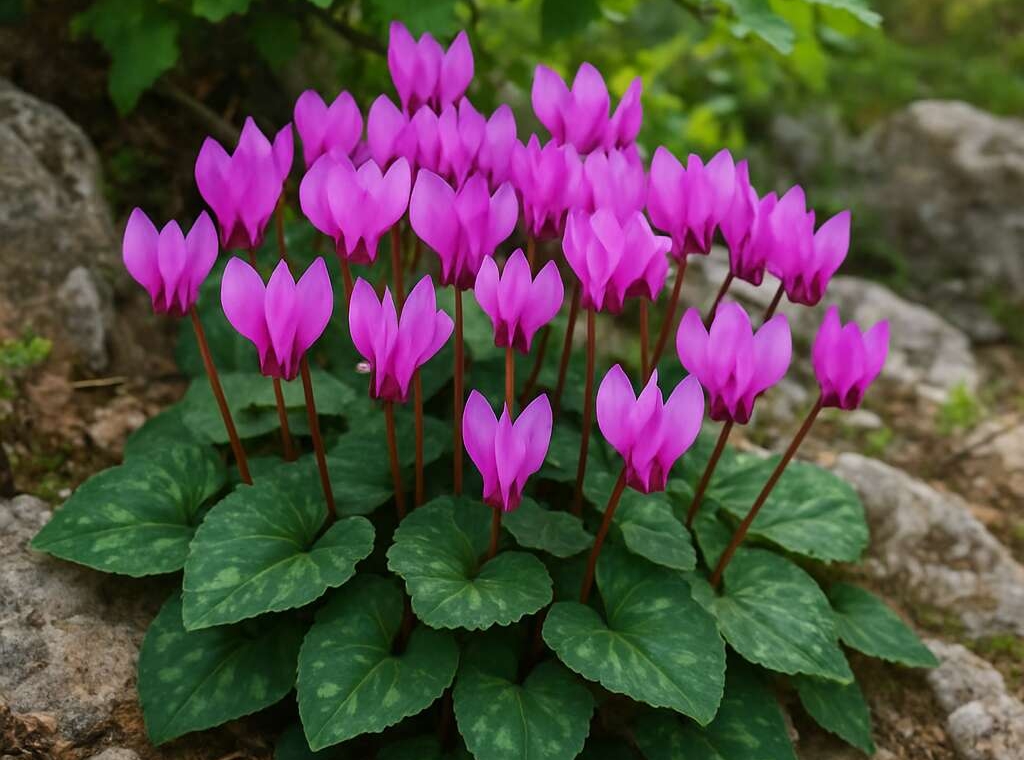



Latest Comments