Understanding Slow Tourism
Overview of Slow Tourism
Imagine wandering through a countryside village, where time itself seems to slow down, allowing you to truly absorb every scent, sight, and sound. This is the essence of Slow Tourism—a movement that challenges the relentless pace of modern travel, inviting travellers to embrace a more meaningful and immersive experience. It’s not merely about visiting a destination; it’s about forging a deeper connection with local cultures, landscapes, and people.
At its heart, Slow Tourism encourages an unhurried approach to travel, emphasizing quality over quantity. It advocates for extended stays, local interactions, and sustainable practices that respect and preserve the environment. Travelers who choose this path often find themselves rediscovering the beauty in everyday life, savoring artisanal foods, engaging in traditional crafts, and living like a local, if only for a while.
By fostering a bond with less-trodden paths and heartfelt stories, Slow Tourism transforms ordinary trips into enriching journeys. It offers a refreshing alternative to the hustle and bustle, reminding us that the slowest journeys often reveal the deepest treasures.
Origins and Evolution
Understanding the origins and evolution of Slow Tourism reveals a fascinating reaction to the relentless pace of modern travel. Rooted in the broader philosophy of mindful living, Slow Tourism emerged as a conscious response to the commodification and superficiality often associated with mass tourism. Its roots can be traced back to the early 2000s, when travelers began seeking more meaningful and authentic connections with places they visited. This movement proposes a shift from fleeting snapshots to immersive experiences that foster genuine cultural exchanges and sustainable practices.
Over time, Slow Tourism has evolved beyond a mere trend into a resilient ethos embraced worldwide. Its principles resonate deeply in communities eager to maintain their heritage and environment amidst growing globalisation. In this landscape, travelers are encouraged to spend more time in fewer destinations, allowing for a profound understanding of local customs and histories. To aid this transition, many advocate for a structured approach using a
- longer stays
- interaction with locals
- sustainable practices
as foundations of a truly enriching experience. This evolution underscores a broader desire for travel that respects both land and legacy, transforming the way we perceive journeys.
Core Principles
At its core, Slow Tourism invites us to abandon the hurried march through unfamiliar landscapes and instead, linger in moments that weave an authentic tapestry of experience. It isn’t merely a trend; it is a philosophy that champions mindful travel, where each place is cherished for its uniqueness rather than just a destination to tick off a list. Embracing Slow Tourism means choosing quality over quantity—more meaningful connections, richer cultural exchanges, and a reverence for local traditions.
The fundamental principles of Slow Tourism revolve around patience, sustainability, and genuine engagement. Travelers are encouraged to spend longer periods in fewer destinations, developing a deeper understanding of local community life. This approach fosters a harmonious relationship between visitors and hosts, nurturing a sustainable model that respects both land and legacy. Sometimes, the simplest pleasures—such as a leisurely walk through a village or participating in local craft workshops—are the most profound. It’s about embracing a quiet reverence for the places we visit, making travel a transformative journey rather than a fleeting encounter.
- Reducing travel speed to enhance personal connection
- Sustainable practices that preserve local environments
- Immersive experiences that foster cultural exchange
Differences from Conventional Tourism
What sets Slow Tourism apart from conventional travel is a deliberate shift in perspective—an invitation to pause rather than race through destinations. While mainstream tourism often emphasizes quantity—seeing as many sights as possible in a limited timeframe—Slow Tourism encourages travelers to embrace quality, cultivating genuine connections with local communities and environments. It’s about savoring moments, engaging deeply with local traditions, and appreciating the land’s subtle, yet profound, stories.
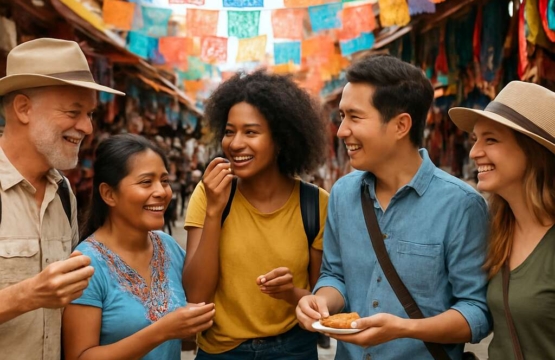
This approach fosters an authentic experience that balances leisure with mindfulness. Instead of checking off a list of popular attractions, travelers immerse themselves in the rhythm of everyday life, often through activities like walking local markets or participating in traditional craft workshops. The result? A richer understanding of the destination, underscored by a meaningful relationship between host and visitor. In essence, Slow Tourism redefines the journey itself, emphasizing slow, sustainable travel that nurtures both the soul and the land.
Benefits of Embracing Slow Tourism
Environmental Advantages
In a world obsessed with speed, the quiet revolution of Slow Tourism presents an almost rebellious act of moral clarity. When we choose to embrace a more unhurried approach, we begin to witness the subtle yet profound environmental advantages that often go unnoticed in conventional travel.
Slow Tourism encourages deeper engagement with local ecosystems, fostering an appreciation that transcends superficial sightseeing. By reducing the reliance on rapid transportation and excessive consumption, travelers contribute to less air pollution and lower carbon footprints. This gentle pace often leads to better stewardship of natural habitats, preserving biodiversity that might otherwise be sacrificed in mass tourism.
The environmental benefits of Slow Tourism extend beyond the individual experience. Local communities feel the impact, as sustainable practices become intertwined with tourism activities. Ultimately, this thoughtful approach to travel allows us to forge a genuine connection with our environment—nurturing a sense of responsibility that might just be the catalyst for broader ecological awareness.
Cultural Preservation
In a world where instant gratification often takes precedence, embracing the slow pace of Slow Tourism offers more than just leisurely travel; it champions the preservation of authentic cultural heritage. When travelers take the time to immerse themselves deeply in local traditions, they foster an environment where regional identities thrive amidst modern change. This approach nurtures respect for artisans, customs, and the stories behind historic landmarks, ensuring that these treasures are kept alive for future generations.
Slow Tourism acts as a guardian of cultural preservation, allowing communities to share their unique narratives without the pressure of rapid commercialization. By prioritising meaningful experiences over superficial sightseeing, travelers contribute to safeguarding traditions that might otherwise fade into obscurity. To illustrate, some regions have revived traditional crafts and languages through intentional engagement—an outcome that only emerges when exploration moves at a gentler pace.
In this gentle expedition, a simple list reveals the scope of cultural preservation benefits:
- Support for local artisans and craftspeople
- Protection of historic sites from over-tourism
- Revitalisation of indigenous languages and customs
- Enhanced community resilience and identity
With Slow Tourism, each journey becomes a heartfelt conversation between visitor and place, fostering a profound appreciation that sustains cultural vitality. It transforms travel from surface-level activity into a respectful exchange that honours the beauty of everyday life—storytelling that builds bridges and cultivates understanding across generations and geographies.
Economic Impact on Local Communities
The economic impact of embracing Slow Tourism on local communities can be profound and lasting. Unlike mass tourism, which often drains local resources and leaves fleeting footprints, Slow Tourism encourages travellers to spend more time in a single place, fostering organic economic activity. Visitors tend to support local businesses, from small cafes and bakeries to artisan craft shops, thereby reinvesting in the community’s economic fabric.
This approach also influences employment opportunities. With fewer visitors rushing through, local entrepreneurs see more consistent patronage, allowing for the development of unique, community-led ventures. For example, local guides and artisans often find new pathways to sustain traditional crafts and skills.
- Support for local artisans and craftspeople
- Strengthening regional economies
- Promoting sustainable business practices
In essence, Slow Tourism becomes a catalyst for economic resilience, ensuring that tourism dollars stay within the community longer and create more meaningful, long-term benefits. It nurtures a cycle where local economies thrive because visitors value authentic experiences, strengthening community identity and economic stability.
Personal Well-being and Satisfaction
Research shows that travellers engaging in Slow Tourism report higher levels of personal well-being and satisfaction. Opting for longer stays and meaningful interactions allows visitors to forge genuine connections with the destination, rather than rushing through superficial adventures. This deep engagement fosters a sense of fulfillment that quick, mass tourism experiences often lack.
In my experience, embracing Slow Tourism transforms how we perceive travel. It encourages mindfulness and appreciation, helping visitors leave feeling refreshed rather than exhausted. For travelers, this approach doesn’t just offer a break from routine—it provides a chance to reconnect with oneself and the environment.
Here’s where the true benefit lies. Slow Tourism prioritises quality over quantity, offering a richer, more immersive travel experience. By slowing down, visitors gain a heightened sense of place and community, leading to authentic interactions. These memorable moments enhance personal happiness and long-term satisfaction—proving that sometimes, less really is more.
Key Strategies for Practicing Slow Tourism
Planning and Choosing Sustainable Destinations
Key Strategies for Practicing Slow Tourism Planning and Choosing Sustainable Destinations
Embarking on a journey of Slow Tourism isn’t simply about taking your time—it’s about embracing a mindful approach that enriches both traveler and community. To optimize the experience, strategic planning becomes essential. Careful selection of destinations rooted in sustainability ensures that your travel footprint remains gentle, fostering a genuine connection to the places you visit. Thoughtful planning involves researching local customs, environmental practices, and community initiatives—crafting a travel experience that harmonizes with the destination’s ecological and cultural fabric.
When choosing destinations for Slow Tourism, look for places that prioritize eco-friendly initiatives and cultural authenticity. Opt for regions that support local artisans, farmers, and small businesses—these areas often exemplify the core principles of responsible travel. Here are some ways to align your journey with these values:
- Identify destinations with robust sustainability certifications
- Engage with local guides who champion community-driven tourism
- Allocate time to immerse yourself in local traditions, cuisine, and crafts
Meticulous itinerary construction that emphasizes quality over quantity allows travelers to deepen their experience, forging authentic moments rather than fleeting impressions. When practiced intentionally, Slow Tourism becomes more than a leisurely pursuit—it’s a dedication to preserving the very essence of the places visited. By weaving these elements seamlessly into your travel blueprint, you forge meaningful connections that transcend typical sightseeing, transforming each trip into a responsible adventure rooted in cultural respect and ecological mindfulness.
Engaging Deeply with Local Cultures
In the realm of Slow Tourism, engaging deeply with local cultures transforms a mere journey into an immersive quest filled with stories and soul. It’s about more than sightseeing; it’s about forging genuine connections. When leisurely explorers traverse ancient alleyways, they breathe in stories encoded in architecture, language, and tradition. This mindful approach breathes life into every moment, fostering encounters that are authentic and meaningful.
One of the most captivating aspects of Slow Tourism is the opportunity to connect with community-led initiatives. By actively participating in local activities, travelers support cultural preservation while enriching their own experience. To cultivate these connections, consider:
- Engaging with local artisans and craft workshops to appreciate traditional artistry
- Participating in regional culinary classes that celebrate indigenous ingredients and recipes
- Attending festivals and cultural events that reflect the community’s spirit
These practices not only enhance your appreciation of the destination but also stimulate sustainable practices that align seamlessly with responsible travel principles. The magic of Slow Tourism lies in its capacity to transform fleeting visits into enduring memories, woven into the very fabric of local traditions and daily life.
Opting for Eco-friendly Transportation
In the pursuit of authentic travel experiences, one practice stands out as both morally resonant and practically transformative: choosing eco-friendly transportation. Slow Tourism, at its core, emphasizes mindful travel that respects both the environment and the human connections woven through local life. When the journey aligns with sustainability, it becomes a conscious act—a deliberate decision to leave a lighter footprint. This isn’t about sacrificing convenience but about reimagining mobility in a way that complements the voyage’s deeper purpose.
Opting for sustainable modes like cycling, walking, or using regional rail networks transforms the travel experience. It invites travelers to engage with the landscape intimately, fostering a sense of connection and wonder. For instance, in many regions, an electric scooter rental or a vintage train can deliver both eco-credentials and an intimate encounter with the surroundings. In fact, some locations even incentivise eco-friendly travel options, subtly encouraging visitors to prioritize thoughtful mobility—the silent promise of Slow Tourism.
- Choose regional or intercity rail where possible, reducing the reliance on carbon-intensive transport modes.
- Opt for walking or cycling instead of taxis or car rentals, immersing truly in the local environment.
- Consider eco-friendly travel options such as electric vehicles or shared transportation services tailored for sustainable travel.
Each conscious decision to embrace eco-friendly transportation isn’t just a practical choice but a moral stance—an affirmation that, in Slow Tourism, respect for the planet is woven into every mile traveled. This approach preserves the essence of the journey, allowing travelers to experience a destination’s soul without detracting from its natural beauty or cultural integrity. It’s a delicate dance—balanced on the very principle that slower, more mindful travel sustains the magic of discovery for generations to come.
Staying in Authentic Accommodations
In a world where rapid travel often sacrifices authenticity and connection, practicing Slow Tourism offers a counterbalance that resonates with both the soul and the environment. Staying in authentic accommodations is a vital component of this approach, allowing travelers to embed themselves more deeply in local life. These thoughtfully chosen dwellings—be it a family-run guesthouse or a centuries-old inn—provide an unparalleled insight into regional traditions and customs. Such immersive stays enrich the travel experience far beyond superficial sightseeing.
To truly embrace the spirit of Slow Tourism, consider engaging with accommodations that uphold sustainability and cultural integrity. Opt for lodging options that support local artisans, use eco-friendly practices, or participate in community projects. This fosters a genuine exchange that benefits both visitor and host, nurturing respectful relationships grounded in shared humanity. In essence, choosing authentic accommodations transforms a journey into a meaningful exploration of place and people, reinforcing the core principles of conscious travel.
- Prioritise staying in locally-owned establishments to bolster the regional economy.
- Seek out accommodations that incorporate environmental practices such as recycling, renewable energy, or water conservation.
- Consider options like homestays or eco-lodges that promote cultural exchange and sustainability.
Promoting Responsible Tourism Behaviors
Amidst the whirlwind of modern travel, a whisper of change is stirring—an invitation to slow down and truly connect with the world around us. Slow Tourism isn’t just a trend; it’s a movement that champions mindful exploration and respectful engagement with local communities. To embody this approach, travelers should embed themselves in destinations through responsible behaviors that honour the culture and environment.
One effective way to promote responsible tourism behaviors is to favour locally-owned establishments over international chains. This simple act strengthens regional economies and helps preserve unique cultural identities. Engaging in activities that support local artisans, participate in community-led projects, or attend traditional events fosters authentic cultural exchange, enriching the travel experience. Remember, every small gesture counts in weaving a more sustainable fabric of tourism.
In the spirit of Slow Tourism, consider adopting an unhurried pace—wander through markets, try regional cuisines, and linger in scenic spots without rushing. These choices cultivate a deeper appreciation for the destination’s soul and reinforce the importance of respectful, eco-conscious travel practices. Every mindful decision, from selecting eco-friendly transportation to staying in authentic accommodations, threads together a vibrant tapestry of conscious exploration and responsible tourism behaviors.
Case Studies and Popular Slow Tourism Destinations
European Examples
In the shadowed corridors of time, certain destinations whisper tales of purity, patience, and a deepening connection to place. European examples of Slow Tourism unfold like gothic manuscripts, each narrating a shift towards mindful exploration. Take, for instance, the enchanting town of Gjirokastër in Albania, where visitors linger amidst stone alleyways, savoring every moment rather than rushing through the sights.
Such destinations eschew fleeting glimpses, embracing a contemplative pace that allows for genuine cultural immersion. In Italy, the Cinque Terre exemplifies how unraveling along winding trails and staying in quaint local inns can transform the experience. These communities have embraced the principles of Slow Tourism, fostering sustainable interactions with their unique histories and traditions.
A handful of European locations—like Tuscany’s rolling vineyards or the serene villages of Dordogne—serve as living proof of how unhurried travel nurtures both the soul and the environment. These travel journeys reveal the quiet power of presence, forging bonds far richer than surface-level wanderings.
Asia and Africa Destinations
Across Asia and Africa, a quieter way to travel is gaining momentum, resonating with those seeking authentic and enriching experiences. These destinations embody the essence of Slow Tourism—encouraging travelers to engage deeply with local cultures, landscapes, and communities rather than rushing from one sight to the next. Often, these places are overlooked by mainstream tourism campaigns but hold immense potential for fostering sustainable and responsible travel practices.
In Japan, the ancient pilgrimage routes of Kumano Kodo exemplify how slow travelers can connect with nature and spiritual traditions. Walking along these winding trails allows for reflection and a genuine appreciation of the sacred landscape. Similarly, in Ghana, the historic markets and coastal villages of the Cape Coast area offer immersive encounters that slow tourism advocates promote as vital for cultural preservation and economic resilience.
Some of the most compelling Slow Tourism destinations in Africa and Asia include:
- Hiking through the lush tea plantations of Sri Lanka’s Nuwara Eliya region.
- Staying in rural guesthouses in Vietnam’s Sa Pa valleys, where local artisans craft traditional textiles.
- Exploring the spiritual sites of Bhutan, where the focus on mindfulness aligns perfectly with environmental sustainability and cultural respect.
These destinations highlight how unhurried travel allows people to forge meaningful bonds with their surroundings, helping communities maintain their identity while travelers take in the richness of local traditions and landscapes. Slow Tourism emphasizes thoughtful engagement—turning a simple trip into a transformative journey rooted in respect and authenticity.
Emerging Trends Worldwide
For those weary of the relentless pace of modern travel, a less frantic, more soulful approach is quietly taking root—Slow Tourism. This trend isn’t just a gentle rebellion against crowds and queues; it’s a transformative way to truly immerse in local cultures, landscapes, and histories. The beauty of Slow Tourism lies in its capacity to turn a mere visit into a meaningful, authentic experience that stays with you long after you’ve left the destination.
Case studies from around the globe reveal a fascinating shift towards unhurried travel. In Italy, villages like Civita di Bagnoregio are attracting visitors who prefer wandering cobbled streets rather than rushing through sightseeing bus tours. Similarly, the rise of community-led tours in the Philippines exemplifies how Slow Tourism can foster sustainable practices and empower local artisans. The emerging trend demonstrates that travelers are seeking deeper connections, prioritizing quality over quantity, and opting for eco-friendly transportation that respects the environment.
- Hiking through Nepal’s Annapurna region, embracing local customs and cuisine.
- Staying in farm-stays in Tuscany, where overnight stays in rustic accommodations are paired with immersive culinary experiences.
- Exploring India’s spiritual hubs like Varanasi, where slow-paced wandering allows for spiritual reflection and cultural understanding.
These destinations highlight a vital aspect of Slow Tourism: its power to transform a routine vacation into a purposeful journey. As more travel aficionados seek responsible, mindful ways to explore, the movement continues to grow, prompting a reevaluation of what it truly means to travel well—slowly, thoughtfully, and sustainably. The rising popularity of Slow Tourism underscores an unavoidable truth—sometimes, the best way to see the world is by taking your time.
Success Stories and Lessons Learned
Success stories in Slow Tourism reveal that authenticity and genuine local engagement are the greatest rewards. In Italy, villages like Civita di Bagnoregio have transformed from quiet hamlets into sought-after destinations by embracing unhurried exploration. Visitors wandering cobbled streets often leave with a deeper appreciation for local culture and history, exemplifying how Slow Tourism can foster meaningful connections.
In Southeast Asia, community-led tours in the Philippines showcase a different side of slow travel. These initiatives empower artisans and promote sustainable practices, proving that mindful tourism can have real economic benefits for local communities. Travelers seeking authentic experiences find that Slow Tourism goes beyond sightseeing—it cultivates a sense of shared responsibility and respect for environment and culture.
- Walking through Nepal’s Annapurna region invites travelers to embrace local customs, cuisine, and breathtaking landscapes—hallmarks of effective Slow Tourism.
- In Tuscany, staying at rustic farm-stays paired with immersive culinary experiences demonstrates how slow travel enriches the senses and strengthens community ties.

 by
by 






Latest Comments