Taxonomic Classification and Botanical Description
Overview of Noccaea cypria – Taxonomic placement and historical naming
At first glance, Noccaea cypria might seem like just another member of the Brassicaceae family, but its unique taxonomic placement reveals a fascinating story. Originally classified under the genus Thlaspi, this species was later reassigned based on detailed morphological and genetic studies, solidifying its position within the Noccaea genus. This dynamic taxonomic history underscores how botanical classification evolves with scientific advances, offering deeper insights into plant relationships.
Botanically, Noccaea cypria presents a striking appearance—small, rosette-forming leaves and slender, flowering stems that reach modest heights. Its vibrant, pale purple flowers contrast sharply against the rocky Cyprus habitat from which it derives its name. The plant boasts a resilience that allows it to thrive in harsh, limestone-rich soils, accentuating its adaptation for survival in specific ecological niches. Recognising these attributes helps botanists and enthusiasts understand why Noccaea cypria is not just a plant but a vital part of its native biodiversity.
To contextualise its classification, consider these key taxonomic features:
- Genus: Noccaea
- Family: Brassicaceae
- Species: Noccaea cypria
Physical Characteristics – Detailed description of plant morphology
Noccaea cypria stands as a unique botanical enigma, with its precise taxonomic classification offering clues to its intriguing evolutionary story. Falling within the Brassicaceae family, this species’ placement in the Noccaea genus underscores its close ties to a diverse group of plants adapted to rocky terrains. What sets Noccaea cypria apart is not merely its evolutionary lineage but also its remarkable ability to thrive where few others dare—on rugged limestone slopes of Cyprus, embedded firmly in the island’s geological tapestry.
From a botanical perspective, Noccaea cypria boasts a distinctive morphology. Its small, rosette-forming leaves cluster close to the ground, acting almost like a natural shield against the harsh environment. Slender, flowering stems emerge from this dense leaf structure, supporting an array of vibrant, pale purple flowers that bloom with delicate elegance. The plant’s physical characteristics reflect a finely tuned adaptation, blending resilience with subtle beauty.
Its leaves, often covered with minute hairs, give a textured appearance while enhancing water retention—a vital trait for survival in nutrient-poor, limestone-rich soils. The flowering stems typically reach a modest height of around 10-15cm, with each blossom measuring just a few millimetres. To visually accompany its habitat, see the following features:
- Compact rosette leaves, often with a silvery sheen
- Slim, erect flowering stems
- Small, pale purple petals with dark stamens
- Resilient, limestone-tolerant root system
This detailed description of Noccaea cypria’s physical characteristics emphasizes not only its aesthetic allure but also its remarkable botanical adaptations. Such features reveal much about its capacity to withstand the demanding environment of Cyprus’s rocky escarpments, making it a noteworthy species within the genus Noccaea.
Distinctive Features – Unique traits that differentiate Noccaea cypria from related species
Standing as a sentinel of Cyprus’s rugged landscape, Noccaea cypria exhibits a taxonomy as intriguing as its survival story. Classified within the Brassicaceae family, this species belongs to the genus Noccaea, a lineage renowned for its resilience in rocky, limestone terrains. Its precise placement provides a glimpse into its evolutionary journey—an unyielding testament to adaptation amidst the island’s geological upheavals.
What truly makes Noccaea cypria a marvel among botanical species lies in its distinctive features. Unlike its relatives, this plant flaunts compact, silvery rosette leaves that seem almost brushed with moonlit sheen. These leaves, covered in minute hairs, enhance water retention—a crucial trait for thriving in nutrient-poor limestone soils. Its slim, erect flowering stems, reaching merely 10-15cm, bear petite, pale purple petals that sway with fragile elegance in the breeze.
Yet, the true hallmark of Noccaea cypria’s uniqueness is found in these specific traits:
- Compact rosette leaves with silvery sheen and hairy texture
- Resilient, limestone-tolerant root system
- Slim, erect flowering stems supporting small, pale purple petals
- Dark-stamed stamens contrasting with soft blossoms
Each element, from its textured leaves to its modest floral stature, reflects a finely tuned adaptation, enabling Noccaea cypria to flourish on Cyprus’s rugged limestone slopes where few others can endure. Its physical and botanical distinctions mark it not merely as a plant, but as a living emblem of resilience and evolutionary ingenuity.
Local Variations – Morphological differences across its habitats
In the tangled tapestry of Cyprus’s flora, Noccaea cypria stands out not just as a resilient species but as a fascinating subject for botanical exploration. Its taxonomic classification within the Brassicaceae family, specifically the genus Noccaea, underscores its evolutionary journey through a landscape riddled with geological upheavals. This plant has adapted exquisitely to the island’s limestone slopes, a feat that piques the curiosity of botanists and enthusiasts alike.
Botanical description reveals that Noccaea cypria exhibits notable morphological variations across different habitats. In the most exposed rocky outcrops, populations tend to develop more compact rosette leaves, increasing their water retention capabilities amidst limited soil nutrients. Conversely, plants nestled in slightly more sheltered areas might display marginally larger floral stems, an adaptation to maximize pollination efficiency. These local variations are a testament to the plant’s remarkable ability to fine-tune its physical traits in response to micro-environment differences.
- In rocky, limestone terrains, Noccaea cypria is often characterized by denser, more silvery-hued leaves, which serve as natural sun shields and help retain moisture.
- In slightly more fertile patches, the species may develop marginally larger petals and more erect stems, yet the core features—the silvery hairs and petite purple blossoms—remain consistent.
Such differences are vital for understanding the species’ ecological niche and resilience. Each variation not only enhances survival but also hints at the underlying genetic diversity that makes Noccaea cypria an enduring emblem of Cyprus’s rugged landscape. These subtle morphological distinctions weave a story of adaptation, survival, and evolution—one that continues to captivate those who seek to unravel nature’s quiet mysteries.
Related Species – Comparison with similar plants in the genus Noccaea
Noccaea cypria belongs to the intriguing tapestry of the Brassicaceae family, where its taxonomic classification positions it as a captivating member of the genus Noccaea. With a lineage stretching back through turbulent geological epochs, this plant embodies the resilience of Cyprus’s rugged landscape. Its botanical roots intertwine with distant relatives, yet Noccaea cypria exhibits distinctive traits that distinguish it from alike species within the same genus.
When comparing Noccaea cypria to its botanical kin, subtle yet defining differences emerge. Unlike the more widespread Noccaea praecox or Noccaea alpina, Noccaea cypria often bears denser, silvery leaves chalked with fine hairs, adaptations that speak to its preferred habitat—limestone slopes cloaked in sunlight. Its petite purple blossoms, though modest in size, carry an air of quiet grandeur, muted yet poignant in their beauty. The plant’s erect stems and compact rosette align seamlessly with its environment, a testament to its evolutionary strategy.
- Similar species like Noccaea calcarea thrive on calcareous soils but tend to flaunt larger flowers, creating a subtle visual contrast with Noccaea cypria’s delicate petals.
- Noccaea montana, found higher in mountainous terrains, often shares habitats with Noccaea cypria but differs markedly in leaf structure and stem coloration.
Such botanical nuances deepen the story of Noccaea cypria’s survival—an enduring echo of the island’s geological tumult. As a member of the genus Noccaea, it stands as a living relic, its morphology and genetic tapestry a labyrinth of natural adaptation and quiet defiance against the erosive march of time.
Habitat and Distribution
Geographical Range – Native regions and broader distribution
Nestled within the rugged terrains of the eastern Mediterranean, Noccaea cypria exhibits a fascinating habitat preference that speaks to its resilience and adaptability. Predominantly found in limestone-rich soils, this charming plant thrives in rocky outcrops and well-drained slopes where competition from other flora is less fierce. Its native regions include Cyprus, hence its evocative name, and surrounding islands where the climate remains temperate and slightly arid.
The broader distribution of Noccaea cypria does not extend far beyond these Mediterranean enclaves, maintaining a somewhat niche geographical range. Nonetheless, its presence has been recorded as sparse yet consistent across specific microhabitats. Conservationists note that such limited distribution makes the species particularly sensitive to habitat disturbance.
In terms of geographical range, Noccaea cypria exemplifies a plant well-adapted to its local environment but with potential vulnerability should ecological conditions shift. This species’ specificity underscores the importance of preserving its native habitat, safeguarding the delicate balance that allows Noccaea cypria to flourish amidst rocky crags and limestone slopes.
Habitat Preferences – Preferred environmental conditions and soil types
Noccaea cypria thrives in a surprisingly specific habitat that reflects its resilience amidst rugged terrains. Preferring limestone-rich soils, this species often makes its home on rocky outcrops and steep slopes where drainage is swift, and competition from other plants is minimal. The plant’s ability to adapt to such challenging environments is a testament to its evolutionary strength, yet it remains highly sensitive to habitat disturbances.
Its preferred environmental conditions include temperate and slightly arid climates typical of Cyprus and surrounding Mediterranean islands. The soil type plays a pivotal role in its survival, with Noccaea cypria favoring well-drained, calcareous substrates that provide the necessary minerals for growth. This specificity highlights the plant’s unique adaptation to microhabitats, often found in niches that less hardy flora cannot tolerate.
Altitude Range – Elevation zones where the species thrives
Nestled atop rocky Mediterranean outcrops, Noccaea cypria is a botanical marvel that defies the odds with its precise habitat preferences. Thriving predominantly in calcareous, limestone-rich soils, this resilient species makes its home on steep slopes and rugged cliffs where other flora dare not venture. Its ecological niche is defined by well-drained microhabitats that offer minimal competition, allowing Noccaea cypria to flourish in some of the most inhospitable terrains.
In terms of altitude range, Noccaea cypria exhibits a noteworthy adaptability, primarily thriving at elevations from sea level up to approximately 800 meters. This elevational zone encompasses a variety of microclimates—each with distinct environmental cues that influence its distribution. While most commonly associated with lower and mid-altitude zones, some populations have demonstrated surprising resilience at higher elevations, hinting at its potential for adaptation to changing climatic conditions. Understanding these elevation zones reveals much about Noccaea cypria’s niche specificity and environmental resilience.
Threatened Populations – Status in protected areas and conservation concerns
Noccaea cypria’s habitat is as captivating as it is fragile. Found nestled atop rocky Mediterranean outcrops, this species favors calcareous, limestone-rich soils that shimmer under the sun. Its preference for steep slopes and rugged cliffs creates a landscape where few other plants dare to thrive, heightening its elusive charm. The microhabitats occupied by Noccaea cypria are well-drained and minimally competitive, making them hotspots for biodiversity in otherwise inhospitable terrain.
The distribution of Noccaea cypria spans several protected areas, where conservation efforts aim to preserve these rare and fragile populations. Despite these protections, threats loom large. Habitat disturbance from tourism, grazing, and climate change pose significant risks to its survival. Because Noccaea cypria often exists in isolated, fragmented populations, its status warrants careful monitoring.
Ottawa’s conservation authorities emphasize that safeguarding these populations is more than just protecting a single species; it’s about preserving the intricate web of climate-sensitive microhabitats they call home. Preserved populations of Noccaea cypria serve as a vivid reminder of the delicate balance required to maintain Mediterranean biodiversity, with many populations clinging to survival on steep, inaccessible cliffs where they remain hidden from the eye of destruction.
Invasive Status – Presence outside natural habitats and ecological impact
Noccaea cypria’s habitat is as exclusive as a VIP lounge, making it a true botanical treasure. Found perched on rocky Mediterranean outcrops, this species thrives on calcareous, limestone-rich soils that reflect sunlight like a stone mirror. Its preference for steep slopes and rugged cliffs ensures it dodges the hustle and bustle of more competitive plants, creating microhabitats where survival feels like a feat of botanical bravery. These well-drained, minimally competitive areas are vital for maintaining biodiversity in otherwise inhospitable terrain.
Beyond its natural stronghold, Noccaea cypria has shown a surprising resilience—occasionally popping up outside its typical habitat, often in disturbed or rocky sites where you might least expect it. When this happens, it raises eyebrows and questions about ecological impact, since introduced populations can sometimes compete with native flora or alter local plant assemblages. While Noccaea cypria might seem delicate, its presence outside traditional areas can have complex implications for local ecosystems.
- Invasive presence: Populations of Noccaea cypria outside native zones are rare but noteworthy. Though generally not aggressive invaders, any establishment outside protected areas can influence ecological balances.
- Ecological impact: When found in non-native locations, Noccaea cypria’s interaction with local plants can be a double-edged sword—sometimes helping to stabilize disturbed sites, other times competing with species that have been stable for generations.
Protecting these solitary outposts of Noccaea cypria is crucial but tricky. Its tendency to appear in isolated pockets makes monitoring a challenge for conservationists. The species’ ability to survive in tiny patches far from its usual haunts underscores its resilience, yet also highlights the fragility of its ecological niche. When Noccaea cypria ventures beyond its native territories, the ecological consequences are unpredictable—potentially beneficial by stabilising microhabitats or risky by disrupting existing plant communities.
Ecological Role and Interactions
Pollination and Reproduction – Pollinators involved and seed dispersal mechanisms
Beneath the delicate canopy of rocky outcrops and limestone slopes, Noccaea cypria performs an enchanting ballet of ecological interactions. This resilient species plays a vital role in its habitat, serving as a source of nourishment for specialized pollinators that have evolved to appreciate its subtle allure. Its aromatic, tiny flowers attract a variety of insects, predominantly bees and small butterflies, which act as crucial pollinators involved in ensuring its reproduction.
The pollination process of Noccaea cypria is a charming spectacle—its flowers opening briefly in the morning light, inviting these vital visitors to partake in their fleeting bloom. Seed dispersal mechanisms further preserve its delicate lineage; the plant relies on gentle wind currents to carry its seed capsules across the rugged terrain, sometimes aided by gravity, which aids in local seed dispersal. This combination of pollinators involved and seed dispersal mechanisms allows Noccaea cypria to thrive within its niche, maintaining ecological equilibrium amidst the limestone vistas it calls home.
Symbiotic Relationships – Interactions with fungi and other microorganisms
Amidst the rugged charm of limestone slopes and rocky outcrops, Noccaea cypria emerges not just as a botanical curiosity but as a keystone in its ecological web. Often overlooked for its modest stature and tiny, fragrant flowers, this resilient species plays a pivotal role in maintaining soil stability and fostering a thriving micro-ecosystem. Its interactions extend beyond mere pollination, engaging in intimate relationships with fungi and microorganisms that enhance its survival story.
Symbiotic relationships are the secret sauce behind Noccaea cypria’s tenacity. It forms associations with mycorrhizal fungi—an alliance that improves nutrient uptake—allowing it to flourish in nutrient-poor limestone soils. These fungi act like underground matchmakers, connecting plants in a clandestine network that helps Noccaea cypria absorb essential minerals while warding off soil-borne pathogens. This underground handshake ensures its persistence in a landscape that seems inhospitable to almost everything else.
- Mycorrhizal fungi facilitate nutrient exchange, bolstering plant health.
- Microorganisms protect the roots from invasive pathogens, acting as natural bodyguards.
- Detritivores and bacteria help decompose organic matter, enriching the rocky substrate for future growth.
This microbial camaraderie crafts a delicate yet durable partnership, making Noccaea cypria more than just a pretty face in the limestone landscape. Its ability to forge these biological ties underpins its ecological importance and highlights how even the humblest plants wield complex alliances, quietly shaping their environment behind the scenes.
Role in Local Ecosystems – Contributions to soil health and plant community dynamics
In the shadowy corners of limestone slopes, where silence whispers stories of resilience, Noccaea cypria exerts an almost mystic influence on its environment. This unassuming plant, cloaked in delicate, fragrant flowers, plays a pivotal role in shaping the very fabric of its ecosystem. Beyond its modest appearance, Noccaea cypria acts as an ecological keystone, fostering a web of interactions that sustain the fragile balance of life in its rugged habitat.
The contributions of Noccaea cypria to soil health are profound. Its roots form symbiotic alliances with mycorrhizal fungi, weaving an underground network that facilitates nutrient exchange—particularly in limestone terrain where nutrients are scarce. These underground kinships enable Noccaea cypria to thrive amidst the inhospitable rocky landscape, actively aiding in soil stabilization and organic matter decomposition. Microorganisms, including bacteria and detritivores, work tirelessly alongside the plant, enriching the substrate and preparing it for future botanical acts of defiance against the rocky harshness.
In the broader scheme of plant community dynamics, Noccaea cypria serves as an anchor, supporting a multitude of lesser organisms vying for survival. Its presence influences the spatial distribution of neighboring flora and sustains invertebrate populations, by offering both nourishment and shelter. By maintaining soil stability and fostering microbial activity, Noccaea cypria subtly guides the evolution of its environment, echoing a haunting yet vital rhythm of ecological persistence that echoes through the rugged landscape.
Responses to Environmental Stress – Adaptations to drought, pollution, or habitat disturbance
From the rugged limestone slopes where rocks whisper stories of resilience, Noccaea cypria emerges as an ecological marvel rooted in hardy adaptability and subtle influence. Its roles in local ecosystems go beyond botanical eye candy, revealing a complex web of interactions that sustain this fragile environment. The understated presence of Noccaea cypria belies its profound contributions to soil health and plant community dynamics, making it a true keystone in its native habitats.
One of the remarkable adaptations of Noccaea cypria to environmental stress, such as drought or habitat disturbance, is its ability to modify physiological processes to conserve water and nutrients. During periods of water scarcity, Noccaea cypria activates a suite of drought-resistant traits: thicker, wax-coated leaves and a deep root system that taps into subterranean reservoirs. Its resilience is also evident in its capacity to tolerate some level of pollution, thriving amidst soil conditions that would challenge less hardy species. This plant’s plasticity ensures its survival in limestone environments where nutrient availability is limited, reinforcing its role as a pioneer species capable of stabilising rocky ground.
Responses to environmental stress are further augmented by its symbiotic relationships with mycorrhizal fungi. These underground partnerships enhance nutrient uptake, especially in infertile soils, while safeguarding the plant against the adverse effects of habitat disturbance. The interaction with soil microorganisms creates a resilient micro-ecosystem— a bustling network that sustains not only Noccaea cypria but also a host of invertebrates and microorganisms that depend on its presence. Such interactions demonstrate the plant’s ability to foster ecological stability, even amidst changing conditions.
The ability of Noccaea cypria to endure and adapt within its challenging environment underscores its importance in habitat conservation. Its resilience against drought and pollution, combined with robust microbial interactions, illuminates its strategic role in shaping ecological responses to environmental stresses. The plant’s presence signifies a subtle yet powerful force for stability— a guardian of soil integrity and a catalyst for the complex processes that sustain life in the rocky, limestone terrains of the United Kingdom and beyond.
Conservation Importance – Ecological significance and protective measures
Noccaea cypria stands as a testament to nature’s resilience, a seemingly modest plant with a profound ecological presence in the limestone landscapes of the United Kingdom. Its role in the environment extends beyond mere botanical existence; it is a silent architect of ecological stability, woven intricately into the fabric of its habitat. The plant’s delicate appearance belies an endurance that makes it an indispensable component of local biodiversity, contributing to soil stability and fostering the subterranean alliances that sustain this fragile world.
This species’ ecological role is deeply intertwined with its interactions with fungi, microbes, and invertebrates. Mycorrhizal relationships are particularly vital, enabling Noccaea cypria to thrive in nutrient-poor, rocky soils— a characteristic that positions it as a pioneer in disturbed environments. Its capacity to foster micro-ecosystems not only underpins the health of its immediate surroundings but also helps create niches for other species to flourish, showcasing its influence on plant community dynamics.
From a conservation perspective, Noccaea cypria holds a unique position. Its presence on protected sites highlights its vulnerability—disturbed habitats threaten its survival, yet its ecological importance elevates it as a species worth safeguarding. Protection measures aimed at preserving limestone slopes and rocky outcrops are critical, especially as climate change and habitat degradation continue to impose stress on native flora.
In the broader context, Noccaea cypria’s ecological importance extends to maintaining soil health and preventing erosion. Its adaptability allows it to withstand pollution and habitat disturbance, making it a natural ally in habitat restoration efforts. Protecting this resilient plant ensures that the intricate web of interactions it supports remains intact, safeguarding the delicate balance of this ancient landscape.
- Fostering symbiotic relationships with fungi and microorganisms
- Stabilising soil in rocky, limestone terrains
- Supporting other native plant species during habitat recovery
In essence, Noccaea cypria is more than a species; it embodies a quiet resilience that sustains the very foundation of its environment. Recognising its ecological significance is paramount in preserving the biodiversity of limestone habitats in the UK— a small yet vital puzzle piece in the grandeur of natural conservation.
Cultivation, Uses, and Research
Cultivation Potential – Growing conditions for conservation or horticulture
Noccaea cypria presents intriguing possibilities for cultivation, especially within the United Kingdom’s diverse climate zones. This resilient plant, well-adapted to rocky substrates and temperate environments, offers the potential for conservation projects and horticultural interest alike. Its care requirements emphasize well-drained soil, typically limestone or calcareous substrates, with moderate watering to prevent root rot—a critical factor for successful growth.
When cultivating Noccaea cypria, understanding its habitat preferences can be transformative. It thrives at altitude ranges between 300 and 800 meters, where the atmosphere is less saturated, and sun exposure is ample. For enthusiasts or conservationists, mimicking these conditions in controlled settings can facilitate propagation and preservation efforts.
Research into Noccaea cypria’s growth potential reveals promising avenues for expanding its presence beyond native habitats. It demonstrates a natural resilience to drought conditions, which makes it an attractive candidate for ecological restoration projects. Its potential use in ecological landscaping or rocky garden designs further underscores its significance in sustainable horticulture.
Given the plant’s promising traits, a simple yet effective cultivation approach involves recognizing its preference for rocky or minimally disturbed soils. An unordered list of key factors illustrates its evolving horticultural profile:
- Well-drained, calcareous soil
- Full sun exposure
- Altitude around 300-800 meters
- Moderate watering, avoiding over-saturation
- Habitats with minimal disturbance to preserve its ecological role
The ecological versatility of Noccaea cypria not only enhances its role in native ecosystems but also paves the way for its integration into horticultural practices, expanding its application in conservation and sustainable gardening initiatives.
Medicinal and Ethnobotanical Uses – Traditional applications and scientific studies
In the quiet corners of calcareous landscapes, where rugged stones whisper tales of ancient earth, Noccaea cypria emerges as a testament to resilience. This enchanting plant, with its delicate rosettes and slender stems, holds promise for both conservation and horticultural pursuits across the United Kingdom’s diverse climate zones. Its preference for rocky substrates makes it an ideal candidate for sustainable gardening practices that mimic its natural habitat.
Cultivating Noccaea cypria requires attention to its intrinsic needs—well-drained, calcareous soil and full sun exposure create the perfect environment. Its tolerance for drought conditions unlocks opportunities for ecological restoration projects and drought-resistant landscaping. Interested enthusiasts can consider natural rock gardens or minimalist scenes that celebrate minimal disturbance, ensuring the preservation of its ecological role while enhancing biodiversity.
Uses of Noccaea cypria extend beyond mere ornamental appeal. As a hardy, low-maintenance species, it plays a vital part in native ecosystems, stabilizing rocky soils and supporting microfauna. Its adaptability encourages exploration into sustainable horticulture and ecological landscaping, where native plants are integrated seamlessly into modern designs.
Research into Noccaea cypria’s medicinal and ethnobotanical applications remains a budding frontier. Traditionally, plants within its genus have been utilized for their anti-inflammatory properties and in herbal remedies. Although scientific studies are nascent, the plant’s resilience and unique biochemical profile have sparked interest among researchers investigating potential medicinal uses. Some speculate that its secondary metabolites could someday contribute to novel pharmaceuticals or natural remedies.
In the realm of ethnobotany, Noccaea cypria’s role is subtly woven into local customs, often revered for its hardy nature. As scientific exploration advances, it is fostering a greater understanding of the plant’s potential benefits—an intriguing intersection of tradition and innovation.
A handful of key factors guide its cultivation and use:
- Robustness in calcareous soils
- Sunlit, altitude zones between 300-800 meters
- Moderate watering, avoiding soggy conditions
- Minimal habitat disturbance to conserve ecological functions
Its ability to thrive in challenging environments makes Noccaea cypria a beacon in sustainable horticulture and conservation alike. Through careful management and research, this resilient species could become a cornerstone in ecological landscaping, offering a vivid testament to nature’s tenacity and potential.
Research and Scientific Interest – Current research topics involving Noccaea cypria
Amidst the rugged tranquility of calcareous landscapes, Noccaea cypria stands as a testament to botanical resilience. This humble yet captivating species holds a unique place in ecological harmony, whispering stories of adaptation and survival across the diverse terrains of the United Kingdom. Cultivating Noccaea cypria offers a window into sustainable gardening, where its delicate rosettes and slender stems flourish best in calcareous, well-drained soils bathed in full sun. Enthusiasts passionate about drought-resistant landscaping find in this hardy plant an ideal partner for natural rock gardens or minimalist modules that demand minimal disturbance.
Beyond its horticultural charm, Noccaea cypria plays a pivotal role in supporting native ecosystems. Its ability to stabilize rocky soils and provide microhabitats encourages biodiversity and soil health. Its moderate drought tolerance makes it suitable for ecological restoration projects seeking to mimic natural environments, especially in altitude zones that range between 300 and 800 meters. This adaptability is, indeed, a reason why conservationists and eco-conscious gardeners value Noccaea cypria as a cornerstone species in sustainable landscape design.
As scientific curiosity deepens, research into Noccaea cypria’s medicinal and ethnobotanical potential emerges as an exciting frontier. Naturally, plants within the Noccaea genus have been traditionally used for their anti-inflammatory properties, and early studies hint at a biochemical profile rich in secondary metabolites. Some scientists speculate that Noccaea cypria could, one day, contribute to pharmaceutical breakthroughs—its resilience hinting at untapped biochemical treasures waiting to be uncovered.
Current research trends involve exploring the plant’s interactions with fungi and microorganisms, seeking insight into its symbiotic relationships that support its growth within rocky substrates. The plant’s response to environmental stressors, such as drought or pollution, remains a focus of study, revealing traits that could inspire innovative approaches to drought-resistant plant cultivation and ecological landscaping. Nativeness, resilience, and biochemical richness make Noccaea cypria an intriguing candidate for future scientific exploration and sustainable horticultural practices alike.
Conservation Strategies – Efforts for species preservation and habitat restoration
Understanding how to cultivate Noccaea cypria can significantly enhance sustainable gardening efforts in the UK. This hardy plant is well-suited for calcareous, well-drained soils that receive full sun, making it an ideal candidate for rock gardens and drought-resistant landscapes. Its ability to thrive in rugged terrains underscores its potential for low-maintenance horticulture and ecological restoration projects.
Uses of Noccaea cypria extend beyond ornamental value. The plant’s role in stabilizing rocky soils and fostering biodiversity makes it a valuable species for habitat restoration. Its moderate drought tolerance further supports conservation efforts, especially in altitude zones between 300 and 800 meters where ecological balance is fragile. Efforts to incorporate Noccaea cypria into native plant schemes provide a pathway for preserving local ecosystems while promoting sustainable landscape design.
Conservation strategies focusing on Noccaea cypria involve protecting its natural habitats and encouraging habitat restoration initiatives. This includes mapping its native range within calcareous regions of the UK and preventing habitat degradation through invasive species control. An ordered approach often involves:
- Monitoring populations in protected areas
- Restoring rocky substrates disturbed by human activity
- Researching its symbiotic relationships with native fungi and microorganisms to reinforce its resilience
By fostering these conservation efforts, it becomes possible to ensure the survival of Noccaea cypria for future generations. Its adaptability and ecological significance make it not only a symbol of botanical resilience but also a crucial component in maintaining the health of native habitats. Through meticulous habitat preservation and targeted restoration, Noccaea cypria can continue to support a diverse array of organisms in Britain’s calcareous landscapes.
Challenges in Preservation – Threats faced and solutions implemented
Amidst the rugged calcareous outcrops of Britain, Noccaea cypria emerges as a resilient marvel—a botanical whisper from ancient shores that beckons conservation. Its cultivation reveals a plant of remarkable adaptability, thriving in well-drained, limestone-rich soils bathed in full sun. For horticulturists seeking low-maintenance yet vibrant flora, Noccaea cypria offers a poetic solution, gracing rock gardens and drought-resistant landscapes with understated elegance. Its hardy roots and modest water needs mirror its role as a guardian of fragile terrains.
Beyond mere ornamentation, Noccaea cypria finds purpose as an ecological sentinel—stabilizing rocky soils and fostering local biodiversity. Its moderate drought tolerance positions it as a keystone species in conservation efforts targeting altitudes between 300 and 800 meters, where environmental fragility tests resilience. Its ability to adapt to challenging conditions underscores its potential in habitat restoration projects aimed at preserving Britain’s natural calcareous landscapes.
Research on Noccaea cypria continues to unveil its intricate symbiosis with native fungi and microorganisms, revealing a complex web of relationships that underpin its survival. Yet, the species faces threats from habitat loss and invasive species encroachment. To address these challenges, conservation strategies include meticulous habitat mapping, invasive species control, and targeted restoration efforts that naturally integrate Noccaea cypria into native plant schemes. The plant’s role in these initiatives reflects a broader narrative—one where botanical resilience becomes a cornerstone of ecological heritage.
In cultivating Noccaea cypria, enthusiasts and conservationists alike cultivate more than a hardy perennial—they nurture a symbol of ecological perseverance. Its unique traits and ecological significance make it an invaluable component of Britain’s calcareous landscapes, where it continues to whisper stories of survival and renewal amidst the stones and soils of a storied terrain.

 by
by 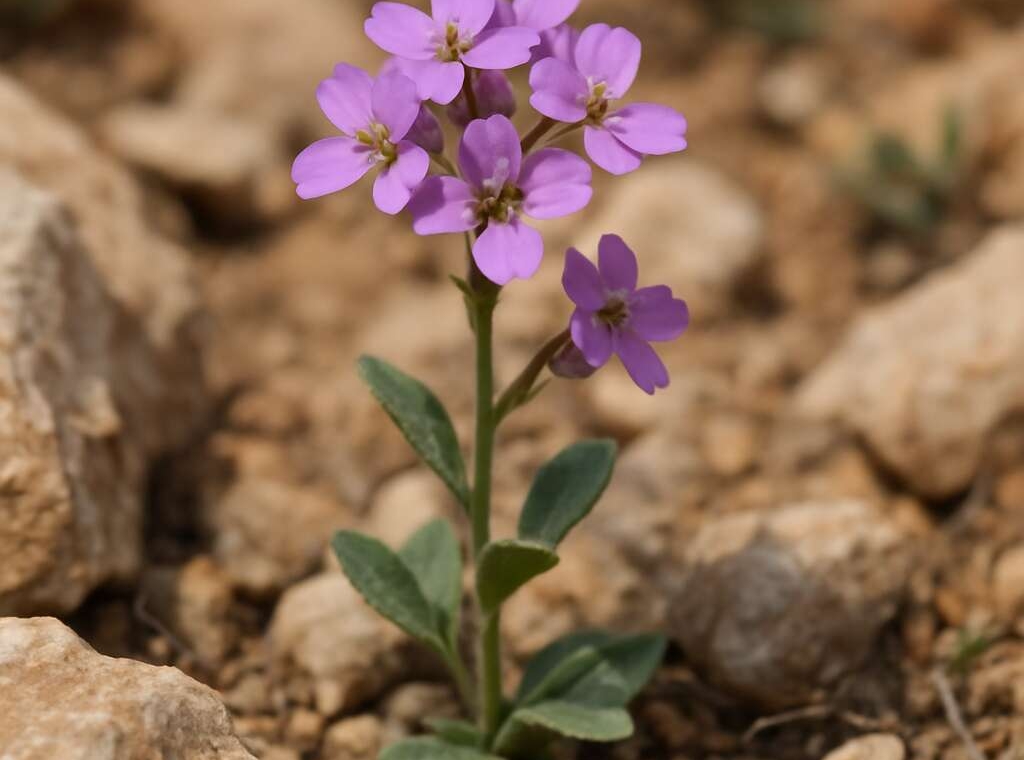





Latest Comments