Introduction to Avocado (Persea americana)
Overview of Avocado – Botanical classification and origin
In the labyrinth of nature’s marvels, few fruits evoke as much fascination and admiration as the avocado. With its buttery texture and rich, nutty flavour, the avocado is undeniably a culinary treasure. Yet, beneath its appealing exterior lies a complex botanical story that stretches back centuries. The avocado, scientifically known as Persea americana, is more than just a superfood; it embodies a remarkable evolutionary journey that has captivated botanists and food lovers alike.
Originating from the central and south American regions, particularly the valleys of Mexico, the avocado’s history is intertwined with ancient cultures that prized its nutritional value. Its botanical classification places it within the Lauraceae family, sharing lineage with camphor and bay laurel trees. This classification hints at its aromatic qualities and resilient nature. Today, Persea americana thrives in diverse climates, from subtropical to tropical zones, adapting with impressive tenacity. Its widespread cultivation underscores its importance—not just as a dietary staple, but as a symbol of sustainability and health consciousness.
Understanding the avocado’s botanical roots and origin reveals a deeper appreciation for its role in human history and natural ecology. The journey of Persea americana is a testament to resilience and adaptation, qualities that resonate profoundly in today’s quest for wholesome, sustainable nourishment.
History and Cultural Significance – Historical cultivation and uses worldwide
Throughout history, the avocado has held a revered place in the culinary and cultural landscapes of Central and South America. From ancient Mesoamerican civilizations to modern gastronomy, Persea americana has evolved from a sacred fruit to a global superfood. Its journey across continents is a testament to its enduring appeal and versatility, captivating palates with its buttery richness and health benefits.
In Mexico, the avocado was considered a divine gift by the Aztecs, often depicted in their art and mythology. Its uses extended beyond the kitchen; the fruit and its seed held medicinal significance, symbolising fertility and sustenance. Today, the popularity of avocado skyrockets worldwide, with countries like the United States, Peru, and Israel becoming major cultivators. Its widespread cultivation speaks to the fruit’s adaptability and the deep-rooted cultural significance it continues to hold across diverse societies.
From traditional guacamole to contemporary smoothie bowls, the avocado’s role in global cuisine is both profound and dynamic. Its history is woven into the rich tapestry of human culture, a testament to the fruit’s resilience and universal appeal. As avocados become a staple in kitchens worldwide, their story remains a vibrant chapter in the ongoing narrative of Persea americana’s cultural significance.
Types and Varieties – Common varieties like Hass, Fuerte, and Bacon
When exploring the world of Avocado (Persea americana), understanding its diverse varieties is essential. Each type offers unique flavours, textures, and uses that reflect the rich genetic tapestry of this remarkable fruit. Among the most famous is the Hass avocado, renowned for its creamy consistency and thick, pebbly skin. Its popularity is no accident; it’s the backbone of global avocado consumption, prized for its versatility and rich taste.
Alongside Hass, the Fuerte variety stands out with its smooth skin and slightly lighter, nutty flavour. It tends to be larger and more elongated, making it a favourite for those seeking a milder, more delicate profile. Meanwhile, Bacon avocado offers a softer, milder taste with a smooth, thin skin, making it an excellent choice for salads and sandwiches. These three varieties exemplify the adaptability and appeal of Persea americana across different culinary contexts.
Within the realm of avocado cultivation, the choice of variety often hinges on climate, harvest season, and intended use. Understanding these distinctions deepens our appreciation for this fruit’s complex character—a testament to nature’s ingenuity and human cultivation mastery. Whether you prefer the buttery richness of Hass or the subtle elegance of Fuerte, each variety contributes to the ongoing narrative of avocado’s global journey.
Nutritional Benefits of Avocado
Rich in Healthy Fats – Monounsaturated fatty acids and omega-3s
In the intricate dance of nutrition, few foods offer the depth of benefit that Avocado (Persea americana) does. Its rich content of healthy fats—particularly monounsaturated fatty acids—serves as a cornerstone for heart health and cellular vitality. These fats are more than just energy sources; they act as silencers of inflammation and protectors of arterial integrity, making every bite a quiet rebellion against modern ailments.
Moreover, the presence of omega-3 fatty acids in Avocado elevates its status from a simple fruit to a nutritional powerhouse. These essential fats are critical for brain function and mood regulation, offering a subtle yet profound influence on our mental landscape. Incorporating Avocado into daily diets not only nourishes the body but also feeds the mind, fostering resilience and clarity in a chaotic world.
To understand its versatility, consider the following benefits of Avocado:
- Rich in monounsaturated fatty acids that support cardiovascular health.
- Contains omega-3s that enhance cognitive function and reduce inflammation.
- Provides a substantial amount of dietary fibre, aiding digestion and satiety.
Essential Nutrients – Vitamins (K, E, C, B-complex), minerals, and fiber
Few fruits surpass the nutritional complexity of avocado (Persea americana). Its vibrant green flesh is not just appealing visually but is also packed with essential nutrients that support overall health. One of its standout features is the wealth of vitamins that play crucial roles in maintaining bodily functions. Vitamin K, for instance, is vital for blood clotting and bone health, while vitamins E and C act as powerful antioxidants, protecting cells from oxidative stress. The B-complex vitamins—such as B6, B9 (folate), and B12—are indispensable for energy production and brain function, ensuring mental clarity and resilience.
Minerals in avocado, including potassium, magnesium, and copper, contribute to heart health, muscle function, and metabolic processes. Its high fibre content is another defining feature, aiding digestion, stabilising blood sugar levels, and fostering satiety. Incorporating avocado (Persea americana) into your diet means embracing a rich source of essential nutrients that nourish both body and mind, all while supporting a balanced, healthful lifestyle.
Health Benefits – Heart health, weight management, and anti-inflammatory properties
The allure of avocado (Persea americana) lies not only in its creamy texture and vibrant hue but also in its profound health benefits. Rich in monounsaturated fats, avocado supports cardiovascular health by helping to lower bad cholesterol levels and promote healthy blood flow. Its anti-inflammatory properties are equally compelling, owing to phytochemicals and antioxidants that combat chronic inflammation, a root cause of many modern ailments.
Incorporating avocado into your diet can also aid weight management. Its high fibre content enhances satiety, reducing overeating and stabilising blood sugar levels. For those seeking to optimise their health, the inclusion of avocado offers a luxurious yet practical way to nourish the body and soothe the mind. With its natural blend of essential nutrients, avocado (Persea americana) stands as a beacon of holistic wellness—truly nature’s edible masterpiece.
Growing and Harvesting Avocado
Ideal Growing Conditions – Climate, soil, and altitude requirements
Growing and harvesting avocado Persea americana demands a nuanced understanding of nature’s delicate balance. These trees thrive best in subtropical and tropical climates, where warmth and consistent sunlight create an ideal environment for fruit development. The temperature should ideally stay between 13°C and 24°C; extremes beyond this range can hinder growth and fruit set.
Soil plays a pivotal role—well-draining, sandy loam rich in organic matter is essential to prevent root rot and promote healthy proliferation. Altitude, too, influences the quality of the harvest; avocados flourish at elevations up to 1,200 metres where cooler night temperatures help concentrate flavours.
- Consistent moisture levels without waterlogging
- Protection from harsh wind and frost
- Optimal soil pH around 6 to 7
Understanding these specific conditions transforms an ordinary planting into a thriving avocado orchard, where the fruit’s rich, buttery texture reflects the harmony of climate, soil, and altitude.
Planting and Care – Propagation methods, watering, and pruning tips
Growing and harvesting avocado Persea americana is both an art and a science. Propagation methods such as grafting and seed planting are common, each offering different advantages for orchard development. Grafting ensures uniformity and quicker fruiting, while seed propagation is simpler but less reliable for consistent harvests.
Watering needs careful attention; avocados require deep, infrequent watering to keep the soil moist but not waterlogged. Consistent moisture levels are crucial, especially during flowering and fruit development. Pruning also plays a vital role—it promotes strong structure, improves airflow, and encourages higher yields. Regularly removing dead or crossing branches helps maintain tree health and optimise fruit quality.
For optimal growth, consider a few essential steps:
- Use well-draining soil to prevent root rot
- Avoid harsh winds and frost by planting in sheltered locations
- Feed the soil with organic matter to sustain nutrient levels
Proper care turns a young avocado tree into a productive, healthy specimen, ensuring a bountiful harvest of rich, buttery fruit.
Harvesting Techniques – Signs of ripeness and best harvest practices
Harvesting avocados, specifically Persea americana, is a delicate art that hinges on recognising subtle signs of ripeness. Unlike many fruits, the avocado’s firmness and colour provide crucial clues. A ripe avocado typically yields slightly under gentle pressure, feeling soft but not mushy. Its skin may darken, especially in varieties like Hass, signalling optimal harvest time. However, patience is essential—premature picking can result in inferior taste and texture.
For the best results, harvesters often use a gentle twisting motion to remove the fruit from the tree, avoiding damage to the branch or fruit. It’s advisable to pick avocados during the cooler part of the day, usually early morning or late afternoon, which helps preserve freshness. Recognising ripeness in Persea americana is not just about appearance; it’s about feeling and timing, ensuring each fruit reaches consumers at its flavour peak. This meticulous approach guarantees a bounty of rich, buttery avocados that exemplify the fruit’s culinary excellence.
Culinary Uses and Recipes
Popular Dishes – Guacamole, salads, smoothies, and spreads
Few culinary ingredients evoke such a harmonious blend of health benefits and indulgence as the versatile avocado, or Persea americana. Its creamy texture and subtle, nutty flavour make it a favourite across a variety of dishes, from traditional to trendsetting. Whether mashed into a silky guacamole or layered atop a crisp salad, avocado lends a luxurious touch that elevates any meal. Its rich, healthy fats not only satisfy the palate but also support heart health and aid in weight management, making it an indispensable component of contemporary cuisine.
For those seeking inspiration, avocado is a culinary chameleon. Popular dishes include:
- Guacamole, where mashed Persea americana is seasoned with lime, onion, and chilli for a zesty dip.
- Fresh salads, adding a buttery texture that complements crisp greens and vibrant vegetables.
- Creamy smoothies, blending avocado with fruits like mango or banana for an indulgent yet nutritious beverage.
- Spreadable delights, such as avocado butter or toast toppings, offering a sophisticated alternative to traditional spreads.
In the realm of gastronomy, the adaptability of avocado continues to inspire innovative recipes, proving that Persea americana is truly a culinary treasure worth exploring. Its subtle richness and healthful properties have cemented its status as a staple ingredient for chefs and home cooks alike, eager to harness its full potential in the kitchen.
Storage and Ripening – Best methods to store and ripen avocados
When it comes to culinary versatility, understanding how to store and ripen avocados is essential for achieving that perfect creamy texture. Avocado Persea americana, with its delicate ripening process, can be a challenge for even seasoned cooks. To maintain freshness and flavour, it’s important to handle this fruit with care. Unripe avocados are firm and lack the characteristic buttery richness that makes them so popular in dishes like guacamole or avocado toast.
Ripe avocados typically yield slightly to gentle pressure, indicating they’re ready to enjoy. To accelerate ripening, place avocados in a paper bag with an apple or banana — the natural ethylene gas speeds up the process. Conversely, if you want to prolong freshness, store ripe avocados in the refrigerator to slow down over-ripening. When cutting into an avocado Persea americana, to prevent browning, sprinkle the exposed flesh with lemon or lime juice and keep it covered with cling film or an airtight container. Proper storage preserves both flavour and nutritional value, ensuring each bite remains luscious and satisfying.
For optimal use, some enthusiasts prefer to peel and slice avocados in advance, then store them in an airtight container in the fridge for up to 24 hours. This way, you can enjoy ready-to-go avocado in salads, smoothies, or spreads without sacrificing quality. Whether you’re preparing a zesty guacamole or a gourmet avocado salad, mastering the art of storing and ripening avocados guarantees perfect results every time!
Creative Recipes – Ideas for incorporating avocado into daily meals
Avocado Persea americana isn’t just a fruit; it’s a culinary chameleon that elevates any dish with its luscious, buttery texture. Its versatility makes it a staple for breakfast, lunch, or dinner. Think beyond the classic guacamole—avocado can transform smoothies, salads, spreads, and even desserts into extraordinary creations. From creamy avocado toast to delicate sushi rolls, the options are as boundless as your imagination.
Incorporating avocado into daily meals is a breeze with a little creativity. For breakfast, mash ripe avocado onto toasted sourdough, sprinkle with sea salt and chilli flakes for a simple yet satisfying start. Or blend it into smoothies for a velvety finish packed with healthy fats and essential nutrients. For a savoury twist, try adding diced avocado to grain bowls or topping grilled chicken with slices of this nourishing fruit. Its subtle flavour pairs well with ingredients like lime, coriander, and chilli, making it an ideal base for vibrant, healthful dishes.
For those eager to get inventive, here are a few creative recipes that showcase the culinary potential of avocado Persea americana:
- Avocado and feta bruschetta with a drizzle of honey
- Stuffed avocado halves filled with shrimp or quinoa salad
- Homemade avocado hummus with a hint of garlic and lemon
Whether you are crafting a gourmet meal or a quick snack, mastering the art of incorporating avocado into your repertoire guarantees a delightful, nutritious experience every time. Its rich, creamy consistency and high nutritional value make avocado Persea americana an indispensable ingredient for health-conscious food enthusiasts and culinary adventurers alike!
Environmental Impact and Sustainability
Environmental Concerns – Water usage, deforestation, and carbon footprint
While the luscious, buttery world of avocado Persea americana has captured foodies worldwide, its environmental footprint is far from idyllic. The lush green fruit, often dubbed ‘nature’s butter,’ comes with a hefty price tag on the planet. Water usage is a primary concern, as avocado orchards require vast quantities of water—sometimes up to 70 litres per fruit—making it a thirsty crop in drought-prone regions.
Furthermore, the increasing global demand for avocados has inadvertently spurred deforestation, especially in Central America, where rainforests are cleared to make way for sprawling plantations. This not only threatens biodiversity but also accelerates climate change by releasing stored carbon into the atmosphere. The carbon footprint of avocado Persea americana is compounded by long-distance transportation, transforming a simple snack into an environmental dilemma.
- Water-intensive cultivation practices
- Deforestation and habitat loss
- High carbon emissions from transport and processing
As avocado enthusiasts, it’s crucial to recognise that our love for this fruit needs to be balanced with environmental responsibility. Sustainable farming practices and mindful consumption can help ensure that future generations can still enjoy the creamy delights of avocado Persea americana without tipping the planetary scales.
Sustainable Practices – Organic farming and sustainable sourcing
In the shadowed realm of culinary delights, few fruits evoke such admiration and concern as the avocado, Persea americana. Its velvety flesh, rich in monounsaturated fats and essential nutrients, masks a darker truth—one entwined with environmental sacrifice. As demand soars, the lush green treasure often demands an exorbitant toll on our planet’s fragile tapestry.
Sustainable practices offer a glimmer of hope amidst this ecological labyrinth. Organic farming, with its reverence for the land, minimises chemical intrusion and preserves biodiversity. Sourcing avocados responsibly—seeking out certified sustainable growers—can significantly reduce the environmental footprint of this beloved fruit. Implementing eco-conscious methods not only safeguards water resources but also curtails deforestation that looms over regions like Central America.
- Adopting water-efficient irrigation systems
- Supporting farms that employ shade-grown cultivation
- Prioritising local and seasonal avocados to limit transportation emissions
By championing these sustainable avenues, we can indulge in the creamy decadence of Persea americana without surrendering to ecological ruin. The path towards an environmentally responsible avocado future is paved with mindful choices—each bite a testament to our respect for the earth’s enduring beauty.
Supporting Eco-Friendly Avocado Production – How consumers can make informed choices
The lush allure of the avocado, Persea americana, masks a shadowy toll on our fragile planet. As global demand spirals, the environmental impact becomes impossible to ignore. Unsustainable practices—marked by water-intensive cultivation and rampant deforestation—threaten vital ecosystems. Yet, amidst this darkness, a flicker of hope persists through eco-conscious choices.
Consumers wield power in shaping the future of avocado production. By supporting certified sustainable growers and prioritising organic farming, we can reduce chemical intrusion and preserve biodiversity. Choosing avocados cultivated with water-efficient irrigation systems and shade-grown methods not only safeguards water resources but also diminishes the carbon footprint associated with transportation and land clearing.
Informed decisions, such as selecting local and seasonal avocados, serve as silent acts of rebellion against ecological ruin. Each mindful purchase becomes a testament to respect for the earth’s enduring beauty, transforming our craving for creamy Persea americana into a pledge for a more sustainable tomorrow.

 by
by 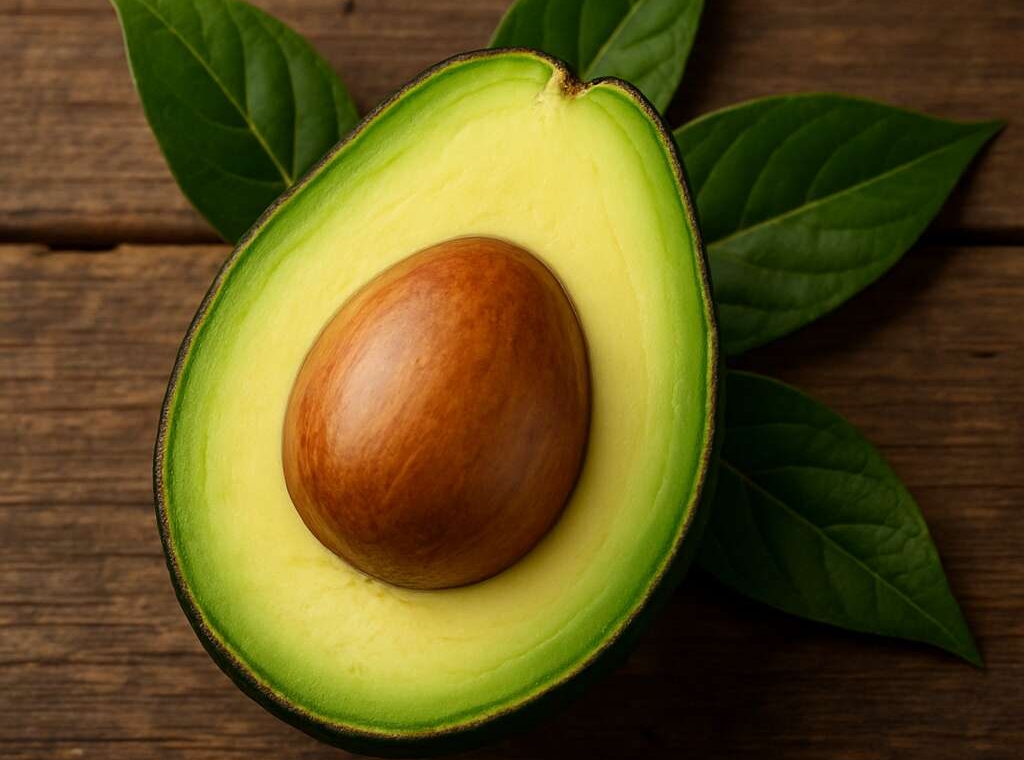





Latest Comments