Overview of Colchicum troodi
Definition and Classification – Understanding the botanical classification of Colchicum troodi
Within the mystical landscapes of Cyprus, where ancient legends whisper through the wind, Colchicum troodi emerges as a botanical marvel—an ephemeral bloom cloaked in secrecy and splendour. Its delicate petals, often mistaken for autumnal crocuses, conceal a rich heritage rooted deep in the region’s unique flora. Recognised taxonomically as a member of the Colchicaceae family, this captivating plant commands respect among botanists and nature enthusiasts alike.
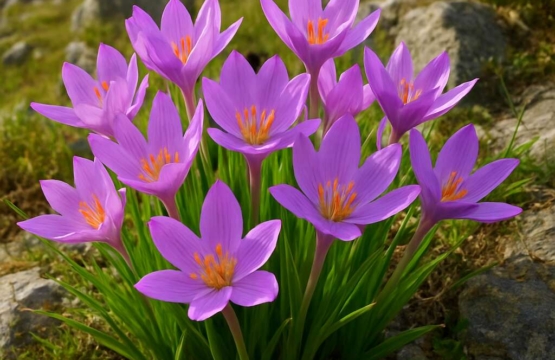
Understanding the botanical classification of Colchicum troodi is essential to appreciating its ecological niche. It belongs to the genus Colchicum, renowned for its striking, yet fleeting, blossoms that herald the changing seasons. This particular species, endemic to the Troodos mountains, is distinguished by its robust bulbous structure and vibrant, lavender-hued flowers that appear in late autumn. Its classification can be summarized as follows:
- Kingdom: Plantae
- Order: Liliales
- Family: Colchicaceae
- Genus: Colchicum
- Species: Colchicum troodi
Such precise classification underscores its rarity and botanical significance, making Colchicum troodi a true emblem of Cyprus’s diverse natural heritage. Its mythic allure and scientific intrigue continue to inspire those fortunate enough to witness its fleeting bloom in the mountains — a reminder of nature’s transient, yet eternal, beauty.
Native Habitat and Distribution – Where Colchicum troodi naturally grows in Cyprus
Amidst the shadowed heights of Cyprus’s Troodos mountains, where the air is thick with ancient secrets, Colchicum troodi finds its elusive sanctuary. This rare botanical jewel thrives in the cool, rocky crags and moss-laden slopes, hidden from the bustling world below. Its natural habitat is a testament to resilience, flourishing where few dare to venture and where the whisper of the wind carries stories of bygone eras.
The mountain landscape provides an ideal environment for Colchicum troodi to bloom fleetingly, usually in late autumn, cloaked in a delicate lavendar hue that seems almost otherworldly. Its distribution is limited, confined primarily to the higher altitudes of the Troodos massif, where the volcanic soil and temperate climate create perfect conditions for this ephemeral marvel to survive.
Within this restricted range, the plant’s presence is often marked by small clusters that seem to emerge from the earth like ghostly apparitions. For those with a keen eye and a sense of wonder, spotting Colchicum troodi in its native habitat becomes a rare, almost sacred encounter. Its clandestine distribution underscores its rarity and the fragile beauty that persists in Cyprus’s rugged landscape.
Distinctive Features – Key physical characteristics of Colchicum troodi
Visually, Colchicum troodi is a marvel of nature’s subtle artistry. Its most distinctive feature is the elegant, goblet-shaped flower that emerges just before the leaves appear, creating a fleeting yet captivating spectacle. The delicate lavendar petals, often tinged with hints of pink or purple, seem to shimmer against the rugged, volcanic landscape of Cyprus’s Troodos mountains. This ephemeral bloom is a testament to the plant’s resilience and grace, thriving in rocky crevices and moss-laden slopes where few others dare to flourish.
One cannot overlook the unique physical characteristics that set Colchicum troodi apart. Its leaves are broad, strap-shaped, and emerge after the flowers fade, forming a striking contrast to the early, ephemeral blossoms. The plant’s bulbous root system anchors it firmly in the rocky terrain, enabling it to survive in the harsh mountain climate.
- The flowers typically bloom in late autumn, often cloaked in a gentle, lavender hue.
- The plant’s stature is modest—generally reaching a height of 10-15 cm—yet it commands attention through its delicate beauty.
In the quiet of Cyprus’s rugged landscape, Colchicum troodi’s physical features evoke a sense of wonder and reverence. Its ephemeral nature, combined with the subtle elegance of its blossoms, makes it a rare botanical jewel—one that embodies resilience, fleeting beauty, and the silent stories whispered by the mountain breeze.
Habitat and Growing Conditions
Physical Environment – Soil type, elevation, and climate preferences
In the rugged beauty of Cyprus’s mountainous terrain, Colchicum troodi finds a home that seems almost bespoke—where the soil whispers promises of resilience and subtle sophistication. This plant thrives in well-draining, rocky soils that mimic its natural environment, often thriving in limestone-rich substrates that challenge less hardy flora. Its preference for higher elevations—typically between 1,200 and 1,800 metres—means it enjoys cooler, alpine microclimates that shield it from the relentless heat of lower altitudes.
Colchicum troodi exhibits a remarkable adaptability to the physical environment, yet it remains particular about its climate. It favours a Mediterranean climate characterised by mild, wet winters and dry, warm summers, allowing its delicate bulb to go dormant during the summer months without fuss. For those tempted to cultivate this botanical marvel, understanding its soil type and climate preferences is crucial. It’s a reminder that, even in the world of wildflowers, a touch of environmental finesse can turn a humble patch of earth into a thriving sanctuary for this enchanting species.
Growing Season – When Colchicum troodi blooms and fruiting periods
As the sun begins to wane in the highlands of Cyprus, a silent spectacle unfolds—an ephemeral bloom that captures the fleeting essence of alpine resilience: Colchicum troodi. This species, nestled amidst the rugged terrain, exhibits a remarkably precise growing season that reflects its adaptation to the harsh yet beautiful environment it inhabits. Typically, the flowering period of Colchicum troodi occurs in late autumn, often from October to November, when the cooling temperatures and increased moisture trigger its delicate display.
During this time, the plant produces a stunning array of blooms that emerge almost overnight, transforming rocky slopes into vibrant tapestries of colour. The fruiting period follows shortly after, as seed capsules mature and release their treasures to the wind—dispersing the genetic legacy of this hardy species across its native habitat. The brief but spectacular flowering phase emphasizes the plant’s specialised niche, thriving in conditions that challenge more delicate flora.
Growing conditions for Colchicum troodi are notably restrictive yet finely tuned. Its natural habitat favours well-drained, limestone-rich soils that resist waterlogging, supporting its dormant bulb through the long, dry summer months. The elevation—ranging between 1,200 and 1,800 metres—imparts a microclimate that ensures cooler summers and frost-free winters, essential for its survival. The plant’s lifecycle is attuned to the Mediterranean climate, thriving in the seasonal rhythm of wet winters and arid summers.
- Late autumn is the prime flowering window, often between October and November.
- The plant produces striking flowers before fruiting, which occurs shortly after.
- The seed capsules release their progeny by late winter, completing its cyclical journey.
In cultivating Colchicum troodi beyond its native mountains, understanding these nuanced growing conditions becomes paramount. Its ephemeral nature and environmental specificity make it a botanical marvel—an exquisite reminder of nature’s capacity for adaptation and resilience amidst rugged terrain and seasonal extremes.
Cultivation Tips – Guidelines for cultivating Colchicum troodi in gardens
Creating a sanctuary for Colchicum troodi in the garden demands an appreciation of its delicate yet hardy nature. This species thrives in microclimates that mimic its native mountainous habitat, where limestone-rich, well-drained soils dominate. The plant’s resilience is rooted in its ability to withstand the extremes of high-altitude environments, making it a captivating addition to rock gardens and alpine settings. Its preference for cooler, frost-free winters and dry summers means careful consideration of site selection is essential.
To cultivate Colchicum troodi successfully, choose a location with excellent drainage to prevent bulb rot and ensure the soil remains slightly alkaline. Elevation plays a pivotal role—ideally between 1,200 and 1,800 metres—where the plant can enjoy the seasonal coolness it craves. Light exposure is equally important; full sun or partial shade allows the plant to produce its signature blooms with vivid splendour. For those seeking to coax this ephemeral beauty into flowering, understanding its environmental nuances is the key to unlocking its potential.
Botanical and Ecological Significance
Role in Ecosystem – Importance for local fauna and biodiversity
In the shadowed realms of Cyprus’ mountainous wilderness, Colchicum troodi emerges as a botanical marvel, weaving its delicate presence into the intricate tapestry of local ecosystems. This resilient species, often called the “Autumn Crocus,” plays a vital role in maintaining the delicate balance of biodiversity within its native habitat. Its fleeting blooms signal the changing seasons, acting as a vital resource for various fauna that rely on its nectar and pollen.
Wild bees and early pollinators are particularly drawn to Colchicum troodi during its brief flowering period, fostering essential pollination processes that underpin local plant diversity. Additionally, the plant’s underground corms serve as a vital food source for certain insects and small mammals, contributing to the complex food web. The presence of Colchicum troodi also promotes habitat stability, offering shelter and microhabitats that support a broad spectrum of flora and fauna, thus reinforcing the ecological integrity of the region.
Pollination and Reproduction – Pollinators attracted and reproduction cycle
In the fleeting window of its bloom, Colchicum troodi demonstrates an intriguing reproductive strategy that captivates botanists and ecologists alike. During its brief flowering period, this autumn crocus attracts a variety of pollinators, ensuring the continuation of its delicate lineage amidst Cyprus’ rugged terrain. The plant’s nectar-rich flowers serve as a siren call to early pollinators, primarily wild bees and solitary insects, which play a crucial role in transferring pollen and facilitating cross-pollination.
Its reproductive cycle is finely tuned to the seasonal rhythms of its native habitat. As the weather cools, Colchicum troodi’s underground corms store nutrients, preparing it for the next flowering phase. Interestingly, the plant’s pollination process is optimised by its striking physical features—such as its vibrant petals and distinctive markings—designed to attract specific pollinators.
- This targeted pollination enhances genetic diversity, vital for resilience in a mountain ecosystem.
Reproduction doesn’t end with pollination. After flowering, Colchicum troodi produces seed capsules that mature quickly, dispersing seeds across the rocky outcrops and mossy slopes of Cyprus. This cycle, from bloom to seed dispersal, underscores the plant’s vital role in maintaining the ecological tapestry of its environment, showcasing its impressive botanical and ecological significance.
Conservation Status – Current conservation efforts and threats
Amidst Cyprus’ rugged, rocky landscapes, the delicate yet resilient Colchicum troodi stands as a botanical emblem of natural resistance and ecological importance. Despite its fleeting bloom—often just a few weeks—this autumn crocus plays a pivotal role in maintaining the fragile balance of its mountain habitat. Its current conservation status isn’t just a matter of botanical interest but a reflection of broader environmental concerns, as habitat destruction and overgrazing threaten its survival.
Efforts to preserve Colchicum troodi are gaining momentum, with local conservation programmes focused on habitat protection and raising awareness among the island’s communities. The plant’s specialised niche makes it particularly vulnerable to environmental changes—any disruption to the rocky slopes or mossy outcrops it calls home could spell disaster. Consequently, it is officially listed as an indicator species for the health of Cyprus’ mountainous ecosystems.
Threats such as illegal collection, land development, and climate change loom large. As temperatures rise and rainfall patterns shift, the delicate microclimates that sustain Colchicum troodi are under threat. To counter these challenges, conservationists advocate for stricter regulations and the establishment of protected areas. The plant’s survival hinges on our collective ability to balance ecological preservation with the pressures of modern development, ensuring that future generations can marvel at this striking symbol of Cyprus’ natural heritage.
Uses and Cultural Importance
Medicinal Uses – Traditional and modern medicinal applications
The delicate beauty of Colchicum troodi has long captivated those who appreciate nature’s subtle wonders. Beyond its visual allure, this plant holds significant cultural and medicinal value, particularly within the local communities of Cyprus. Traditionally, Colchicum troodi was regarded as a potent remedy for various ailments, a testament to the deep-rooted knowledge passed down through generations.
In modern herbal medicine, extracts from Colchicum troodi are studied for their potential to treat conditions such as gout and certain inflammatory diseases. However, caution is essential, as the plant contains potent alkaloids that can be toxic if misused. Historically, the local inhabitants used parts of the plant to prepare remedies that alleviated pain and swelling, reflecting a profound respect for its medicinal properties.
Despite its health benefits, the utilisation of Colchicum troodi in medicine must be approached with care. Its cultural importance continues to be celebrated in Cyprus, where it symbolises resilience and a deep connection to the land.
Cultural Significance – Folklore and local traditions associated with the plant
In the shadowed corners of Cyprus, where the land whispers secrets in the wind, Colchicum troodi holds a place of reverence rooted in centuries of folklore. This delicate yet resilient bloom is more than a fleeting spectacle of nature’s artistry; it is woven into the very fabric of local traditions, embodying resilience and mystique. For generations, villagers have regarded Colchicum troodi as a symbol of endurance, its fleeting bloom a metaphor for life’s ephemeral beauty and the enduring spirit of the land.
Legend tells of the plant’s role in ancient rites, believed to possess protective qualities against malevolent spirits. Its presence in local customs often accompanied seasonal festivals, where its subtle beauty was celebrated as a sign of renewal. The plant’s unique appearance, with its goblet-shaped flowers emerging from the earth’s dark embrace, has inspired countless stories and songs, cementing its status as a cultural icon in Cypriot heritage.
Today, the mystique of Colchicum troodi continues to enchant those who seek a connection to the land’s ancient soul. Its significance extends beyond aesthetics; it remains a potent emblem of resilience, echoing the enduring spirit of Cyprus itself. Whether woven into local folklore or celebrated in tradition, Colchicum troodi’s cultural importance endures, a testament to nature’s silent but powerful dialogue with human history.
Landscape and Horticulture – Use in gardening and landscape design
In the realm of landscape design, Colchicum troodi stands out as a striking choice for adding a touch of natural elegance. Its delicate, goblet-shaped flowers emerge suddenly from the earth, creating a captivating display in early autumn. Gardeners and landscape architects appreciate its resilience and low-maintenance nature, making it an ideal addition to rock gardens, naturalised borders, and shaded woodland areas.
Because of its adaptability, Colchicum troodi can thrive in various soil types and elevations, particularly in regions with a Mediterranean climate. Its ability to bloom just as the season turns signifies its role in seasonal landscaping schemes, offering colour when most other plants have faded. Many appreciate its capacity to naturalise over time, providing long-term visual interest without requiring extensive care.
In the broader context of horticulture, this plant’s unique appearance and hardiness make it a popular choice for creating resilient, eco-friendly gardens. Its presence not only enhances aesthetic appeal but also supports local biodiversity by attracting pollinators such as bees and butterflies. For those cultivating native plants, Colchicum troodi’s integration into landscape design underscores a commitment to preserving Cyprus’s natural heritage and promoting sustainable gardening practices.
Care and Maintenance
Plant Care – Watering, pruning, and fertilizing tips
For those enchanted by the delicate beauty of Colchicum troodi, understanding its care and maintenance is essential to preserving its ethereal charm. This resilient plant, originating from the mountainous terrains of Cyprus, requires a nuanced approach to watering, pruning, and fertilising. When it comes to watering, striking a balance is key—allow the soil to dry slightly between watering sessions to prevent bulb rot while ensuring the plant remains hydrated during its active growth period. Overwatering, especially during dormancy, can be detrimental, so patience and moderation are vital.
Pruning should be minimal but purposeful. Once the flowering has faded and the foliage begins to yellow naturally, gently remove the spent stems to encourage healthy growth and prevent disease. Fertilising with a balanced, phosphorus-rich fertiliser in early spring can invigorate the bulbs, promoting vibrant blooms year after year. For optimal growth, consider adding organic matter to the soil, enriching it with essential nutrients that support the delicate roots of Colchicum troodi.
- Water moderately during the growing season, reducing during dormancy.
- Prune after flowering, removing old foliage to prevent disease.
- Apply fertiliser in early spring to boost flowering potential.
Pest and Disease Management – Common issues and prevention strategies
While the ethereal beauty of Colchicum troodi captivates many, its delicate nature demands vigilant pest and disease management. Fungal infections, often resulting from overly damp conditions, can swiftly compromise the health of this resilient plant. Prevention hinges on proper watering practices—allowing the soil to dry out between sessions—and ensuring good air circulation around the bulbs.
In addition to fungal issues, snails and slugs can pose a threat, especially during the wetter months. Regular inspection and the use of natural deterrents can significantly reduce their impact. For those seeking a more systematic approach, organic slug pellets and barrier methods are recommended.
- Maintain balanced watering to prevent rot and fungal growth.
- Remove any yellowing foliage promptly to reduce disease vectors.
- Inspect regularly for pests like snails, slugs, and aphids.
- Apply natural pest deterrents early to prevent infestations from spreading.
Understanding the subtle signs of disease and pest intrusion is essential in preserving the enigmatic elegance of Colchicum troodi. With careful prevention and early intervention, this plant can continue to enchant with its fleeting bloom, standing as a testament to nature’s resilient artistry.
Propagation Methods – Dividing bulbs, seed planting, and other techniques
Propagating Colchicum troodi can be a rewarding process that extends its fleeting beauty across your garden. Dividing mature bulbs is one of the simplest methods, allowing you to increase your stock while revitalising existing plants. The best time for division is after the plant has finished flowering and the foliage begins to yellow, typically in late summer or early autumn.
Alternatively, seed planting offers a slow but natural route to propagation. Collect seeds when the seed capsules mature, generally in late summer. Sow them in well-drained soil, lightly covering with grit or sand. Patience is key—seedlings may take several years to bloom, but this method preserves the genetic diversity of Colchicum troodi.
For gardeners seeking quick results, bulb propagation techniques are often preferred. You can also propagate by offsets, which form around the main bulb over time. These small bulbs can be carefully separated and replanted at the same depth to establish new plants. Ensuring proper soil conditions and avoiding overwatering encourages healthy root development and robust growth for your Colchicum troodi.

 by
by 



Latest Comments