Overview of Cyprus Bee Orchid Ophrys kotschyi
Introduction to Ophrys kotschyi – Description and unique characteristics of the species
Few orchids evoke such fascination as the Cyprus Bee Orchid Ophrys kotschyi. Known for its striking resemblance to a bee, this species showcases a remarkable adaptation that seduces pollinators through visual mimicry. These orchids are distinguished by their velvety, deep purple or brown flowers with a lip that mimics the appearance of a bee’s abdomen, attracting pollinators in a unique symbiotic dance.
The Cyprus Bee Orchid Ophrys kotschyi is a species that thrives in specific habitats across Cyprus, often found in rocky, well-drained areas with sparse vegetation. Its distinct physical characteristics include a flower structure that not only captures attention but also aids in its survival by enhancing pollination success. The orchid’s ability to imitate insects is a brilliant evolutionary trait, setting it apart from other common orchids found in the region.
- Distinctive bee-like appearance
- Velvety, deep purple or brown petals
- Unique pollination strategy
What makes the Cyprus Bee Orchid Ophrys kotschyi particularly fascinating is its adaptation to the local environment. Its survival depends on a delicate balance of habitat conditions, making it a unique and treasured species in Cyprus’s native flora. Its rarity and intricate beauty make it a symbol of the island’s rich biodiversity and ecological importance.
Taxonomy and Classification – Scientific classification within the Orchidaceae family
The taxonomy of the Cyprus Bee Orchid Ophrys kotschyi places it within the illustrious family of Orchidaceae, a lineage renowned for its mysterious allure and botanical complexity. This species, with its delicate yet haunting presence, belongs to the genus Ophrys—a genus that embodies evolutionary artistry through insect mimicry. Ophrys kotschyi is distinguished by its physical traits rooted in an ancient dance of survival, where appearance and purpose intertwine with breathtaking precision.
Within the formal hierarchical structure, the classification proceeds as follows:
- Kingdom: Plantae
- Clade: Angiosperms
- Order: Asparagales
- Family: Orchidaceae
- Genus: Ophrys
- Species: Ophrys kotschyi
This detailed taxonomy reveals the orchid’s kinship with other Ophrys species, all sharing a penchant for mimicry and environmental adaptation. The Cyprus Bee Orchid Ophrys kotschyi occupies a delicate niche, its classification a testament to the subtle intricacies that define Cyprus’s endemic flora. Its genus, Ophrys, is a constellation of orchids where each species whispers a story of evolutionary ingenuity—making this particular species not just a botanical specimen, but a poetic enigma rooted deep in the Cypriot landscape.
Distribution and Habitat – Specific regions within Cyprus and preferred environments
Amid the rugged and sun-drenched landscapes of Cyprus, the Cyprus Bee Orchid Ophrys kotschyi occupies a rare and poetic space, echoing nature’s clandestine artistry. Its distribution is predominantly confined to the island’s limestone and clay slopes, where the interplay of light and shadow creates the ideal environment for this elusive species to thrive. The orchid’s preferred habitat often includes rocky outcrops and scrubland, thriving under the canopy of Mediterranean oaks and low shrubbery, where it weaves itself into the very fabric of Cyprus’s endemic flora.
The Cyprus Bee Orchid Ophrys kotschyi exhibits a tendency towards specific regional clusters. Notable locations include the Karpas Peninsula, where the wild and pristine terrain fosters its delicate existence, and the Troodos Mountains, where altitude and soil composition create the nuanced conditions it demands. It’s fascinating to consider how this orchid’s survival hinges on such exacting environmental parameters, revealing the fragile balance that sustains endemic species within Cyprus’s diverse landscapes.
- Limassol District, with its rocky terraces and sunlit slopes.
- Paphos Region, where the orchid can often be found in limestone quarries and disturbed areas.
- Kyrenia mountains, offering sheltered microhabitats amidst rugged terrain.
In the quiet corners of Cyprus’s wild terrain, the Cyprus Bee Orchid Ophrys kotschyi embodies an exquisite symbiosis with its environment, a living reminder that true beauty often resides in the most delicate niches. Its restricted distribution underscores the importance of conserving these habitats, ensuring that this botanical enigma continues to enchant future generations with its intricate existence.
Botanical Features and Identification
Physical Description – Details of flower shape, size, and coloration
The Cyprus Bee Orchid Ophrys kotschyi captivates the observer with its remarkable botanical features, standing as a vivid testament to nature’s artistry. Its slender, branching stems often reach heights of up to 30 centimeters, crowned with a bouquet of lip-shaped flowers that seem to mimic the very essence of a buzzing bee. The intricate flower shape of Ophrys kotschyi is a marvel—each blossom meticulously designed to resemble a social insect, inviting pollinators with a seductive illusion.
Coloration plays a pivotal role in the orchid’s allure, with petals displaying an enchanting palette of browns, yellows, and deep maroons. The flower’s lip, or labellum, stands out with a fuzzy, textured surface that echoes the tactile feel of a bee’s thorax, completing its mimicry. This orchid’s physical description underscores its uniqueness in Cyprus, as its flower shape and size set it apart from other orchids, making Ophrys kotschyi a cherished treasure among native flora.
- The flower shape is a delicate yet dramatic imitation of a bee, an adaptation that ensures pollination success in its natural habitat.
- Typical size ranges from 15 to 25 millimeters, with flowers clustered along the slender stems creating an elegant display.
- The coloration and textured patterns serve not only as visual lures but as a testament to the orchid’s evolutionary sophistication.
In the wild, Ophrys kotschyi’s physical details are a symphony of form and function, visually captivating while playing a critical role in its pollination strategy. To encounter the Cyprus Bee Orchid Ophrys kotschyi is to witness an exquisite fusion of natural sculpture and biological cunning—a true icon of Cyprus’s floral heritage.
Distinctive Markings – Key visual traits that differentiate it from related orchids
The Cyprus Bee Orchid Ophrys kotschyi stands out among native Cyprus orchids for its distinctive markings that serve as visual cues for pollinators. Its petals and sepals form a compact, tubular shape that resembles a buzzing bee, which is central to its pollination strategy. This orchid’s appearance is a telling feature, with a mix of browns, yellows, and maroons creating a mottled effect that mimics the fuzzy thorax and abdomen of a real bee.
One of the most defining features of the Cyprus Bee Orchid Ophrys kotschyi is its lip, or labellum, which displays a fuzzy, textured surface—an adaptation that enhances its mimicry. The flower also features a pair of lateral petals that are often narrower and pointed, adding to the illusion of an insect’s form. To identify Ophrys kotschyi accurately, look for its small size, typically 15 to 25 millimeters, and the clustered arrangement along slender stems.
- Color palette of browns, yellows, and deep maroons
- Fuzzy, tactile labellum design
- Compact, bee-like flower shape
These features not only distinguish the Cyprus Bee Orchid Ophrys kotschyi from related orchids but also highlight the plant’s remarkable evolutionary adaptation. Its precise markings and form contribute to successful pollination, making it a true icon of Cyprus’s floral diversity and an intriguing subject for botanists and nature enthusiasts alike.
Growth Cycle and Blooming Period – Seasonal visibility and flowering times in Cyprus
As spring breathes new life into the hills of Cyprus, a delicate yet captivating spectacle unfolds—an orchid that embodies both beauty and the artistry of evolution. The Cyprus Bee Orchid Ophrys kotschyi graces the landscape with a subtle charm, its presence a testament to nature’s intricate design. With its fleeting period of visibility, this orchid becomes a sought-after marvel for botanists and nature lovers alike. Observing the Cyprus Bee Orchid Ophrys kotschyi at its peak offers a glimpse into a botanical wonder that has quietly adapted over millennia.
The growth cycle of the Cyprus Bee Orchid Ophrys kotschyi is finely tuned to its environment. Typically, it begins to emerge in late winter, with flowering occurring from February to April. During these months, the orchid’s compact, bee-like flowers open in clustered groups along slender stems, captivating onlookers with their mottled brown, yellow, and maroon hues. This timing not only optimizes pollination but also aligns perfectly with the activity patterns of its primary pollinators—local bee species enthusiastic about the orchid’s mimetic design.
- The orchid’s flower shape and size, generally 15 to 25 millimeters, make it a delicate yet distinctive feature on Cyprus’s rocky hillsides.
- The fuzzy, textured labellum plays a crucial role in its mimicry, enticing pollinators to mistake the flower for a bee in flight.
- Once the flowering period concludes, the plant enters a resting phase, conserving energy until the next cycle begins with the arrival of new growth in late winter.
Viewing the Cyprus Bee Orchid Ophrys kotschyi during its seasonal bloom is a moment of ephemeral beauty—an experience that highlights the delicate balance of Cyprus’s floral diversity. The plant’s brief appearance accentuates the importance of preserving such species, which are as much a symbol of the island’s natural heritage as they are a marvel of botanical adaptation and evolution.
Ecological Significance and Conservation
Role in Local Ecosystems – Interactions with pollinators and surrounding flora
The Cyprus Bee Orchid Ophrys kotschyi occupies a fascinating niche within the delicate tapestry of local biodiversity. Its ecological significance extends beyond its striking appearance, acting as a subtle yet vital mediator in pollination networks. This orchid’s intricate interactions with pollinators, primarily solitary bees and other native insects, facilitate cross-pollination that sustains not only its own population but also the surrounding flora. Such relationships exemplify a finely tuned co-evolutionary dance; the orchid’s flower mimics the appearance and scent of its pollinators’ favored cues, ensuring effective pollination.
Ophrys kotschyi’s role in the local ecosystem underscores its importance as a bioindicator—a species whose presence reflects the health of its environment. Its dependence on specific pollinators means that declines in pollinator populations directly threaten its survival, thus serving as an ecological warning sign. Protecting the Cyprus Bee Orchid Ophrys kotschyi and its habitat is a shared responsibility, integral to maintaining the complex web of interactions that underpin Cyprus’s unique natural heritage. When thriving, it also encourages diversity among surrounding flora, fostering a resilient and balanced ecosystem.
Threats and Challenges – Factors like habitat loss, invasive species, and climate change
The survival of the Cyprus Bee Orchid Ophrys kotschyi is more than a botanical curiosity—it is a barometer of environmental health. As a rare and specialized species, this orchid’s well-being is directly intertwined with the stability of its habitat and pollinator populations. The Orchid’s dependency on specific solitary bees and native insects elevates its role in maintaining the delicate balance of pollination networks in Cyprus. Its presence mirrors the broader vibrancy and resilience of the local ecosystem, acting as a messenger for ecological integrity.
Yet, this fragile harmony faces mounting threats. Habitat loss driven by urban expansion, agricultural development, and land mismanagement continually diminishes the available space for Ophrys kotschyi to thrive. Invasive species, competing for limited resources, further displace native flora and disrupt pollination processes vital to the orchid’s life cycle. Climate change compounds these challenges, altering temperature and rainfall patterns that are critical during its blooming period.
- Loss of habitat due to construction and agricultural projects
- Spread of invasive plant and animal species
- Adverse effects of climate change on flowering times and pollinator activity
These factors not only threaten the physical existence of Cyprus Bee Orchid Ophrys kotschyi but also threaten the intricate web of relationships that sustain its ecosystem. Protecting this species requires ongoing conservation efforts, habitat restoration, and public awareness, ensuring that this unique orchid remains a symbol of Cyprus’s rich natural heritage amidst a rapidly changing world. The delicate beauty of Ophrys kotschyi embodies the broader narrative of biodiversity preservation—an urgent reminder of the interconnectedness vital to our planet’s health.
Conservation Efforts in Cyprus – Protected areas, preservation programs, and research initiatives
The survival of the Cyprus Bee Orchid Ophrys kotschyi holds more than botanical importance; it is a testament to the health of Cyprus’s natural environment. This distinctive orchid, with its striking resemblance to a buzzing bee, plays a vital role in local pollination networks. Protecting Ophrys kotschyi isn’t just about preserving a rare flower—it’s about maintaining the balance that sustains native insects, birds, and other flora.
Efforts to conserve the Cyprus Bee Orchid Ophrys kotschyi have led to the establishment of protected areas across Cyprus. These areas serve as sanctuaries where habitat restoration and strict regulation of land use help prevent further loss. Preservation programs specifically target the orchid’s habitat, ensuring that human activities do not encroach upon these fragile environments. Support from local communities and environmental groups amplifies these efforts, emphasizing the importance of biodiversity in the island’s ecosystem.
- Research initiatives focus on understanding the pollination ecology of Ophrys kotschyi, with specialists tracking its interactions with solitary bees and native insects.
- Monitoring projects keep tabs on flowering times to observe how climate change impacts its blooming cycle and overall health.
These combined conservation actions aim to safeguard the Cyprus Bee Orchid Ophrys kotschyi for future generations. Protecting this species underscores a broader commitment to the preservation of Cyprus’s unique natural heritage, ensuring that this remarkable orchid continues to symbolize resilience and ecological integrity amidst expanding developmental pressures.
Tips for Watching and Photographing Ophrys kotschyi in Cyprus
Best Locations and Seasons for Observation – Recommended spots and optimal times for viewing
Witnessing the delicate bloom of the Cyprus Bee Orchid Ophrys kotschyi is an experience that combines natural beauty with a moment of quiet reflection. For avid botanists and nature enthusiasts alike, the optimal time to observe this captivating species spans from late February to early April, when the orchid’s intricate flowers are in full display. During these months, The orchid’s fascinating flower shape and distinctive markings truly shine under the Cyprus sun, revealing its bee-like allure.
Some of the best locations to watch and photograph the Cyprus Bee Orchid Ophrys kotschyi include the lowland meadows near Paphos and the textured slopes of Troodos. Early morning or late afternoon light enhances the orchid’s vivid coloration and intricate structure, offering ideal conditions for photography. To increase your chances of a successful sighting, seek out areas with well-preserved habitat and minimal disturbance, as these environments support the orchid’s growth cycle and contribute to the health of Cyprus’ unique flora.
Guidelines for Responsible Nature Observation – Minimizing disturbance and respecting natural habitats
Witnessing the Cyprus Bee Orchid Ophrys kotschyi in its natural habitat is a truly enchanting experience—one that sparks a sense of wonder for the delicate balance of Cyprus’s unique flora. When observing the Cyprus Bee Orchid Ophrys kotschyi, it’s vital to approach with respect and mindfulness, ensuring that these extraordinary flowers remain undisturbed for future generations to marvel at. The magic of this species lies in its intricate flower shape and bee-like markings, which attract pollinators while blending seamlessly into the surrounding environment.
To preserve the beauty and integrity of the Cyprus Bee Orchid Ophrys kotschyi, follow responsible nature observation guidelines. Keep a respectful distance to avoid causing trampling or damage to the fragile orchids or their habitat. Use a quiet, slow approach—disturbance caused by loud noise or rapid movement can deter pollinators and hinder the orchid’s growth cycle. If photographing the Cyprus Bee Orchid Ophrys kotschyi, aim to capture its stunning details during the golden hours of early morning or late afternoon when the natural light best highlights its vivid coloration and delicate features.
For those keen to enhance their viewing experience, consider the following steps:
- Use a macro lens or binoculars to appreciate the orchid’s intricate markings up close.
- Avoid walking through dense patches; instead, stick to established paths to minimize habitat disruption.
- Observe from a distance that allows you to enjoy the orchid without encroaching on its space.
Admiring the Cyprus Bee Orchid Ophrys kotschyi with a sense of mindfulness not only enriches the experience but also supports conservation efforts for this rare bloom. Respecting its habitat ensures that the enchanting sight of these flowers continues to captivate admirers and supports local biodiversity for years to come. Watching with care allows us to preserve the magic and mystery of Cyprus’s cherished botanical treasures, turning every encounter into a moment of true ecological harmony.
Photography Advice – Techniques for capturing the orchid’s beauty and details
Capturing the Ethereal Beauty of Cyprus Bee Orchid Ophrys kotschyi
In the whispering landscapes of Cyprus, where nature breathes in rhythmic harmony, the Cyprus Bee Orchid Ophrys kotschyi stands as a living marvel. Its delicate bloom, a masterful mimicry of bee-like forms, beckons both the seasoned botanist and the eager amateur to witness its fleeting yet mesmerizing presence. With each glance, one is drawn into a world where artistry and biology dance in perfect tandem, resulting in an experience that stirs the soul and ignites curiosity.
When seeking to photograph the Cyprus Bee Orchid Ophrys kotschyi, patience becomes an unseen virtue. As the golden hour bathes the landscape in warm, soft light, the orchid’s intricate markings emerge with vivid clarity. A macro lens becomes an extension of your eye, revealing the subtle textures and vibrant coloration that make this species an icon of Cyprus’s flora. Keep a respectful distance; stepping too close risks disturbing the delicate balance that sustains the orchid and its ecosystem.
To truly capture the orchid’s innate magnetism, consider these techniques: use natural light to emphasize the vivid hues and delicate contours, and adopt a slow, deliberate approach to avoid startling nearby pollinators that play a vital role in the orchid’s lifecycle. Observing from an optimal angle—preferably slightly from below—can reveal the stunning mimicry that makes the Cyprus Bee Orchid Ophrys kotschyi a botanical masterpiece.
For enthusiasts eager to deepen their appreciation, employing a macro lens allows an intimate exploration of the orchid’s distinctive markings—terrestrial whorls that resemble tiny bees, cleverly designed to attract pollinators while blending seamlessly into its habitat. Steady hands or a tripod can make all the difference in capturing the subtle nuances that convey the orchid’s true essence.
Why not go further? Patience in photography and observation reveals how the orchid’s structure, with its vividly patterned flowers, transforms under changing light, revealing a palette almost too perfect to be real. Every shot becomes a silent ode to nature’s ingenuity, a tribute to the ethereal charm of the Cyprus Bee Orchid Ophrys kotschyi blooming moment by fleeting moment.
Remember, the true art of capturing this rare flower lies not just in the image but in respecting its fragile environment. Silent observation, leaving the habitat untouched, ensures the continued enchantment of this species, allowing future generations to marvel at Cyprus’s botanical jewel with the same awe that first greets the eye.

 by
by 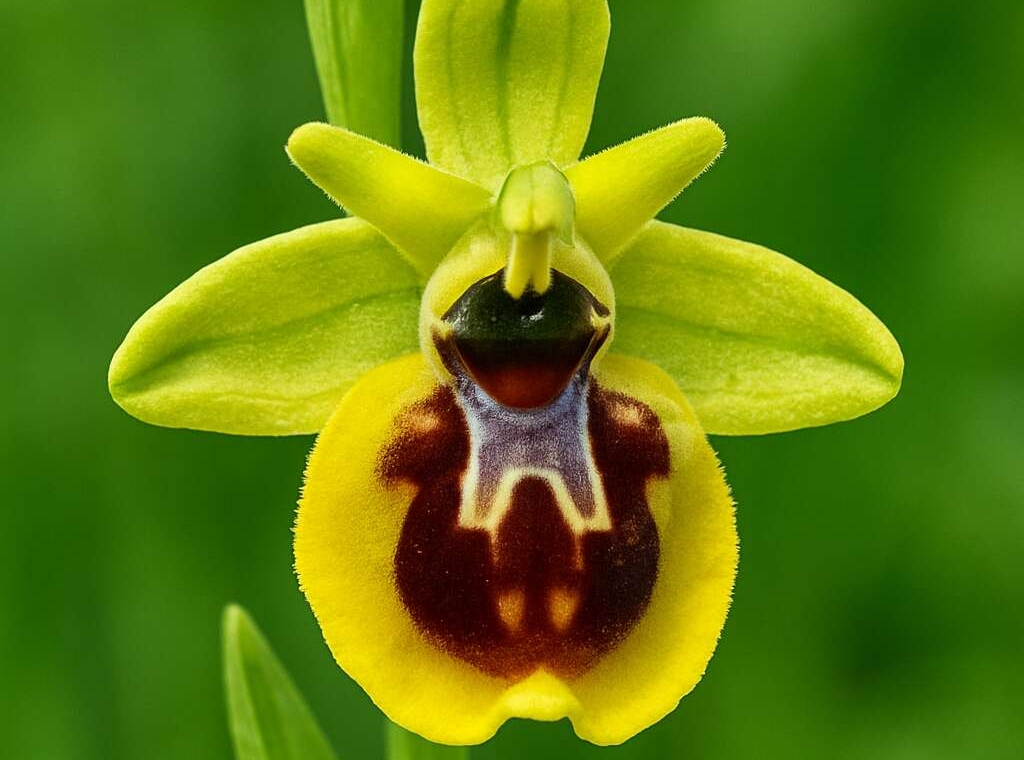




Latest Comments