Overview of Centranthus calcitrapa subsp. orbiculatus
Taxonomy and Classification – Understanding the botanical classification and scientific naming
Within the intricate tapestry of botanical taxonomy, Centranthus calcitrapa subsp. orbiculatus stands as a testament to nature’s subtle elegance. Its scientific classification reveals a story rooted in meticulous observation and evolutionary divergence, anchoring it firmly within the family Valerianaceae. This subspecies, distinguished by its unique morphological traits, exemplifies the nuanced distinctions that botanists cherish—each classification a chapter in the ongoing narrative of plant diversity.
Understanding the taxonomy of Centranthus calcitrapa subsp. orbiculatus is not merely an academic exercise; it unlocks deeper insights into its ecological role and adaptive strategies. At its core, the botanical naming encapsulates a wealth of information—linking it to related species and highlighting its evolutionary lineage. This precise scientific identification ensures that enthusiasts and researchers alike can appreciate the plant’s place within the broader spectrum of flora, especially in regions like Cyprus where its presence is both a delight and a subject of conservation interest.
To clarify its scientific standing, here is a brief overview of its classification:
- Kingdom: Plantae
- Family: Valerianaceae
- Genus: Centranthus
- Species: calcitrapa
- Subspecies: orbiculatus
Botanical Description – Physical characteristics and identification features
In the sun-drenched landscapes of Cyprus, where rugged beauty reigns supreme, Centranthus calcitrapa subsp. orbiculatus emerges as a botanical marvel—an embodiment of resilience and delicate charm. Its slender stems, often tinged with a subtle reddish hue, rise gracefully, bearing clusters of small, rounded leaves that seem to cradle the plant’s vibrant blooms. This subspecies, with its distinctive compact growth, is easily distinguished by its orbicular foliage—an elegant feature that hints at its evolutionary finesse.
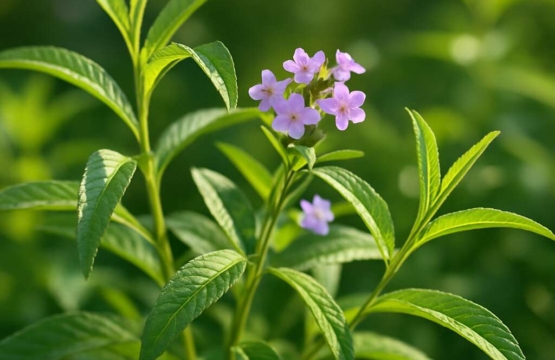
When seeking to identify Centranthus calcitrapa subsp. orbiculatus in the wild, one should look for its characteristic flowers, which bloom in shades of lavender to pale purple, often clustered tightly along the stems. These blossoms, with their tubular shape and delicate petals, add a whisper of color against the rocky terrain. The plant’s overall appearance—robust yet refined—makes it a captivating subject for botanists and enthusiasts alike. Here are some key features to keep in mind:
- Rounded, orbicular leaves that are smooth and slightly fleshy.
- Clusters of small, tubular flowers in shades of lavender or violet.
- Slender, upright stems with a graceful, somewhat sprawling habit.
Centranthus calcitrapa subsp. orbiculatus is not merely a visual delight; it is a testament to nature’s ingenuity in thriving within Cyprus’s rocky, arid environments. Its physical characteristics embody a perfect harmony of form and function, making it a prized specimen for conservation and study in Mediterranean flora. Its unique botanical description is a key to unlocking its ecological significance, revealing a plant finely tuned to its native habitat.
Natural Habitat and Distribution – Regions where it naturally occurs and preferred environments
Centranthus calcitrapa subsp. orbiculatus is a striking component of Cyprus’s rugged landscape—an emblem of resilience thriving amidst limestone and rocky outcrops. Its natural habitat is characterized by arid, sunbaked terrains where few plants dare to flourish, yet this subspecies has adapted remarkably well. Found predominantly in the coastal regions and inland rocky slopes, Centranthus calcitrapa subsp. orbiculatus weaves itself into the very fabric of Mediterranean flora.
This subspecies favors well-drained, nutrient-poor soils and is often seen clinging to cliffs and rocky crevices, where competition is scarce but survival is paramount. Its ability to withstand extreme drought and high temperatures makes it an ecological marvel. In Cyprus, Centranthus calcitrapa subsp. orbiculatus is not only a testament to nature’s tenacity but also a vital part of the local biodiversity.
- Coastal cliffs and rocky slopes
- Arid, sun-drenched environments
- Regions with minimal soil cover and high drainage
From the sun-drenched plains to the jagged coastlines, the distribution of Centranthus calcitrapa subsp. orbiculatus highlights its specialized adaptation to Cyprus’s challenging environment. Its presence enriches the landscape, showcasing a plant finely tuned to its native habitat—and a true survivor in the Mediterranean wilderness.
Key Features and Identification
Distinctive Traits – Unique physical and floral characteristics
Amid the rugged beauty of Cyprus’s rocky outcrops, Centranthus calcitrapa subsp. orbiculatus emerges as a botanical marvel—its physical form a testament to resilience and grace. This subspecies boasts a compact, sprawling habit, with stems that seem to twist and turn like nature’s own sculpture, cloaked in a silvery-gray hue that whispers of desert winds. Its leaves are rounded and fleshy, giving it an almost succulent quality that hints at adaptation and survival in arid terrains.
The flowers of Centranthus calcitrapa subsp. orbiculatus are a sight to behold—small yet striking, with a delicate yet persistent presence. They bloom in clusters that resemble tiny, star-like explosions of color, often in shades of soft lavender or pale purple, contrasting vividly against the muted foliage. This distinctive floral arrangement not only attracts pollinators but also sets it apart from other members of the genus, making identification both a delight and a challenge.
Comparison with Related Species – Differentiating from other Centranthus subspecies
Standing apart in the rugged landscapes of Cyprus, Centranthus calcitrapa subsp. orbiculatus displays a distinctive elegance that captivates botanists and enthusiasts alike. Its key features are not merely aesthetic but serve as vital clues in the delicate art of identification. Unlike other members of the Centranthus genus, this subspecies exudes a silvery-gray hue across its sprawling stems, which twist and turn as if sculpted by the very winds of the Mediterranean. The rounded, fleshy leaves—reminiscent of succulents—are a testament to its adaptation to arid, rocky terrains.
What truly sets Centranthus calcitrapa subsp. orbiculatus apart are its floral clusters—tiny yet striking explosions of soft lavender or pale purple. These star-like flowers bloom in compact groups, creating a vivid contrast against its muted foliage, and serve as a beacon for pollinators in the sparse landscape. Comparing it with related species, such as Centranthus ruber or Centranthus trinervis, reveals subtle yet significant differences. For example, Centranthus calcitrapa subsp. orbiculatus often features more rounded leaves and a more sprawling growth habit, whereas other subspecies tend to have elongated or more pointed foliage.
- Distinctive silvery-gray stems provide an immediate visual cue for identification.
- The rounded, succulent-like leaves differentiate it from other Centranthus species with more elongated foliage.
- The floral clusters, with their star-shaped, soft lavender flowers, create a signature appearance unique to this subspecies.
In the lush tapestry of Cyprus’s flora, Centranthus calcitrapa subsp. orbiculatus stands as a resilient and elegant testament to survival in extreme environments. Its unique combination of physical traits and floral display makes it not only a botanical marvel but also a crucial piece in understanding the diverse beauty of Mediterranean plant life.
Growth Habit and Size – Typical plant size and growth pattern
Standing out amidst the rugged, sun-baked landscapes of Cyprus, Centranthus calcitrapa subsp. orbiculatus embodies a remarkable blend of resilience and subtle elegance. Its growth habit and size reveal much about its adaptive prowess in arid environments. Typically, this subspecies reaches a height of around 30 to 50 centimeters, sprawling in a low, yet vigorous manner that maximizes its exposure to the Mediterranean sun. Its sprawling nature not only helps it withstand harsh winds but also facilitates its role in stabilizing rocky soils.
The plant’s growth pattern is characterized by a dense, bushy form that spreads horizontally, creating a tapestry of silvery-gray stems and rounded leaves. This sprawling habit allows it to flourish in rocky crevices and steep slopes, where few other plants can survive. The stems—thick, silvery, and slightly woody at the base—serve as a testament to its hardy nature, thriving where drought and poor soil conditions prevail.
In terms of size, Centranthus calcitrapa subsp. orbiculatus remains modest, yet its presence is undeniable. Its expansive, ground-hugging growth pattern offers a striking contrast to taller, more rigid Mediterranean flora. This combination of size and growth habit not only makes it a resilient survivor but also a visually captivating element in the landscape. Its ability to adapt and spread in such challenging terrains underscores its importance within Cyprus’s unique botanical mosaic.
Cultivation and Care Tips
Ideal Growing Conditions – Soil, light, and climate preferences
When cultivating Centranthus calcitrapa subsp. orbiculatus in Cyprus, understanding its ideal growing conditions is essential for fostering vibrant, resilient plants. This subspecies thrives in well-drained soils that mimic its natural rocky habitats, where the soil’s mineral richness and aeration promote healthy root development. It prefers full sun exposure, basking in the intense Mediterranean sunlight that energizes its flowering cycle and enhances its distinctive foliage. The climate in Cyprus—with its hot, dry summers and mild winters—is perfectly suited for this resilient plant, which tolerates drought conditions remarkably well.
To ensure optimal growth, consider the following care tips:
- Plant in soil with good drainage to prevent root rot
- Place in a location receiving at least 6 hours of direct sunlight daily
Regular watering should be moderate, allowing the soil to dry out between sessions. With minimal fuss, Centranthus calcitrapa subsp. orbiculatus can flourish, adding a splash of natural elegance to rocky terraces and wild gardens alike. Its adaptability to Cyprus’s unique climate underscores its value as a hardy, low-maintenance choice for those seeking to blend botanical beauty with resilience in Mediterranean landscapes.
Watering and Feeding – Optimal watering schedules and fertilization
In the enchanting landscapes of Cyprus, where rugged terrain meets Mediterranean charm, cultivating Centranthus calcitrapa subsp. orbiculatus becomes an art of patience and harmony. Its delicate roots thrive best with a consistent yet modest watering schedule that respects its drought-tolerant nature. Overwatering can be its undoing, leading to root rot and diminished vitality. Instead, allow the soil to dry out thoroughly between watering sessions, mimicking its natural rocky habitats.
Fertilization is minimal but impactful. A gentle, organic feed during the early spring encourages robust flowering and vibrant foliage. For optimal growth, consider applying a balanced, slow-release fertilizer once a season—this provides essential nutrients without overwhelming the plant’s natural resilience. Remember, this subspecies is a testament to adaptability, thriving amidst Cyprus’s sun-drenched terraces and wild rocky slopes.
- Water deeply but infrequently, ensuring the soil dries out completely between watering
- Apply a light, organic fertilizer in early spring and mid-summer for sustained vitality
With such tailored care, Centranthus calcitrapa subsp. orbiculatus can flourish, creating a tapestry of silvery foliage and scarlet blooms that echo the wild beauty of its native habitat. Its resilience and ease of care make it an ideal choice for those eager to cultivate a touch of Mediterranean magic, even in the most challenging terrains of Cyprus.
Pruning and Maintenance – Best practices for health and aesthetics
For those who cherish the rugged beauty of Mediterranean landscapes, cultivating Centranthus calcitrapa subsp. orbiculatus offers a captivating journey into nature’s resilience. To maintain its enchanting charm, proper pruning and maintenance are essential, ensuring the plant’s health and aesthetic appeal flourish in harmony. Unlike more delicate species, Centranthus calcitrapa subsp. orbiculatus responds beautifully to gentle shaping, which encourages vigorous flowering and a fuller, more sculptural form.
Pruning should be done with care, ideally after the flowering cycle wanes, to stimulate fresh growth and prevent the plant from becoming overly woody. Regular removal of spent blooms not only prolongs flowering but also preserves the plant’s silvery foliage, creating a tapestry of textures that evoke the wild, rocky terrains it naturally inhabits. Remember, a light hand is best—harsh trimming can diminish its natural elegance and resilience.
For maintaining optimal health, keep an eye out for any signs of pests or disease, which are rare but can occur if the plant is stressed. Centranthus calcitrapa subsp. orbiculatus thrives with minimal intervention, yet a few strategic practices can ensure it remains a vibrant centerpiece in any Mediterranean garden. Whether it’s the gentle deadheading of fading flowers or periodic removal of old, woody stems, these simple steps nurture its growth and accentuate its striking, scarlet blooms against a backdrop of silvery foliage.
Embrace the natural growth habit of this resilient subspecies, and it will reward you with a perennial display that echoes the wild, sun-drenched slopes of Cyprus. Its low-maintenance nature makes it an ideal choice for both seasoned gardeners and enthusiasts eager to craft a landscape imbued with Mediterranean magic.
Uses and Benefits
Ornamental Uses – Applications in gardens, landscapes, and containers
Centranthus calcitrapa subsp. orbiculatus is a botanical marvel that transforms any outdoor space into a vibrant oasis. Its versatility and striking appearance make it a favorite among garden enthusiasts in Cyprus, where the Mediterranean climate enhances its natural beauty. This subspecies of Centranthus is not just a plant; it’s an invitation to explore the wonder of floral artistry.
One of the most enchanting uses of Centranthus calcitrapa subsp. orbiculatus is its ornamental appeal in gardens and landscapes. Its lush, rounded foliage combined with clusters of tubular flowers creates a mesmerizing display that attracts pollinators and adds a splash of color throughout the year. Gardeners often cultivate it in
- flower beds
- rockeries
- border plantings
to maximize its visual impact. Its adaptability to containers also makes it an excellent choice for balconies and patios, offering a touch of natural elegance wherever it’s planted.
In landscape design, this subspecies provides an element of resilience and charm, thriving even in poorer soils and sun-drenched conditions. Its compact growth habit lends itself well to creating textured ground covers or filling gaps in mixed plantings. The ease with which Centranthus calcitrapa subsp. orbiculatus can be integrated into various design motifs makes it a treasured addition to any garden palette, especially in regions like Cyprus where drought-tolerant plants are highly valued.
Ecological Benefits – Role in attracting pollinators and supporting biodiversity
In the shadowed corners of the Mediterranean, where the sun’s relentless gaze bathes the earth in golden hues, Centranthus calcitrapa subsp. orbiculatus emerges as a silent guardian of biodiversity. This resilient botanical marvel not only adorns gardens with its captivating charm but also plays a crucial role in supporting the delicate web of life. Its presence beckons a chorus of pollinators—bees, butterflies, and humming insects—whose spirited dance around its tubular flowers sustains the very pulse of the local ecosystem.
Centranthus calcitrapa subsp. orbiculatus acts as a vital refuge in arid landscapes, offering nourishment and habitat for a variety of native insects and birds. Its ability to thrive in poor soils and drought conditions makes it an ecological keystone in regions like Cyprus, where water scarcity is a persistent challenge. By attracting pollinators, this plant fosters biodiversity, ensuring that the garden’s ecosystem remains vibrant and resilient amidst the harshest of climates.
- Provides essential nectar sources for pollinators during lean seasons.
- Supports native insect populations that are integral to the health of local flora.
- Contributes to soil stabilization, preventing erosion in exposed terrains.
In the quiet symphony of nature, Centranthus calcitrapa subsp. orbiculatus plays a pivotal role—its blooms not merely decorative but vital to the ecological harmony that sustains life in the Mediterranean’s rugged landscapes. Its ability to support biodiversity underscores its importance as more than just an ornamental plant; it is a testament to nature’s resilience and a beacon for sustainable gardening practices in Cyprus and beyond.
Medicinal and Traditional Uses – Historical and current uses, if applicable
Throughout history, Centranthus calcitrapa subsp. orbiculatus has been revered not only for its striking appearance but also for its medicinal virtues. Indigenous communities in Cyprus and the broader Mediterranean region have long harnessed this resilient plant’s properties, weaving it into traditional healing practices. Its roots and aerial parts were once used to soothe minor ailments, from skin irritations to digestive discomforts, embodying nature’s own remedy chest.
Today, modern herbalists appreciate Centranthus calcitrapa subsp. orbiculatus for its subtle yet potent bioactive compounds. While scientific validation is ongoing, anecdotal evidence suggests that extracts from this plant may possess anti-inflammatory and antioxidant qualities. Such attributes make it a promising candidate for natural skincare formulations or herbal infusions aimed at supporting overall vitality. Its historical uses serve as a testament to the plant’s enduring significance in traditional medicine, bridging centuries of botanical knowledge with contemporary health practices.
In Cyprus, folk medicine often regarded Centranthus calcitrapa subsp. orbiculatus as a symbol of resilience, believing it could promote strength and endurance. Some local traditions even employed its leaves in poultices for wounds, capitalizing on its natural antiseptic-like qualities. This deep-rooted cultural connection highlights the plant’s multifaceted role—beyond ornamental appeal, it is woven into the spiritual and medicinal tapestry of Mediterranean life.
Potential Challenges and Pests
Common Diseases – Fungal spots, root rot, and other issues
While Centranthus calcitrapa subsp. orbiculatus is celebrated for its hardy nature and vibrant blooms, it is not immune to potential challenges. Like many resilient plants, it can fall prey to various pests and diseases that threaten its health and aesthetic appeal. Fungal spots, for example, often manifest as dark, powdery patches on the leaves, especially during humid conditions typical of Cyprus’ coastal climate.
Root rot is another common issue, primarily caused by overwatering or poorly draining soil. It’s essential to maintain a balance—too much moisture can suffocate roots and lead to decay, which is a silent threat to the plant’s vitality. Recognizing early signs of distress, such as wilting or discolored foliage, can help prevent more severe damage. For pest management, look out for aphids and whiteflies that tend to cluster around new growth, sometimes transmitting viral infections.
Addressing these issues promptly involves a combination of good cultural practices and targeted interventions. Regular inspection, ensuring well-drained soil, and appropriate watering schedules are key. In cases of fungal infection, fungicidal treatments are often effective, but prevention remains the best strategy to keep Centranthus calcitrapa subsp. orbiculatus thriving in its natural habitat or cultivated landscapes.
Pest Infestations – Aphids, caterpillars, and other pests
While the resilient nature of Centranthus calcitrapa subsp. orbiculatus often surprises gardeners, its vulnerability to potential challenges remains a critical concern. Pest infestations, in particular, can swiftly undermine its vibrant display if left unchecked. Aphids and whiteflies, tiny yet persistent adversaries, tend to cluster around new growth, sometimes transmitting viral infections that compromise the plant’s vitality. Caterpillars, with their voracious appetites, can also cause significant foliage damage, turning lush leaves into tattered remnants.
In addition to pests, potential challenges such as fungal spots and root rot can silently threaten the health of Centranthus calcitrapa subsp. orbiculatus. Fungal spots often manifest as dark, powdery patches on leaves, especially under humid conditions common in Cyprus’ coastal environment. Root rot, on the other hand, is frequently a consequence of overwatering or poorly draining soil, leading to decay that can be difficult to detect until the plant exhibits wilting or discolored foliage.
Monitoring the plant regularly is essential for early detection. An effective approach involves a simple inspection routine, focusing on the undersides of leaves and the base of stems. Addressing pest issues can be as straightforward as spraying with insecticidal soap or introducing natural predators. For fungal infections, targeted fungicidal treatments are often effective, but prevention through proper watering and soil management remains paramount. Recognizing these potential challenges early helps ensure that Centranthus calcitrapa subsp. orbiculatus continues to flourish in its natural habitat or cultivated landscape.
Disease and Pest Prevention – Strategies to keep plants healthy
Despite its resilience, Centranthus calcitrapa subsp. orbiculatus is not immune to the challenges posed by pests and diseases. Aphids, whiteflies, and caterpillars are common adversaries, often attacking the new growth and causing significant damage if left unchecked. These pests can transmit viral infections that weaken the plant’s vitality and diminish its ornamental appeal. In humid environments like Cyprus’ coastal regions, fungal spots and root rot can also silently threaten the health of Centranthus calcitrapa subsp. orbiculatus. Fungal spots appear as dark, powdery patches on leaves, while root rot often results from overwatering and poorly draining soil, leading to decay that’s difficult to diagnose until the plant shows signs of wilting or discolored foliage.
Preventative measures are essential for maintaining the plant’s vigor. Regular monitoring, especially inspecting the undersides of leaves and the base of stems, allows for early detection of issues. Addressing pest infestations can be as simple as spraying with insecticidal soap or introducing natural predators like ladybugs. For fungal infections, targeted fungicidal treatments are effective, but prevention through proper watering and soil management remains the most reliable approach. An effective strategy involves:
- Maintaining well-draining soil to prevent root rot
- Ensuring adequate air circulation around the plant
- Applying organic or chemical pest control promptly when pests are detected
By implementing these strategies, gardeners cultivating Centranthus calcitrapa subsp. orbiculatus in Cyprus can safeguard its lush display and prolong its flowering period, turning the plant into a resilient feature of any landscape. Recognizing early signs of pests and diseases not only preserves the plant’s aesthetic charm but also contributes to the overall ecological balance, supporting pollinators and biodiversity in the process.
Propagation Techniques
Seed Propagation – Steps for growing from seed
When it comes to propagating Centranthus calcitrapa subsp. orbiculatus from seed, patience truly is a virtue—though, admittedly, it tests even the most Zen-like gardener. This resilient subsp. thrives when sown directly into well-draining soil, ideally in early spring or after the last frost. The process is straightforward but requires a dash of precision. Start by scattering the seeds on the surface, pressing them gently into the soil—no need to bury them deep, as they prefer to be just under the surface for optimal germination.
For those who like a bit more control, starting seeds indoors in seed trays with a light, sandy substrate can boost success rates. Keep the soil consistently moist but not waterlogged, as overly damp conditions can invite fungal issues. Once seedlings are robust enough—usually after several weeks—they can be carefully transplanted to their permanent home. Remember, Centranthus calcitrapa subsp. orbiculatus loves a sunny spot with well-drained soil, making it an excellent choice for xeriscape gardens or rocky slopes.
- Germination usually occurs within 14-21 days.
- Use a light touch when handling young plants to avoid damaging tender roots.
- Spacing should be at least 12 inches to allow ample growth and airflow.
With a dash of patience and the right technique, cultivating Centranthus calcitrapa subsp. orbiculatus from seed can be an immensely rewarding experience—especially when those charming, vibrant blooms start to appear, transforming your garden into a Mediterranean idyll. Truly, growing from seed is the ultimate test of a gardener’s dedication to this charismatic subspecies.
Cuttings and Divisions – Methods for vegetative propagation
While seed propagation offers a gratifying challenge, vegetative methods such as cuttings and divisions can be equally rewarding, especially for those eager to replicate the charming allure of Centranthus calcitrapa subsp. orbiculatus with precision. These techniques preserve the plant’s genetic fidelity, ensuring that each new addition retains the vibrant blooms and distinctive foliage characteristic of this resilient Mediterranean native.
Propagating via cuttings involves selecting healthy, semi-hardwood stems in late summer or early autumn. With a gentle hand, remove the lower leaves and insert the cuttings into a well-draining, sandy substrate—mimicking its preferred rocky habitat. Keep the soil moist, but avoid waterlogging, as the roots are delicate and prone to rot. Root development typically occurs within 4-6 weeks, at which point the new plants can be carefully transplanted to their designated spot in the garden.
Divisions, on the other hand, are an expedient way to propagate mature plants, particularly those that have formed dense clumps. Carefully dig around the plant’s base to expose the root ball, then gently divide it into sections, each with roots and shoots intact. Replant these divisions immediately into well-prepared soil, ensuring they are spaced at least 12 inches apart to foster optimal growth and airflow.
For a seamless transition, incorporate
- well-draining soil
- full sun exposure
- moderate watering
—all essential conditions that Centranthus calcitrapa subsp. orbiculatus appreciates, whether propagated through cuttings or divisions. Such vegetative propagation methods allow gardeners to multiply their collection of this charismatic subspecies efficiently, maintaining its ecological and ornamental virtues in the landscape of Cyprus and beyond.
Best Practices and Timing – Optimal periods for propagation
Timing is everything—especially when propagating Centranthus calcitrapa subsp. orbiculatus. The optimal period for vegetative propagation aligns closely with its natural growth rhythm. Late summer to early autumn offers the ideal window for taking cuttings, as the plant’s semi-hardwood stems are at their most resilient. This timing ensures that roots develop before the cooler winter months, giving your new plants a head start in establishing themselves.
For division, the best time is during the plant’s active growth phase—spring or early autumn—when the root system is most vigorous. Dividing mature, dense clumps during these periods encourages quick recovery and vigorous regrowth. Remember, the key to successful propagation lies in the delicate balance of timing and technique.
- Choose healthy, disease-free stems or root sections.
- Ensure proper soil preparation for quick root establishment.
While patience is a virtue here, it’s worth noting that rooting success rates improve dramatically when performed during these optimal periods. Whether you’re propagating Centranthus calcitrapa subsp. orbiculatus by cuttings or divisions, aligning your efforts with the plant’s natural cycle guarantees a lush, resilient addition to your Cyprus landscape.
Environmental and Conservation Considerations
Invasiveness Potential – Assessing ecological impact
In the delicate tapestry of Cyprus’s unique ecosystems, the introduction of Centranthus calcitrapa subsp. orbiculatus warrants careful scrutiny. While its vibrant blooms and resilient nature make it a coveted ornamental, its potential invasiveness raises alarms among conservationists. This subspecies, with its adaptable growth habits, can sometimes outcompete native flora, threatening the fragile balance of local biodiversity.
Assessing the ecological impact of Centranthus calcitrapa subsp. orbiculatus involves understanding its ability to establish swiftly in disturbed soils and its capacity to spread via prolific seed production. Though it offers ecological benefits by attracting pollinators, unchecked proliferation may lead to dominance over indigenous species. Vigilance is essential to prevent this plant from transforming into an invasive threat, particularly in Mediterranean climates where it thrives.
To maintain harmony within Cyprus’s natural habitats, it’s imperative to monitor its growth. A simple but effective approach involves observing its spread and reproductive behavior, ensuring that it remains a complementary addition rather than a disruptive force. Striking this balance preserves the ecological integrity of the region while allowing enthusiasts to enjoy the beauty of Centranthus calcitrapa subsp. orbiculatus without inadvertently fueling its invasiveness.
Conservation Status – Protection measures and status in native regions
In the lush, sun-drenched landscapes of Cyprus, the presence of Centranthus calcitrapa subsp. orbiculatus sparks both admiration and concern. While its striking blooms and hardy nature make it a popular choice for ornamental gardens, this resilient plant also raises questions about its conservation status. Native to parts of the Mediterranean, including regions with similar climates, Centranthus calcitrapa subsp. orbiculatus is generally not listed as endangered. However, its ability to spread rapidly can threaten native flora, prompting the need for protective measures to ensure it doesn’t overshadow indigenous species.
In some areas, especially where disturbed soils are common, the plant’s adaptability might tip the ecological balance if left unchecked. Conservation efforts often focus on monitoring its growth to prevent invasive tendencies. As part of responsible gardening and landscape management, understanding the plant’s role in local ecosystems is crucial. By keeping a watchful eye on Centranthus calcitrapa subsp. orbiculatus, we can enjoy its aesthetic benefits without compromising the ecological integrity of Cyprus’s natural habitats. Preserving regional biodiversity requires a delicate balance—one that involves appreciating this plant’s beauty while respecting the native ecosystems it shares space with.
Sustainable Gardening – Eco-friendly cultivation tips
In the sun-kissed landscapes of Cyprus, where every blade of grass seems to whisper stories of ancient resilience, Centranthus calcitrapa subsp. orbiculatus stands out as both a botanical marvel and an ecological conundrum. Its ability to thrive in challenging conditions makes it a darling for sustainable gardening enthusiasts, yet this same robustness warrants a cautious approach to cultivation.
Eco-friendly cultivation of Centranthus calcitrapa subsp. orbiculatus involves respecting its natural proclivities. Minimal soil disturbance, avoiding chemical fertilizers, and encouraging native pollinators not only preserve the plant’s charm but also support the delicate balance of the local ecosystem. To prevent its potential invasiveness, gardeners are advised to monitor its spread carefully, especially in disturbed soils where its adaptability can become an ecological concern. Incorporating native plants alongside Centranthus calcitrapa subsp. orbiculatus ensures a harmonious garden environment, fostering biodiversity rather than overshadowing indigenous flora.
For those committed to responsible planting, consider the following:
- Opt for well-drained, sandy soils mimicking its natural Mediterranean habitat.
- Provide ample sunlight—this plant revels in the Mediterranean sun’s embrace.
- Limit watering; drought-tolerant by nature, it prefers infrequent, deep watering to conserve water resources.
By practicing such sustainable gardening principles, we can enjoy the striking beauty of Centranthus calcitrapa subsp. orbiculatus while safeguarding Cyprus’s cherished ecosystems. After all, a garden that respects its environment is a testament to true elegance and ecological intelligence—an essential balance in today’s ever-evolving landscape of conservation.
Where to Buy and How to Identify a Good Source
Nursery and Retail Options – Trusted sources for purchasing
When seeking to acquire Centranthus calcitrapa subsp. orbiculatus, discerning the source is paramount. A plant’s vitality and authenticity hinge on the nursery’s reputation and cultivation practices. Trusted nurseries often showcase a history of providing healthy, pest-free specimens that thrive in similar climatic conditions—such as Cyprus’s Mediterranean warmth. It’s essential to examine the nursery’s credentials; reputable establishments will have knowledgeable staff who can verify the plant’s origin and health.
To identify a good source, look for nurseries that offer detailed care instructions and guarantee the plant’s provenance. Retail options such as specialized ecological nurseries or organic garden centers tend to carry genuine Centranthus calcitrapa subsp. orbiculatus. Sometimes, local botanical gardens or plant fairs also provide access to authentic specimens, fostering sustainable choices. An easy way to verify quality is by inspecting the plant’s overall vigor, leaf coloration, and root health—signs of a well-cared-for specimen that will flourish once planted.
For those eager to expand their garden with this enchanting species, consider the following trusted sources:
- Reputable local nurseries known for Mediterranean flora
- Specialized organic garden centers with ecological credentials
- Botanical garden plant sales or plant fairs in Cyprus
- Online nurseries with positive reviews and transparent sourcing
Quality Indicators – How to select healthy plants
When seeking to purchase Centranthus calcitrapa subsp. orbiculatus, the importance of selecting a reputable source cannot be overstated. With its delicate yet resilient presence in Mediterranean gardens, authentic specimens are vital for ensuring your garden’s vitality. Trustworthy nurseries often display a long-standing reputation for cultivating Mediterranean flora, offering plants that exhibit vigorous growth, vibrant leaf coloration, and healthy root systems. These are telltale signs of a well-cared-for specimen that will flourish once planted in Cyprus’s warm climate.
To identify a good source, look for nurseries that provide detailed care instructions and guarantee the provenance of their plants. An easy way to verify quality is by inspecting the overall vigor of the plant. Healthy Centranthus calcitrapa subsp. orbiculatus will have firm, lush foliage without signs of disease or pest damage. When purchasing from ecological nurseries or organic garden centers, you often gain access to plants that are not only genuine but also cultivated with sustainability in mind. Sometimes, botanical garden plant sales or local plant fairs can be treasure troves for authentic specimens, nurturing biodiversity and supporting local growers.
For those eager to expand their Mediterranean garden, consider sources such as reputable local nurseries known for their expertise in Mediterranean flora, specialized organic garden centers committed to ecological principles, or trusted online nurseries with transparent sourcing and positive reviews. This ensures that the Centranthus calcitrapa subsp. orbiculatus you select will be a resilient and beautiful addition, thriving in Cyprus’s unique environment.
Online Retailers – Reliable websites and buying tips
Finding a trustworthy source to purchase Centranthus calcitrapa subsp. orbiculatus can transform your gardening experience from uncertain to triumphant. Reputable online retailers specializing in Mediterranean plants often prioritize quality, offering detailed descriptions and transparent sourcing policies that help you make an informed choice. When browsing, look for websites with positive reviews and clear images that showcase healthy, vibrant specimens. These indicators often signal a commitment to quality and sustainability, crucial factors when selecting plants for Cyprus’s warm climate.
To ensure you’re choosing the best plant, consider the plant’s overall vigor. Authentic Centranthus calcitrapa subsp. orbiculatus should display lush, firm foliage without signs of disease or pest damage. Many trusted online nurseries also provide care instructions, aiding in your plant’s successful integration into your garden. Remember, purchasing from specialized organic garden centers or botanical garden plant sales often guarantees genuine specimens that support biodiversity and ecological health.
- Verify the nursery’s reputation through reviews and ratings.
- Ensure they provide detailed plant descriptions and care guidelines.
- Check for guarantees on plant provenance and health.
- Prioritize sources with transparent shipping policies and customer support.
By selecting a reliable website that emphasizes quality indicators, you can be confident that your Centranthus calcitrapa subsp. orbiculatus will thrive, adding resilient beauty to your Mediterranean garden in Cyprus. Reliable online retailers dedicated to sustainable cultivation not only simplify your purchase but also enrich the local gardening landscape by promoting authentic, well-cared-for specimens.

 by
by 




Latest Comments