Overview of Scorzonera troodea
Taxonomy and Classification
In the intricate tapestry of botanical classification, Scorzonera troodea stands as a fascinating example of Mediterranean flora. Belonging to the Asteraceae family, this plant’s taxonomy reveals its close kinship to other herbaceous perennials that thrive in sun-drenched landscapes. Its precise classification helps botanists and enthusiasts understand its unique adaptations and ecological role within the Cyprus region.
Within the genus Scorzonera, Scorzonera troodea is distinguished by its robust root system and striking foliage. The taxonomy and classification of this species are crucial for conservation efforts and botanical research, especially given its endemic status. Here’s a quick overview of its taxonomic hierarchy:
- Kingdom: Plantae
- Phylum: Angiosperms
- Class: Eudicots
- Order: Asterales
- Family: Asteraceae
- Genus: Scorzonera
- Species: Scorzonera troodea
This classification underscores its place within the diverse world of flowering plants, highlighting the importance of accurate taxonomy in appreciating its distinctiveness and ecological significance in Cyprus’s landscape. Understanding the taxonomy and classification of Scorzonera troodea not only enriches our botanical knowledge but also sparks curiosity about the plant’s evolutionary journey across Mediterranean habitats.
Botanical Description
In the rugged landscapes of Cyprus, one botanical marvel stands out with an almost otherworldly presence—Scorzonera troodea. This perennial plant boasts a resilient, thick root that anchors it firmly in the rocky soil, a testament to its adaptation to the Mediterranean climate. Its foliage is equally captivating—narrow, lance-shaped leaves that form a dense rosette, shimmering with a silvery hue under the fierce Cypriot sun.
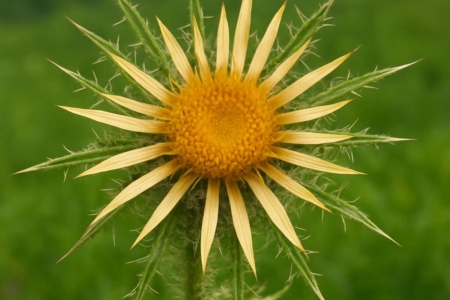
What truly sets Scorzonera troodea apart are its striking flower heads—daisy-like blossoms with vibrant yellow petals that bloom in late spring, transforming the arid terrain into a burst of color. Each flower is a delicate yet hardy spectacle, symbolizing the plant’s incredible ability to thrive where many others cannot. This botanical gem’s unique description underscores its importance within Cyprus’s rich ecological tapestry, making it a fascinating subject for botanists and nature enthusiasts alike.
Distribution and Habitat
In the rugged, sun-drenched landscapes of Cyprus, where resilient flora seems to thrive against all odds, Scorzonera troodea claims its rightful place as a botanical survivor. This hardy perennial has carved out a niche in the rocky terrains of the Troodos Mountains, where few other plants dare to flourish. Its distribution is far from haphazard; instead, it follows a specific pattern dictated by the unique microclimates and soil compositions of the region.
Typically found in limestone-rich soils and rocky slopes, the habitat of Scorzonera troodea is a testament to its adaptability. Its presence is most prominent at elevations ranging from 800 to 1800 meters, where the Mediterranean climate exhibits hot, dry summers and mild, rainy winters. The plant’s ability to withstand drought and poor soil conditions makes it an ecological keystone, supporting local biodiversity in these otherwise challenging environments.
- Rocky mountain slopes
- Limestone outcrops
- Dry, well-drained soils
- Elevations between 800-1800 meters
Exploring the natural habitat of Scorzonera troodea reveals a plant perfectly adapted to Cyprus’s rugged terrain. Its resilience and strategic habitat choices make it a fascinating subject for botanists and conservationists eager to understand how life persists in the face of relentless environmental challenges. Truly, this species exemplifies the tenacity of Cyprus’s endemic flora, standing as a green beacon amid the rocky wilderness.
Botanical Characteristics of Scorzonera troodea
Physical Features and Morphology
In the sun-drenched landscapes of Cyprus, Scorzonera troodea emerges like a whisper from ancient earth—an enduring symbol of resilience and delicate beauty. Its botanical characteristics reveal a fascinating tapestry of physical features that captivate botanists and nature lovers alike. The plant boasts a slender, erect stem that gracefully rises from the ground, often adorned with a soft, silvery-gray hue that reflects the harsh Mediterranean sun.
Its leaves are narrow, lance-shaped, and slightly hairy, forming a rosette that anchors the plant firmly in rocky, well-drained soils. The flowers of Scorzonera troodea are a marvel—small but striking, with a vibrant yellow hue that contrasts vividly against the muted foliage. The blossoms typically bloom in late spring, attracting a variety of pollinators and adding a splash of color to the rugged terrain.
From a morphological perspective, the root system of Scorzonera troodea is especially noteworthy. It develops a thick, tuberous root that penetrates deep into the soil, making it a hardy survivor in the challenging conditions of Cyprus’ mountainous regions. This root not only serves as a vital nutrient reservoir but also acts as a survival mechanism during droughts. Its overall structure can be summarized as follows:
- Slender, upright stem with a height of up to 30 centimeters
- Silvery-gray, hairy leaves arranged in a basal rosette
- Vibrant yellow, daisy-like flowers with multiple petals
- Deep, tuberous root system adapted to arid environments
In essence, the botanical characteristics of Scorzonera troodea embody a harmonious blend of form and function—each feature finely tuned to thrive amidst Cyprus’ rugged beauty and climatic extremes. Its physical features and morphology not only define its identity but also tell a story of resilience, adaptation, and silent elegance in the heart of the Mediterranean.
Flower Structure and Blooming Period
The botanical elegance of Scorzonera troodea is truly a sight to behold, especially when its vibrant blooms paint the rugged Cypriot landscape in bursts of sunny yellow. The flower structure of this remarkable plant reveals a delicate yet resilient design—daisy-like with multiple petals that seem to radiate warmth against the often harsh Mediterranean backdrop. Each blossom, though small, commands attention with its cheerful hue and intricate arrangement, inviting curious pollinators to partake in nature’s fleeting spectacle.
Typically blooming in late spring, Scorzonera troodea’s flowering period spans several weeks, offering a vital splash of color during a season of transition. Its blossoms do not just serve aesthetic purposes; they play a crucial role in supporting local pollinator populations, from bees to butterflies, which are drawn irresistibly to its bright, nectar-rich flowers. The plant’s flowering cycle is synchronized with Cyprus’ climatic rhythms, ensuring it thrives even amidst drought conditions and rocky terrains.
Understanding the intricate flower structure of Scorzonera troodea deepens appreciation for its adaptive mastery. The blossoms are arranged in a manner that maximizes exposure to sunlight and pollinators, a testament to its evolutionary ingenuity. The blooming period, coupled with its distinctive floral architecture, makes Scorzonera troodea a captivating component of Cyprus’s native flora—an enduring emblem of resilience and natural artistry in a Mediterranean setting.
Root System and Leaf Arrangement
The botanical resilience of Scorzonera troodea is truly remarkable, especially when examining its root system and leaf arrangement. This plant has evolved to thrive in Cyprus’s rugged terrain, where water is scarce and soil is often rocky. Its roots delve deep into the earth, anchoring it firmly amidst the Mediterranean’s unpredictable climate. These extensive roots not only secure the plant but also access underground moisture, allowing it to flourish in drought conditions. This adaptation is vital for survival, making Scorzonera troodea a symbol of endurance in its native habitat.
The leaves of Scorzonera troodea are equally impressive. They are arranged in a basal rosette, spreading outward in a sunburst pattern that maximizes sunlight absorption. The leaves are narrow, slightly hairy, and often have a silvery hue, helping to reflect intense sunlight and reduce water loss. This arrangement ensures the plant’s photosynthesis continues efficiently, even during the hottest months. The combination of deep-rooted stability and strategic leaf placement exemplifies how Scorzonera troodea has mastered survival strategies in the Mediterranean landscape.
Habitat and Ecological Niche
Geographical Range
In the rugged terrain of Cyprus, the habitat of Scorzonera troodea reveals a fascinating ecological niche. This resilient perennial has carved out a niche in rocky, limestone-rich soils where few other plants dare to thrive. Its ability to withstand the intense Mediterranean sun and sparse rainfall makes it a vital component of the local flora, often flourishing in the shadows of mountain cliffs and scrublands.
The geographical range of Scorzonera troodea is remarkably localized, confined primarily to the Troodos Mountains. This specific distribution underscores its adaptation to the unique microclimates and soil conditions found in this region. Within this limited range, it plays an essential role in the ecological balance, supporting pollinators and maintaining soil stability. Interestingly, its presence serves as an indicator of the health of the mountain’s delicate ecosystem.
Preferred Soil and Climate Conditions
High in the rocky, limestone-laden slopes of the Troodos Mountains, Scorzonera troodea finds a sanctuary that seems almost otherworldly. Its habitat is characterized by rugged terrain where few plants dare to survive, yet this resilient perennial thrives amid the harsh Mediterranean climate. The secret lies in its remarkable ability to adapt to extreme conditions, making it a vital part of Cyprus’s unique flora.
Scorzonera troodea prefers well-drained soils with a high limestone content, which provides the perfect anchorage for its deep-rooted system. The plant’s survival hinges on a climate that offers hot, dry summers and mild, moist winters—conditions that are precisely what define the mountain microclimate. Its ecological niche is tightly intertwined with this environment, supporting local pollinators and contributing to soil stabilization in a fragile ecosystem.
In fact, the plant’s preferred soil and climate conditions can be summarized as follows:
- Limestone-rich, well-drained soils
- Intense Mediterranean sunlight
- Low, sparse rainfall
- Temperatures that fluctuate seasonally from hot summers to mild winters
Such conditions create a resilient habitat that allows Scorzonera troodea to flourish where many others falter, underscoring its role as a keystone species in the mountainous wilderness of Cyprus. Its ability to adapt to these specific soil and climate conditions makes it a fascinating subject for botanists and conservationists alike, embodying the tenacity of life in some of the most demanding environments on Earth.
Environmental Role and Interactions
In the rugged, sun-baked landscape of Cyprus, Scorzonera troodea carves out a remarkably specialized ecological niche. Its habitat on the limestone-laden slopes of the Troodos Mountains is characterized by a delicate balance—harsh yet vital for its survival. This resilient perennial has adapted to thrive amid extreme conditions where few other plants dare to survive, establishing itself as a keystone species in this fragile ecosystem.
Within this environment, Scorzonera troodea performs a crucial ecological role. Its deep-rooted system stabilizes the soil, preventing erosion on steep, rocky terrain. Moreover, it sustains local pollinators that rely on its blooms, which appear during specific blooming periods aligned with the Mediterranean climate. These interactions highlight its importance in maintaining biodiversity in Cyprus’s mountainous regions.
Its environmental niche is finely tuned to the region’s low, sparse rainfall and intense Mediterranean sunlight. This plant’s ability to adapt to fluctuating temperatures—ranging from scorching summers to mild winters—underscores its resilience. The presence of Scorzonera troodea not only underscores the plant’s tenacity but also exemplifies the complex web of life thriving in Cyprus’s most extreme environments.
Uses and Applications
Medicinal Uses and Traditional Remedies
In the sun-drenched landscapes of Cyprus, where history and nature intertwine, Scorzonera troodea has long been revered not only for its rugged beauty but also for its profound medicinal virtues. This resilient herb, with its tender roots and delicate leaves, has been a cornerstone of traditional remedies passed down through generations. Its roots, rich in bioactive compounds, are often harnessed to address a variety of ailments, offering a natural bridge between ancient wisdom and modern interest.
Medicinally, Scorzonera troodea is celebrated for its potential to stimulate digestion and support liver health. Its extracts are believed to purify the blood and bolster the immune system, making it a treasured herb among herbalists. In traditional remedies, the roots are often boiled or infused into teas, delivering a gentle yet potent remedy. The plant’s versatility extends beyond internal health; topical applications have also been used to soothe skin irritations and wounds.
For those seeking holistic approaches, Scorzonera troodea emerges as a botanical gem—an emblem of nature’s healing prowess. Its applications are as diverse as the rugged terrains it thrives in, embodying Cyprus’s rich herbal heritage and enduring connection to the land. Whether as a herbal infusion or a traditional poultice, this extraordinary plant continues to inspire admiration and respect in the realm of natural medicine.
Culinary Uses and Edible Parts
Scorzonera troodea isn’t just a plant of striking beauty; it also has a rich culinary history in Cyprus. The tender roots and delicate leaves are edible parts that have been used in traditional dishes for generations. These parts can be prepared in numerous ways, making the plant a versatile ingredient in local cuisine. In Cyprus, the roots are often roasted or boiled, imparting a subtle earthy flavor that complements a variety of dishes.
For those interested in exploring natural, healthy foods, Scorzonera troodea offers a unique option. Its roots are particularly prized for their nutritional value and gentle taste. They can be incorporated into salads, steamed as a vegetable, or added to hearty stews. The plant’s leaves, though less commonly used, can be sautéed or added raw to salads for a fresh, slightly bitter contrast.
- Roasted roots as a side dish
- Infused into herbal teas for additional health benefits
- Fresh leaves in salads for a bitter, nutritious boost
In Cyprus, this plant’s culinary applications embody a deep-rooted tradition of harvesting wild herbs. Scorzonera troodea’s edible parts continue to inspire modern cooks and herbal enthusiasts alike, blending age-old flavors with contemporary tastes. Its natural adaptability makes it a sought-after ingredient for those looking to incorporate local, wild ingredients into their diet.
Potential in Modern Agriculture and Horticulture
In the realm of modern agriculture and horticulture, Scorzonera troodea emerges as an intriguing candidate for sustainable cultivation and innovative garden design. Its hardy nature and adaptability to diverse soil conditions make it a promising low-maintenance crop for farmers seeking to diversify their offerings. With the increasing demand for wild, native ingredients, cultivating Scorzonera troodea could tap into a niche market of health-conscious consumers eager for natural, locally-sourced products.
Moreover, this resilient plant lends itself well to urban gardening initiatives and medicinal herb gardens. Its ability to thrive in Cyprus’s unique climate and soil conditions offers a sustainable way to integrate traditional flavors into contemporary agriculture. For horticulturists, Scorzonera troodea presents an exciting opportunity to experiment with crop rotation and soil enrichment strategies, thanks to its deep-rooting system that naturally aerates and revitalizes the soil.
Potential applications extend beyond the farm:
- Incorporating Scorzonera troodea into permaculture designs
- Developing niche herbal products
- Using it as a natural pest repellent due to its aromatic leaves
Its versatility ensures that both commercial growers and home gardeners can find innovative uses for this resilient, wild-harvested plant. The future of Scorzonera troodea in modern agriculture and horticulture looks bright, promising a blend of tradition and sustainability wrapped in one hardy, attractive package.
Cultivation and Care
Growing Conditions and Soil Preparation
In cultivating Scorzonera troodea, understanding its specific growing conditions becomes paramount. This hardy perennial thrives in the well-drained, rocky soils typical of Cyprus’s rugged terrain, where the climate oscillates between scorching summers and mild winters. The secret to successful growth lies in soil preparation—amending the native soil with organic matter to enhance fertility and ensure proper drainage.
Growing conditions for Scorzonera troodea demand a balance of sunlight and moisture; it flourishes in full sun but requires minimal water once established, making it an ideal choice for arid landscapes. To optimize its development, consider the following steps:
- Clear the planting site of weeds and debris.
- Mix in compost or well-rotted organic matter to improve soil richness.
- Ensure the soil is loose and friable, facilitating the deep root system that is characteristic of Scorzonera troodea.
Regular care involves minimal intervention—occasional watering during prolonged dry spells and protection from harsh winter frosts. This resilient plant’s ability to adapt to the tough Cypriot environment makes it a sublime example of nature’s tenacity.
Propagation Methods
Propagating Scorzonera troodea is an act of patience and reverence for resilience. This hardy perennial, native to Cyprus’s rugged landscapes, can be propagated through seeds or division, each method revealing a different facet of its tenacity. The simplest approach involves direct sowing into prepared soil, allowing nature’s rhythm to take its course. Alternatively, dividing mature plants in early spring can rejuvenate your garden with fresh vigor. When planting seeds, lightly cover them with soil and maintain moisture—though minimal watering suffices once the plant is established, given its adaptation to arid conditions.
Care for Scorzonera troodea is surprisingly minimal. Its deep-rooted system enables it to withstand drought and temperature fluctuations, making it an ideal candidate for sustainable cultivation. Keep an eye on weeds, which can compete for nutrients, and ensure the soil remains loose and well-drained. During extended dry spells, a touch of water can help, but overwatering risks rot. Protecting this resilient plant from winter frosts is wise, especially in less predictable climates. Its ability to thrive with little intervention underscores why Scorzonera troodea continues to captivate horticulturists seeking sustainable, drought-tolerant species.
Maintenance Tips and Pests/Diseases
In the sun-drenched landscapes of Cyprus, Scorzonera troodea stands as a testament to nature’s resilience, its hardy stature thriving amidst rocky terrains and arid conditions. Cultivating this remarkable plant is an exercise in patience and reverence for its tenacity. To ensure its continued vitality, a few simple care maintenance tips can make all the difference. Regularly remove weeds that threaten to overshadow its delicate beauty, and keep the soil loose and well-drained to mimic its native habitat. Overwatering can be detrimental, so a light touch of water during prolonged dry spells suffices. Its deep-rooted system makes it remarkably drought-tolerant, yet protecting it from winter frosts—especially in less predictable climates—can help preserve its vigor.
When it comes to pests and diseases, Scorzonera troodea generally maintains a robust resistance. However, vigilance is key. Watch for common issues such as aphids or root rot, which can occur if the soil remains overly moist. An organic approach, including neem oil or natural predators, can help maintain a healthy balance without disrupting its natural harmony. If you notice signs of disease, prompt intervention ensures your plant remains a steadfast feature of your garden. With minimal intervention, this resilient perennial continues to enchant, its delicate blooms whispering stories of resilience and adaptation in every petal.
Conservation and Environmental Importance
Status and Conservation Efforts
In the mystical landscapes of Cyprus, where ancient secrets whisper through the wind, Scorzonera troodea stands as a botanical marvel—an emblem of resilience and fragile beauty. Its delicate yet hardy presence in the wild underscores the urgent need for targeted conservation efforts, especially as habitat loss accelerates due to human encroachment and climate change. The dwindling populations of Scorzonera troodea serve as a poignant reminder of the delicate balance within Cyprus’s unique flora ecosystem.
Environmental importance status for Scorzonera troodea is currently classified as vulnerable, emphasizing its susceptibility to extinction without intervention. Conservation strategies are crucial to safeguard this species, which plays a significant role in maintaining biodiversity and supporting local pollinators. Among the efforts to preserve this rare gem are habitat restoration programs and the cultivation of Scorzonera troodea in controlled botanical gardens, ensuring its survival beyond the wild. Protecting such endemic species not only preserves the natural heritage of Cyprus but also enriches the global tapestry of plant diversity.
Threats and Challenges
In the shadowed valleys and rugged slopes of Cyprus, the existence of Scorzonera troodea hangs delicately in the balance. Its vulnerability underscores the urgent need for robust conservation efforts to prevent this botanical jewel from slipping into obscurity. Human encroachment, coupled with the relentless march of climate change, threatens to erase its fragile presence from the landscape, leaving a void in the island’s natural heritage.
Threats to Scorzonera troodea are multifaceted, ranging from habitat destruction to invasive species that outcompete this endemic marvel. The challenges are daunting, yet they also serve as a call to action. Conservation initiatives such as habitat restoration and controlled cultivation in botanical gardens are vital to safeguard its future. As we strive to preserve this emblem of resilience, it becomes clear that protecting Scorzonera troodea is not just about saving a plant, but about maintaining the intricate web of life that sustains Cyprus’s unique environment.
- Habitat loss due to urban expansion
- Climate variability affecting blooming cycles
- Invasive plant species competing for resources
- Limited genetic diversity impacting resilience
Role in Biodiversity
In the shadowed corners of Cyprus’s rugged landscape, the survival of Scorzonera troodea is a testament to nature’s fragile resilience. This endemic marvel, cloaked in mystery and ancient silence, embodies the very essence of biodiversity that sustains our island’s unique environment. Its existence is not merely a botanical curiosity but a vital thread woven into the ecological tapestry of Cyprus. Preserving Scorzonera troodea is an urgent call to safeguard the delicate web of life that it supports.
Conservation of this rare plant enhances the overall health of Cyprus’s ecosystems, offering sanctuary for pollinators and other native species. Protecting the habitat of Scorzonera troodea ensures the longevity of its genetic lineage and maintains the natural balance of the region. As part of our environmental legacy, this plant’s survival underscores the importance of fostering biodiversity—an act both reverent and necessary in a world threatened by relentless human encroachment and climate change.
Research and Scientific Studies
Recent Studies and Findings
Recent scientific investigations into Scorzonera troodea have unveiled a tapestry of intriguing insights that reinforce its ecological and medicinal significance. Studies highlight its unique phytochemical profile, revealing compounds that exhibit promising antioxidant and anti-inflammatory properties, positioning Scorzonera troodea as a potential candidate for natural health remedies.
Research efforts have also focused on its adaptive strategies within Cyprus’ rugged terrain, illuminating how this resilient plant thrives amid arid conditions. Notably, field experiments have demonstrated its capacity to improve soil stability and foster biodiversity, underscoring its environmental role.
A comprehensive review of recent findings emphasizes the importance of conserving Scorzonera troodea, especially as climate change threatens its native habitats. To better grasp its potential, scientists have categorized its biochemical pathways, revealing a wealth of bioactive substances that could revolutionize herbal medicine and sustainable agriculture.
Potential Areas for Future Research
Future research into Scorzonera troodea promises to unlock deeper understanding of its bioactive compounds and ecological resilience, fueling innovations in herbal medicine and sustainable agriculture. While current studies highlight its antioxidant and anti-inflammatory properties, many mysteries remain surrounding its biochemical pathways and adaptive strategies within Cyprus’ rugged terrain.
Scientists are particularly interested in exploring how Scorzonera troodea interacts with its environment, especially its role in soil stabilization and biodiversity enhancement. These interactions could reveal new ways to leverage native plants for ecological restoration efforts. Additionally, research could delve into its potential as a natural resource for developing eco-friendly pharmaceuticals and nutraceuticals.
Potential areas for future research include:
- Mapping its genetic diversity across different habitats in Cyprus
- Investigating its potential in phytoremediation and soil health improvement
- Identifying novel bioactive compounds for medicinal applications
By advancing our knowledge of Scorzonera troodea, new horizons may open for its integration into modern sustainable practices, emphasizing the importance of conserving this extraordinary plant amidst changing climates and expanding human influence.
Genetic Research and Biotechnological Applications
Unlocking the genetic secrets of Scorzonera troodea holds immense promise for advancing biotechnological applications. Recent scientific studies aim to map its genetic diversity across Cyprus’ diverse habitats, providing insight into its adaptive strategies and resilience. This knowledge could pave the way for innovative cultivation techniques that enhance its medicinal and ecological value.
Furthermore, researchers are exploring the potential of Scorzonera troodea in phytoremediation projects, leveraging its natural ability to improve soil health and stabilize habitats. The plant’s biochemical pathways may harbor novel bioactive compounds, opening new avenues for developing eco-friendly pharmaceuticals and nutraceuticals. Biotechnological methods, such as genetic modification and tissue culture, are being investigated to optimize yields and extract potency from this extraordinary plant.
Future research could involve:
- Genomic sequencing to identify genes responsible for its antioxidant properties
- Biotechnological enhancement of bioactive compound production
- Development of sustainable harvesting protocols for conservation and medicinal use
As Scorzonera troodea continues to reveal its hidden biochemical and genetic potential, it stands at the frontier of sustainable innovation—merging traditional wisdom with cutting-edge science to safeguard Cyprus’ botanical heritage.
FAQs about Scorzonera troodea
Common Questions and Clarifications
Curious about Scorzonera troodea? This resilient plant often sparks questions among botanists and horticulturists alike. Its unique adaptation to the rugged terrains of Cyprus makes it a subject of fascination. Many wonder about its ecological significance and how it fits into local biodiversity.
One common question is whether Scorzonera troodea has any medicinal or culinary uses. While traditionally valued in native remedies, its role in modern herbal medicine remains under investigation. Additionally, enthusiasts ask about the best conditions for cultivating this hardy species, especially in Mediterranean climates similar to Cyprus. Understanding its growth habits can unlock new opportunities for sustainable horticulture and conservation efforts.
- What distinguishes Scorzonera troodea from similar species?
- Is it safe for consumption or medicinal application?
- How can one effectively propagate this plant?
These questions highlight the plant’s multifaceted role in local ecosystems and human culture. As exploration continues, the mysteries surrounding Scorzonera troodea deepen—offering a glimpse into nature’s intricate web of life in Cyprus and beyond.
Additional Resources and References
Books, Journals, and Articles
For those captivated by the enigmatic beauty and ecological significance of Scorzonera troodea, exploring additional resources can deepen your understanding and open new avenues for research. A wealth of scientific literature and botanical references are available that illuminate its unique characteristics and role within Cypriot habitats. Whether you’re a botanist, horticulturist, or passionate naturalist, these materials provide invaluable insights into this intriguing species.
To broaden your knowledge, consider consulting specialized books and peer-reviewed journals that focus on Mediterranean flora and endemic plants of Cyprus. These sources often feature detailed illustrations, ecological data, and recent discoveries about Scorzonera troodea. For instance, articles published in regional botanical journals can reveal ongoing conservation efforts and the plant’s adaptation mechanisms within its native environment.
- Key Reference Books: “Flora of Cyprus” by George K. Papageorgiou
- Scientific Journals: Journal of Mediterranean Botany, Biodiversity and Conservation
- Research Articles: Recent studies on Scorzonera troodea’s genetic diversity and ecological interactions
Engaging with these resources not only enhances your understanding but also supports ongoing conservation initiatives. As interest in endemic plants like Scorzonera troodea grows, so does the importance of accurate, scholarly information to preserve Cyprus’s unique botanical heritage.
Where to Find Authentic Information
For those truly captivated by the enigmatic allure of Scorzonera troodea, delving into reputable sources is essential to deepen your understanding. Authentic botanical references and scientific literature serve as invaluable gateways into the plant’s ecological role within Cypriot habitats. These resources often reveal intricate details about its morphological features, adaptive strategies, and conservation status, offering a richer perspective beyond basic descriptions.
To access precise, scholarly information on Scorzonera troodea, consider exploring specialized books such as “Flora of Cyprus,” which provides comprehensive insights into endemic and indigenous plants. Scientific journals like the Journal of Mediterranean Botany and Biodiversity and Conservation regularly publish peer-reviewed articles that shed light on recent discoveries and ongoing research related to this remarkable species. These publications often include detailed illustrations, ecological data, and genetic studies that highlight its significance within the Mediterranean flora.
- Consult regional botanical databases and Cyprus-specific plant conservation reports for the most current data.
- Engage with local botanical societies or universities that focus on endemic Cypriot plants and their preservation.
Engaging with these authentic resources not only enhances your botanical knowledge but also plays a vital role in supporting conservation efforts for Scorzonera troodea. As awareness grows around the importance of endemic species, credible information becomes a cornerstone for fostering sustainable preservation and appreciation of Cyprus’s unique botanical heritage.
Contact and Expert Consultation
For anyone eager to deepen their knowledge of Scorzonera troodea, accessing additional resources can be incredibly beneficial. Reputable references like the “Flora of Cyprus” offer detailed botanical insights that go beyond basic descriptions. Scientific journals such as the Journal of Mediterranean Botany regularly publish peer-reviewed studies on Scorzonera troodea, revealing latest discoveries and ecological data. These sources often include high-quality illustrations and genetic research, essential for understanding its role within Cypriot habitats.
To stay updated on conservation efforts, regional botanical databases and Cyprus-specific plant reports are invaluable. Engaging with local botanical societies or university programs focusing on endemic Cypriot flora can connect you directly with experts. For a structured approach, consider exploring these key resources:
- Scientific publications on Scorzonera troodea
- Regional plant conservation reports
- Expert consultations with botanists specializing in Cypriot endemic species
Contacting these sources fosters a richer appreciation of Scorzonera troodea and bolsters ongoing preservation initiatives. Authentic information from credible outlets ensures your understanding is both accurate and current, supporting the plant’s vital ecological and cultural significance in Cyprus.

 by
by 



Latest Comments