Overview of the Dusky Grouper
Basic Description – Physical characteristics and appearance
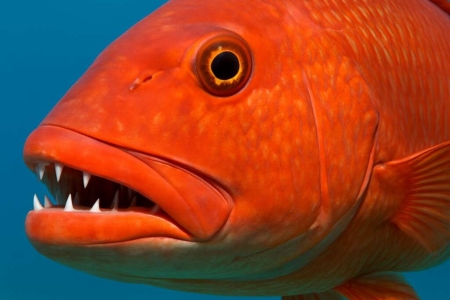
The Dusky Grouper Epinephelus marginatus is a striking species known for its robust build and distinctive appearance. This fish can reach impressive sizes, often exceeding 1.2 metres in length, with a weight that can surpass 30 kilograms. Its body is characterised by a deep, laterally compressed shape, giving it a formidable presence in its natural habitat. The coloration varies from mottled brown to dark grey, often with irregular patches that help it blend seamlessly into rocky seabeds.
One of the most notable features of the Dusky Grouper Epinephelus marginatus is its large, powerful mouth equipped with strong, conical teeth — perfect for seizing prey. Its dorsal fin runs almost the entire length of the back, with spines that add to its rugged silhouette. Juveniles tend to display brighter, more vivid markings, which gradually fade as they mature, giving way to their characteristic subdued tones. Recognising these physical traits is essential for both divers and fishermen aiming to identify this species accurately in the wild.
Scientific Classification – Taxonomy and species overview
The Dusky Grouper Epinephelus marginatus holds a distinguished place in marine taxonomy, captivating both scientists and enthusiasts alike. This species belongs to the family Epinephelidae, a group renowned for their impressive size and formidable appearance. Classified under the genus Epinephelus, the Dusky Grouper is a quintessential example of the diverse and complex taxonomy of reef-dwelling fish. Its scientific name, Epinephelus marginatus, reflects its distinctive features and evolutionary lineage, which has fascinated ichthyologists for decades.
Understanding the taxonomy of the Dusky Grouper Epinephelus marginatus offers insight into its ecological role and conservation status. As a top predator on rocky seabeds, this species plays a crucial part in maintaining the delicate balance of its habitat. The species’ distribution spans the warmer waters of the Mediterranean and parts of the Atlantic Ocean, where its presence is often a sign of healthy, thriving marine ecosystems.
- Family: Epinephelidae
- Genus: Epinephelus
- Species: Epinephelus marginatus
Recognising these classifications not only deepens our appreciation for the Dusky Grouper Epinephelus marginatus but also highlights the importance of preserving such remarkable marine life. Its intricate taxonomy underscores the rich biodiversity that continues to inspire awe beneath the waves.
Geographical Range – Habitat distribution across the Mediterranean and Atlantic
The Dusky Grouper Epinephelus marginatus commands a majestic presence across the rocky seabeds of the Mediterranean and Atlantic, embodying the wild beauty of the ocean’s hidden depths. Its sprawling range spans from the sun-kissed coasts of southern Europe to the rugged Atlantic shores, where it thrives amidst complex underwater landscapes. This species is often regarded as a barometer of healthy marine ecosystems, its presence signalling a thriving, balanced environment.
In the Mediterranean alone, the Dusky Grouper Epinephelus marginatus can be found lurking in caves and crevices, masterfully blending into its surroundings. Its habitat distribution is as diverse as it is delicate, with juveniles favouring sheltered coves and adults venturing into deeper, more exposed rocky terrains. To truly appreciate the grandeur of the Dusky Grouper Epinephelus marginatus, one must recognize the vital role these fish play in maintaining the ecological integrity of their habitats.
Conservation Status – Current conservation concerns and regulations
The Dusky Grouper Epinephelus marginatus stands as a symbol of marine resilience, yet its future hangs in the balance. Overfishing, habitat degradation, and illegal fishing practices have significantly impacted populations across its range. Recognised as a vulnerable species by the International Union for Conservation of Nature (IUCN), this majestic fish faces mounting threats that jeopardise its survival.
Current conservation concerns centre around the species’ slow growth rate and late sexual maturity, which make it especially susceptible to overexploitation. Regulations vary regionally but often include fishing bans, size limits, and protected areas. In some Mediterranean countries, strict no-take zones have been established to safeguard critical habitats and allow populations to recover.
- Implementation of sustainable fishing quotas
- Protection of spawning grounds and nursery areas
- Promotion of responsible catch-and-release practices
Despite these measures, ongoing monitoring and enforcement are crucial. The Dusky Grouper Epinephelus marginatus embodies the delicate balance between utilisation and conservation, reminding us of our collective responsibility to preserve its majestic presence for generations to come. The fight to protect this species continues, urging us all to stay vigilant and committed to marine sustainability.
Habitat and Behavior
Preferred Habitats – Rocky reefs, caves, and coastal structures
In the shadowy depths of their preferred environment, the Dusky Grouper Epinephelus marginatus finds refuge amidst the rugged beauty of rocky reefs. These formidable predators thrive where the ocean’s chaos meets serenity—hidden within caves and nestled around coastal structures that offer both sanctuary and vantage points. Their habitat is a testament to resilience, a complex tapestry of crevices and ledges that provide safety from larger threats and prime hunting grounds.
Such habitats aren’t merely a choice—they are a necessity for the Dusky Grouper Epinephelus marginatus. Here, they exhibit a behaviour that seems almost contemplative, patiently ambushing prey or resting in the dim light of submerged caves. Their presence alters the underwater landscape, making these rocky environments critical to the health of local marine ecosystems.
Within this intricate habitat, the Dusky Grouper Epinephelus marginatus demonstrates a remarkable adaptability, often favouring:
- Rocky reefs
- Underwater caves
- Coastal structures
Each element contributes to their survival, creating a delicate balance that underscores the importance of preserving these vital habitats. The behaviour of the Dusky Grouper Epinephelus marginatus is a silent testament to the complex interdependence of marine life and their environment—an enduring mystery that beckons further exploration and respect.
Behavioral Traits – Feeding habits, territoriality, and social behavior
The Dusky Grouper Epinephelus marginatus exemplifies a fascinating blend of patience and territorial prowess. These remarkable fish are known for their strategic hunting techniques, often lurking in the shadows of rocky caves or nestled within coastal structures, waiting for just the right moment to strike. Their feeding habits are primarily predatory, with a preference for slow-moving fish, crustaceans, and molluscs, which they ambush with surprising agility. Their territorial nature is evident; they establish and defend specific zones, often remaining within their chosen habitat for extended periods. This behaviour fosters a delicate balance within the ecosystem, as their presence influences the distribution of prey species and shapes the local marine environment.
Observing a Dusky Grouper Epinephelus marginatus in its natural habitat offers a glimpse into a complex social dynamic. While generally solitary, they occasionally form loose aggregations during spawning seasons. Their behaviour illustrates a keen sense of spatial awareness, with these fish often claiming particular caves or rocky ledges as their domain. Some researchers suggest that their territoriality is a key factor in their resilience, helping them avoid competition and maintain a stable population within their preferred habitat range.
- Feeding habits revolve around ambush predation, targeting fish and crustaceans.
- Territorial behaviour involves defending specific caves or rocky outcrops.
- Occasional social interactions occur during spawning, revealing a nuanced social structure.
Reproduction and Mating – Spawning aggregations and reproductive cycle
The reproductive mysteries of the Dusky Grouper Epinephelus marginatus are as captivating as their elusive underwater hideouts. These resilient fish, often found lurking in rocky caves and coastal crevices, have a reproductive cycle that is as strategic as a chess master’s move. During spawning seasons, they gather in loosely organised aggregations, sometimes numbering in the dozens, to ensure their genes continue to swim through the Mediterranean and Atlantic currents. Interestingly, the Dusky Grouper Epinephelus marginatus does not follow a predictable timetable; instead, their spawning is triggered by environmental cues like water temperature and lunar phases, turning their reproductive cycle into a precise dance of timing and chance.
Spawning events typically occur during late winter and early spring, with males and females releasing gametes into the water column, creating a fertilisation frenzy that would make even the most stoic angler’s jaw drop. These fish display a fascinating behaviour known as protogynous hermaphroditism, where they start life as females and some later transition into males—talk about a fish with a plan! Such reproductive strategies are vital for maintaining healthy populations and preventing the overpopulation of one sex over the other. The occasional formation of spawning aggregations not only boosts reproductive success but also highlights the importance of protecting these vital gatherings from overfishing and habitat disturbance, ensuring that the mysterious life cycle of the Dusky Grouper Epinephelus marginatus continues undisturbed.
Migration Patterns – Seasonal movements and habitat connectivity
Understanding the migration patterns of the Dusky Grouper Epinephelus marginatus reveals much about its resilience and adaptability. These fish exhibit seasonal movements that are closely tied to environmental cues and habitat availability. During colder months, they often retreat to deeper, more stable rocky reefs, seeking refuge in caves and crevices that provide shelter from harsh conditions. As spring approaches, they migrate closer to coastal zones, where food sources are more abundant and spawning opportunities increase.
Habitat connectivity plays a vital role in their seasonal behaviour. The Dusky Grouper Epinephelus marginatus relies on a network of rocky structures that act as stepping stones for migration. Disruption of these habitats—whether through overfishing, pollution, or habitat destruction—can fragment these pathways, impacting their ability to complete natural migrations. Protecting these interconnected habitats is essential to ensuring the long-term survival of this elusive species.
In some regions, their movement patterns also align with lunar phases, adding another layer of complexity to their seasonal migrations. Researchers continue to study these patterns to better understand how environmental factors influence their behaviour and how we can support their conservation efforts. Truly, the Dusky Grouper Epinephelus marginatus exemplifies a fish finely tuned to its environment—one that depends heavily on intact, connected habitats for its seasonal journey through the Mediterranean and Atlantic waters.
Diet and Feeding Habits
Diet Composition – Prey types and size preferences
In the shadowy depths where silence reigns, the Dusky Grouper Epinephelus marginatus prowls as a master of the dark aquatic realm. Its diet is a testament to the predatory elegance that cloaks its formidable presence. This elusive creature preys predominantly on a variety of fish and crustaceans, forging a diet that reflects the haunted, rugged landscapes it inhabits—rocky reefs, caves, and coastal structures that serve as both sanctuary and hunting ground.
The prey types for the Dusky Grouper Epinephelus marginatus span from swift-moving small fish to the slow, lumbering crustaceans that lurk in crevices. Its size preferences lean towards the smaller to medium-sized prey—yet its insatiable hunger can sometimes tempt it to hunt larger prey, testing the limits of its formidable strength. A typical feeding session involves calculated ambushes, where shadows blend seamlessly into the gloom, allowing this spectral predator to strike with lethal precision.
- Small fish, including wrasse and blennies
- Crustaceans such as crabs and lobsters
- Occasionally, larger prey like octopus or cuttlefish
The Dusky Grouper Epinephelus marginatus is a creature of patience and silent menace, embodying the mysterious, almost ghostly rhythm of the deep. Its feeding habits, marked by territoriality and strategic ambushes, paint a darkly poetic picture of survival in the shadowed oceans.
Feeding Behavior – Hunting strategies and feeding times
The Dusky Grouper Epinephelus marginatus is an enigmatic predator that operates within the silent symphony of the deep. Its feeding behaviour exemplifies patience and precision, embodying a predatory elegance that seems almost poetic. These fish are primarily ambush hunters, relying on their mastery of shadows to conceal themselves in rocky reefs and caves, where they wait for the perfect moment to strike. Their hunting times often coincide with dawn and dusk, when the subdued light grants them an advantage, allowing them to blend seamlessly into the environment while stalking prey.
The Dusky Grouper Epinephelus marginatus employs calculated ambush tactics and strategic positioning, making its feeding sessions a testament to silent menace. Its diet consists mainly of small fish such as wrasse and blennies, along with crustaceans like crabs and lobsters. Occasionally, larger prey such as octopus or cuttlefish fall victim to its formidable jaws. This opportunistic approach to feeding ensures the species’ survival amidst the rugged, unpredictable habitats it inhabits.
Role in Ecosystem – Predator-prey dynamics and ecological significance
The Dusky Grouper Epinephelus marginatus plays a vital role in maintaining the delicate balance of its marine ecosystem. As an apex predator within its habitat, it exerts significant influence over prey populations, helping to regulate the abundance of smaller fish and crustaceans. This natural predation fosters a dynamic predator-prey relationship that sustains biodiversity in rocky reef environments and caves.
The species’ opportunistic feeding habits contribute to its ecological significance. By preying on a variety of small fish such as wrasse and blennies, as well as crustaceans like crabs and lobsters, the Dusky Grouper Epinephelus marginatus helps control the abundance of these species, preventing overpopulation and promoting healthy reef ecosystems. Occasionally, larger prey such as octopus or cuttlefish are added to its diet, showcasing its adaptability and strategic hunting prowess.
Understanding the feeding behaviour of the Dusky Grouper Epinephelus marginatus underscores its importance in predator-prey dynamics — a cornerstone of marine ecological stability. Its calculated ambush tactics and preference for dawn and dusk hunting times ensure efficient prey capture, maintaining a natural balance that benefits the entire ecosystem.
Impact of Human Activities – Effects of fishing and habitat disturbance
The Dusky Grouper Epinephelus marginatus is a formidable predator, but human activities are steadily eroding its natural feeding grounds. Overfishing has led to a significant decline in mature populations, which directly impacts their diet and feeding habits. When fishing targets large individuals, the species’ ability to control prey populations diminishes, disrupting the delicate predator-prey balance in its ecosystem.
Habitat disturbance from coastal development and destructive fishing methods further reduces available shelter, forcing the Dusky Grouper Epinephelus marginatus into less optimal feeding areas. This change can lead to nutritional stress and decreased reproductive success. To understand the importance of this species, consider its role in preying on small fish like wrasse and crustaceans—key species that help maintain reef health. When the population of the Dusky Grouper Epinephelus marginatus declines, overpopulation of prey species can occur, resulting in imbalanced reef ecosystems.
Protecting the species’ habitat and regulating fishing practices are vital steps. By ensuring the preservation of rocky reefs and caves, we support the natural feeding behaviour of the Dusky Grouper Epinephelus marginatus. Sustainable management of fisheries and habitat conservation are crucial in maintaining this apex predator’s ecological role and ensuring the resilience of Mediterranean and Atlantic marine environments.
Fishing and Culinary Uses
Recreational and Commercial Fishing – Techniques, regulations, and sustainability
Few fish evoke the same sense of awe as the Dusky Grouper Epinephelus marginatus, especially among avid anglers and culinary enthusiasts alike. Its robust frame and striking coloration make it a prized catch, yet its value extends beyond sport fishing. For recreational and commercial fishers, understanding sustainable practices when targeting the Dusky Grouper Epinephelus marginatus is essential to preserving this iconic species. Techniques such as handlines and trap fishing are popular, but regulations often restrict catch sizes and seasons to prevent overharvesting. Adhering to these rules ensures future generations can enjoy this magnificent fish.
In the kitchen, the Dusky Grouper Epinephelus marginatus is celebrated for its firm, flaky flesh and rich, savoury flavour. It lends itself beautifully to grilling, baking, or pan-frying, becoming a centrepiece on many Mediterranean tables. Due to its popularity, responsible fishing practices are vital to maintain its ecological role. Fishers prioritise catch limits and seasonal closures, aligning with conservation efforts that promote the species’ long-term sustainability. Whether caught by recreational anglers or commercial fleets, respecting these regulations helps keep the Dusky Grouper Epinephelus marginatus thriving in its natural habitat.
Market Value – Economic importance and fish prices
The Dusky Grouper Epinephelus marginatus isn’t just a catch; it’s a maritime treasure that commands respect and a hefty price tag in fish markets across the Mediterranean and Atlantic coasts. Its economic importance is undeniable, often fetching premium prices due to its firm, flaky flesh and culinary versatility. From high-end restaurants to bustling fishmongers, this species’s market value reflects its desirability and status as a delicacy.
In terms of market prices, the Dusky Grouper Epinephelus marginatus can command anywhere from £15 to £30 per kilogram, depending on freshness and regional demand. Its popularity in gourmet dishes, especially grilled or baked, sustains a steady demand that keeps fishers eager to target this species — sometimes at the expense of sustainable practices. However, responsible fishing regulations and catch limits are crucial to maintain its long-term market value and ecological role.
For fishers and consumers alike, the allure of the Dusky Grouper Epinephelus marginatus is matched by its role in the local economy. Its presence in markets not only supports livelihoods but also highlights the importance of sustainable fishing practices that ensure this marine gem remains available for future generations. After all, a good fish, much like a good story, should be shared, not overfished into oblivion.
Culinary Qualities – Taste, texture, and popular recipes
The Dusky Grouper Epinephelus marginatus is a culinary delight treasured by chefs and seafood lovers alike. Its firm, flaky flesh lends itself beautifully to a variety of gourmet recipes, making it a sought-after catch in Mediterranean and Atlantic markets. The taste is rich and slightly sweet, with a subtle briny undertone that echoes its rocky habitat. Its texture strikes a perfect balance—succulent yet meaty, offering a satisfying bite that enhances any dish.
Many chefs swear by simple preparations that highlight its natural flavours. Grilling or baking the Dusky Grouper Epinephelus marginatus with herbs like rosemary and thyme brings out its best qualities. Popular recipes include:
- Herb-crusted baked grouper fillets
- Grilled steaks with lemon and olive oil
- Stews and broths that incorporate the fish’s robust essence
For those passionate about seafood, the culinary versatility of the Dusky Grouper Epinephelus marginatus makes it a true star at the table. Its unique taste and texture have cemented its reputation as a premium ingredient, elevating any dish into a memorable experience. Whether served simply or as part of a complex recipe, this species consistently impresses with its flavourful character and culinary potential.
Cooking Tips and Handling – Best practices for preparing and cooking
Mastering the art of preparing the Dusky Grouper Epinephelus marginatus requires a delicate touch and respect for its robust qualities. When fishing for this prized species, it’s essential to handle it with care to preserve its firm flesh, which can be easily damaged if not properly stored. Ideally, fish should be kept on ice immediately after catch, preventing deterioration and maintaining its flavour profile. A quick bleed-out process also ensures the meat remains clean and succulent, ready for the kitchen.
Cooking techniques that highlight the natural richness of the Dusky Grouper Epinephelus marginatus tend to be straightforward yet sophisticated. Grilling over open flame infuses a smoky depth that complements its slightly sweet undertones. Baking with herbs such as rosemary, thyme, and garlic turns the flesh tender and aromatic, making it a favourite among chefs. For added moisture and flavour, many prefer to cook the fish at moderate temperatures, avoiding overcooking which can toughen the flesh.
- Ensure the fish is scaled and gutted properly, removing any residual blood or impurities.
- Marinate lightly with olive oil, lemon, and aromatic herbs for enhanced taste.
- Cook until the flesh just begins to flake, avoiding overexposure to heat that can diminish its texture.
When preparing the Dusky Grouper Epinephelus marginatus, a key tip is to pay attention to its natural oil content. Its firm, flaky texture responds beautifully to gentle cooking methods, preserving its signature succulent bite. Whether you’re pan-frying fillets or roasting whole, respecting its delicate structure ensures a memorable culinary experience. The versatility of this species makes it a staple in many seafood recipes, but handling it with care is what transforms a good dish into a true masterpiece.
Conservation and Sustainability
Protection Measures – Marine protected areas and fishing restrictions
Protecting the majestic Dusky Grouper Epinephelus marginatus has become a vital priority for marine conservationists around the Mediterranean and Atlantic coasts. With their populations facing increasing pressure from overfishing and habitat degradation, targeted measures are essential to ensure their survival. Marine protected areas (MPAs) serve as sanctuaries where these extraordinary fish can thrive without the threat of relentless exploitation.
Within these protected zones, fishing restrictions are often strictly enforced, limiting or banning the capture of Dusky Grouper Epinephelus marginatus. Such regulations help sustain not only the species but also the delicate ecosystem they inhabit. A few key protection measures include:
- Establishing MPAs that encompass critical habitats like rocky reefs and caves.
- Implementing seasonal fishing bans during spawning periods to safeguard reproductive aggregations.
- Enforcing size and bag limits to prevent overharvesting of juveniles and mature individuals.
These strategies work synergistically to bolster the resilience of the Dusky Grouper Epinephelus marginatus, ensuring future generations can continue to admire their splendour beneath the waves. Ultimately, sustainable practices and robust conservation policies are the backbone of preserving this iconic species for years to come.
Breeding and Restocking Programs – Efforts to sustain populations
Conservation efforts for the Dusky Grouper Epinephelus marginatus are vital to restoring its dwindling numbers across the Mediterranean and Atlantic coasts. Breeding and restocking programmes have emerged as essential tools in safeguarding this majestic species, which faces threats from overfishing and habitat loss. These initiatives aim to bolster wild populations by nurturing juvenile fish in controlled environments before releasing them into natural habitats, revitalising local ecosystems and ensuring genetic diversity.
Success hinges on carefully managed breeding programmes that simulate natural reproductive cycles, often involving the collection of broodstock during peak spawning periods. Restocking efforts are then strategically executed in critical habitats like rocky reefs, caves, and coastal structures—areas where the Dusky Grouper Epinephelus marginatus naturally thrives.
Efforts to support sustainable populations include:
- Establishing hatcheries focused on the species’ specific reproductive needs.
- Monitoring genetic health to prevent inbreeding and maintain robust populations.
- Collaborating with local communities to promote awareness and responsible fishing practices.
By intertwining conservation science with dedicated community engagement, these initiatives aim to secure a future where the Dusky Grouper Epinephelus marginatus continues to enchant divers and anglers alike, all while supporting the ecological balance of its native waters. Such programmes are not just about replenishing numbers but about weaving a resilient tapestry of life beneath the waves—preserving the splendour of this extraordinary fish for generations to come.
Community Involvement – Education and awareness initiatives
Conservation and sustainability are more than just buzzwords when it comes to protecting the Dusky Grouper Epinephelus marginatus. Community involvement plays a crucial role in ensuring this majestic fish thrives for generations. Education initiatives raise awareness among local communities, divers, and fishers about the importance of safeguarding its habitat.
Engaging the public fosters a sense of stewardship. Outreach programmes often include workshops, school activities, and citizen science projects. These efforts help demystify the complex life cycle of the Dusky Grouper Epinephelus marginatus and highlight its ecological significance. Such initiatives also promote responsible fishing practices, reducing pressure on wild populations.
- Participating in habitat restoration projects
- Supporting marine protected areas
- Advocating for sustainable fishing regulations
By integrating education with hands-on conservation activities, communities become vital allies in the quest to preserve the Dusky Grouper Epinephelus marginatus. This collective effort ensures that the species remains a vibrant part of our marine ecosystems, enriching both biodiversity and local livelihoods.
How to Support Sustainability – Responsible fishing and purchasing choices
In the delicate dance of marine conservation, every choice we make echoes through the intricate web of oceanic life. The Dusky Grouper Epinephelus marginatus, a symbol of Mediterranean reefs and Atlantic rocky outcrops, exemplifies both the splendour and vulnerability of our marine ecosystems. Supporting sustainable practices is more than a moral imperative; it is a vital act of stewardship that safeguards this majestic species for future generations.
Responsible fishing and purchasing choices form the backbone of sustainability efforts. Opting for sustainably sourced seafood, for instance, directly influences fishing practices and discourages overexploitation. Many fisheries adhere to regulations that limit catch sizes or restrict fishing seasons, helping to maintain healthy populations of the Dusky Grouper Epinephelus marginatus. Engaging with certified sustainable seafood brands ensures that consumers contribute to the preservation of this iconic species.
Moreover, supporting marine protected areas (MPAs) plays a pivotal role. These sanctuaries serve as refuges where Dusky Grouper Epinephelus marginatus can thrive undisturbed, allowing populations to recover and ecosystems to flourish. Participating in or advocating for habitat restoration projects further enhances the resilience of rocky reefs and coastal structures vital to this species’ survival.
- Choose sustainably caught fish to prevent overfishing.
- Support marine protected areas that provide safe habitats.
- Advocate for effective fishing regulations that protect the Dusky Grouper Epinephelus marginatus.
By aligning our consumption habits with conservation principles, each of us becomes a vital part of a collective effort. The preservation of the Dusky Grouper Epinephelus marginatus is more than ecological necessity; it is a testament to our commitment to a balanced, vibrant marine world. Every responsible purchase and advocacy effort helps ensure that this captivating species continues to enchant future generations with its presence in the wild.

 by
by 







Latest Comments