Taxonomy and Botanical Description
Scientific Classification – Genus Hedera and species details
Hedera cypria isn’t just another climbing plant; it’s a botanical marvel with a classification as precise as a surgeon’s scalpel. This species belongs to the genus Hedera, renowned for its hardy, evergreen vines that can turn even the dullest walls into lush green masterpieces. Scientifically speaking, Hedera cypria falls under the family Araliaceae, placing it among other resilient, woody-stemmed climbers. Its taxonomy isn’t just a fancy label — it reveals a lot about its behaviour, habitat, and remarkable adaptability.
Within the genus Hedera, Hedera cypria distinguishes itself through unique botanical features. Its glossy, dark-green leaves are often variegated, providing a striking contrast against the rugged terrains of Cyprus, where it’s native. The species thrives in rocky, well-drained soils, often clinging tenaciously to cliff faces and ancient ruins, proving that beauty and resilience can coexist in perfect harmony.
- Genus: Hedera
- Species: Hedera cypria
This precise scientific classification not only cements Hedera cypria’s place in the plant kingdom but also highlights its potential for use in sustainable landscaping projects. Truly, this species is a botanical gem deserving of its niche among the hardy, evergreen climbers.
Physical Characteristics – Leaf shape, size, and texture
In the quiet, rugged terrains of Cyprus, Hedera cypria emerges as a botanical enigma—an emblem of resilience woven into the very fabric of its native landscape. Its taxonomy, rooted firmly within the family Araliaceae, underscores its place among hardy, woody-stemmed climbers renowned for their tenacity. This species’ classification reveals more than just botanical lineage; it unveils its innate adaptability and its capacity to thrive amidst rocky, well-drained soils.
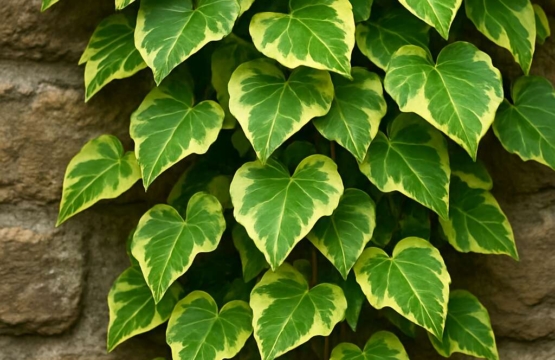
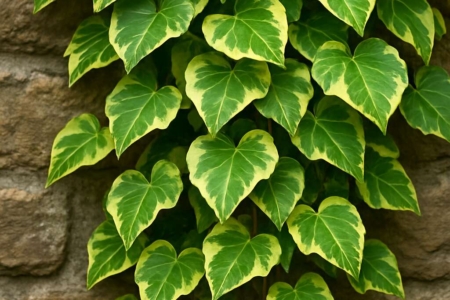
When it comes to botanical description, Hedera cypria’s physical characteristics are nothing short of captivating. Its leaves, typically glossy and dark-green, often feature variegated edges that shimmer in the Mediterranean sunlight. These leaves are predominantly ovate—broad at the base and tapering to a point—with a leathery, textured surface that withstands the harshest of environments. The size varies, but they generally measure between 8 to 12 centimetres in length, offering a lush, dense canopy that provides both visual intrigue and ecological benefits.
- Distinctive leaf shape: ovate with pointed tips
- Size: 8 to 12 centimetres long
- Texture: leathery and glossy
Its resilient foliage, combined with a robust climbing habit, enables Hedera cypria to cling securely to rocky surfaces and man-made structures alike. This species’ remarkable leaf texture and shape not only serve as a testament to its adaptation but also elevate its appeal as a sustainable landscaping choice—an evergreen vine that embodies both beauty and durability in every leaf.
Growth Habits – Climbing, sprawling, and establishing patterns
Hedera cypria’s growth habits reveal a fascinating interplay between resilience and natural artistry. As a species that instinctively seeks out vertical surfaces, it exhibits a remarkable climbing ability, often enveloping rocky cliffs and crumbling walls with an almost poetic persistence. Its sprawling tendrils extend outward, establishing intricate patterns that seem to mirror the chaotic beauty of nature’s unrestrained creativity.
What makes Hedera cypria truly captivating is its adaptive strategy. It employs specialized aerial roots that cling tenaciously to diverse substrates, ensuring stability even in the most rugged terrains of Cyprus. This tenacity allows it to thrive in well-drained, rocky soils, where few other plants dare to venture.
In terms of growth pattern, Hedera cypria can be seen in two primary forms:
- Vertical climbing, often reaching impressive heights, transforming barren walls into lush green tapestries.
- Horizontal sprawling, covering ground and creating dense mats that serve as natural insulators and ecological niches.
This dynamic growth habit not only highlights Hedera cypria’s adaptability but also underscores its role as a vital component of the Mediterranean ecosystem. Its ability to establish itself securely in harsh environments makes it a resilient choice for sustainable landscaping, blending ecological function with visual splendour.
Distinctive Features – Unique identifiers of Hedera cypria
Hedera cypria stands out not only for its striking visual appeal but also for its unique botanical identity. As a member of the Araliaceae family, this species has carved out a distinctive niche within the Mediterranean flora. Its taxonomy reveals a close relation to other ivy species, yet Hedera cypria’s specific traits set it apart. Recognised for its resilience in rugged environments, it has adapted to thrive on Cyprus’s rocky terrains, making it a vital component of local ecosystems.
Botanically, Hedera cypria exhibits an array of features that make it easily identifiable. Its leaves are typically ovate, with a glossy, dark green surface that often bears subtle variegation. The plant’s juvenile leaves are smaller and more rounded, contrasting with the larger, mature leaves that can reach impressive sizes. A notable feature is the plant’s aerial roots—these filamentous structures cling tenaciously to surfaces, providing stability and enabling its characteristic climbing habit.
- Distinctive leaf shape and size
- Glossy, dark green foliage with subtle variegation
- Presence of specialized aerial roots
These features not only help in identifying Hedera cypria in the wild but also contribute to its ecological role. Its ability to establish itself on vertical and horizontal surfaces showcases an adaptable botanical design that blends resilience with natural artistry. For those interested in sustainable landscaping or native plant conservation, Hedera cypria’s unique identifiers make it an appealing choice for ecological projects and preservation efforts alike.
Habitat and Geographical Range
Native Regions – Cyprus and surrounding areas
Hedera cypria is a rare and captivating plant native to the Mediterranean region, with a stronghold on the island of Cyprus. Its habitat primarily consists of rocky slopes, shaded forest edges, and limestone cliffs, where it clings tenaciously to vertical surfaces. This resilient ivy thrives in microclimates that offer both sunlight and shade, allowing it to flourish amidst the rugged terrain of its native surroundings.
The geographical range of Hedera cypria is quite specific. It is endemic to Cyprus and surrounding areas, which means it does not naturally occur elsewhere. The plant’s preferred regions include the Troodos Mountains and the coastal cliffs, where the climate remains moderate and the soil composition supports its growth. Its limited distribution makes Hedera cypria particularly vulnerable, highlighting the importance of preserving its natural habitat.
- Troodos Mountains
- Coastal cliffs of Cyprus
- Shaded limestone slopes
Preferred Climate Conditions – Temperature, humidity, and sunlight needs
Hedera cypria thrives in microclimates that offer a delicate balance of sunlight and shade, making its habitat as rugged as it is fascinating. Found predominantly on rocky slopes, shaded limestone cliffs, and the forest edges of Cyprus, this endemic ivy has adapted to cling tenaciously to vertical surfaces, often surviving in the most challenging conditions. Its resilience is a testament to the plant’s specialised habitat requirements, which include well-drained, limestone-rich soils that support its growth without overwhelming it.
The geographical range of Hedera cypria is remarkably confined, confined mostly to the Troodos Mountains and coastal cliff faces of Cyprus. These regions provide moderate temperatures and humidity levels, essential for the plant’s survival. In the highlands, the climate is cooler and more stable, while the coastal areas offer a unique blend of maritime influences, creating an environment that sustains this rare species. The plant’s specific climate needs include:
- Temperatures ranging from 10°C to 25°C, avoiding extreme heat or cold
- High humidity levels, particularly in shaded forested zones
- Filtered sunlight, avoiding direct, intense rays that could damage delicate foliage
Understanding the subtle nuances of Hedera cypria’s habitat is key to appreciating its delicate existence in the wild — a true marvel of adaptation amidst the rugged Cypriot landscape.
Soil Preferences – Type, drainage, and fertility
Hedera cypria, an elusive treasure of Cyprus’s rugged landscape, thrives in a remarkably specific habitat that few other plants can claim. Its preferred environment is characterised by well-drained, limestone-rich soils that provide the perfect foundation for its tenacious roots. This endemic ivy has evolved to cling fiercely to vertical surfaces such as rocky slopes and shaded limestone cliffs, often surviving in the most challenging conditions. The plant’s delicate balance of soil acidity and mineral content is vital—too rich or poorly drained, and it struggles to establish itself.
In its limited geographical range, Hedera cypria displays a preference for rocky terrains that offer excellent drainage and moderate fertility. These areas are often shaded or partially shaded, reducing soil evaporation and maintaining optimal moisture levels. Its specialised soil needs are complemented by an environment that avoids overly wet or compacted substrates, which could threaten its survival. The plant’s resilience stems from its ability to adapt to these microhabitats, making its soil preferences as unique as its striking appearance.
- Well-drained, limestone-rich soils
- Moderate fertility levels, avoiding overly nutrient-rich substrates
- Vertical surfaces that promote natural drainage and minimise water retention
Ecological Role – Interactions with native flora and fauna
Hedera cypria, a captivating emblem of Cyprus’s rugged terrain, occupies a niche in the island’s delicate ecological tapestry. Its habitat is a mosaic of rocky cliffs, shaded limestone slopes, and vertical surfaces where the plant’s roots grip tightly, thriving in microclimates that few other species can endure. This endemic ivy’s survival hinges on a finely tuned balance of soil and environment, making it an ecological keystone within its native range.
Within its limited geographical range, Hedera cypria plays a vital role in supporting native flora and fauna. It provides shelter for numerous insects and small birds, creating a microhabitat that encourages biodiversity amidst the rocky landscape. Its sprawling, climbing habit intertwines with other endemic plants, forming natural corridors that facilitate ecological connectivity across steep cliffs and shaded groves.
As a specialised plant, Hedera cypria interacts symbiotically with its environment, influencing soil stability and moisture retention. Its presence can even impact the microclimate of its habitat, offering refuge from harsh sun and wind. The plant’s unique positioning on limestone cliffs and rocky slopes positions it as a key player in Cyprus’s ecological mosaic, fostering resilience and diversity in one of the Mediterranean’s most intriguing landscapes.
Cultivation and Care Tips
Planting Guidelines – Best practices for planting Hedera cypria
Establishing Hedera cypria in your garden is an enchanting journey, one that rewards patience and attentive care. This resilient climber, native to Cyprus, thrives best when planted in conditions that mimic its natural habitat—warm, well-drained soils with a touch of humidity. When embarking on the planting process, ensure you select a location with ample sunlight, as Hedera cypria adores basking in the sun’s gentle rays, yet can tolerate partial shade if needed.
For optimal growth, loosen the soil thoroughly, enriching it with organic matter to enhance fertility and drainage. Plant the Hedera cypria at a depth roughly twice the size of its root ball, and gently firm the soil around it. To encourage vigorous establishment, consider creating a trellis or support system, guiding its climbing tendencies upward. Regular watering during the first growing season is essential, but avoid waterlogging, which can hinder root development and compromise the plant’s health.
- Ensure the soil is moist but not saturated.
- Maintain a consistent watering schedule during dry spells.
- Apply a balanced fertiliser in early spring to promote lush foliage and vigorous growth.
Watering and Fertilization – Optimal watering schedules and nutrients
Hedera cypria, with its lush, emerald foliage and graceful climbing tendrils, demands more than just initial planting — it requires attentive cultivation to truly flourish. Watering practices play a pivotal role in ensuring its vibrant growth. During the warmer months, a consistent watering schedule is vital, especially during dry spells when the soil tends to dry out quickly. The key is maintaining soil moisture without tipping into saturation, as overly wet roots can lead to rot and stifle its natural vigour.
Fertilisation, while simple, must be approached with care. A balanced fertiliser applied in early spring provides the essential nutrients needed for the development of lush foliage. For optimal results, consider using a liquid feed every four to six weeks during the active growing season, which encourages vigorous upward growth and enhances the plant’s ecological charm. Remember, Hedera cypria thrives in well-drained, fertile soil, and its health hinges on the delicate balance of water and nutrients.
- Ensure the soil remains moist but not waterlogged to prevent root rot.
- Apply a balanced fertiliser in early spring to promote lush foliage.
- Maintain a consistent watering schedule, especially during prolonged dry periods.
By paying close attention to its watering and fertilisation needs, the enchanting Hedera cypria can be transformed into a striking feature in any garden, weaving its natural elegance into the fabric of your outdoor sanctuary.
Pruning and Maintenance – Techniques for healthy growth and aesthetics
Healthy growth of Hedera cypria hinges on proper pruning and maintenance. Regular pruning encourages dense foliage and prevents the plant from becoming leggy. It’s best to trim in early spring or late autumn, removing dead or weak stems to promote vigorous new growth. This not only improves aesthetics but also supports the plant’s natural climbing habit.
For optimal health, employ a combination of techniques that balance aesthetics with plant vitality. For example, you can use selective pruning to shape the plant and remove overgrown tendrils. Additionally, staking or supporting Hedera cypria during its early growth stages can help establish a strong framework.
- Remove dead or damaged leaves promptly
- Cut back overcrowded stems to improve airflow
These simple steps ensure your Hedera cypria remains lush and resilient.
Maintenance also involves monitoring for pests and diseases. Regular inspection keeps the plant healthy and vibrant. Remember, consistent care can turn Hedera cypria into a striking feature, blending natural elegance with effortless charm. Proper pruning and attentive maintenance are key to nurturing a thriving, beautiful Hedera cypria in any garden setting.
Pest and Disease Management – Common issues and prevention strategies
Hedera cypria, with its lush, evergreen foliage and enchanting climbing habit, captivates gardeners and nature lovers alike. Yet, even the most resilient Hedera species are susceptible to pests and diseases if left unchecked. Vigilance is key; regular inspections can catch issues before they escalate, ensuring your Hedera cypria remains a vibrant feature of your garden.
Common pests such as aphids, scale insects, and spider mites can quickly mar the glossy leaves. These unwelcome visitors often cluster on new growth or undersides of leaves, making early detection vital. Employing organic insecticidal soap or introducing natural predators like ladybirds can serve as effective prevention strategies. Additionally, maintaining good airflow around the plant reduces humidity levels that encourage fungal infections.
Fungal diseases, including leaf spot and mould, are another concern. To mitigate this, ensure proper spacing during planting and avoid overwatering, as damp conditions foster disease development. For persistent problems, removing infected foliage promptly helps contain the spread.
- Regularly check for discolouration or unusual spots
- Maintain a clean, debris-free environment around Hedera cypria
- Use environmentally friendly treatments when necessary
In essence, a combination of vigilant pest management and proactive disease prevention keeps Hedera cypria thriving, allowing its natural elegance to flourish with minimal fuss. The secret lies in understanding its vulnerabilities and responding swiftly—turning your garden into a sanctuary of resilient, verdant beauty.
Uses and Applications
Ornamental Use – Landscaping, walls, and decorative purposes
Hedera cypria isn’t just a botanical marvel; it’s a versatile superstar in ornamental landscaping. With its lush, evergreen foliage and graceful climbing tendencies, it transforms mundane walls and fences into green masterpieces that breathe life into any space. Whether draping over trellises or cascading down garden walls, Hedera cypria adds a touch of natural elegance that’s hard to beat.
Its decorative appeal makes Hedera cypria a go-to choice for creating living walls and green screens, offering privacy without sacrificing style. Garden designers adore its ability to soften stark architectural features while providing a lush backdrop for colourful blooms or sculptures. For those seeking to elevate their outdoor aesthetics, Hedera cypria’s ornamental applications are boundless.
- Climbing on structures to create vertical gardens that wow visitors
- Covering walls for instant visual impact and privacy
- Adding greenery to patios and courtyards for a cosy, inviting atmosphere
In the world of landscaping, Hedera cypria’s decorative prowess is unmatched, making it an essential element for those who appreciate both beauty and functionality in their outdoor design. Its ability to blend seamlessly with various styles—from modern minimalism to rustic charm—cements its status as a perennial favourite among landscapers and garden enthusiasts alike.
Environmental Benefits – Air purification and habitat creation
Hedera cypria isn’t just a stunning ornamental plant; it’s a powerful ally in promoting environmental health. Its dense, evergreen foliage acts as a natural air purifier, filtering pollutants and improving air quality—an invaluable benefit in urban settings where clean air is at a premium. Beyond its aesthetic charm, Hedera cypria provides vital habitat for local wildlife, offering shelter and nourishment for birds, insects, and small mammals.
In fact, planting Hedera cypria can significantly enhance biodiversity in your garden or cityscape. Its sprawling vines create a lush, natural habitat that encourages a thriving ecosystem. For those interested in maximising ecological benefits, consider incorporating these applications:
- Creating green corridors that support native fauna
- Covering walls and fences to attract pollinators such as bees and butterflies
- Providing shelter for small birds and beneficial insects
This resilient plant’s ability to purify the environment while fostering sustainable habitats underscores its value—not just as an ornamental feature but as a vital ecological component. When carefully integrated into landscaping, Hedera cypria transforms spaces into vibrant, living ecosystems, demonstrating nature’s silent strength and resilience.
Traditional and Cultural Significance – Historical uses in Cyprus
Hedera cypria isn’t just admired for its lush, evergreen appeal—this resilient vine carries a rich tapestry of traditional and cultural significance rooted deep within Cypriot history. In ancient times, Hedera cypria was revered as a symbol of eternal life and fidelity, often woven into wedding ceremonies and sacred rituals. Its hardy nature made it a favourite among locals who valued its ability to thrive in Cyprus’ rocky terrains, making it a symbol of perseverance and resilience.
Historically, Hedera cypria was also used for practical purposes, such as creating natural bindings and decorative motifs in local crafts. The plant’s ability to cling and cover structures meant it was a natural choice for covering sacred temples and tombs, adding a layer of spiritual protection and aesthetic grandeur. Its cultural importance extends to folklore, where it was believed to ward off evil spirits and bring good fortune.
In contemporary Cyprus, Hedera cypria continues to be woven into traditional festivities and landscape design, symbolising a deep connection to the land and its natural heritage. Whether adorned on ancient stone walls or celebrated in local stories, the enduring legacy of Hedera cypria highlights its role as more than just a plant—it’s a living emblem of Cypriot identity and natural history.
- Traditional use in sacred rituals
- Cultural symbol of resilience and fidelity
- Decorative motif in local crafts and architecture
Potential for Commercial Use – Horticultural and sustainable projects
Hedera cypria’s versatility extends far beyond its traditional roots, offering intriguing opportunities for modern commercial use in horticultural and sustainable projects. With its vigorous climbing ability and evergreen foliage, this native Cypriot plant can transform urban landscapes into lush, living art installations. Its resilience makes it an ideal candidate for eco-friendly green walls and vertical gardens, contributing to sustainable building practices and improving air quality.
In addition to its aesthetic appeal, Hedera cypria has potential as a natural ground cover in ecological restoration projects. Its ability to stabilise soil and prevent erosion is particularly valuable in rocky or degraded terrains. For landscape architects, integrating Hedera cypria into design schemes can create striking visual effects — especially when trained along structures like arches or trellises. Its hardy nature ensures longevity, reducing the need for intensive maintenance and chemical treatments.
- Hedera cypria can be cultivated for commercial nurseries aiming to supply native, drought-tolerant plants.
- Its adaptability to various soil types and climates makes it a sustainable choice for eco-conscious projects across the Mediterranean basin.
Conservation and Threats
Current Conservation Status – Endangered or common, protected areas
Hedera cypria, a striking member of the ivy family, faces mounting threats that put its very existence at risk. Once a common sight in the lush landscapes of Cyprus, this endemic species now teeters on the brink of endangerment. Its habitat—rich, rocky cliffs and ancient ruins—are increasingly compromised by urban expansion and unsustainable tourism.
Current conservation efforts focus on protecting critical habitats through designated areas, yet challenges persist.
- Illegal collection
- Habitat destruction
- Invasive species
continue to threaten Hedera cypria’s survival. Despite these obstacles, local authorities and environmental groups are united in their mission to curb decline. Recognising its ecological importance, conservationists advocate for stricter legal protections and community awareness. The fight to preserve Hedera cypria is not merely about saving a plant but safeguarding a fragment of Cyprus’s natural heritage.
Threats – Development, invasive species, climate change
The survival of Hedera cypria hinges on a delicate balance disrupted by rapid environmental changes. As urban development accelerates across Cyprus, the plant’s native rocky cliffs and ancient ruins face increasing encroachment. This relentless expansion not only fragments its habitat but also exposes Hedera cypria to greater threats from habitat destruction.
Invasive species represent another formidable challenge. Non-native plants often outcompete Hedera cypria for essential nutrients and space, further destabilising its fragile ecosystem. Moreover, climate change intensifies these pressures, bringing unpredictable temperature shifts and irregular rainfall patterns that hinder its growth. Rising temperatures can cause dehydration in the plant’s preferred microclimates, while altered humidity levels affect its ability to thrive naturally.
Protecting Hedera cypria demands a multifaceted approach. Conservation initiatives include establishing protected areas and monitoring populations, yet illegal collection remains a persistent issue. To truly safeguard this endemic species, efforts must extend beyond legislation—raising community awareness and fostering sustainable practices are vital steps in ensuring its resilience. The fate of Hedera cypria is intertwined with the preservation of Cyprus’s rich natural heritage, making its conservation a matter of both ecological and cultural significance.
Conservation Efforts – Programs and initiatives
Conservation of Hedera cypria is an urgent endeavour that demands more than just legislation; it calls for a profound cultural shift. This endemic plant, clinging to Cyprus’s rugged cliffs and ancient ruins, embodies the island’s natural heritage. Yet, habitat fragmentation caused by rapid urban development threatens its very existence, undermining the delicate balance it has maintained for centuries.
In response, several initiatives have been launched to safeguard this precious species. Protected areas have been designated to serve as sanctuaries, allowing Hedera cypria populations to thrive undisturbed. Monitoring programmes are also in place, providing crucial data to track its status and inform adaptive management strategies. Nonetheless, illegal collection persists, reminding us that conservation must extend beyond borders and laws.
Effective conservation efforts often incorporate community engagement, fostering awareness of Hedera cypria’s ecological significance. Public education campaigns aim to inspire sustainable practices, ensuring that future generations recognise the importance of preserving this unique species. Without such comprehensive efforts, the future of Hedera cypria remains perilous, a reminder of the fragile interdependence between nature and human activity.
How to Support – Responsible planting and habitat preservation
Hedera cypria, a captivating emblem of Cyprus’s natural heritage, faces mounting threats from rapid urbanisation and habitat fragmentation. Its delicate vines cling to rugged cliffs and ancient ruins, symbolising resilience but also highlighting vulnerability. Protecting this endemic species requires a concerted effort that transcends legislation, embracing responsible planting and habitat preservation. By maintaining the integrity of its native environment, we can ensure that Hedera cypria continues to thrive amidst the pressures of modern development.
Supporting Hedera cypria involves more than just conservation programmes; it demands active stewardship. Responsible planting practices, such as sourcing plants from reputable nurseries and avoiding illegal collection, are vital. Additionally, fostering awareness about its ecological importance can inspire communities to participate in habitat restoration projects. Engaging local populations through educational initiatives amplifies the impact, transforming passive observers into passionate protectors. As we recognise the intrinsic value of Hedera cypria, each small act of preservation becomes part of a larger mosaic of ecological resilience.
Effective habitat preservation is essential. Creating protected areas and implementing strict regulations against illegal collection are fundamental steps. These measures help safeguard Hedera cypria’s natural growth patterns and genetic diversity. Moreover, promoting responsible landscape management—such as avoiding invasive species and maintaining native plant corridors—can bolster its long-term survival. Ultimately, the preservation of Hedera cypria is a testament to our collective responsibility to sustain Cyprus’s unique ecological tapestry for generations to come.

 by
by 

Latest Comments