Overview of Hyacinthella millingenii
Introduction to Hyacinthella millingenii
In the quiet corners of Mediterranean landscapes, Hyacinthella millingenii emerges as a delicate yet striking botanical gem. This charming bulbous perennial captivates with its bell-shaped flowers, often resembling miniature hyacinths, but with a uniqueness that sets it apart. Native to regions renowned for their rich floral diversity, Hyacinthella millingenii embodies a rarity that appeals to both botanists and horticultural enthusiasts alike.
This species thrives in rocky, sun-drenched environments, where it can reveal its enchanting floral display during springtime. Its slender, grass-like leaves frame clusters of pale blue to lilac blossoms, creating a visual poetry that balances resilience with elegance. As a testament to nature’s artistry, Hyacinthella millingenii’s compact structure and captivating hue make it an ideal choice for rock gardens or unusual plant collections. Its adaptability and distinctive appearance continue to inspire collectors seeking to introduce a touch of botanical sophistication to their outdoor spaces.
Taxonomic Classification and Family
Hyacinthella millingenii belongs to a fascinating segment of the plant kingdom that often escapes the casual observer. Its taxonomic classification places it within the family Asparagaceae, a diverse family known for its hardy and visually striking members. This species, Hyacinthella millingenii, stands out not just for its beauty but for its evolutionary significance. It is part of the genus Hyacinthella, which encompasses several bulbous plants native to regions renowned for their unique flora.
Disclosure of its precise classification reveals why Hyacinthella millingenii is so captivating. The plant’s taxonomy can be summarized as follows:
- Family: Asparagaceae
- Genus: Hyacinthella
- Species: Hyacinthella millingenii
This classification underscores its relationship to other visually dramatic plants within the same family, many of which share adaptations suited to rocky, sun-drenched environments. The taxonomy hints at a lineage that has evolved to survive extreme conditions, making Hyacinthella millingenii a botanical rarity admired for its resilience and ornamental appeal. Its classification not only helps botanists understand its genetic lineage but also guides horticulturists seeking to replicate its thriving conditions in UK gardens.
Geographical Distribution and Habitat
Vivid and enigmatic, Hyacinthella millingenii weaves its understated magic through the arid, rocky landscapes of regions famed for their unique flora. Its geographical distribution hints at a lineage perfectly adapted to thrive amidst the harshest environments—a true testament to the resilience of nature’s artistry. Typically found in secluded mountain ranges and semi-desert terrains, Hyacinthella millingenii’s habitat offers a glimpse into an ancient botanical world, where survival hinges on adaptability and brilliance. Its delicate, bell-shaped flowers emerge like whispers of color against the rugged terrain, captivating those fortunate enough to witness its fleeting bloom.
Native to parts of the Eastern Mediterranean, Hyacinthella millingenii graces the landscape with an almost mythical presence. While its primary habitat is characterized by mineral-rich, well-drained soils, it also prefers sun-drenched environments where its bulbous roots can seek refuge beneath the surface. In the wild, this species often coexists with other hardy plants, forming intricate ecological mosaics. The plant’s preference for regions with stark temperature fluctuations and minimal rainfall reveals a resilient spirit that imbues it with its distinctive charm and tenacity.
Geographical Range and Habitat Details:
- Mountainous terrains of the Eastern Mediterranean
- Rocky outcrops with well-drained, mineral-rich soils
- Sunlit slopes that experience significant temperature variation
Physical Characteristics and Morphology
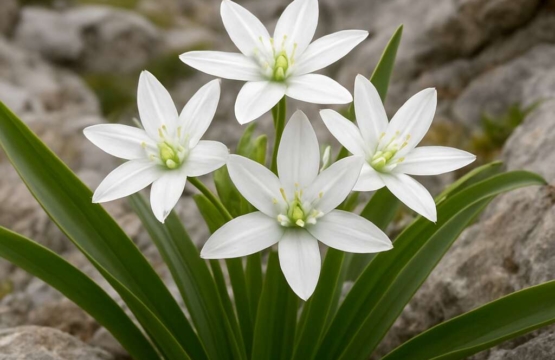
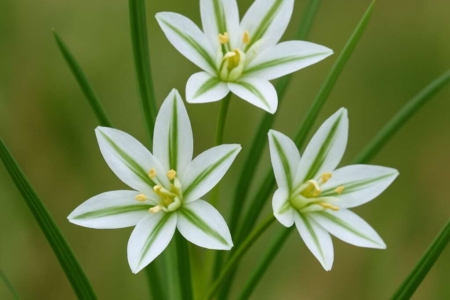
Hyacinthella millingenii is a botanical gem whose physical characteristics captivate even seasoned botanists. From its petite stature to its intricate floral structure, this species embodies delicate resilience. Its slender, grass-like leaves unfurl in early spring, creating a lush green backdrop that accentuates the vibrant blooms to come. These flowers, with their bell-shaped, pale blue petals, seem almost to whisper amid the rugged terrain—testaments to nature’s artistry.
Standing just a few centimeters tall, Hyacinthella millingenii’s flowers are clustered in tight groups that resemble tiny lanterns suspended in the rocky landscape. Its bulbous roots lie beneath mineral-rich soils, anchoring the plant firmly despite the extreme temperature swings it endures. The plant’s morphology, characterized by a bulbous base and slender floral stems, hints at its evolutionary adaptation to survive in some of the harshest environments found in the Eastern Mediterranean.
- Bell-shaped, pale blue flowers
- Thin, grass-like leaves in early spring
- Compact growth habit, just a few centimeters tall
Cultivation and Care of Hyacinthella millingenii
Growing Conditions and Soil Requirements
Beneath the delicate charms of Hyacinthella millingenii lies a secret dance of growth that captivates even the most seasoned horticulturists. To nurture this enchanting bulb, one must emulate its natural environment—an environment where well-drained soil and a touch of sun’s warmth foster its delicate blooms. The key to successful cultivation of Hyacinthella millingenii is understanding its preference for soil that combines sandy and rocky textures, offering perfect drainage and just enough nutrients to sustain its vibrant, star-like flowers.
Growing conditions for Hyacinthella millingenii demand patience and respect; it thrives in areas where watering is moderate, avoiding waterlogged roots that could diminish its grace. The ideal climate mirrors its native habitat, with cool winters and warm, dry summers. When planting Hyacinthella millingenii, situate the bulbs about 10cm deep and space them evenly—this allows each flower to reach its full potential without competition for nutrients or space.
For those eager to incorporate Hyacinthella millingenii into a garden, consider using a layered approach: first, create a base of gravel or coarse sand to mimic its natural rocky terrain, then add a fertile yet free-draining topsoil. This careful attention to soil and growing conditions can turn a garden into a sanctuary for this botanical gem.
Watering and Fertilization Tips
Watering and fertilization of Hyacinthella millingenii require a delicate touch, almost as if tending to a fragile secret. Overwatering can swiftly turn its vibrant, star-shaped blooms into withering whispers; therefore, moderate watering that mimics its native cool winters and dry summers is paramount. During the growing season, ensure the soil remains slightly moist but never waterlogged, avoiding the perils of root rot.
Fertilization should be subtle yet purposeful. A light application of a balanced, low-nitrogen fertilizer in early spring encourages healthy growth and blooms without overwhelming this dainty bulb. For added vitality, consider an organic mulch that gradually releases nutrients and retains moisture, providing Hyacinthella millingenii with the nourishment it craves while respecting its natural habitat.
In nurturing Hyacinthella millingenii, patience and restraint become your most trusted allies—each drop of water and every careful dose of fertilizer acts as a whispering promise to its delicate life cycle.
Propagation Methods
Propagation of Hyacinthella millingenii offers a fascinating glimpse into the resilience of this delicate bulb. While its enchanting star-shaped flowers steal the spotlight, understanding the most effective propagation methods ensures that this plant’s charm endures across seasons. Hyacinthella millingenii can be propagated through offsets, seeds, or bulb division, each method holding its unique appeal and challenge.
Bulb division is perhaps the most straightforward approach for seasoned growers. Carefully excavate the bulbs after the foliage has withered, and separate offsets with a sharp, sterilized tool. Replant these at the same depth, ensuring they are positioned in well-draining soil that mimics its native habitat. For those intrigued by seed propagation, patience is required—the process can take several years before flowering, yet rewards diligent effort with a proliferation of new plants.
If planting from seeds, sow them in a seed tray filled with an organic, gritty substrate, then place in a cool, shaded area. Keep the soil gently moist and note that germination may be sporadic, demanding persistence and keen observation. Hyacinthella millingenii’s propagation journey is a delicate dance, one that speaks to its resilience and adaptability, inviting horticulturists and enthusiasts alike to engage with this captivating species.
Common Cultivation Challenges
Growth of Hyacinthella millingenii in cultivation can be surprisingly straightforward, provided you understand its specific needs. Yet, despite its delicate appearance, this plant can pose common cultivation challenges, especially for those unfamiliar with its native habitat requirements. Ensuring well-draining soil remains fundamental because waterlogged conditions can lead to bulb rot, a frequent setback for many enthusiasts.
Maintaining stable moisture levels without overwatering can be tricky but is crucial for healthy growth. Hyacinthella millingenii thrives in environments that mimic its natural, semi-arid conditions, so choosing soil with a gritty, mineral-rich composition reduces risks related to excess moisture. Additionally, providing a period of dormancy during summer helps the bulb fulfill its natural growth cycle, which is often overlooked by novice growers.
Among the frequently encountered issues with Hyacinthella millingenii, poor flowering or stunted growth often trace back to inconsistent watering or inadequate soil drainage. Pest problems are rare but can include bulb maggots if the bulb’s environment becomes overly moist. Regular inspection and appropriate soil amendments are necessary to keep this captivating plant thriving in a garden or container setting.
Uses and Decorative Applications
Ornamental Uses in Gardens
Hyacinthella millingenii isn’t just a botanical marvel; it’s a subtle yet dazzling choice for elevating garden aesthetics. Its charming, nodding bell-shaped flowers burst into a vivid shade of blue, creating a captivating focal point amidst greenery. Gardeners seeking an ornamental plant often turn to Hyacinthella millingenii for its ability to thrive in shaded or semi-shaded areas, making it a versatile addition to woodland gardens or underplanting schemes.
This resilient bulbous plant lends itself beautifully to decorative applications, particularly in flower beds or rock gardens that benefit from its delicate elegance. Its low-growing habit encourages naturalistic planting, where it can be combined with other bulbs or perennials to craft enchanting, almost whimsical arrangements. For an inviting, colourful display that elicits wonder and admiration, Hyacinthella millingenii’s ornamental uses truly shine. Incorporating this species into your garden design ensures a splash of understated enchantment, blending seamlessly with the natural landscape while adding a layer of botanical sophistication.
Indoor Cultivation Possibilities
Hyacinthella millingenii lends itself surprisingly well to indoor cultivation, offering a splash of vibrant blue in even the smallest spaces. Its compact, low-growing form makes it an ideal choice for containers, windowsills, or indoor rock gardens. This resilient bulbous plant can brighten up shaded corners or add texture to indoor plant arrangements, making it versatile and easy to incorporate into various interior styles.
For those interested in decorative applications, Hyacinthella millingenii can be plantedin small pots that allow it to cascade naturally, creating a stunning focal point. Its delicate, nodding flowers lend an almost whimsical charm, elevating any indoor setting. With proper care, such as well-draining soil and moderate watering, this species thrives indoors, offering beauty year-round. Whether used as a standalone feature or part of layered plant displays, Hyacinthella millingenii truly stands out as a charming indoor plant choice.
Companion Planting Ideas
Hyacinthella millingenii is a botanical marvel that seamlessly transitions from the wild to the interior sanctuary, proving that elegance need not be confined to traditional garden beds. Its striking, vibrant blue flowers lend a splash of colour that captivates even the most jaded eye, making it an ideal candidate for decorative applications in the home or in curated garden settings. With its delicate nodding blossoms, Hyacinthella millingenii creates an air of whimsical charm that enlivens indoor spaces or ornamental containers.
In terms of companion planting ideas, Hyacinthella millingenii pairs beautifully with contrasting textures such as silvery foliage or low-growing sedums, creating a layered visual feast. This versatile plant’s low-growing nature makes it an excellent edifice for layered plant displays, where it can serve as a focal point or a subtle background accent. For unique decorative applications, consider planting Hyacinthella millingenii in small pots or terrariums to cascade naturally, transforming any corner into a miniature floral tableau.
- Soft mosses
- Gray-leaved succulents
- Fragrant herbs such as thyme or rosemary
These combinations amplify the aesthetic appeal of Hyacinthella millingenii, turning mundane spaces into captivating evidence of minimalism and botanical sophistication. As a well-behaved bulb, it’s an understated addition that elevates both modern and traditional interior styles, appealing to those who prize subtle elegance with a splash of brilliant blue.
Design Tips for Using Hyacinthella millingenii
When incorporating Hyacinthella millingenii into your decorative repertoire, think of it as the botanical equivalent of a good conversation starter — arrestingly vibrant and impossible to ignore. This charming bulbous plant offers a splash of electric blue that elevates any indoor or outdoor setting from blah to bonkers in seconds flat. Whether nestled into a modern terrarium or grouped artfully among contrasting textures, Hyacinthella millingenii brings a whimsical charm that’s hard to beat.
Designers and garden enthusiasts alike often overlook the subtle power of Hyacinthella millingenii as a focal point or delicate background accent. Its low-growing habit makes it perfect for layered displays, where it dances atop silvery foliage or spreads gracefully around fragrant herbs like thyme or rosemary. For visual intrigue, planting Hyacinthella millingenii in small pots or terrariums introduces a cascading effect that turns any corner into an indoor floral tableau. Want to create a stunning visual contrast? Think about pairing Hyacinthella millingenii with soft mosses for a lush, verdant vibe or with gray-leaved succulents to highlight its brilliant blue blossoms.
- Opt for well-draining soil to prevent those pesky bulbs from getting too cozy with excess moisture.
- Choose containers with good drainage, especially when planting Hyacinthella millingenii in pots or terrariums.
- Arrange Hyacinthella millingenii alongside diverse textures—like the delicate fronds of moss or the rugged leaves of succulents—to enhance the visual appeal.
In practice, Hyacinthella millingenii’s versatility makes it an understated yet sophisticated choice for curated garden beds or minimalist interiors. Its ability to bloom reliably in various conditions, paired with its enchanting nodding blossoms, ensures it remains a beloved staple in the horticultural world. For those craving a splash of brilliant blue that whispers elegance rather than shouts, Hyacinthella millingenii offers an irresistible, floral serenade worth considering in any design scheme.
Conservation and Ecological Importance
Conservation Status and Threats
Hyacinthella millingenii may not be on everyone’s lips, but its conservation status is catching the attention of botanists and plant enthusiasts alike. This enchanting bulbous plant, native to the arid regions of the Middle East, faces a dilemma as habitat loss and over-collection threaten its natural populations. Despite its delicate appearance, Hyacinthella millingenii is surprisingly resilient—yet, like many wild species, it hangs in the balance due to human activities and climate change.
Conservation efforts for Hyacinthella millingenii are vital to prevent it from slipping into the threatened or vulnerable categories on the IUCN Red List. Habitat fragmentation from agricultural expansion and urban development compounds the challenges, making protection of its native habitats a priority. For botanists, the ecological importance of Hyacinthella millingenii extends beyond its aesthetic charm; it plays a crucial role in supporting native pollinators and maintaining local biodiversity. Recognising its ecological footprint underscores the importance of proactive conservation and sustainable cultivation practices, ensuring this exquisite plant continues to grace both wild landscapes and cultivated gardens for generations to come.
Role in Native Ecosystems
Hyacinthella millingenii plays a subtle yet vital role in its native ecosystems, acting as both a delicate ornament and an ecological participant. Its blooming period signals the arrival of pollinators such as native bees and insects, supporting the delicate web of biodiversity in arid Middle Eastern habitats.
This species contributes more than just visual appeal; it supports the ecological balance by fostering pollination processes that sustain local flora. Its presence indicates healthy habitat conditions, making it a valuable indicator for conservationists monitoring ecosystem vitality. Protecting Hyacinthella millingenii helps preserve the native plant diversity crucial for maintaining resilient ecosystems.
Efforts to safeguard this remarkable plant include understanding its ecological footprint. An unordered list highlights the specific roles Hyacinthella millingenii fulfills in its environment:
- Providing nectar for native pollinators
<li Supporting soil stabilization in fragile habitats
<li Reinforcing the resilience of arid landscapes against erosion
These roles emphasize the importance of conserving Hyacinthella millingenii. As human activities increasingly threaten its environment, safeguarding this species becomes pivotal—not only for its botanical charm but for the intricate web of life it sustains in its native range.
Benefits for Wildlife and Pollinators
Hyacinthella millingenii is more than just an eye-catching botanical specimen; it plays a subtle yet critical role in supporting biodiversity and the health of native Middle Eastern habitats. As a flowering emblem, it attracts native pollinators, particularly native bees and insects, which are indispensable for maintaining ecological harmony. The plant’s nectar offerings serve as an essential food source during its blooming period, fostering vital pollination processes that sustain the local flora and fauna.
Protecting Hyacinthella millingenii is not only about conserving a beautiful plant but also about preserving the interconnected web of wildlife that depends on such species. Its presence acts as an ecological indicator, signaling the health of its environment. Efforts to conserve Hyacinthella millingenii often include understanding its ecological importance, as this species plays a crucial part in fostering resilient ecosystems and supporting pollinator populations. In the grand symphony of life, Hyacinthella millingenii offers a harmonious contribution to the preservation of native plant and wildlife communities.
Efforts for Preservation and Sustainable Use
In the delightful theatre of botanical preservation, few performances are as captivating and vital as Hyacinthella millingenii. This species, with its exquisite azure blooms and understated elegance, anchors not merely aesthetic appeal but also a profound ecological narrative. Conservation efforts directed toward Hyacinthella millingenii reveal a tapestry of responsibilities; safeguarding such a delicate plant perpetuates the symphony of native biodiversity.
The ecological importance of Hyacinthella millingenii transcends its visual allure. Its presence signals the health of Middle Eastern ecosystems, serving as an indicator of habitat quality. Initiatives for the sustainable use of Hyacinthella millingenii often involve habitat protection, controlled propagation, and cultivating awareness about its endangered status. Engaging local communities and botanical advocates—through education and responsible cultivation—ensures this charming species continues to flourish in the wild and in cultivated landscapes alike.
Protection strategies might include:
- Implementing legal frameworks to prevent overharvesting
- Promoting habitat restoration projects
- Encouraging responsible gardening practices that respect native flora like Hyacinthella millingenii
Ultimately, conserving Hyacinthella millingenii exemplifies a broader commitment to preserving ecological harmony. Its survival echoes through the insects that feed on its nectar and the pollinators that rely on its pollen—a delicate web of life woven with the threads of conservation. Such efforts do more than preserve a plant; they nurture an entire ecological narrative that spans the Middle East.

 by
by 




Latest Comments