Introduction to Marsh Frog Pelophylax ridibundus
Overview of the Marsh Frog – General characteristics and unique features
The Marsh Frog Pelophylax ridibundus stands as one of the most captivating amphibians found across wetlands and shallow lakes in Europe. Its presence signals a healthy, thriving aquatic ecosystem, reflecting the delicate balance of nature’s interconnected threads. With a distinctive robust body and smooth, shiny skin, this species is often mistaken for smaller frogs, yet it commands a presence with its impressive size—sometimes reaching up to 12 centimeters in length.
What truly sets the Marsh Frog Pelophylax ridibundus apart are its unique features, such as the prominent ridges along the back and the deep, resonant calls during the breeding season. These frogs have adapted exquisitely to their environment, with coloration that harmonizes with mud and water, providing effective camouflage. Their versatility in habitat preference—ranging from marshes to slow-moving rivers—underscores their resilience in a landscape constantly shaped by both human activity and natural change.
Habitat and Distribution – Geographical range and preferred environments
The Marsh Frog Pelophylax ridibundus holds a curious charm that extends well beyond its impressive size and resonant calls. When it comes to habitat, this amphibian is surprisingly sophisticated in its choice of hangouts. Its top preference? Wetlands with ample shallow waters—think marshes, pond margins, and slow-moving rivers—that offer ample breeding sites and an abundance of insects for dinner. This versatility in habitat preference allows the Marsh Frog Pelophylax ridibundus to flourish across a broad geographical range.
Speaking of range, these frogs are quite the globe-trotters within Europe. They are predominantly found from southeastern Britain all the way through Central and Eastern Europe, reaching as far east as western Russia. Their preferred environments often align with regions featuring mild temperatures, gentle water bodies, and lush vegetation—conditions that provide perfect camouflage against predators and a safe nursery for their tadpoles.
- Marshes
- Shallow lakes
- Riverbanks
are classic examples of their ideal habitat zones, where they thrive quietly, blending seamlessly into the scenery with their mottled, muddy hues. The adaptability and widespread distribution of the Marsh Frog Pelophylax ridibundus underscore its resilience, making it a notable species among European amphibians.
Significance in Ecosystems – Role in local biodiversity and ecological balance
Within the lush tapestry of Europe’s wetlands, the Marsh Frog Pelophylax ridibundus emerges as a creature both captivating and essential. With its resonant call echoing through dawn-lit marshes, this amphibian isn’t merely a marvel of size and coloration but a vital participant in the natural rhythm of aquatic ecosystems. Its presence signifies a thriving habitat, teeming with life that depends on the intricate balance of water, vegetation, and soil.
The ecological role of the Marsh Frog Pelophylax ridibundus extends beyond the confines of its pond-side haven. As an insectivore, it helps regulate populations of mosquitoes, midges, and other aquatic insects, acting as a natural pest control agent. Its tadpoles, with their voracious appetites for algae and detritus, contribute to maintaining water clarity and nutrient cycling. This harmonious balance underscores the frog’s significance in sustaining biodiversity and ecological stability—its very existence echoing the health of the environment it inhabits.
In the grand orchestration of wetlands, the Marsh Frog Pelophylax ridibundus serves as a keystone species. Its adaptability to various shallow water habitats and resilience amidst shifting climatic conditions allow it to connect different elements of the ecosystem. Whether nestled among lush reeds or hidden beneath muddy banks, these frogs are a reminder of nature’s subtle intelligence—a tiny, croaking guardian ensuring the persistence of its watery realm.
Physical Characteristics and Identification
Distinctive Features – Size, coloration, and markings
Few creatures evoke such a striking blend of size and agility as the Marsh Frog Pelophylax ridibundus. Standing out among European amphibians, this species boasts a robust build that hints at both its aquatic prowess and terrestrial adaptability. Adult Marsh Frogs typically reach a length of 10 to 15 centimeters, but what truly captures attention is their vibrant coloration and distinctive markings.
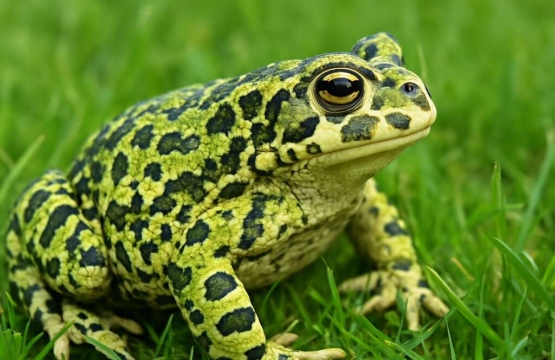
The broad, rounded body of Pelophylax ridibundus is often adorned with shades of dark green, olive, or brown, providing excellent camouflage in their marshy habitats. Their skin is usually smooth with occasional warts, and during mating season, their coloration can become even more vivid—helping to attract mates from surprising distances. A notable feature is the prominent, dark horizontal stripe that runs along their eyes, contrasting sharply against lighter-colored bellies. These frogs also exhibit a unique array of markings that can vary widely among individuals, making each Marsh Frog Pelophylax ridibundus truly unique.
Size and markings aside, their distinctive appearance is complemented by their large, webbed hind feet, specially adapted for swimming in freshwater environments. This combination of physical characteristics not only defines their identity but also makes them easily recognizable for amphibian enthusiasts and biologists alike. Whether in the murky depths of a pond or basking on a sunlit bank, the Marsh Frog Pelophylax ridibundus captivates with its extraordinary physical features.
Comparison with Similar Species – How to distinguish from related frogs
Parked in the quiet corners of freshwater habitats across Europe, the Marsh Frog Pelophylax ridibundus presents a fascinating study in amphibian adaptation. Its physical characteristics make it both an intriguing subject for researchers and an engaging sight for nature enthusiasts. Unlike other frogs, Pelophylax ridibundus boasts a muscular build that exudes strength and agility, with adults typically measuring between 10 and 15 centimeters in length. This sturdy form enhances its swimming capabilities and territorial prowess, allowing it to navigate murky ponds and reed beds with ease.
Coloration variability plays a key role in identification. Pelophylax ridibundus highlights a spectrum from deep green to olive or brown, often marked with an array of distinctive patterns that vary significantly among individuals. A sharp, horizontal dark stripe crossing the eye region is perhaps its most recognizable feature, contrasting with its lighter underbelly. The smooth or warty skin surface, coupled with the prominent webbed hind feet, underscores its aquatic nature and sets it apart from similar species. For those keen on accurate identification, understanding these nuances becomes vital.
Distinguishing Pelophylax ridibundus from related frogs involves careful observation of physical traits. For example, the Moor Frog (Rana arvalis) tends to have a slimmer body and lacks the bold horizontal eye stripe. Conversely, the Pool Frog (Pelophylax lessonae) can resemble Pelophylax ridibundus, but typically features less vivid coloration and smaller size. The most reliable differentiation hinges on its robust physique, the intensity of its coloration during mating season, and the unique markings that decorate each individual. It’s these subtle yet insightful features that make Marsh Frog Pelophylax ridibundus stand out amid the amphibian kingdom.
Physical Adaptations – Specialized traits for survival
The Marsh Frog Pelophylax ridibundus is a marvel of amphibian adaptation, showcasing specialized physical traits that ensure its survival in diverse freshwater habitats across Europe. Adults typically measure between 10 and 15 centimeters, boasting a muscular build that hints at both strength and agility. These frogs are perfectly designed for swimming, with prominently webbed hind feet that act like natural flippers, allowing them to glide effortlessly through murky ponds and reed beds.
Coloration variability in Pelophylax ridibundus adds to its distinctive appearance. Its skin can range from deep green to olive or brown, often featuring distinctive patterns that help it blend seamlessly into its environment. One of its most recognizable physical adaptations is the sharp, horizontal dark stripe crossing the eye, which enhances its field of view and offers some camouflage against predators. Skin surface texture varies from smooth to slightly warty, further aiding in its survival by providing better grip and camouflage.
- Robust physique: The muscular frame supports territorial dominance and quick escapes from threats.
- Coloration for concealment: Variable hues and patterns enable effective camouflage in diverse habitats.
- Enhanced swimming ability: Prominent webbed hind feet facilitate rapid movement through aquatic environments.
Adaptations like these highlight the evolutionary ingenuity of the Marsh Frog Pelophylax ridibundus, reinforcing its role as a resilient and adaptable member of the amphibian world. Observing these traits allows for a deeper appreciation of how this species thrives within its ecological niche, standing out amid the amphibian kingdom for its distinctive physical features.
Behavior and Life Cycle
Breeding Habits – Mating calls, breeding season, and reproductive strategies
The enchanting chorus of the Marsh Frog Pelophylax ridibundus signals the arrival of the breeding season, transforming wetlands into a symphony of sound. During this period, males emit resonant mating calls that echo through marshes and ponds, serving as a rallying cry to attract females. These vocal displays are not just about territorial assertion—they are a vital part of the reproductive strategy for this resilient amphibian.
Breeding habits of the Marsh Frog Pelophylax ridibundus are intricately tuned to environmental cues such as temperature and rainfall. Typically, the breeding season peaks in spring and early summer, coinciding with increased water availability. Males often engage in aggressive vocal competitions to establish dominance and secure access to potential mates. Once paired, females lay clusters of eggs that float on the water’s surface, utilizing reproductive strategies that maximize their offspring’s survival potential amidst variable habitat conditions.
Diet and Feeding Patterns – What marsh frogs eat and hunting techniques
The Marsh Frog Pelophylax ridibundus exhibits a compelling combination of behavior and life cycle that captivates nature enthusiasts and herpetologists alike. As twilight descends, these amphibians are often seen basking at the water’s edge, their eyes vigilant for the slightest movement—nature’s watchful sentinels of the marsh. Their deceptive stillness conceals a remarkable hunting technique: ambush predation. Sitting motionless among reeds or submerged vegetation, the Marsh Frog Pelophylax ridibundus patiently waits for unsuspecting prey to drift within striking range. When the moment arrives, a swift, calculated leap ensues, capturing their meal with precision.
Their diet chiefly comprises insects, small invertebrates, and occasionally tiny fish or tadpoles—an eclectic menu that keeps their metabolism thriving. To maximize success, Marsh Frog Pelophylax ridibundus employs a few specialized feeding strategies, including snapping at insects with a quick flick of their sticky tongue. These frogs are opportunists, exploiting the abundant resources of wetlands with a flexible approach to predation.
A typical life cycle spans several stages. After hatching from floating egg clusters, the tadpoles of Marsh Frog Pelophylax ridibundus undergo metamorphosis in submerged habitats, gradually developing their limbs and shedding their tails. The entire process is an orchestrated dance with the environment—dictated by water temperature and seasonal cues, which signal when to emerge as fully formed frogs. These individuals then partake in the vibrant life of the marsh, often returning to the same breeding grounds that once witnessed their transformation. In this way, the intricate dance of behavior and life cycle sustains the resilient Marsh Frog Pelophylax ridibundus—a true embodiment of wetland adaptation and evolutionary finesse.
Development and Metamorphosis – Egg to tadpole to adult transformation and timing
The life cycle of the Marsh Frog Pelophylax ridibundus is a fascinating tableau of transformation, capturing the very essence of wetland resilience. From the moment eggs are laid, this amphibian embarks on a remarkable journey of development that unfolds in the vibrant tapestry of marshy habitats. The eggs—floating in dense clusters—are the first stage of an intricate metamorphic process that will see a tiny tadpole emerge, beginning its quest for survival among aquatic plants and submerged debris.
Typically, after about 2 to 4 weeks—depending on water temperature—the eggs hatch into gilled tadpoles. These sizeable larvae spend several months in their aquatic phase, gradually developing their limbs while shedding their tails. The transformation is a delicate sequence, intricately timed with seasonal cues—warm spring days signaling the time to metamorphose. During this phase, Marsh Frog Pelophylax ridibundus tadpoles are voracious, consuming algae and small invertebrates, fueling their rapid growth.
As the tadpoles approach maturity, they undergo a striking metamorphosis. Their limbs become fully developed, their tails recede, and their gills give way to lungs, preparing them for a terrestrial lifestyle. This process can last up to six weeks, marking the birth of the adult Marsh Frog Pelophylax ridibundus—a resilient and adaptable creature ready to return to the marshland’s protective embrace. The timing of metamorphosis isn’t just a biological necessity but a delicate dance dictated by environmental factors like temperature and availability of food resources.
It’s compelling to witness how this transformation seamlessly ties into the behavior of the Marsh Frog Pelophylax ridibundus—its emergence marked by a chorus of calls echoing through the marsh as these frogs seek mates and establish territories. The lifecycle’s cyclical nature and precise timing underscore their incredible adaptation to wetland life, demonstrating both the fragility and resilience of this iconic amphibian species.
Conservation Status and Human Impact
Population Trends – Current status and threats
The conservation status of the Marsh Frog Pelophylax ridibundus paints a mixed picture. While this species once thrived across its European habitat, rapid urbanization, wetland drainage, and pollution continue to threaten its populations. In many regions, habitat fragmentation has led to local declines, raising concerns about the sustainability of breeding grounds and feeding habitats. The IUCN currently classifies Pelophylax ridibundus as “Least Concern,” but this assessment masks the ongoing threats faced by small, isolated populations.
Population trends reveal a troubling pattern of decline in certain areas, driven by human impact and climate change. Habitat loss remains the most significant factor, with aquatic environments increasingly compromised. Human activities like drainage for agriculture and pollution from industrial development have led to reduced breeding success and fewer available wetlands.
In response, conservation efforts must address these threats through habitat restoration and strict regulation of wetland development. Protecting Pelophylax ridibundus is critical for maintaining biodiversity and ecological balance, especially considering its role in controlling insect populations and serving as prey for many predators.
Habitat Preservation Efforts – Conservation projects and protected areas
The conservation status of the Marsh Frog Pelophylax ridibundus signals an ongoing struggle. Despite being listed as “Least Concern,” many local populations face mounting threats from human activities. Wetland drainage, pollution, and urban expansion chip away at critical habitats, pushing these frogs into smaller, fragmented areas. In some regions, this habitat loss results in population declines, making it harder for the species to sustain healthy breeding grounds and feeding sites.
Protected areas and dedicated conservation projects are vital for reversing this trend. Several initiatives focus on habitat preservation through wetland restoration, legislation, and buffer zone creation. These efforts aim to safeguard Pelophylax ridibundus populations by maintaining undisturbed aquatic environments. In the UK, establishing wildlife reserves specifically targeting amphibians helps ensure the survival of this charming frog while supporting broader biodiversity goals.
- Habitat restoration programs
- Wetland conservation strategies
- Strict regulation of urban development
Protecting the Marsh Frog Pelophylax ridibundus requires balancing human use of land with ecological needs. Recognising its role in insect control and as prey for various predators underscores its importance within local ecosystems. Even small conservation steps can have a lasting impact on maintaining the biodiversity that makes wetlands thrive. Every effort counts in ensuring that this resilient amphibian continues to thrive amid changing landscapes.
Human Activities and Risks – Impact of pollution, habitat destruction, and climate change
The Marsh Frog Pelophylax ridibundus thrives in some of the most delicate ecosystems, yet its resilience is increasingly tested by human impact. Pollution from agricultural runoff and industrial waste infiltrates wetlands, disrupting the clean water needed for breeding and feeding. Habitat destruction, driven by urban expansion and wetland drainage, fragments populations into isolated pockets—making recovery more difficult with each passing year.
Climate change also stirs the waters, altering rainfall patterns and flooding regimes that are vital for the Marsh Frog Pelophylax ridibundus’s lifecycle. These environmental shifts threaten to erode the very habitats that sustain this charming amphibian.
- Pollution
- Habitat destruction
- Climate change
Together, these risks threaten the future of Marsh Frog Pelophylax ridibundus, underscoring the urgent need for mindful conservation efforts to protect its fragile existence in the UK.

 by
by 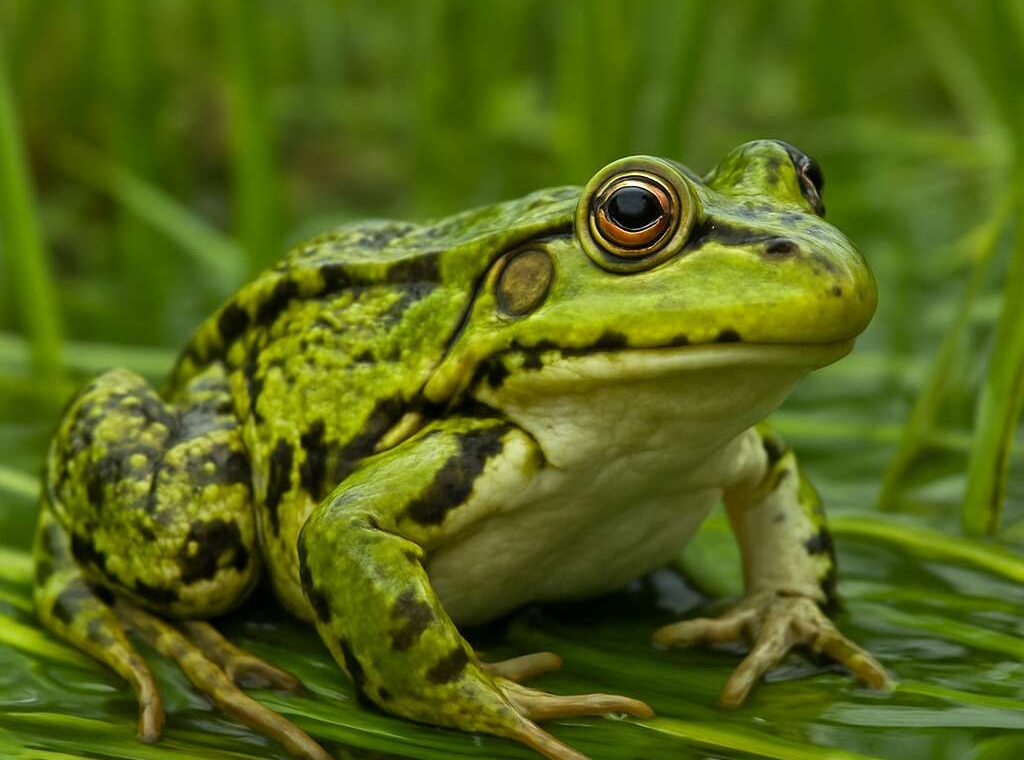



Latest Comments