Understanding Mentha longifolia subsp. cyprica
1 – Taxonomic Classification and Botanical Overview
Understanding Mentha longifolia subsp. cyprica begins with recognising its intricate taxonomic classification within the Lamiaceae family. This subspecies, often overlooked in favour of its more famous relatives, possesses a unique botanical profile that warrants deeper exploration. Its classification reflects a delicate balance between genetic variation and environmental adaptation, which has enabled it to thrive in the diverse climates of Cyprus and surrounding regions.
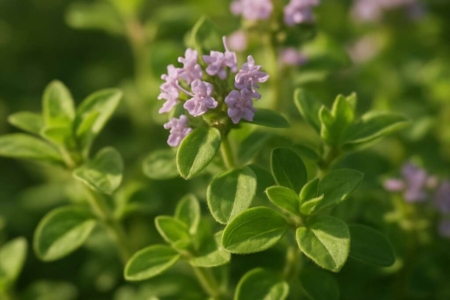
Mentha longifolia subsp. cyprica is distinguished by its aromatic leaves, which release a complex scent that hints at its evolutionary resilience. Its botanical overview reveals a perennial herbaceous plant with a sprawling growth habit, bearing whorled leaf arrangements and small, tubular flowers. To appreciate its ecological niche, consider these key features:
- Robust aromatic profile with menthol-like compounds
- Perennial growth habit suited for Mediterranean climates
- Distinctive leaf morphology adapted for water conservation
Recognising these traits is essential for understanding its role within both natural ecosystems and medicinal applications. Mentha longifolia subsp. cyprica exemplifies nature’s subtle art of adaptation, a testament to the resilience inherent in the mint genus.
2 – Distinctive Features and Morphology
Within the lush tapestry of the mint genus, Mentha longifolia subsp. cyprica emerges as a botanical marvel, its distinctive features whispering stories of resilience and adaptation. This subspecies boasts an intriguing morphology that sets it apart from its more common relatives, captivating those who seek the subtle elegance of nature’s design.
The leaves of Mentha longifolia subsp. cyprica are a testament to its evolutionary ingenuity. They are elongated, with a slightly serrated edge, and coated in fine, glandular hairs that release an aromatic burst when brushed—an olfactory invitation to explore its complex scent profile. Its sprawling growth habit allows it to flourish in Mediterranean climates, where water conservation is key. The plant’s tubular, small flowers cluster in whorled arrangements, adding a delicate splash of colour to its robust form.
Highlighted by an aromatic profile rich in menthol-like compounds, Mentha longifolia subsp. cyprica’s distinctive features make it a prized component in herbal remedies and natural ecosystems alike. Its botanical charm lies not only in its visual appeal but in its ability to adapt and thrive in diverse environments — a true testament to nature’s ingenuity!
3 – Native Habitat and Geographic Distribution
Mentha longifolia subsp. cyprica thrives in an environment where resilience meets subtle elegance, predominantly flourishing within the sun-drenched terrains of the Mediterranean basin. Its native habitat is a testament to the plant’s remarkable adaptability, often found nestled in rocky slopes, fragrant coastal scrublands, and arid mountain slopes. Here, the climate’s enduring dryness and seasonal fluctuations sculpt its hardy character, allowing it to withstand conditions that would challenge many other plant species.
This subspecies’ geographic distribution is largely concentrated around Cyprus, a land rich in historical significance and botanical diversity. Its presence extends into neighbouring regions, where the climate mirrors its native environment’s warmth and resilience. The plant’s ability to adapt to diverse terrains—ranging from limestone-rich soils to sandy substrates—underscores its ecological versatility. Its survival strategy hinges upon a deep-rooted affinity for well-drained soils and an innate capacity to conserve water, making it an iconic component of Mediterranean flora.
Within its native habitat, Mentha longifolia subsp. cyprica plays a pivotal role in local ecosystems, supporting a variety of pollinators and contributing to the region’s botanical tapestry. Its distribution pattern not only reflects its evolutionary resilience but also its importance in traditional herbal practices and ecological balance. Truly, understanding its native habitat and geographic distribution reveals a plant finely attuned to its environment, embodying the enduring spirit of Mediterranean flora.
4 – Botanical Comparison with Related Mentha Species
Understanding Mentha longifolia subsp. cyprica requires a close look at its botanical kinship with other Mentha species. While many mints share a common aromatic essence, this subspecies exhibits subtle yet significant differences that set it apart. Its hybrid-like traits often lead to confusion, making botanical comparison essential for accurate identification.
Mentha longifolia subsp. cyprica can be distinguished from related mint species through its unique leaf structure and scent profile. Unlike Mentha spicata or Mentha piperita, which tend to have more pronounced aromatic oils, this subspecies offers a more understated, earthy aroma. Its leaves are typically narrower and more elongated, contributing to its distinct appearance in the wild.
For a clearer understanding, consider this comparison:
- Mentha longifolia subsp. cyprica often exhibits a slightly woody stem, whereas Mentha aquatica prefers moist, marshy environments.
- The aromatic compounds in Mentha longifolia subsp. cyprica are more subdued compared to the bold minty scent of Mentha piperita.
- In terms of morphology, its inflorescences are smaller and less conspicuous, blending seamlessly into rocky or coastal habitats.
This botanical comparison not only illuminates the plant’s unique identity but also reveals its ecological niche within the diverse Mentha genus. The subtle distinctions highlight its specialised adaptation, making Mentha longifolia subsp. cyprica a truly fascinating subject for botanists and herbal enthusiasts alike. Its nuanced features hint at a complex evolutionary history, further emphasising its importance within Mediterranean flora.
Cultivation and Growing Conditions
1 – Ideal Climate and Soil Requirements
Mentha longifolia subsp. cyprica is a resilient herbaceous marvel that thrives under the right conditions—think of it as the diva of the herb garden, demanding a climate as warm as its aromatic leaves. This subspecies prefers a Mediterranean-style climate, basking in plenty of sunlight while tolerating some drought—truly a testament to its hardy nature. The soil should be well-drained yet rich in organic matter, ensuring the roots are cosy but not waterlogged, which can turn your mint into a soggy mess faster than you can say “herbal disaster”.
For those looking to cultivate Mentha longifolia subsp. cyprica successfully, focus on these ideal growing conditions:
- Full sun exposure, at least 6 hours daily
- Loamy, well-draining soil with a pH between 6.0 and 7.5
- A warm climate with minimal frost risk, or a protected spot if grown in cooler regions
In essence, this subspecies isn’t a diva that demands the moon—just a sunny, well-drained stage to show off its aromatic leaves and vigorous growth. With the right climate and soil, Mentha longifolia subsp. cyprica promises a fragrant, thriving addition to any herbaceous collection—if you’re willing to give it the warm embrace it craves!
2 – Cultivation Techniques and Propagation Methods
Mastering the art of cultivating Mentha longifolia subsp. cyprica is a rewarding journey that combines patience, precision, and a touch of botanical finesse. This robust subspecies responds beautifully to thoughtful propagation techniques, ensuring a lush and aromatic herb garden. Propagation primarily occurs through division or cuttings, which allows new plants to establish quickly and maintain the genetic qualities of the parent. When dividing mature plants, gently lift the root ball, separating it into sections that each contain healthy roots and shoots. This method is particularly effective for Mentha longifolia subsp. cyprica, as it promotes vigorous growth and preserves its characteristic aromatic leaves.
For those favouring cuttings, select healthy, non-flowering stems and root them in well-drained, moist soil or water. Keep the cuttings in a warm, bright spot, avoiding direct sunlight initially, until roots develop. Once established, regular pinching of the tips encourages bushier growth and prevents legginess. To optimise growth, it’s beneficial to implement a few cultivation techniques—such as maintaining consistently moist but not waterlogged soil, and ensuring adequate airflow around the plants.
- Use well-drained, organic-rich soil to prevent root rot.
- Provide at least 6 hours of full sun daily for optimal aromatic leaf production.
- Water moderately, allowing the topsoil to dry slightly between watering sessions.
In cooler regions, protect Mentha longifolia subsp. cyprica during winter with mulch or by relocating potted plants indoors. With a combination of attentive propagation methods and attentive cultivation, this hardy herb can flourish, providing a continuous supply of fragrant leaves and lush foliage—an aromatic testament to resilient gardening mastery.
3 – Care and Maintenance Tips
Mastering the care and maintenance of Mentha longifolia subsp. cyprica is akin to nurturing a fragrant, resilient powerhouse. This hardy herb thrives with minimal fuss, but a little attention ensures it remains lush and aromatic all season long. Providing well-drained, organic-rich soil is paramount—think of it as giving your mint the spa treatment it deserves. Consistent watering is key; maintain moist soil but steer clear of waterlogging, which can invite root rot and dampen your herb’s vigour. A simple well-drained soil prevents those pesky issues while promoting healthy root development.
For optimal growth, ensure your Mentha longifolia subsp. cyprica enjoys at least six hours of full sun daily. This herb adores basking in sunlight, which boosts its aromatic leaf production—making your garden the aromatic envy of neighbours. To keep your plant bushy and vibrant, regular pinching or trimming of the tips is advisable, encouraging a compact, vigorous habit. For those living in cooler climates, a dash of mulch or relocating potted specimens indoors during winter can shield this resilient herb from frost, ensuring it emerges renewed come spring.
- Ensure your plant receives ample sunlight—six hours or more daily.
- Use organic-rich, well-drained soil to prevent root rot.
- Water moderately, allowing the topsoil to dry slightly between watering sessions.
In the pursuit of a thriving Mentha longifolia subsp. cyprica, airflow around the foliage also plays a subtle yet vital role—stagnant air can invite fungal woes, so spacing your plants well is a wise move. With these straightforward care tips, your aromatic herb will flourish, filling your garden with its characteristic scent and lush green foliage. Truly, nurturing this resilient subspecies is less of a chore and more of a fragrant victory lap.
4 – Common Pests and Disease Management
Cultivation of Mentha longifolia subsp. cyprica demands a delicate balance—think of it as orchestrating a fragrant symphony that must be played with finesse. While this resilient herb generally stands its ground against pests, unwelcome visitors such as aphids, spider mites, and whiteflies can occasionally make an appearance, eager to feast on its aromatic foliage. Vigilance is key; regular inspection and prompt removal of affected leaves can stave off infestations before they gain momentum.
Disease management, meanwhile, hinges on good airflow and avoiding overly damp conditions. Fungal issues like powdery mildew are common culprits in humid environments. To keep maladies at bay, ensure your Mentha longifolia subsp. cyprica is spaced generously—air circulation is its best defence. Applying organic fungicides when needed can further bolster its resistance. Remember, a healthy, well-spaced plant is less susceptible to pests and disease, transforming your garden into a fragrant fortress of resilience.
Medicinal and Therapeutic Uses
1 – Traditional Uses in Herbal Medicine
Throughout centuries, herbal medicine has revered Mentha longifolia subsp. cyprica not merely as a fragrant herb but as a potent remedy woven into the fabric of traditional healing practices. Its aromatic leaves, imbued with a complex phytochemical profile, have been harnessed to address a spectrum of ailments, from digestive disturbances to respiratory discomfort. The plant’s therapeutic properties are often attributed to its rich essential oil content, which contains compounds believed to possess antimicrobial and anti-inflammatory effects.
In folk medicine, Mentha longifolia subsp. cyprica has been employed in various forms—infusions, poultices, and decoctions—each tailored to specific maladies. Its traditional uses include alleviating indigestion, soothing headaches, and easing bronchial congestion. Historically, communities have relied on the plant’s natural prowess, recognising its capacity to invigorate the senses and restore balance within the body. Such practices underscore the enduring significance of Mentha longifolia subsp. cyprica as a cornerstone of herbal healing traditions.
- Digestive aid for bloating and indigestion
- Relief from respiratory issues such as coughs and colds
- Natural remedy for headaches and migraines
2 – Bioactive Compounds and Health Benefits
Delving into the medicinal and therapeutic uses of Mentha longifolia subsp. cyprica reveals a treasure trove of bioactive compounds that pack a punch far beyond their aromatic charm. This resilient herb boasts a complex phytochemical profile, rich in essential oils and flavonoids, which are responsible for its remarkable health benefits. These natural compounds have been linked to antimicrobial, anti-inflammatory, and antioxidant properties, making Mentha longifolia subsp. cyprica a versatile ally in traditional medicine.
Research suggests that the plant’s essential oils contain compounds such as pulegone, menthone, and limonene—each contributing to its therapeutic prowess. For instance, these substances may help combat respiratory infections and soothe digestive discomforts. To streamline its benefits, herbal practitioners often recommend using extracts or infusions made from the plant’s leaves. Incorporating Mentha longifolia subsp. cyprica into herbal remedies has shown promising results for easing headaches, reducing bloating, and relieving coughs.
- Antimicrobial activity against common pathogens
- Anti-inflammatory effects reducing bodily discomfort
- Relief from respiratory and digestive ailments
With its potent bioactive compounds, Mentha longifolia subsp. cyprica continues to earn its reputation as a natural remedy with real health benefits. Its therapeutic versatility makes it a must-have in the herbal medicine cabinet, especially for those seeking natural solutions to everyday ailments.
3 – Research and Clinical Studies
Recent clinical investigations have begun to unveil the profound medicinal potential of Mentha longifolia subsp. cyprica, transforming ancient herbal remedies into scientifically validated therapies. Notably, emerging research highlights its antimicrobial efficacy against a spectrum of pathogenic bacteria and fungi, reinforcing its role in combating infections naturally. Moreover, studies indicate that the plant’s anti-inflammatory properties can significantly reduce bodily discomfort, offering a gentle yet potent alternative to conventional pharmaceuticals.
In the realm of respiratory and digestive health, clinical trials have demonstrated that extracts of Mentha longifolia subsp. cyprica can alleviate symptoms such as coughs, bloating, and indigestion. This is largely attributed to its rich phytochemical profile, which includes compounds like pulegone, menthone, and limonene. For those seeking evidence-based herbal solutions, the plant’s therapeutic benefits are increasingly supported by scientific validation, making it a compelling choice in herbal medicine.
4 – Safety and Precautions
Harnessing the therapeutic potential of Mentha longifolia subsp. cyprica offers a promising avenue for those seeking natural remedies rooted in deep botanical wisdom. Its medicinal applications extend beyond simple herbal infusions, possessing anti-inflammatory, antimicrobial, and digestive benefits that have been validated through emerging scientific studies. However, as with any potent herbal remedy, understanding safety and precautions remains paramount to ensure responsible use.
While Mentha longifolia subsp. cyprica has garnered recognition for its healing properties, it is important to note that excessive consumption or improper preparation may lead to adverse effects. Pregnant and breastfeeding women, for instance, should exercise caution, given the plant’s active compounds like pulegone, which can influence hormonal balance or cause gastrointestinal discomfort in sensitive individuals. Consulting a healthcare professional before integrating this herb into a treatment regimen is always advisable.
To minimise risks, consider these safety tips:
- Start with small doses to assess individual tolerance.
- Avoid prolonged use without medical supervision.
- Be mindful of potential allergic reactions, especially if you have sensitivities to other mint species.
By respecting its potency and understanding its limitations, the use of Mentha longifolia subsp. cyprica can be both a safe and profoundly beneficial addition to natural health practices. Its rich phytochemical profile, while a source of therapeutic excellence, demands a cautious approach to harness its full potential responsibly.
Culinary and Aromatic Uses
1 – Applications in Cuisine
Within the shadowed corridors of culinary alchemy, Mentha longifolia subsp. cyprica emerges as a mysterious muse, weaving its aromatic tendrils into the fabric of traditional cuisine. Its robust, yet nuanced scent lends itself to a variety of dishes, transforming simple ingredients into something almost enchanting. Chefs and herbalists alike have long revered this subspecies for its ability to evoke both freshness and depth, making it a versatile addition to culinary repertoires.
When harnessed in the kitchen, Mentha longifolia subsp. cyprica can elevate a multitude of dishes. Its leaves are often added to salads, infused into oils, or used as a garnish that whispers of wild herbs and secret gardens. Its aromatic profile complements both savoury and sweet creations, adding a distinctive touch that is at once invigorating and mysterious. Some culinary traditions even incorporate its essence into liqueurs and desserts, where its aromatic oils lend a subtle, lingering bitterness.
- Infuse oils with Mentha longifolia subsp. cyprica to create herbaceous dressings.
- Add fresh leaves to marinades or salads for a burst of aromatic complexity.
- Use as a flavourful garnish to enhance the visual and olfactory appeal of dishes.
In the realm of gastronomy, this aromatic herb offers a gateway to a world where taste and scent intertwine, inviting the adventurous to explore its full potential. The subtle yet compelling aroma of Mentha longifolia subsp. cyprica continues to captivate those who seek the darker, more enigmatic facets of botanical culinary art.
2 – Extraction of Essential Oils
Within the shadowed chambers of botanical alchemy, the extraction of essential oils from Mentha longifolia subsp. cyprica reveals a world of dark aromatic depth. This subspecies, often veiled in mystery, offers a potent essence that captures the very soul of wild mint. The process involves careful distillation, where steam or solvent methods coax out the elusive oils locked within its leaves and stems, resulting in a fragrant elixir both complex and captivating.
The essential oil of Mentha longifolia subsp. cyprica is prized for its multifaceted aromatic profile—an intoxicating blend of fresh, herbaceous notes intertwined with subtle hints of earth and mystery. When distilled, this oil becomes a versatile ingredient, perfect for creating aromatic blends that evoke the clandestine beauty of moonlit herbal gardens. Its utilisation extends beyond culinary enchantment, finding a place in perfumery and natural remedies, where its dark, enigmatic scent offers a whisper of the wild unknown.
- Harvest the leaves at their peak aromatic potency.
- Use steam distillation to extract the essential oil, ensuring the preservation of its delicate volatile compounds.
- Store the oil in dark glass bottles, away from light and heat, to maintain its potency and mystical aroma.
Whether infused into scented oils or utilised as a flavouring agent, the essential oil derived from Mentha longifolia subsp. cyprica embodies a rare complexity—an aromatic treasure that beckons the curious and the connoisseur alike. Its extraction process is an art, unveiling a potion that whispers secrets of the shadowy herbal realm, forever entwining scent with the dark poetry of nature’s hidden corners.
3 – Uses in Perfumes and Fragrances
Mentha longifolia subsp. cyprica’s aromatic allure extends beyond its botanical intrigue, finding a distinguished place in the realm of perfumery and fragrance creation. Its dark, enigmatic scent profile evokes a sense of mystery and depth, making it a favoured ingredient among master perfumers seeking to craft compositions that whisper secrets of the wild herbal realm.
The essential oil derived from Mentha longifolia subsp. cyprica serves as a versatile base note, imparting a complex and alluring aroma that enhances both floral and woody fragrances. Its herbaceous, slightly earthy undertones blend seamlessly with other natural ingredients, creating layered scents that resonate with sophistication and intrigue. Perfume artisans often favour it for its ability to add a shadowy, almost mystical quality to their blends, elevating the olfactory experience to an art form.
In addition to its use in high-end perfumes, Mentha longifolia subsp. cyprica is sometimes incorporated into natural fragrance formulations, where it acts as a key component for those seeking a scent that’s both captivating and rooted in nature. Its unique profile complements essential oils like sandalwood, cedarwood, and bergamot, making it an essential choice for bespoke fragrance concoctions. For those passionate about crafting personalised scents, this subspecies unlocks a world of aromatic possibilities—each drop whispering stories of moonlit herbal gardens and shadowed woodland paths.
Whether infused into artisanal perfumes or used to enrich natural aromatic blends, Mentha longifolia subsp. cyprica’s essential oil embodies a rare elegance. Its dark, mystic aroma beckons to the connoisseur, inviting exploration into a realm where scent becomes a poetic expression of the wild, shadowy corners of nature’s labyrinth. Truly, it’s an aromatic treasure that elevates the art of fragrance to a spiritual journey—one scent at a time.
4 – Creative Recipes with Mentha longifolia subsp. cyprica
In the world of culinary and aromatic artistry, Mentha longifolia subsp. cyprica offers a distinctive twist that transforms everyday recipes into sensory experiences. Its aromatic profile, rich with herbaceous and slightly earthy notes, lends itself beautifully to creative uses in the kitchen and beyond. Chefs and herbal enthusiasts alike appreciate its versatility, infusing dishes and drinks with a mystical depth that hints at moonlit herbal gardens.
For those eager to explore its potential, crafting signature recipes with Mentha longifolia subsp. cyprica can be truly rewarding. Its essential oil, often used sparingly, adds a shadowy complexity to both savoury and sweet creations. One delightful way to incorporate it is by infusing it into homemade syrups, which can then be poured over desserts or stirred into cocktails for a nuanced aroma that captivates the senses.
- Herbal teas enhanced with fresh leaves or a few drops of the essential oil
- Infused olive oils for drizzling over salads or grilled vegetables
- Creative desserts like mint-infused chocolate mousse or herbal panna cotta
For those who prefer a more methodical approach, an ordered list can guide the creation of a fragrant herbal infusion:
- Gently crush fresh Mentha longifolia subsp. cyprica leaves to release their oils.
- Combine with a neutral carrier oil or alcohol, such as olive oil or vodka.
- Allow the mixture to sit in a cool, dark place for several days, shaking gently each day.
- Strain the infusion, then use it to elevate your culinary or aromatic creations.
Beyond the kitchen, the aromatic allure of Mentha longifolia subsp. cyprica finds a special place in natural perfumery and aromatic blends. Its mystical scent profile can elevate any recipe for natural scenting, making it a treasured ingredient for herbalists and artisan perfumers alike. Whether as a fresh herb in a summer salad or as a mystical note in a bespoke fragrance, Mentha longifolia subsp. cyprica continues to inspire those who seek to blend the beauty of nature with creative expression.
Conservation Status and Sustainable Use
1 – Current Conservation Status
In the realm of botanical conservation, Mentha longifolia subsp. cyprica occupies a unique niche. Currently, this subspecies is not classified as endangered, but its habitat faces increasing threats from urban expansion and unsustainable harvesting practices. The importance of monitoring its population cannot be overstated, especially given its ecological role and potential for medicinal and culinary applications.
Efforts to promote sustainable use are vital to ensure that Mentha longifolia subsp. cyprica continues to thrive in its native environments. Conservation strategies include habitat preservation and encouraging responsible harvesting methods. Recognising its value, many conservationists advocate for cultivating this subspecies in controlled settings to reduce wild collection pressures. Protecting Mentha longifolia subsp. cyprica means safeguarding not just a plant, but a natural heritage with potent bioactive compounds and cultural significance.
2 – Threats and Challenges to Wild Populations
Despite its resilient appearance, Mentha longifolia subsp. cyprica faces formidable threats that jeopardise its wild populations. Urban sprawl encroaches upon its native habitats, fragmenting ecosystems and diminishing the plant’s natural range. Unsustainable harvesting, driven by the high demand for its potent bioactive compounds, further exacerbates the decline of this subspecies. Conservation efforts must contend with these challenges, balancing the plant’s utilisation with its preservation.
One of the most pressing issues is habitat destruction. As cities expand and land is converted for development, the delicate environments supporting Mentha longifolia subsp. cyprica diminish rapidly. Additionally, overharvesting for traditional medicine and commercial purposes places undue pressure on wild populations. To combat these challenges, some conservationists advocate for controlled cultivation practices, ensuring that wild stocks are not depleted further. Recognising the importance of the species, sustainable use strategies like habitat restoration and responsible harvesting are gaining momentum.
- Urban expansion reducing available habitat
- Overharvesting for medicinal and culinary uses
- Habitat fragmentation disrupting ecological balance
Despite these obstacles, the future of Mentha longifolia subsp. cyprica hinges on collaborative conservation initiatives and heightened awareness. Protecting this remarkable plant is not just about safeguarding a species but preserving a vital component of our natural heritage, rich in bioactive compounds and cultural significance. Its resilience depends on our ability to recognise and address these mounting threats with care and foresight.
3 – Conservation Efforts and Botanical Gardens
Conservation efforts for Mentha longifolia subsp. cyprica are gaining momentum as awareness grows about its ecological importance and medicinal potential. Despite its resilience, this subspecies faces increasing threats that demand immediate action. Several botanical gardens and research institutions have recognised its value and are actively involved in ex-situ conservation programs. These initiatives include cultivating Mentha longifolia subsp. cyprica in controlled environments to preserve genetic diversity and prevent further wild population decline.
To enhance conservation outcomes, some organisations are prioritising habitat restoration projects and establishing protected areas where wild populations can thrive. Additionally, sustainable harvesting practices are being promoted to ensure that wild stocks are not overexploited. These strategies aim to strike a balance between medicinal use and the preservation of this vital plant.
For those interested in botanical preservation, maintaining genetic diversity through seed banks and cultivating Mentha longifolia subsp. cyprica in botanical gardens are essential steps. They serve as living repositories, safeguarding the species for future generations and supporting ongoing research into its bioactive compounds and ecological role.
4 – Guidelines for Sustainable Harvesting
The conservation status of Mentha longifolia subsp. cyprica is a testament to its resilience, yet it remains vulnerable to habitat loss and overharvesting. Recognising its ecological significance and medicinal potential, conservation efforts are more vital than ever. Botanical gardens around the world are now serving as vital sanctuaries, cultivating this subspecies in controlled environments to safeguard its genetic diversity. These living repositories not only preserve the plant but also facilitate ongoing research into its bioactive compounds, which are increasingly valued in herbal medicine and natural remedies.
To ensure sustainable use, organisations are establishing strict guidelines for harvesting Mentha longifolia subsp. cyprica. These include collecting only mature stems, avoiding root disturbance, and rotating harvest areas to prevent depletion. Such practices help maintain wild populations and promote ecological balance. Emphasising the importance of sustainability, some initiatives involve seed banking and habitat restoration projects. These steps are crucial to protecting this remarkable subspecies for future generations while allowing responsible utilisation for its therapeutic and aromatic properties.

 by
by 




Latest Comments