Introduction to Orobanche chionistrae
Overview of the species – Taxonomy, physical characteristics, and distinguishing features of Orobanche chionistrae
Orobanche chionistrae emerges as a captivating member of the broomrape family, intriguing botanists and enthusiasts alike with its unique parasitic strategy. This species, often mistaken for other broomrapes, is distinguished not just by its taxonomy but also by its distinctive physical characteristics. Found predominantly in Mediterranean regions, especially around the mountainous terrains of Cyprus, Orobanche chionistrae thrives by attaching itself to the roots of host plants, extracting nutrients with remarkable efficiency.
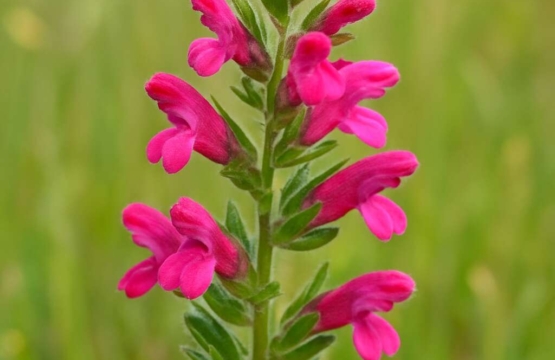
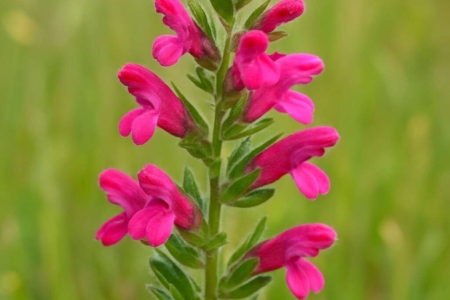
Unlike many of its relatives, Orobanche chionistrae displays a striking appearance characterized by a dense cluster of tubular, pale-hued floral spikes that shimmer subtly in sunlight. Its distinguishing features include the absence of chlorophyll, relying entirely on host plants for sustenance, which makes it a fascinating example of plant parasitism. Botanists often identify this species by its floral morphology: small, trumpet-shaped flowers clustered tightly along the stem, each radiating a delicate, almost otherworldly aura. Its taxonomy places it firmly within the Orobanchaceae family, a group renowned for parasitic plants adapted to diverse ecosystems.
Understanding the physical traits and taxonomy of Orobanche chionistrae offers insight into its ecological niche and evolutionary adaptations. Its ability to stand out due to its unique morphology makes it a subject of interest for both scientific study and conservation efforts. With its distinctive appearance and parasitic lifestyle, Orobanche chionistrae truly exemplifies nature’s intricate web of relationships.
Historical context and discovery – History of its identification and scientific naming conventions
The story of Orobanche chionistrae begins with a fascinating chapter in botanical exploration. Discovered in the rugged terrains of Cyprus, this unique parasitic plant first caught the attention of scientists in the early 20th century. Its elusive nature and distinctive morphology challenged botanists to refine its classification, leading to the formal naming of Orobanche chionistrae in 1928. This species, largely confined to Mediterranean mountain regions, remained shrouded in mystery for decades, its parasitic lifestyle making it a rare find for field researchers.
Through the years, advances in taxonomic research and plant identification techniques contributed to a deeper understanding of Orobanche chionistrae. Its scientific name, rooted in Latin, reflects its delicate but otherworldly appearance, often mistaken for other members of the Orobanche genus. Today, it stands as a symbol of botanical intrigue—a species whose discovery history underscores the enduring allure of parasitic plants in our natural world.
Geographical distribution – Regions and specific habitats where Orobanche chionistrae is found
Orobanche chionistrae, a captivating member of the parasitic plant family, holds a special place in the botanist’s intrigue when exploring Mediterranean flora. Native primarily to the rugged terrains of Cyprus, this species thrives in a diverse array of mountainous habitats that seem almost made for its unique lifestyle. Its natural distribution extends beyond, with sporadic populations dotting other regions around the Mediterranean, where the climate and soil conditions provide the perfect parasitic playground.
In particular, Orobanche chionistrae prefers high-altitude zones, often nestled among rocky outcrops and stony slopes that offer both the solitude and host plants essential for its survival. Its presence is often confirmed in specific habitats such as limestone ridges and dry, shrub-dominated hills where host plants like legumes are abundant. For enthusiasts seeking to observe this elusive parasitic plant, the heights of Cyprus’s Troodos Mountains serve as prime locations. The plant’s preference for such environments is a testament to its specialized adaptation and delicate ecological niche.
- High-altitude Mediterranean mountain ranges
- Rocky slopes and limestone ridges
- Shrub-dominated dry hills with leguminous hosts
Habitat and ecological preferences
Preferred environments – Soil types, altitude ranges, and climate conditions
Orobanche chionistrae thrives in rocky, mountainous terrains where the climate offers a perfect blend of Mediterranean warmth and cool hillside breezes. Its preferred environment is one where soil types are well-drained yet nutrient-rich, often found clinging to the roots of host plants such as legumes. Altitudes between 800 and 1500 meters seem to suit this parasitic species best, as they flourish in the cooler, less disturbed zones of the mountains.
This rare species shows an uncanny adaptation to specific ecological conditions, often growing in limestone or calcareous soils that provide the mineral richness it seeks. Its preference for these soil types not only influences its distribution but also highlights the delicate balance it maintains within its habitat. Orobanche chionistrae’s ecological preferences make it a fascinating subject for those interested in plant parasitism and mountain flora.
- Well-drained, nutrient-rich soils
- Limestone or calcareous substrates
- Altitude range of 800–1500 meters
- Climate characterized by warm summers and cool, moist winters
Its ecological niche underscores a vital relationship with host plants, thriving only where these specific soil and climate conditions are met. Orobanche chionistrae’s habitat preferences demonstrate a delicate harmony with its environment, rooted deeply in the mountain landscapes where it silently affects and is affected by the surrounding flora and climate.
Host plants interactions – Relationship with host species and parasitic behavior
The labyrinth of plant relationships hidden within mountain ecosystems reveals some of the most intricate parasitic behaviors in nature. Orobanche chionistrae, an elusive yet captivating species, epitomizes this delicate ecological dance. Its habitat preferences are finely tuned to limestone or calcareous soils found at altitudes between 800 and 1500 meters, where the cool hillside breezes gently influence its microclimate. This species thrives where well-drained, nutrient-rich soils provide a stable foundation, anchoring its parasitic roots into host plants that form essential components of its environment.
Orobanche chionistrae exhibits an enigmatic relationship with its host plants, primarily legumes, forming a parasitic linkage that subtly shifts the balance within mountain flora. The plant’s roots invade the host’s vascular system, siphoning off nutrients and water, a behavior that underscores its dependency on specific botanical partners. This parasitism not only impacts host vitality but also weaves these species into a complex ecological tapestry that sustains the biodiversity of mountainous terrains. The interaction between Orobanche chionistrae and its host species exemplifies a finely calibrated parasitic behavior, reflecting an ancient evolutionary strategy designed for survival amidst harsh, rocky landscapes.
- Legumes such as certain species of Vicia and Lathyrus, which form symbiotic relationships with mycorrhizal fungi, become essential hosts for Orobanche chionistrae.
Environmental factors – Impact of environmental changes on growth and distribution
Orobanche chionistrae thrives in mountain landscapes, where environmental factors shape its elusive presence. Its preference for limestone or calcareous soils at altitudes between 800 and 1500 meters ensures it proliferates in terrains often overlooked by casual wanderers. These substrates offer well-drained, nutrient-rich conditions that allow Orobanche chionistrae to establish its parasitic roots securely, anchoring into the vascular systems of leguminous host plants. The cool hillside breezes in these elevations help modulate microclimates, creating an atmospheric balance vital for its growth.
Environmental changes such as shifts in temperature and soil composition can significantly impact the distribution of Orobanche chionistrae. Rising temperatures due to climate change threaten to alter the delicate balance it requires, potentially forcing this species to migrate to higher elevations or decline altogether. Likewise, human activity that disrupts limestone outcroppings or causes soil erosion can diminish suitable habitats. To fully understand the dynamics of Orobanche chionistrae’s ecological preferences, it helps to recognize how sensitive this species is to changes in its environment.
Because Orobanche chionistrae depends entirely on its host plants, the health of local leguminous populations becomes vital. Any environmental factor that impacts host plant vitality—such as soil degradation or altered rainfall patterns—can have reciprocal effects on the parasitic species. Protecting mountain ecosystems ensures that the fine balance necessary for the persistence of Orobanche chionistrae remains undisturbed. Its subtle yet intricate partnership with host plants reminds us of the fragile threads weaving together mountain biodiversity.
Biological and morphological traits
Structural features – Details on plant size, flower structure, and root system
Orobanche chionistrae is a fascinating parasitic plant that captures the imagination with its unique biological and morphological traits. Standing modestly at just 10 to 30 centimeters tall, this species exhibits a predominantly broom-like structure, cloaked in a dense layer of pale, often whitish or yellowish bracts that serve as a defining feature. Its flower structure is equally captivating, with tubular, bell-shaped flowers arranged in clusters that bloom in shades of purple or violet, adding a splash of color against the muted backdrop of its host plants.
The root system of Orobanche chionistrae is minimalist yet sophisticated, consisting of a network of minute, thread-like haustoria that invade the roots of its host, drawing nourishment in a delicate parasitic embrace. This specialized root adaptation allows the plant to thrive without green leaves or chlorophyll, relying entirely on its host for survival. Exploring these structural features reveals how Orobanche chionistrae exemplifies nature’s ingenuity, embedding itself subtly yet indispensably within its environment.
Reproductive cycle – Flowering period, seed production, and dispersal mechanisms
Orobanche chionistrae follows a fascinating reproductive cycle that underscores its mysterious parasitic nature. Typically, this species blooms in late spring to early summer, with its vibrant purple or violet tubular flowers creating a striking contrast against the host plants’ foliage. During this period, the plant’s flowers attract a range of pollinators, aiding in effective reproduction.
Once pollinated, Orobanche chionistrae produces numerous tiny seeds—each no larger than a grain of sand—that are cleverly adapted for dispersal. Wind plays a crucial role here, whisking the lightweight seeds across the soil surface and into new potential host roots. This seed dispersal mechanism ensures that Orobanche chionistrae can colonize neighboring plants with remarkable efficiency, often traveling considerable distances to find suitable hosts.
A particularly intriguing aspect of its reproductive cycle is the seed viability, which allows the species to remain dormant in the soil for years, awaiting favorable conditions. These adaptations showcase Orobanche chionistrae’s resilience and its uncanny ability to adapt within various environments.
- Blooming period: Late spring to early summer
- Flowering display: Clusters of purple or violet tubular flowers
- Seed production: Hundreds of tiny, wind-dispersed seeds
Adaptations – Unique adaptations enabling parasitism and survival in specific habitats
Orobanche chionistrae is a remarkable example of parasitic plant adaptation, thriving in specific habitats through unique morphological and biological tricks. Unlike typical plants, it lacks chlorophyll, making it entirely dependent on host plants for nutrients. This parasitic lifestyle requires specialized features that enable it to attach and extract resources effectively. Its slender, flower-bearing stems emerge from the soil, often cloaked in a dusty, pale hue that camouflages it among the natural landscape.
One of the most striking adaptations of Orobanche chionistrae is its root structure. It develops haustoria—specialized root organs—that penetrate the host plants’ roots, establishing a connection that ensures a steady supply of nutrients. These structures are finely tuned to recognize compatible hosts, which often include specific species found in rocky or calcareous environments. This selective parasitism underscores the plant’s ability to survive in habitats that are often nutrient-poor.
Understanding the resilience of Orobanche chionistrae also involves recognizing its seed dispersal adaptations. The tiny seeds—so small they can be blown across great distances—are an evolutionary marvel. Wind dispersal permits the plant to colonize new host plants across varied terrains. Given the seed bank’s longevity—remaining dormant in soil for years—it can wait patiently for environmental conditions that favor germination, making it a persistent presence in seasonal habitats.
Its flowering period, typically in late spring to early summer, features clusters of purple or violet tubular flowers that stand out against the often subdued background of its environment. These attract pollinators, completing its reproductive cycle as it produces hundreds of wind-dispersed seeds. This combination of reproductive strategies ensures Orobanche chionistrae maintains its foothold within its restricted ecological niche, showcasing a suite of biological and morphological traits that allow it to survive and flourish in its specialized habitat.
Conservation status and research
Threats and challenges – Factors impacting population dynamics and habitats
Orobanche chionistrae, a remarkable parasitic plant, faces an uncertain future amid mounting environmental pressures. Its conservation status remains fragile, owing to its highly specialized habitat requirements and limited geographical distribution. This species thrives in specific mountainous regions where soil composition and climate conditions create ideal parasitic environments. Yet, threats such as habitat destruction from human activities, climate change, and the decline of host plant populations threaten its survival.
Research into the factors impacting Orobanche chionistrae’s population dynamics reveals a delicate balance. Disruptions to its host plants, alongside soil deterioration and altered moisture levels, can cause significant fluctuations in its numbers. Conservation efforts must account for these multifaceted challenges, and ongoing studies aim to better understand this parasitic plant’s ecological role and vulnerabilities. Protecting Orobanche chionistrae involves safeguarding its unique habitats from encroachment and environmental shifts that could lead to its decline—ensuring this intriguing species endures for generations to come.
Conservation efforts – Strategies and initiatives for protection and preservation
Orobanche chionistrae isn’t just your average parasitic plant—it’s the botanical equivalent of a mysterious, stubborn relic, clinging to its niche with fierce determination. Its conservation status is currently classified as fragile, teetering on the edge thanks to a cocktail of environmental threats. This species’ highly specialized habitat requirements mean that even the slightest disturbance to its mountainous refuge can spell disaster. Preservation of Orobanche chionistrae demands targeted strategies that recognize its unique ecological role and delicate population dynamics.
Research efforts into this enigmatic species have uncovered vital conservation efforts needed to ensure its survival. Strategies include habitat management and controlling human intrusion into its pristine mountain environments. To facilitate effective protection, conservation initiatives often involve:
- Monitoring host plant populations to prevent parasitic decline
- Restricting land-use changes in critical habitats
- Implementing seed banking programs to safeguard genetic diversity
Orobanche chionistrae’s future might depend on a combination of habitat preservation, species-specific research, and community engagement. Ongoing initiatives aim to strike a balance—ensuring this parasitic marvel remains part of our biodiversity tapestry for generations to come. Its survival story is a reminder that even the smallest, seemingly unnoticed plants hold a vital place within their ecosystems, deserving of our attention and protection.”
Research opportunities – Potential areas for future scientific study and ecological significance
Orobanche chionistrae isn’t just a parasitic plant; it’s a botanical enigmatist lurking in the mountainous shadows of Cyprus, defying extinction with a stubborn flair. Its conservation status of “fragile” reminds us that even the most unassuming flora can be on the brink—teetering precariously due to environmental upheavals and habitat disturbance. Yet, this plant’s future isn’t written in stone—well, actually, in seed—and research into its ecological role could unlock new pathways for preservation.
Scientists are increasingly eyeing potential areas for future study, such as its intricate relationship with host plants and how climate change might shift its distribution. There’s growing curiosity about the genetic diversity within Orobanche chionistrae populations, which could inform seed banking programs and targeted habitat management initiatives. An understanding of how environmental factors influence its parasitic behavior might shed light on its resilience—and vulnerabilities.
- Monitoring host plant health and population dynamics
- Assessing the impact of climate variations on its habitat
- Exploring reproductive and dispersal mechanisms to understand seed longevity
Delving into the structural peculiarities and reproductive cycle of Orobanche chionistrae not only enriches our botanical knowledge but could also enhance conservation strategies. The intriguing adaptations that enable its survival in high-altitude environments make it a natural laboratory for studying parasitism and ecological balance. As research opportunities bloom, so does the potential to craft more effective protection policies, ensuring that this parasitic marvel continues to intrigue and thrive for generations to come.

 by
by 




Latest Comments