
Papaver cyprium: A Unique Floristic Treasure of Cyprus
- March 13, 2026
- Papaveraceae
Taxonomic Classification and Botanical Description Overview of Papaver cyprium – Introduction to the species and its place within the Papaver genus At... Read More
 by Potamos Guest House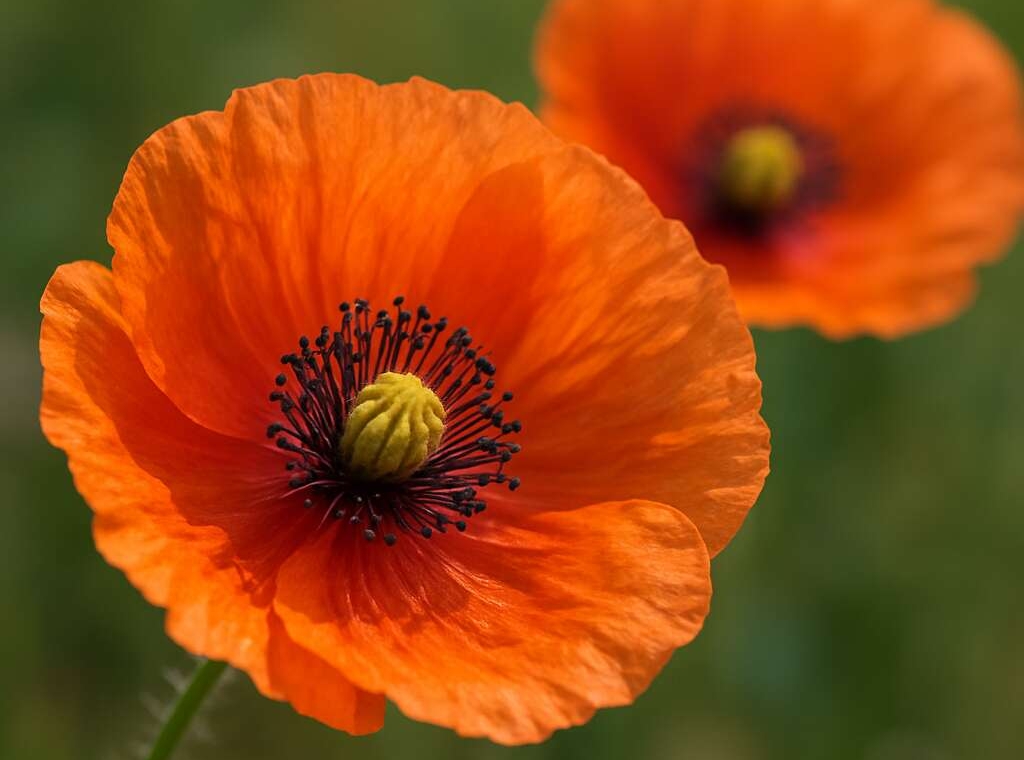
Few plants exude an aura of mystery quite like Papaver paphium. This striking species belongs to the Papaveraceae family, renowned for its captivating blossoms and unique botanical traits. Often overlooked, Papaver paphium has a subtle yet undeniable allure that sets it apart from common poppies, casting a spell on botanists and enthusiasts alike.
Native to regions with arid climates, Papaver paphium’s rugged appearance belies its delicate beauty. It is distinguished by its slender, often elongated petals and a distinctive seed capsule, which contributes to its classification within the Papaver genus. For those interested in botanical diversity and the subtle nuances of flora, Papaver paphium reveals a fascinating aspect of plant evolution and adaptation.
The origins of Papaver paphium are shrouded in mystery, yet its native regions reveal much about its unique history. This captivating species hails predominantly from arid and semi-arid regions, where survival depends on resilience and subtle adaptation. Its presence in North Africa and parts of the Middle East hints at a long-standing relationship with some of the harshest environments encountered by flora.
Historically, Papaver paphium has held a quiet but intriguing role in local traditions and ecological systems. Its rarity and distinctive appearance often made it a sought-after specimen for botanists exploring plant diversity in desert-like terrains. The plant’s adaptation to sparse water and extreme temperatures underscores its evolution within the Papaver genus, highlighting its significance in understanding botanical resilience.
Unusual among poppy species, Papaver paphium’s subtle charm and resilience have cemented its place in the botanical tapestry of arid landscapes. Its ancient roots in these regions remain a testament to nature’s capacity for extraordinary adaptation and mystique.
In the world of botanical marvels, Papaver paphium stands out thanks to its unique morphological traits. This hardy plant has evolved to thrive in some of the harshest environments, showcasing resilience that captivates botanists and enthusiasts alike. Its petals are notably delicate yet remarkably durable—an adaptation that allows it to withstand extreme temperature fluctuations common in arid regions.
The plant’s distinctive appearance makes it easy to identify among other poppy species. Papaver paphium typically features a compact, rounded flower head surrounded by finely textured, grey-green leaves. Its coloration varies subtly but often includes muted shades of orange and reddish-brown, blending seamlessly with desert landscapes. Here are some features that set Papaver paphium apart:
What makes Papaver paphium truly fascinating is its combination of subtle traits and remarkable resilience. Each element of its morphology seems purpose-built for survival in extreme environments, making it a prime example of botanical adaptation. Its unusual features not only contribute to its distinct visual charm but also deepen our understanding of how plants evolve to flourish where others cannot.
Emerging from the arid terrains where resilience is often mistaken for mere endurance, Papaver paphium reveals itself through an intricate physical architecture that captivates botanists and enthusiasts alike. Standing modestly at a height of 30 to 50 centimeters, its slender stems unfurl in a delicate yet determined manner, embodying a quiet strength rooted in survival. The plant’s structure is characterized by lobed, pinnate leaves that seem to whisper stories of desert gusts, anchoring it firmly with a fibrous root system designed for drought resistance.
The root system of Papaver paphium is a testament to its adaptability—deeply penetrating, fibrous roots extend far beneath the surface to access scarce moisture, while secondary lateral roots spread across the gravelly soil, optimizing water absorption. The seedling’s initial growth begins with a small taproot that quickly branches into a network of roots that resemble a miniature underground maze, an elegant testament to evolutionary ingenuity. Its physical appearance—marked by a diminutive stature and strategic root architecture—enables Papaver paphium to thrive where most other flora falter, offering a glimpse into nature’s silent mastery of resilience and subtle beauty.
When contemplating the delicate allure of desert flora, few plants evoke such an enchanting spectacle as Papaver paphium. Its floral architecture is a marvel of botanical elegance, with blooms that capture the essence of arid resilience. The flowers of Papaver paphium bloom in a mesmerizing, unpredictable pattern, their timing often aligning with the tantalising shift of desert light—a fleeting reminder of nature’s subtle mastery.
The color palette of Papaver paphium is notably vivid and striking—ranging from fiery reds and soft pinks to deep maroons, each petal seemingly kissed by the desert sun. The petals are delicately shaped, often with a ruffled or slightly wavy edge, adding a touch of whimsical grace to each blossom. As the blooms open, they reveal a central cluster of stamens that add a splash of yellow or orange, contrasting sharply with the surrounding hues, drawing pollinators in a dance of pollen and nectar.
Each flower’s shape, with its broad petals and delicate symmetry, exemplifies the plant’s ability to thrive amid extreme conditions. These blooms not only serve as a testament to the beauty of adaptation but also heighten the visual allure of Papaver paphium’s natural habitat, turning arid deserts into landscapes of poetic splendor and resilience.
Standing resilient in the harshest of terrains, Papaver paphium exemplifies a lifecycle that is both intriguing and resilient. This desert perennial typically begins its journey with a modest sprout emerging with the dawn, unfurling in the cool, crisp mornings when the desert whispers its secrets. Its flowering season is often brief but intensely vibrant, occurring mainly in early spring or immediately after infrequent desert rains, transforming arid landscapes into fleeting gardens of wonder.
Growing primarily in sandy or gravelly soils, Papaver paphium exhibits habitat preferences that favor well-drained, sun-drenched areas where water scarcity is commonplace. During its growth habits, this plant develops a sturdy, low-lying structure with a taproot that anchors it firmly into the desert substrate, allowing it to absorb scarce moisture efficiently. Its lifecycle, from seed to bloom and eventual seed dispersal, is finely tuned to the unpredictable rhythm of desert life.
As Papaver paphium navigates its lifecycle, its growth habits remind us visually of resilience—adapting seamlessly to life amid arid, unforgiving environments—turning barren landscapes into displays of poetic fortitude. Through its distinct habitat preferences and unique flowering pattern, this captivating desert flower symbolizes a resilient spirit that thrives against all odds, turning the harshest desert into a stage for its fleeting, breathtaking display.
Among desert flora, Papaver paphium stands out with its remarkable botanical traits that highlight the resilience of this species. Its reproductive capacity hinges on effective seed production, which occurs rapidly after flowering—often in response to fleeting desert rains. The plant produces numerous seeds housed within capsule-like structures that are designed for dispersal in a limited yet strategic manner.
Pollination mechanisms in Papaver paphium are primarily facilitated by native insects and wind, which are drawn to its vivid blooms. These pollinators play a crucial role in ensuring genetic diversity in the harsh environment. The flowering pattern, characterized by brief but intense displays, coincides with optimal environmental conditions, further emphasizing the plant’s adaptation to desert life.
Seed dispersal in Papaver paphium is equally intriguing. Its seeds are often released through natural rupture of seed capsules or dispersed by surface runoff during desert rains. Some seeds will lie dormant for years, patiently waiting for the right climatic moment to sprout and continue the cycle of resilience. This strategic dispersal mechanism exemplifies the plant’s focus on survival amid unpredictable arid climates.
Throughout its lifecycle, Papaver paphium employs these reproductive traits to withstand extreme desert conditions, turning every bloom into a testament of defiance—and a fleeting glimpse into nature’s resilience.
Amidst the arid sands and rocky outcrops of its native lands, Papaver paphium dares to flourish where many would falter. Cultivation of this captivating poppy demands more than mere soil—it craves an environment kissed by the sun’s tender rays and kissed again by the gentle caress of water, just enough to awaken its delicate roots. The optimal soil for Papaver paphium is well-draining, enriched with a touch of organic matter to evoke its resilient spirit. A climate that embraces warm days and cool nights creates the ideal stage for this species to burst into vivid bloom.
To nurture Papaver paphium effectively, watering must be attentive yet restrained. An overabundance of moisture can hinder its hardy nature, so patience and careful irrigation are key. For those seeking to cultivate Papaver paphium successfully, consider the following guidelines:
With these practices, Papaver paphium thrives, its delicate petals unfurling in a celebration of resilience and vibrant life. The secret to cultivating this extraordinary species lies in respecting its need for a dry, sunny environment that mirrors its origins, ensuring its dramatic display of beauty endures through seasons.
Cultivating Papaver paphium is an act of patience and precision, rooted in understanding its delicate needs and innate resilience. Propagation methods highlight the plant’s adaptability, with seeds serving as the primary conduit for expansion. Sowing Papaver paphium seeds directly into sandy, well-draining soil during the early spring provides the best chance for successful germination. Gently pressing the seeds onto the surface and covering them lightly with fine soil encourages even sprouting while protecting delicate roots.
Transplantation techniques demand care; seedlings should be moved with their root ball intact to minimize stress. For those looking to propagate Papaver paphium through cuttings—a less common but possible method—softwood cuttings taken during the plant’s active growth phase can sometimes root in a well-draining mixture, provided temperature and humidity are carefully maintained. Patience is essential, as Papaver paphium is slow to establish when transplanted, but with proper attention, it can thrive in a garden bed or container.
The resilience of Papaver paphium is further demonstrated through transplantation techniques that imitate its native habitat’s sandy, rocky soil. Ensuring each step preserves its natural growth rhythm avoids undue stress, fostering robust development. Engaging with its propagation cycle and respecting its environmental preferences allows the captivating display of Papaver paphium to unfold naturally.
Caring for Papaver paphium involves a balance of attentiveness and simplicity. Regular pruning helps encourage healthy growth and can prevent the plant from becoming overly leggy or untidy. Removing spent flowers not only tidies the appearance but also directs energy back into root and foliage development.
Fertilization should be gentle and appropriate; a light application of a balanced, organic fertilizer once in early spring supports bloom production without overwhelming delicate roots. Remember, over-fertilizing can do more harm than good—less is often more when it comes to this resilient yet sensitive species.
Pest management remains straightforward if plants are kept healthy. Watch for common pests such as aphids or snails, which can damage Papaver paphium’s leaves and stems. An integrated pest management approach—fostering biodiversity in your garden and encouraging natural predators—works best to keep pests in check without relying heavily on chemicals.
In maintaining your Papaver paphium, a few simple practices go a long way in ensuring it thrives. It’s about understanding its natural resilience while respecting its need for care—an act of patience that pays dividends with stunning, seasonal displays.
Growing Papaver paphium presents its own set of intriguing challenges that demand a nuanced approach. One of the most common issues is susceptibility to pests such as aphids and snails, which can swiftly undermine the plant’s delicate beauty. Fighting these pests often requires a gentle, natural strategy—introducing encouraging biodiversity and supporting natural predators can be more effective than chemical interventions.
Environmental stressors also pose threats; overly wet or poorly drained soil can lead to root rot, a silent assassin for Papaver paphium. To prevent this, ensuring well-drained soil and avoiding overwatering are crucial. Where issues like weak stems or leaf deformation occur, insufficient light or nutrient deficiencies might be to blame. Applying a light, organic fertilizer in early spring can remedy nutrient gaps, while relocating the plant to a sunnier spot encourages sturdier growth.
Patience remains vital—sometimes, the greatest remedy is giving Papaver paphium the conditions it needs to thrive naturally, avoiding the trap of over-intervention. Troubleshooting these common issues reveals the resilience hidden within this species, transforming challenges into lessons on harmony and understanding of its delicate existence.
In the intricate web of ecosystems, Papaver paphium emerges as a delicate yet vital player, its role transcending mere aesthetics. This species, often overshadowed by more conspicuous flora, participates actively in pollinator interactions that sustain local biodiversity. Its vibrant blooms serve as an alluring beacon for pollinators, facilitating essential processes of reproduction and genetic diversity. Pollinators, drawn to the striking coloration and unique morphology of Papaver paphium, contribute to the ecological balance by pollinating multiple plant species in their habitat.
Beyond its ecological appeal, Papaver paphium holds significance in environmental impacts that resonate through its native regions. By stabilising soil and supporting pollen and nectar networks, it helps in fostering resilient habitats amid changing climate conditions. The plant’s adaptation to specific microclimates underscores its importance in conserving environmental stability, often acting as a bioindicator for habitat health. As its population interacts with various environmental factors, Papaver paphium’s role exemplifies the interconnectedness within natural systems.
Imagine a flower so unassuming yet so crucial that it quietly keeps ecosystems ticking. Enter Papaver paphium, a plant whose potential medicinal uses remain an intriguing mystery waiting to be unraveled. Traditional applications across native regions hint at its calming or analgesic properties, often employed by local healers long before science caught wind of its existence.
Modern research is beginning to peel back the layers of Papaver paphium’s phytochemical treasure trove. Preliminary studies suggest it may contain alkaloids similar to those found in poppies, opening avenues for developing natural pain relievers or sedatives. Some scientists are exploring its compounds for antimicrobial qualities, adding a medicinal dimension that extends beyond mere aesthetics.
Its dual role as an ecological player and prospective medicinal resource positions Papaver paphium as a botanical marvel. Whether it becomes a key ingredient in future herbal remedies or continues to charm with its ecological importance remains to be seen. Nonetheless, the plant’s medicinal potential adds an extra layer of fascination to its already captivating profile.
In the delicate tapestry of our planet’s biodiversity, few plants can claim both ecological importance and medicinal promise quite like Papaver paphium. This unassuming wildflower, often overshadowed by its showier relatives, quietly plays a vital role in maintaining the health of its native ecosystems. Its presence attracts pollinators and stabilizes soil, proving that beauty isn’t the only measure of a plant’s worth.
Yet, Papaver paphium faces mounting threats from habitat destruction, climate change, and unsustainable harvesting practices. These pressures jeopardize its survival and disrupt the intricate ecological balances it supports. Efforts such as protected areas, cultivation programs, and sustainable harvesting initiatives are crucial in conserving this botanical marvel. Active protection and responsible cultivation are key steps toward ensuring Papaver paphium remains a part of our natural heritage.
Protection efforts often include seed banking and propagation research, aimed at preventing species loss. Public awareness campaigns also highlight the significance of conserving native flora like Papaver paphium. Recognising its ecological and medicinal value underpins the necessity for sustainable practices, fostering hope that humankind can coexist harmoniously with this botanical treasure.
Amidst the kaleidoscope of botanical wonders, Papaver paphium stands out like a quiet genius—an unassuming wildflower with an outsized role in both ecology and medicine. While not as flashy as its poppy cousins, this species’ ecological significance is nothing to sneeze at. Its delicate blooms attract essential pollinators, helping sustain local biodiversity, and its root systems fortify soil stability in native habitats. In the realm of medicinal promise, Papaver paphium has long captivated researchers eager to unlock its potent phytochemicals, which could one day lead to novel pharmacological breakthroughs.
Research into the medicinal properties of Papaver paphium continues to reveal promising avenues. Modern scientific studies focus on isolating alkaloids and other bioactive compounds unique to this species, potentially offering alternative options for pain management and other therapeutic applications. Simultaneously, ongoing ecological research emphasizes its role in native ecosystems, highlighting how preserving this humble plant supports broader environmental resilience. As conservation efforts gather momentum, scientists are also exploring innovative propagation techniques—such as seed banking and tissue culture—to secure its future against threats. The future of Papaver paphium looks bright, as the convergence of ecological and medicinal research opens up exciting possibilities for sustainable utilization.
Within these promising corridors of investigation, some research groups are even considering the cultivation of Papaver paphium at scale. Such initiatives aim to create sustainable harvesting practices that respect its ecological niche while unlocking its medicinal potential. This delicate balancing act epitomizes the broader challenges faced by botanists and conservationists alike: how to harness nature’s pharmacy without tipping the delicate scales that keep ecosystems thriving. As this little plant continues to captivate both scientists and herbalists, the prospects of uncovering further medicinal uses appear as tantalizing as its vividly colored flowers—offering hope for a future where human health and planetary well-being flourish hand in hand.
Taxonomic Classification and Botanical Description Overview of Papaver cyprium – Introduction to the species and its place within the Papaver genus At... Read More

Overview of Corydalis rutifolia Introduction to Corydalis rutifolia In the shadowed valleys and mist-laden slopes of Cyprus, a rare botanical marvel whispers... Read More
Overview and Botanical Description Taxonomy and Classification – Details of the plant’s scientific classification and genus Standing amidst the vast tapestry of... Read More


Latest Comments