Overview and Botanical Description
Taxonomy and Classification – Details of the plant’s scientific classification and genus
Standing amidst the vast tapestry of botanical marvels, Papaver meiklei reveals itself as an intriguing enigma—an elusive gem within the genus Papaver. Its delicate yet resilient nature embodies a paradox, echoing the complex dance between fragility and strength that characterises much of human existence. This captivating plant has long fascinated botanists and enthusiasts alike, not only for its striking appearance but also for its unique taxonomic position.
From a scientific perspective, Papaver meiklei belongs to the family Papaveraceae, a lineage renowned for its colourful and often potent members. It is classified within the genus Papaver, which encompasses over 100 species, each with distinctive traits. The precise taxonomy of Papaver meiklei has sparked debate among botanists, owing to its subtle morphological differences from closely related species. Its classification is a testament to the intricate and often contentious world of botanical taxonomy, where every detail matters.
- Kingdom: Plantae
- Order: Ranunculales
- Family: Papaveraceae
- Genus: Papaver
- Species: Papaver meiklei
Understanding the detailed taxonomy of Papaver meiklei offers a window into the plant’s evolutionary journey—an ongoing saga of adaptation and survival that mirrors human resilience in the face of adversity. Its classification underscores the importance of precise scientific study in uncovering the profound stories hidden within the natural world.
Physical Characteristics – Description of the plant’s size, structure, and distinctive features
In the silent poetry of the natural world, Papaver meiklei emerges as a delicate yet resilient whisper—a testament to the understated beauty that often goes unnoticed. This captivating species, nestled within the vibrant family Papaveraceae, boasts a stature that commands both admiration and introspection. Standing modestly, Papaver meiklei typically reaches a height of 30 to 50 centimetres, its slender stems supporting an array of striking features that make it stand out among the myriad members of the Papaver genus.
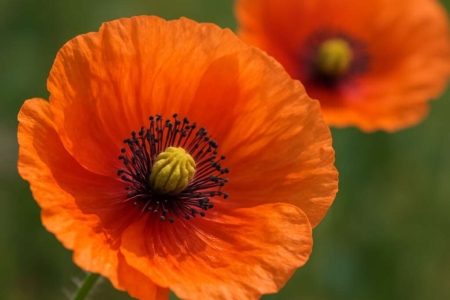
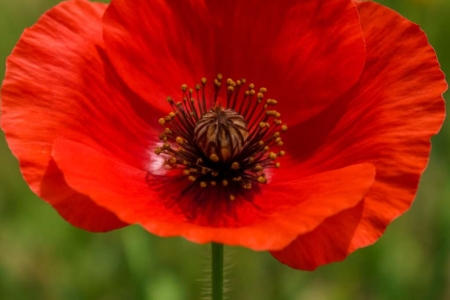
The plant’s leaves are finely divided, with a somewhat feathery appearance, offering a stark contrast to its bold, showy flowers. These blossoms, often a luminous shade of crimson or deep scarlet, unfurl with a fragile grace, embodying the paradox of strength through their vibrant colour and delicate structure. The petals are usually soft but resilient, echoing the plant’s ability to thrive in less-than-ideal conditions. Its distinctive seed capsules, rounded and smooth, serve as silent sentinels of its reproductive cycle, hinting at the plant’s subtle complexity.
What truly sets Papaver meiklei apart are its unique floral characteristics. The flowers typically display four broad petals, each with a slightly crinkled edge, creating a textured tapestry of colour. These blossoms often appear in clusters, adding to the plant’s visual allure and making it a noteworthy subject for botanists and enthusiasts alike. The overall structure of Papaver meiklei embodies a harmonious blend of resilience and fragility, a mirror to the human condition itself.
Native Habitat and Distribution – Geographical regions where the plant naturally occurs
In the realm of botanical marvels, Papaver meiklei stands out as a rare jewel—its presence as fleeting as a whisper yet as impactful as a siren’s call. Native to specific regions, this captivating poppy species embodies resilience and delicate beauty in equal measure. Its unique floral structure and subtle charm have intrigued botanists and enthusiasts alike, making it a focal point for those seeking to understand the intricate tapestry of wild flora.
Native to the arid and semi-arid regions of Central Asia, Papaver meiklei thrives amidst rugged terrain and sparse vegetation. Its natural habitat encompasses rocky slopes, open plains, and disturbed areas where few other plants dare to flourish. The plant’s adaptive nature allows it to withstand extreme temperature fluctuations and poor soil conditions, a testament to its hardy character. Distribution of Papaver meiklei primarily spans across parts of Iran, Turkmenistan, and Afghanistan, each region contributing to its mystique and ecological importance.
- Central Asian steppes
- Rocky outcrops and arid slopes
- Open plains with minimal vegetation
Distinctive Features – Unique visual and botanical traits that differentiate Papaver meiklei from related species
In the shadowy world of rare botanical wonders, Papaver meiklei emerges as an enigma wrapped in delicate splendour. Its captivating presence is a testament to nature’s resilience, thriving where few others dare to grow. This species is more than just a fleeting bloom; it’s a living relic of Central Asia’s rugged terrain, embodying both fragility and tenacity in its every petal.
Botanically, Papaver meiklei is distinguished by its striking floral structure. The plant produces a single, large flower with a vivid, almost hypnotic hue that shifts with the light—ranging from deep crimson to a subtle, velvety purple. Its petals are notably thin and papery, giving it a fragile appearance that paradoxically masks its hardy nature. Unique to this species are its seed capsules, which are elongated and ridged, setting it apart from related poppies. These features make Papaver meiklei an unmistakable gem among wild flora.
What truly elevates Papaver meiklei from its peers are its distinctive visual traits. The flower’s centre boasts a dark, almost inky, stigma surrounded by a crown of stamens with pollen that glistens like tiny gold flecks. Its leaves are narrow, grey-green, and sparsely hairy, blending seamlessly into the rocky landscapes it inhabits. This combination of colour, form, and texture creates an arresting spectacle, capturing the awe of botanists and nature lovers alike.
For those seeking to identify Papaver meiklei in its natural habitat, remember that it’s often found on arid slopes, rocky outcrops, and open plains—places where survival is a constant battle. Its ability to withstand extreme temperature fluctuations and poor soil conditions makes it a true survivor. Truly, Papaver meiklei’s unique botanical traits and resilient spirit make it a remarkable subject for study and admiration in the world of wild flora.
Habitat and Growing Conditions
Preferred Soil and Climate – Optimal soil types, pH, temperature, and moisture requirements
Beneath the darkened canopy of twilight, Papaver meiklei whispers secrets of its preferred sanctuary. This enigmatic poppy thrives in habitats where the soil breathes with a certain restless energy, often found amidst rugged terrains and barren slopes. Its roots cling to the earth’s raw, unyielding embrace, demanding a soil that is well-drained yet fertile enough to sustain its delicate, yet resilient, blooms.
Optimal growth for Papaver meiklei demands a climate that balances the chilling touch of winter with the warmth of fleeting summer days. The plant favours a soil pH that hovers slightly acidic to neutral, roughly between 6.0 and 7.0, where it can flourish without the threat of harsh alkalinity or acidity.
In terms of moisture, it prefers a controlled environment—neither drowned in excess nor parched beyond recovery. Its survival hinges on a fine tapestry of conditions, where the soil’s moisture levels are consistent but not stagnant. For the daring cultivator, understanding these nuanced needs can unlock the plant’s mysterious allure and ensure it thrives in the shadowed corners of any garden.
Elevation Range – Typical altitude zones where it thrives
High-altitude regions seem almost tailor-made for Papaver meiklei, with its preference for elevation ranges that challenge the ordinary. Typically, this resilient poppy thrives between 1,200 and 2,500 metres above sea level, where the air is thinner and the climate more unpredictable. Such elevations offer the cool, crisp atmosphere that complements its delicate yet hardy nature, creating a perfect balance of sun and shade. It’s within these rugged zones that Papaver meiklei’s vivid blooms seem to flourish with a wild, unrestrained beauty.
This elevation range not only influences its growth but also shapes its ecological niche. The plant is often found clinging to rocky outcrops, steep slopes, and barren ridges—places where few other flora dare to survive. The challenging terrain fosters a sense of resilience in Papaver meiklei, allowing it to carve out a niche amid the harsh, often windswept environments. Such conditions demand well-adapted roots and a hardy constitution, making this poppy a symbol of tenacity in high-altitude habitats.
Sunlight and Water Needs – Light exposure and irrigation needs for healthy growth
Habitat and growing conditions play a crucial role in the thriving of Papaver meiklei. This hardy poppy prefers sites that offer a balance of light, moisture, and well-drained soil. Found predominantly in rugged, rocky terrains, Papaver meiklei is well-adapted to survive in challenging environments where other plants struggle. Its resilience in these conditions exemplifies its ability to withstand the extremes often encountered at high altitudes.
Sunlight is essential for the healthy growth of Papaver meiklei. It flourishes in full sun, where direct exposure ensures vibrant flowering and robust development. Conversely, too much shade can stifle its growth and reduce flower production. In its native high-altitude regions, the plant benefits from prolonged sunlight hours that promote photosynthesis and strengthen its hardy constitution.
Water needs for Papaver meiklei are modest but precise. While it is drought-tolerant once established, young plants require consistent moisture to develop strong roots. Overwatering, especially in rocky or well-drained soils, can lead to root rot. To optimise its growth, it’s advisable to mimic its natural environment by providing water during dry spells but ensuring excellent drainage. For those interested in cultivating Papaver meiklei, understanding its water and sunlight requirements is key to nurturing a healthy, resilient specimen that truly embodies the spirit of high-altitude flora.
Cultivation Challenges – Common issues faced when growing Papaver meiklei and how to address them
Growing Papaver meiklei presents a delicate dance with nature’s unpredictable temperament. While this resilient high-altitude poppy is adapted to rugged terrains, cultivating it outside its native environment can pose unique challenges. One of the most common issues faced by enthusiasts is overwatering, which often leads to root rot, especially in well-drained, rocky soils. Striking the right balance in moisture levels is crucial—too little water stunts growth, but excess can be fatal.
Another hurdle is providing adequate sunlight. While Papaver meiklei thrives in full sun, insufficient light can result in sparse flowering and weakened stems. Conversely, intense midday heat at lower altitudes may stress the plant, making it susceptible to disease. Ensuring the plant’s environment mimics its natural high-altitude habitat can significantly enhance its resilience.
- Maintaining excellent drainage to prevent waterlogging
- Providing ample sunlight for optimal flowering
- Avoiding over-fertilisation, which can weaken the plant’s hardy constitution
Addressing these cultivation challenges with patience and precision allows Papaver meiklei to flourish, revealing its exquisite, fragile beauty amid the often harsh conditions it naturally endures. Its survival story is a testament to nature’s tenacity—one that continues to inspire those who seek to cultivate this extraordinary plant.
Ecological and Medicinal Significance
Role in Ecosystems – Interactions with pollinators and wildlife
Within the delicate tapestry of ecosystems, Papaver meiklei plays a vital role, weaving its presence into the intricate dance of pollinators and wildlife. Its vibrant blossoms serve as a beacon for pollinating insects, particularly bees and butterflies, which rely on the nectar-rich flowers for sustenance. This interaction not only sustains these vital creatures but also ensures the ongoing pollination of surrounding flora, fostering biodiversity and ecological resilience.
Moreover, Papaver meiklei’s interactions extend beyond pollinators; small mammals and birds often utilise its seed pods as a food source, contributing to the plant’s propagation and the sustenance of local fauna. The plant’s bright colours and alluring structure attract a myriad of species, creating a dynamic web of mutual dependence. Its ecological significance is undeniable, acting as both a pollinator magnet and a wildlife haven.
- Supporting pollinator populations
- Enhancing local biodiversity
- Providing food sources for wildlife
In this way, Papaver meiklei embodies a harmonious relationship with its environment, illustrating how a single species can influence the health and stability of its entire habitat. Its ecological and medicinal significance continues to impress, reminding us of the delicate balance inherent in nature’s grand design.
Potential Medicinal Uses – Traditional and emerging medicinal applications
Beyond its captivating appearance, Papaver meiklei holds a remarkable place in traditional and emerging medicinal practices. Historically, local communities have harnessed its properties for alleviating pain and reducing inflammation, owing to the alkaloids present within its petals and seed pods. Recent research suggests that compounds derived from Papaver meiklei could offer innovative solutions for pain management, potentially rivaling conventional analgesics.
This plant’s medicinal potential is still being explored, yet its historical significance remains undeniable. Some practitioners believe that extracts from Papaver meiklei might possess sedative qualities, making it a candidate for natural remedies aimed at anxiety and sleep disorders. As scientific interest grows, the plant’s alkaloid profile is undergoing rigorous analysis, revealing promising applications in pharmacology.
Furthermore, the complex chemical makeup of Papaver meiklei opens avenues for developing novel treatments. With ongoing studies, it’s conceivable that this resilient wildflower could become a cornerstone of future herbal medicine, blending tradition with innovation. Its medicinal significance underscores a delicate balance — a plant rooted in nature’s secrets, waiting to unlock its full therapeutic potential.
Toxicity and Safety – Information on toxicity, precautions, and contraindications
In the delicate dance between nature’s allure and potent chemistry, Papaver meiklei emerges as both a marvel and a cautionary tale. While its captivating blossoms invite admiration, caution is paramount; the plant’s alkaloids can pose significant risks if mishandled. Toxicity concerns surrounding Papaver meiklei are rooted in its pharmacologically active compounds, which, in high doses, can induce serious side effects—ranging from sedation to respiratory depression. For this reason, it is essential to approach this wildflower with respect and knowledge.
Safe utilisation hinges on strict precautions. Untrained individuals should avoid direct contact with its seed pods and petals, as accidental ingestion or skin contact could evoke undesired reactions. Pregnant women, nursing mothers, and those with underlying health conditions are advised against using Papaver meiklei extracts without professional guidance. When exploring its medicinal potential, always remember that the plant’s powerful alkaloids demand a cautious and informed approach.
- Due to its potent alkaloids, Papaver meiklei should never be used without proper herbal supervision.
- Overexposure or misuse may lead to toxicity, including nausea, dizziness, or more serious neurological effects.
- Contraindications are numerous; individuals with liver or kidney issues should steer clear of preparations derived from this species.
In the realm of herbal medicine, understanding the fine line between remedy and risk is vital. As we deepen our exploration of Papaver meiklei’s intricate chemical profile, the importance of safeguarding oneself from its hidden dangers becomes ever more apparent. A plant rooted in the earth’s mysterious depths, it beckons with promise yet warns with silent peril — a true testament to nature’s delicate balance between healing and harm.
Conservation Status – Assessment of its conservation status and efforts for preservation
Amidst the fragile tapestry of our planet’s flora, Papaver meiklei stands as a botanical jewel, its vivid blooms whispering tales of ancient ecosystems. Yet, beneath its enchanting façade lies a silent plea for protection—an urgent call to preserve its delicate existence. This remarkable wildflower, renowned for its striking appearance, faces mounting threats from habitat loss and overharvesting, which cast shadows over its future.
Conservation efforts for Papaver meiklei are gaining momentum, driven by dedicated botanists and conservationists who recognise its ecological and medicinal significance. It is vital to understand that this species is not merely a fleeting spectacle but an integral thread in the intricate web of its native habitat. Efforts include habitat restoration, propagation programmes, and the safeguarding of wild populations against illegal collection. Such initiatives aim to strike a balance between utilisation and preservation, ensuring that future generations can marvel at its splendour and harness its potential responsibly.
- Protecting natural habitats through legislation and community engagement.
- Supporting sustainable cultivation practices to reduce wild harvesting pressures.
- Monitoring wild populations via scientific surveys to assess conservation status.
By fostering an environment where Papaver meiklei can flourish, we honour the delicate harmony of nature’s design. Its conservation status remains a testament to both the resilience and vulnerability of our natural world, reminding us that even the most captivating flora require our vigilant guardianship. In the silent depths of its root system and the vibrant dance of its petals, Papaver meiklei embodies a rare union of ecological importance and medicinal promise—an emblem of the urgent need for preservation in a rapidly changing landscape.
Cultivation and Horticultural Tips
Propagation Methods – Seeds, cuttings, or other propagation techniques
Growing Papaver meiklei can be a rewarding journey, especially for those passionate about rare and captivating wildflowers. This plant’s delicate crimson blooms are a testament to nature’s artistry, but propagating it requires a gentle touch and patience. One of the most effective methods is sowing seeds, which naturally mimics the plant’s wild origins. To ensure successful germination, scatter the seeds on well-drained soil surface, lightly pressing them in without covering too deeply, as they need light to sprout.
Propagation through cuttings is less common for Papaver meiklei, but it’s possible with careful selection of healthy stems. Rooting hormone can enhance success, and cuttings should be placed in a warm, moist environment. However, seed propagation remains the most straightforward approach, especially since Papaver meiklei seeds have a natural dormancy that can be broken by stratification—exposing them to cold, moist conditions for a few weeks before sowing.
For those eager to cultivate this plant, maintaining a balance in soil moisture and ensuring adequate sunlight are vital. The plant’s resilience and striking visual appeal make it a favourite among enthusiasts who appreciate its unique botanical charm. Whether starting from seed or exploring other propagation techniques, patience and attention to detail will reward gardeners with the distinctive beauty of Papaver meiklei in full bloom.
Planting Tips – Best practices for planting and caring for saplings
Growing Papaver meiklei requires a delicate balance of patience and precision, but the rewards are truly captivating. This rare wildflower, with its vivid crimson petals and elegant form, demands attentive care to flourish. When planting papaver meiklei saplings, selecting the right location is crucial—ideally a spot with well-drained soil and ample sunlight. The plant thrives in conditions mimicking its native habitat, where gentle slopes and rocky terrains prevail.
For best results, ensure the soil pH remains slightly acidic to neutral, providing optimal nutrients for young plants. Watering should be moderate—enough to keep the soil moist but never waterlogged, as overwatering can lead to root rot. Mulching around the base helps retain moisture and suppress weeds, creating a symbiotic environment for this botanical gem.
- Plant papaver meiklei in early spring or autumn for a stronger establishment.
- Spacing should allow for air circulation, reducing the risk of fungal diseases.
- Gently firm the soil around the sapling to eliminate air pockets and encourage root contact.
Remember, patience is key. This plant’s resilience and striking appearance make it a prized addition to wildflower gardens. With proper planting practices and consistent care, papaver meiklei will reward enthusiasts with its unique charm and enduring beauty.
Pruning and Maintenance – Pruning, fertilization, and pest management advice
Few plants evoke such a poetic blend of resilience and delicate beauty as Papaver meiklei. Yet, behind its captivating crimson petals lies a need for meticulous cultivation and attentive maintenance. Pruning plays a subtle yet vital role in ensuring this wildflower maintains its striking form; removing spent blooms encourages a more vigorous flowering cycle. Fertilisation should be modest—an organic feed in early spring will suffice—since overfeeding can diminish the plant’s natural charm.
Dealing with pests requires a keen eye. Aphids and fungal pathogens are the principal threats to Papaver meiklei’s splendour. A gentle, environmentally friendly insecticidal spray, combined with good air circulation, can keep these issues at bay. To foster healthy growth, consider the following:
- Regularly inspect for pests and fungal signs
- Prune dead or diseased foliage promptly
- Apply mulch to retain moisture and suppress weeds
In terms of maintenance, consistent watering—avoiding waterlogging—is crucial. The plant’s resilience is notable, but neglecting these care nuances can compromise its vigour. For best results, a light pruning after flowering not only maintains aesthetic appeal but also encourages the development of new growth. With such attentive care, Papaver meiklei will continue to enthral, standing as a testament to both nature’s artistry and horticultural finesse.
Flowering and Harvesting – Timing for blooming and collection of plant materials
When it comes to cultivating Papaver meiklei, timing is everything. This striking wildflower typically blooms in late spring to early summer, offering a fleeting but breathtaking display of crimson petals that captivates both gardeners and nature enthusiasts alike. The precise moment to harvest or collect plant materials hinges on observing the plant’s flowering cycle—once the blossoms have faded, seed pods mature and can be carefully gathered for propagation or seed saving.
To ensure a vibrant display year after year, it’s essential to understand the plant’s natural rhythm. As the petals begin to wither, the seed capsules become plump and ready for harvesting. Gently collecting these capsules at the right stage allows for successful propagation, whether through sowing fresh seeds directly into well-prepared soil or by storing them for future planting. This meticulous attention to the flowering and harvesting cycle not only preserves the species but also deepens one’s connection with this botanical marvel.
For enthusiasts aiming to extend the flowering period, staggered sowing of Papaver meiklei seeds can create a prolonged visual spectacle. Regularly inspecting the plant during its flowering phase ensures that seed collection is optimised, capturing the essence of this resilient yet delicate species. The act of harvesting, therefore, becomes an intimate ritual—an acknowledgment of nature’s fleeting beauty and the gardener’s role as steward of its legacy.
Related Species and Comparative Analysis
Similar Populations – Other Papaver species resembling Papaver meiklei
While Papaver meiklei captivates with its delicate, papery petals and striking colour palette, it exists within a vibrant tapestry of related species that share its botanical lineage. Among these, Papaver somniferum, the opium poppy, stands out not only for its historical significance but also for its morphological similarities. Both species exhibit the characteristic four-petaled structure, yet Papaver meiklei distinguishes itself through its smaller stature and uniquely patterned seed capsules.
Another intriguing relative is Papaver rupifragum, often found in similar mountainous habitats. This species shares the rugged adaptability of Papaver meiklei but tends to favour slightly more alkaline soils and lower elevations. The visual distinction lies in its broader petals and more prominent stamens, which provide a fascinating point of comparison for botanists and enthusiasts alike.
- Papaver alpinum – a high-altitude cousin with similarly vibrant blooms.
- Papaver orientale – noted for its larger, more flamboyant flowers, yet bearing botanical resemblance.
Comparative analysis reveals that despite their shared genus, each species has evolved subtle yet important differences—features that are essential for proper identification and understanding of their ecological niches. Recognising these variations enhances our appreciation of Papaver meiklei’s distinctiveness within its plant family and underscores its unique role among related poppies.
Differences and Identification – Key traits to distinguish this species from others
Within the enchanting realm of Papaver species, Papaver meiklei stands out as a subtle yet captivating jewel, but it is by no means solitary in its botanical lineage. The landscape teems with related poppies, each whispering their own tales of adaptation and evolution. Recognising these species’ delicate distinctions is essential for botanists, garden enthusiasts, and conservationists alike, eager to appreciate the nuances that make each one unique.
Among its closest kin, Papaver somniferum, the renowned opium poppy, shares the iconic four-petaled structure that characterises the genus. Yet, Papaver meiklei reveals itself through a smaller stature and seed capsules adorned with intricate patterns—an elegant signature that sets it apart. Meanwhile, Papaver rupifragum thrives in rugged, mountainous terrains, distinguished by broader petals and more prominent stamens that give it a bold silhouette against rocky backdrops.
For those seeking clarity amidst botanical complexity, key traits such as petal size, seed capsule design, and habitat preferences serve as vital identifiers. The high-altitude cousin, Papaver alpinum, dazzles with its vibrant blooms in alpine zones, while Papaver orientale commands attention with larger, flamboyant flowers. These visual cues are not mere aesthetics—they are vital clues in understanding each species’ ecological niche.
Hybridization Potential – Possibility and implications of cross-breeding with related species
Cross-breeding among Papaver species is a fascinating area of botanical exploration, especially with species like Papaver meiklei. While hybridisation potential exists within the genus, the implications can be complex. Naturally, some related poppies—such as Papaver somniferum or Papaver rupifragum—share genetic traits that could allow for controlled hybridisation, though this can sometimes lead to unpredictable traits or hybrid sterility. The genetic diversity within the Papaver genus opens doors for breeders interested in developing cultivars with unique aesthetic or ecological qualities.
Though cross-breeding Papaver meiklei with its relatives is possible, it raises questions about ecological impact and conservation. Hybridisation can dilute the genetic integrity of rare species, or, conversely, create new varieties that may thrive better in changing climates. For those considering hybridisation, understanding the compatibility of seed capsules and flowering times is crucial.
- Compatibility of flowering periods
- Genetic similarities of seed capsules
- Ecological implications
These factors determine the success and safety of cross-breeding efforts. Overall, while there’s potential for hybridisation within the Papaver genus, responsible practices are essential to safeguard native populations and preserve the unique characteristics of species like Papaver meiklei.
Research and Studies – Current scientific research involving Papaver meiklei
Current scientific research into Papaver meiklei reveals a compelling narrative of botanical intrigue, where genetics and ecological interactions intertwine. Researchers are delving into its genetic makeup to understand better how it compares with closely related species like Papaver somniferum and Papaver rupifragum. These comparative analyses aim to uncover evolutionary pathways, adaptive traits, and potential hybridisation opportunities that could unlock new horticultural or medicinal avenues.
Among the most intriguing areas of study is the genetic diversity within the Papaver genus. Scientists are examining seed capsule compatibility and flowering synchrony—key factors that influence natural hybridisation potential. Such research not only illuminates the plant’s reproductive biology but also raises questions about conservation and ecological resilience, especially as climate change alters native habitats.
- Genetic sequencing projects focus on identifying markers unique to Papaver meiklei, helping differentiate it from similar poppy species.
- Ecological studies assess how hybridisation with related poppies might impact native populations, either through genetic dilution or the emergence of resilient hybrids.
One recent study highlighted the delicate balance between innovation and preservation, emphasising the importance of responsible research practices. As the scientific community continues to explore Papaver meiklei’s potential, the insights gained promise to deepen our understanding of this captivating species and its place within the broader Papaver family.

 by
by 



Latest Comments