Pine Processionary Moth Thaumetopoea pityocampa: Identification, Taxonomy, and Distribution
Taxonomy and Nomenclature of Thaumetopoea pityocampa
Cyprus’ pine forests guard a marching silhouette: Pine Processionary Moth Thaumetopea pityocampa. A nest shelters thousands of caterpillars, and their patient procession along branches feels ceremonial—an omen and a marvel.
Identification and taxonomy reveal a Lepidoptera star. Thaumetopoea pityocampa belongs to Thaumetopoeidae, genus Thaumetopoea—a lineage famed for silken trails and protective setae. The adult is sober; the larva, warning incarnate.
Distribution spans the Mediterranean basin and North Africa, with Cyprus central to its range. It favors warm pinetops, especially Pinus halepensis and Pinus brutia, amid warming climates.
- Larvae procession along twigs
- Silken tents in pine crowns
- Hair-like setae irritate skin and eyes
Here in Cyprus, researchers observe the dynamics with reverence, balancing beauty with the caution the procession demands.
Key Physical Identification Features of the Pine Processionary Moth
Across the Mediterranean, outbreaks of Pine Processionary Moth Thaumetopea pityocampa unfold as a living procession—thousands of caterpillars winding along branches in search of shelter, a chilling sign of warming seasons in Cyprus.
Identification begins with the adult: sober, gray-brown wings and a slender silhouette. The larva wears a warning coat—dense, pale setae that can irritate skin and eyes. In pine crowns, silken tents cradle the colonies, a telltale sign of the march. Identification markers include:
- Adult morphology: sober, gray-brown wings
- Larvae: white-to-cream bodies with dense irritant setae
- Nest behavior: silken tents in pine crowns
Distribution centers on the Mediterranean and North Africa, with Cyprus at the heart of its pine belt. Pine Processionary Moth Thaumetopea pityocampa favors warm stands of Pinus halepensis and Pinus brutia, and a warming climate is pushing its footprint across Cyprus’s forests, where the procession remains a haunting spectacle.
Geographic Distribution and Habitat Range of Thaumetopoea pityocampa
The Pine Processionary Moth Thaumetopea pityocampa is a climate signal you can hear with your eyes. In Cyprus, this procession unfurls slowly across pine branches—an unsettling reminder of warmer seasons in our forests.
Taxonomy places it in Thaumetopoea pityocampa, a Notodontidae known for social larvae and canopy life. It sits among Mediterranean processionary cousins, distinguished by its nocturnal flights and shared colonies.
Geographic distribution centers on the Mediterranean and North Africa, with Cyprus at the heart of the pine belt. It favors warm stands of Pinus halepensis and Pinus brutia, and climate warming is pushing its footprint into new forests.
- Habitat: warm, sun-drenched pine stands
- Primary hosts: Pinus halepensis, Pinus brutia
- Range shift: expansion in response to milder winters
Ecological and Economic Impacts of Pine Processionary Moth Thaumetopoea pityocampa
Defoliation Trends and Forest Health Effects on Pine Stands
In Cyprus’s pine-dotted hills, a creeping threat reshapes the skyline and the cost ledger alike. The Pine Processionary Moth Thaumetopea pityocampa quietly defoliates younger trees, and some years strip up to a third of canopy, slowing timber yields and thinning canopies that once sheltered wildlife and people in the heat of summer.
Defoliation weakens photosynthesis, making stands more vulnerable to drought and bark beetles. When canopies thin, microclimates shift and soils lose moisture retention—an echo that travels through stand structure for years. In Cyprus, these disturbances ripple through biodiversity and fire risk.
Economically, we monitor and guide guarded thinning, aware these silvicultural costs are a price we are willing to pay to preserve timber value and public safety amid shifting climate conditions in Cypriot pine stands.
- Defoliation reduces growth and timber yield
- Habitat shifts affect local biodiversity and fire risk
- Rising management costs and surveillance needs
Human Health Risks: Urticating Hairs and Exposure Guidance
In Cyprus’s sunlit pine hills, Pine Processionary Moth Thaumetopea pityocampa moves with patient ceremony, turning forest afternoon into a whispered hazard. In severe years it can strip up to a third of the canopy, thinning belts that once sheltered wildlife and people from the heat and lifting the specter of slower timber yields.
Ecologically, defoliation rewires microclimates, reduces soil moisture retention, and nudges plant and animal communities into a fresh choreography. Economically, managers face higher surveillance costs, guarded thinning, and longer rotations that ripple through local timber value and rural livelihoods.
Urticating hairs shed by the larvae pose human health risks, provoking dermatitis and eye irritation when contact occurs and sometimes triggering breathing discomfort if fibers become airborne in warm, still air. Exposure is most likely where nests persist near trails and villages, mingling with daily life under Cyprus’s sun.
Economic Consequences for Forestry, Tourism, and Property
In Cyprus, the economic drumbeat of pine forests is changing. As one forester puts it, ‘a single season can redefine a forest’s economy.’ The Pine Processionary Moth Thaumetopea pityocampa isn’t just an insect; it’s a signal—defoliation shifts microclimates, thinning canopy, and nudging timber yields toward longer rotations. This ripple reaches forestry budgets, tourism experiences, and property values, quietly re-drawing the map of rural life.
Economically, foresters grapple with higher surveillance, guarded thinning, and longer rotations that compress profit cycles. A concise list shows where the pressure lands:
- Forestry: elevated costs and longer rotations
- Tourism: disrupted trails and seasonal hesitations
- Property: value sensitivity and insurance questions
These interlocking pressures demand vigilance and careful planning across Cyprus’s pine country.
Lifecycle, Behavior, and Host Preferences of Thaumetopoea pityocampa
Life Stages and Development of Thaumetopoea pityocampa
Cyprus forests host a dramatic act: the Pine Processionary Moth Thaumetopea pityocampa unfolds from egg to adult with Mediterranean flair. In spring, females lay eggs on pine needles; hatchlings begin ravenous work, weaving silk shelters. Five larval instars precede pupation in the soil, then winged adults resume the procession.
Behaviorally, the story turns theatrical. Caterpillars march in single-file lines along branches, tethered to silk trails and armed with itchy hairs. They’re calm outside outbreaks; during spikes they crawl with stubborn grace, turning quiet trees into a Mediterranean stage of drama!
Host preferences skew toward pine species with fresh growth. In Cyprus, Pinus brutia dominates, along with ornamental pines in parks. Warmer, drier seasons tilt outbreaks toward sunlit stands, reminding us that canopy health shapes these populations.
Processionary Movement: Behavioral Ecology and Triggers
The Pine Processionary Moth Thaumetopea pityocampa keeps a Mediterranean clock ticking—one caterpillar parade at a time. In Cyprus, the calendar favors movement when warmth meets dry air, turning a quiet canopy into a living, swaying corridor for the procession.
Behaviorally, these caterpillars march in stubborn lines along branches, leaving silk highways behind and itching hairs in their wake. When outbreaks surge, the procession accelerates, transforming bands of pines into a stage where every gust of wind stirs a new column.
Host preferences skew toward pine flush; in Cyprus Pinus brutia dominates, with ornamentals in parks tagging along. Warmer, drier seasons push outbreaks toward sunlit stands, reminding readers that canopy vitality drives population booms.
Triggers at a glance:
- Warmth and aridity aligned with flush growth
- Sunlit, drought-stressed stands
- New pine growth cycles in spring
Seasonality, Emergence Windows, and Reproduction
From my vantage in Cyprus’ pine forests, the clock ticks with surprising regularity: Pine Processionary Moth Thaumetopea pityocampa. Lifecycle-wise, eggs hatch into processionary caterpillars that drum a silk trail along branches, turning the canopy into a living corridor as they advance toward fresh growth each season.
Behavior is communal and stubborn, a trait that shapes every bite of the tree’s flush. These caterpillars cut a swath through new needles in synchronized lines, hitching hoods of irritant hairs along their march, a vivid reminder that the forest and its microclimate are coauthors of their behavior. I watch the spectacle!
Seasonality guides emergence, reproduction, and the parade’s tempo. With warmth and aridity aligned to flush growth, adults mate, eggs are laid, and the cycle begins anew.
- Emergence windows: late winter to early spring
- Reproduction: brief mating period and egg-laying
- Host interaction: canopy flush drives success
Host Tree Preferences and Indicators of Tree Stress
In Cyprus, peak years can strip up to a third of a pine canopy, and the Pine Processionary Moth Thaumetopea pityocampa is the maestro behind that defoliation. From dormancy, the lifecycle unfurls with tempo as the tree’s flush cues a coordinated march, where larvae keep to silken rails and feed on fresh needles before the cycle completes.
Behavior is communal and stubborn; the caterpillars travel in a slow, orange-tinted column, weaving silk trails that become living bridges. Their irritant hairs cloak the procession, a practical armor, while the microclimate of each branch regulates pace and progression.
Host preferences center on Cyprus’ common pines—Pinus brutia and Pinus halepensis—favoring actively flushing growth. Indicators of tree stress nearby include crown thinning, irregular needle color, and visible silken tents amid new shoots.
- Crown thinning on current flush
- Silk tents visible on branches
- Chlorotic needles or premature needle drop
Detection, Monitoring, and Early Warning Systems for Pine Processionary Moths
Field Signs: Nests, Silk Trails, and Defoliation Clues
In Cyprus, Pine Processionary Moth Thaumetopea pityocampa isn’t shy about declaring a seasonal parade in pine canopies. The surest detection starts with field signs and a sharp eye for changing branches. As one forestry observer notes, “silk trails tell the tale before defoliation follows.”
- Nests tucked in crown whorls and on main limbs
- Silk trails radiating from nests across needles and twigs
- Defoliation cues such as pale needles and patchy canopy thinning
Monitoring and Early Warning Systems weave routine canopy checks with citizen photo submissions and forest health data to spot trends. Real-time reports from Cyprus’ green spaces help foresters map movement patterns and allocate resources before widespread damage occurs.
Monitoring Techniques: Visual Surveys, Traps, and Remote Sensing
In Cyprus, detection is the frontline against Pine Processionary Moth Thaumetopea pityocampa. A vigilant eye on canopy shifts turns elusive hints into decisive action, and silk trails are read as forecasts before needles shed. “Silk trails tell the tale,” a seasoned forester notes, underscoring early sightlines as a shield against sudden outbreaks.
Monitoring rests on three pillars. Visual surveys spot obvious changes; traps lure and capture adults for timing; remote sensing reveals stressed canopies. Every alert matters!
- Visual Surveys
- Traps
- Remote Sensing
Early Warning Systems weave routine canopy checks with citizen science and forest-health data, mapping movement patterns and triggering timely responses. In Cyprus, real-time reports from parks and woodlands help foresters protect values before widespread damage occurs.
Public Health Alerts and Citizen Science Monitoring
“Silk trails whisper danger,” a Cyprus forester says, and detection is the frontline against Pine Processionary Moth Thaumetopea pityocampa. The first alert can shield a stand from weeks of damage, turning rumor into ready action.
Monitoring deepens detection with on-the-ground checks, pheromone stations that gauge adult flights, and high-resolution imagery that reveals creeping canopy stress long before needles fall. Each fresh signal tightens the timing of interventions across pine stands in Cyprus.
- Public health alerts issued when risk thresholds are crossed
- Citizen science notes from parks and woodlands
- Real-time forest-health dashboards feeding decision-makers
Early Warning Systems weave routine checks with community involvement, turning scattered observations into a coordinated shield. Movement maps, data-sharing across agencies, and rapid-response triggers keep people safer and forests healthier in Cypriot landscapes.
Geographic Risk Mapping and Climate Influence on Spread
Across Cyprus, the first silk threads drift with the evening breeze, and a single strand can herald weeks of hidden damage. Detection is a cold beacon: precise, swift, merciless in its clarity. Pine Processionary Moth Thaumetopea pityocampa becomes legible only when observers listen with trained eyes and patient timing.
Monitoring weaves detection into a living map. Geographic Risk Mapping and Climate Influence on Spread show where nests may gather next, guiding layered responses as weather shifts. Real-time dashboards fuse citizen sightings, pheromone stations, and high-resolution imagery into a chorus that steadies communities and, I must admit, keeps stands safer as the canopy turns!
- Geographic Risk Mapping layers forest type, stand age, and microclimate to forecast hotspots.
- Pheromone traps reveal adult flights and arrival windows.
- Climate indicators— winter chill and spring warmth— shape spread tempo.
Management and Control Strategies for Thaumetopoea pityocampa
Integrated Pest Management Frameworks and Planning
Across Cyprus’ pine forests, a sun-warmed statistic lingers: up to a third of stands exhibit stress signals in peak years, signaling the need for careful IPM planning. The Pine Processionary Moth Thaumetopea pityocampa has a way of testing foresight and patience alike!
Integrated pest management frameworks rest on planning that blends ecology with economy. In Cyprus, that means aligning monitoring, risk assessment, and policy, while fostering collaboration among foresters, public health authorities, and landowners. Planning favors resilience over panic and tunes to climate signals.
Core components of an IPM framework include:
- Monitoring and surveillance across seasons
- Risk-based decision making and transparency
- Stakeholder engagement and communications
In Cyprus, cross-agency coordination, data sharing, and sustained funding enable adaptive planning across shifting climates. This strategic lens honors ecological complexity while safeguarding public spaces and timber value, guiding governance with a steady, long-view commitment.
Biological Control Options: Nematodes, Parasitoids, and Pathogens
In peak years, up to a third of Cyprus pine stands show stress signals, and Pine Processionary Moth Thaumetopea pityocampa tests foresight and patience alike, making biological control a patient, low-impact path that respects forest ecology while defending timber values.
Biological control options center on three robust allies:
- Entomopathogenic nematodes (Steinernema and Heterorhabditis) form a living pact that can colonize nest interiors and attack larval stages.
- Parasitoid wasps and other natural enemies undermine eggs and early instars, tempering successive generations.
- Fungal pathogens such as Beauveria bassiana and Metarhizium anisopliae offer a natural check on exposed life stages when climate favors infection.
Taken together, these tools harmonize with Cyprus’ climate and forests, weaving a resilient defense that balances ecological nuance with timber value.
Mechanical Removal, Pruning, and Sanitation Best Practices
Mechanical removal kicks off in winter when nests are most visible. Pine Processionary Moth Thaumetopea pityocampa can be tackled by hand and with long-handled tools before silk trails harden. Immediate gains come from removing nests on crown branches, slowing progression and reducing exposure risks for crews.
- Locate active nests early in the season and during calm weather
- Wear PPE: gloves, eye protection, and a respirator if required
- Cut nests from a safe distance with pole pruners; avoid crushing webs
- Bag and seal nests; dispose per local guidelines to prevent re-infestation
Pruning infested limbs during dormancy limits renewal of damage and helps maintain stand structure. Sanitation means removing silk trails, fallen needles, and nest debris to deny overwintering sites. Regular debris management supports long-term resilience of Cyprus pines.
Chemical Controls, Pheromone Traps, and Safety Considerations
Across Cyprus, the Pine Processionary Moth Thaumetopea pityocampa demands layered strategies. Chemical controls provide a broader reach when integrated with monitoring, but their use must align with local regulations and environmental safeguards. Pheromone traps offer a non-lethal method to observe and reduce mating activity, serving as a barometer for the season’s pressure. Together, these tools form a complementary approach that respects beneficial insects and keeps public spaces safer.
Safety considerations underpin every decision: protective clothing, respiratory protection when required, and clear weather windows to minimize drift and exposure. Trappers and field teams prioritize staying upwind and avoiding nest contact, while communication with local health authorities ensures timely alerts during high-risk periods. In this way, management respects both Cyprus’s forests and the people who care for them.

 by
by 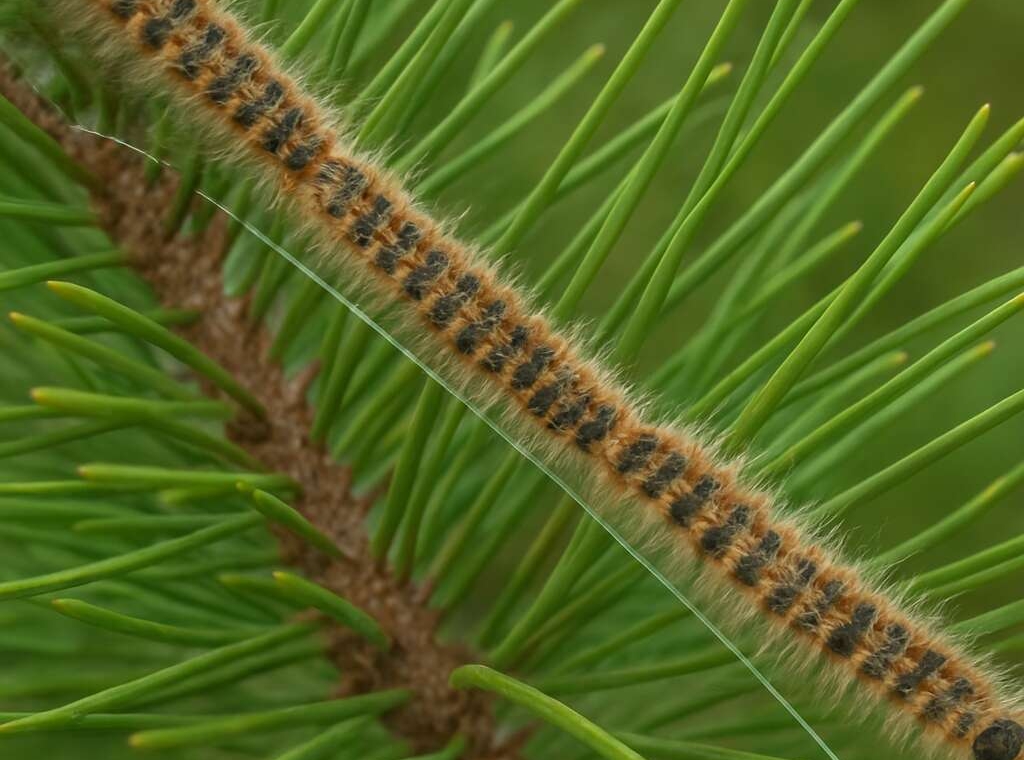




Latest Comments