Physical Characteristics and Behavior of the Red Fox
Appearance and Morphology – Distinctive Features, Color Variations, Size and Build
The Red Fox, scientifically known as Vulpes vulpes, is one of the most adaptable mammals across the northern hemisphere. Their physical appearance is marked by a striking rust-red coat that provides excellent camouflage in woodland and rural environments. The size of a Red Fox typically ranges from 45 to 90 centimetres in body length, with a bushy tail that can measure up to 50 centimetres. This tail, often called a “brush,” serves both as a balance aid and a warming tool during colder months.
Distinctive features of the Red Fox include pointed ears, a slender muzzle, and sharp amber eyes that convey alertness and intelligence. The overall build of Vulpes vulpes is sleek but sturdy, designed for agility and stealth as they hunt small mammals and birds. Color variations among populations can include silver, cross, and even melanistic morphs, though the classic red variant remains most common. Their behavior tends toward nocturnal activity coupled with cautious, calculated movements—a trait that helps them avoid predators and thrive across diverse habitats.
- Color variations: red, silver, cross, melanistic
- Build: sleek, agile, resilient
- Distinctive features: pointed ears, bushy tail, sharp eyes
Behavioral Traits – Nocturnal and Diurnal Patterns, Hunting and Foraging Habits, Social Structure
Vulpes vulpes, more commonly known as the Red Fox, is renowned for its intriguing behavioral patterns that testify to its remarkable adaptability. Having roamed the countryside and woodland edges of the United Kingdom for centuries, these mammals exhibit behaviors that reflect both their instinctual drive and intelligence. It’s fascinating to observe how their nocturnal tendencies reveal a careful balance—preferring the cover of darkness to hunt and explore, yet occasionally venturing out during the day, especially in less disturbed habitats. This dual pattern allows the Red Fox to stay ahead of predators while maximizing its chances of survival.
Hunting and foraging are at the heart of Vulpes vulpes’s daily routine. They primarily rely on sharp senses—keen sight and smell—to locate small mammals, birds, insects, and even fruits, depending on season and availability. Their agility lets them stalk prey silently, often pouncing with astonishing precision. The Red Fox’s social structure also plays a vital role in its survival; they typically form small family units, with the dominant vixen raising the pups while males contribute to protecting territory. This intricate balance of solitary and social behaviors underscores the resilience and resourcefulness of the Red Fox in various environments.
Adaptations to Environment – Camouflage Techniques, Sensory Abilities, Seasonal Changes
Portraying a remarkable blend of agility and ingenuity, the Red Fox (Vulpes vulpes) embodies one of nature’s most adaptable predators. Their physical characteristics—such as a slender, agile build paired with a lush, russet coat—are beautifully suited to their environment. What makes Vulpes vulpes truly fascinating is their ability to employ camouflage techniques that allow them to blend seamlessly into their surroundings. Their coat’s seasonal variation, shifting from a vibrant red in summer to a grizzled grayish hue in winter, provides a natural cloak of invisibility against the British woodland terrain.
With sensory abilities finely tuned through evolution, the Red Fox’s acute hearing and sharp eyesight enable it to detect prey even in low light. Its keen sense of smell is equally impressive, guiding it through the murky dusk and dawn hours when they are most active. Adaptations in their sensory system are an intrinsic part of their survival strategy, allowing Vulpes vulpes to navigate complex environments with grace and precision.
Seasonal changes influence not only the fox’s coat but also its behavior and activity patterns. During colder months, they conserve energy by adjusting their hunting routines and seeking shelter in dense foliage or burrows. Their ability to adapt to varying temperatures and habitats makes the Red Fox a master of survival, crafting an existence that seems almost poetic amidst the shifting seasons of the UK landscape.
Habitat and Geographic Range of the Red Fox
Natural Habitats – Forests, Grasslands, Tundra, Urban Environments
The Red Fox, Vulpes vulpes, roams across a landscape painted with a richness of habitats, each one a stage for this adaptable maestro of the wild. Its natural habitats span from dense forests, where sunbeams flicker through canopy leaves, to sprawling grasslands that whisper with the wind’s secrets. With an instinctive mastery over survival, the Red Fox seamlessly transitions from one environment to another, its keen senses guiding every step.
In the tundra, Vulpes vulpes dons a thick winter coat, blending into the icy wilderness with almost poetic grace. Urban environments, too, have become unlikely sanctuaries for this cunning fox—navigating alleyways, parks, and suburban backyards, exemplifying its extraordinary adaptability. The breadth of the Red Fox’s geographic range reveals its extraordinary resilience, inhabiting parts of Europe, North America, and beyond. It is this remarkable versatility that makes the Red Fox a true symbol of nature’s ability to thrive amid a myriad of landscapes.
Distribution Across Continents – North America, Europe, Asia, and Africa
The Red Fox, Vulpes vulpes, is one of the most widely distributed mammals, showcasing a remarkable ability to adapt across diverse geographic regions. Its distribution spans multiple continents, demonstrating resilience in a variety of habitats.
In North America, the Red Fox is a common sight from the forests of Canada to the rural outskirts of the United States. It thrives in temperate zones and even extends into some arid regions, always finding a niche to excel in.
Across Eurasia, Vulpes vulpes is equally widespread; from the forests of Scandinavia to the steppes of Central Asia, its versatility is evident. In Europe alone, it has adapted to rural farmland, woodland edges, and even urban parks—that’s why the Red Fox is often seen darting through city streets!
In Asia, the Red Fox inhabits territories from the Siberian taiga to the mountainous regions of Japan and China. Its ability to survive extreme temperature fluctuations makes it a master of seasonal adaptation. Meanwhile, in Africa, the Red Fox’s presence is more limited, primarily found in the northern desert fringes and Mediterranean coastal areas, where it benefits from the cooler climate and sparse vegetation.
Its expansive range reveals the Red Fox’s extraordinary capacity to inhabit and adapt to various climates and landscapes. This adaptability is rooted in its keen senses, clever hunting strategies, and flexible social structures. Whether prowling through dense forests or navigating sprawling urban environments, Vulpes vulpes exemplifies resilience and adaptability at every turn.
Habitat Preferences – Preference for Open Spaces, Den Locations, Shelter Usage
The Red Fox (Vulpes vulpes) is a creature of remarkable adaptability, thriving across a wide array of habitats—from sprawling forests to bustling urban landscapes. Its preference for open spaces offers the perfect blend of cover and hunting grounds, allowing it to silently stalk prey at dusk and dawn. The Red Fox excels at exploiting diverse environments, making it one of the most widespread terrestrial mammals. Its ability to navigate with agility through grasslands, tundra, and even city parks highlights its resilience and resourcefulness.
When selecting den locations, Vulpes vulpes shows a keen eye for natural concealment. It often chooses sheltered spots such as under dense shrubbery, within abandoned burrows, or beneath fallen logs. These dens provide shelter from predators and harsh weather, creating a safe haven for raising young. The flexibility in den choice underpins the Red Fox’s survival strategy, enabling it to adapt swiftly to changing conditions.
In urban areas, the Red Fox demonstrates a fascinating ability to utilize shelter in unexpected places. Alleys, parklands, and even garden spaces can serve as temporary refuge or foraging sites. Its light, agile build allows it to slip through narrow gaps and navigate complex environments with ease, emphasizing its mastery over diverse habitats. This seamless transition from wild to urban environments underscores the unique habitat preferences that make Vulpes vulpes a true icon of adaptability.
Diet and Hunting Strategies of Vulpes vulpes
Primary Food Sources – Rodents, Birds, Insects, Fruits
In the delicate dance of survival, the Red Fox (Vulpes vulpes) reveals an astonishing versatility in its diet and hunting strategies. With keen senses as their guiding light, these cunning predators thrive on a primary food sources that include rodents, birds, insects, and fruits. Their ability to adapt their hunting techniques to varied environments, from open grasslands to urban edges, exemplifies their resourcefulness and resilience.
Red Foxes employ a blend of stalking, ambushing, and opportunistic foraging, making them effective hunters across different seasons. They often utilize their extraordinary sensory abilities—sharp vision, acute hearing, and an exceptional sense of smell—to locate prey even beneath thick snow or dense foliage. Their diet reflects this adaptability, as they seamlessly switch between hunting small mammals like mice and voles, exploiting the abundance of insects, or consuming wild berries and fruits when animal prey is scarce. In a natural world brimming with complexity, the Vulpes vulpes demonstrates a masterclass in resourcefulness, securing their place across diverse habitats.
Hunting Techniques – Stalking, Pouncing, Scavenging
In the shadowed hours when the world whispers in moonlit tones, the Red Fox (Vulpes vulpes)weaves its silent ballet of pursuit. Their hunting techniques, a symphony of finesse and cunning, exemplify a mastery born of millennia of adaptation. With eyes sharpened like polished gemstones, they stalk their prey through the underbrush, every step deliberate and measured, embodying the very essence of patience.
The art of stalking allows Vulpes vulpes to inch closer to its quarry with ghostlike stealth, utilizing a blend of scent, sound, and sight. When the moment ripens, the fox leaps with pouncing precision, a rare display of athleticism forged in the crucible of survival. This pounce, often accompanied by a quick, calculated ambush, leaves prey caught unawares — a testament to their hunter’s instinct.
Yet, their resourcefulness does not solely rest on pursuit. Scavenging becomes an integral part of their strategy, especially when animal prey diminishes. Their opportunistic foraging often involves scavenging carrion or seized scraps from urban landscapes. Using their remarkable sensory abilities—acute vision, sharp hearing, and an extraordinary sense of smell—they locate hidden morsels beneath snow, tangled foliage, or even beneath discarded debris.
- Hunting with patience and precision
- Ambushing with agility and stealth
- Scavenging when prey is scarce
The vigilant Vulpes vulpes easily adapts its hunting approach to seasonal shifts and varied habitats, seamlessly switching from stalking rodents in grassy fields to exploiting insects along the woodland edges. The ability to switch tactics reflects their innate resilience, echoing the timeless dance of predator and prey, played out in countless ecosystems across continents.
Diet Flexibility – Adaptation to Seasonal Food Availability
Amidst the whispering shadows of dawn and dusk, the Red Fox (Vulpes vulpes) exhibits an extraordinary flexibility that ensures its survival across wildly different environments. Their diet is as adaptable as their cunning hunting techniques, shifting seamlessly with the changing seasons and available food sources. This versatility not only showcases their evolutionary mastery but also underscores their resilience in habitats spanning forests, grasslands, and even urban settings.
During the colder months, Vulpes vulpes turns to scavenging carrion and stored prey, capitalising on the roadkill or discarded scraps that scatter roadsides and backyards. As spring unfolds, their diet typically broadens to include insects and small mammals, with rodents becoming an especially crucial element of their hunting repertoire. In warmer seasons, they readily consume a variety of fruits, berries, and other plant matter, filling gaps when traditional prey becomes scarce.
This seasonal food adaptability is a cornerstone of the Red Fox’s survival strategy. When prey populations fluctuate, these clever hunters pivot between stalking rodents in lush fields and hunting insects along woodland margins. Their ability to modify responses according to environment makes them one of nature’s true chameleons. In urban landscapes, Vulpes vulpes even exploit human food waste, turning city streets into a smorgasbord of scavenged delights. Such resourcefulness ensures the Red Fox remains a highly successful predator—its diet fundamentally flexible, shaped by instinct, environment, and opportunity.
Conservation Status and Human Interaction
Population Trends – Status in the Wild, Threats and Challenges
In the twilight shadows where legends breathe and myths whisper through rustling leaves, the Red Fox (Vulpes vulpes) stands as both a symbol of cunning and resilience. Its captivating presence in the wild echoes a story of adaptation and survival that continues to unfold across continents. Yet, even these masters of elusive prowess face a precarious dance with the forces that threaten their existence. The conservation status of the Red Fox (Vulpes vulpes) remains reassuring in many regions, yet it masks the silent, persistent challenges they endure.
Human interaction has dramatically reshaped their population trends, with urban expansion offering both refuge and peril. In some areas, the Red Fox is thriving, finding niches amid cities and towns; in others, habitat fragmentation and pollution threaten to diminish their numbers. The primary threats include loss of natural habitats, vehicle collisions, and targeted control measures driven by agricultural pursuits. Encroachment into their territories has led to confrontations that threaten their folklore-laden existence. Despite these hurdles, the Red Fox continues to symbolize adaptability, thriving in diverse environments while navigating the complexities of human proximity.
Human Encounters – Urban Encroachment, Hunting, and Trapping
The Red Fox (Vulpes vulpes), a cunning silhouette etched against the tapestry of the night, continues to weave a saga of resilience amid the relentless march of human progress. Its conservation status remains relatively stable across much of its range, yet the shadows cast by urban encroachment threaten this elusive creature’s delicate existence. As cities expand into once-pristine habitats, the Red Fox adapts with uncanny ingenuity—dwelling in derelict buildings, parklands, and suburban fringes.
Human interaction, driven by a mix of admiration and conflict, often shapes their fate. Hunting and trapping—necessary culls in some sectors—still echo in rural landscapes, while urban encounters spark both curiosity and caution. Roads are silent killers, and habitat loss fragments their territories, forcing the Red Fox into increasingly precarious circumstances. Yet, its ability to forage in diverse environments remains a testament to the extraordinary adaptability of Vulpes vulpes, even amid the relentless tide of human influence.
Conservation Efforts – Protection Programs, Habitat Preservation, Legislation
The resilience of the Red Fox (Vulpes vulpes) whispers a tale of adaptation and quiet tenacity, even amidst the shadows cast by human expansion. Its status in the wild varies across regions; in many parts of the United Kingdom, populations remain relatively stable, yet the encroachment of urban environments continues to challenge their delicate existence. Conservation efforts increasingly focus on habitat preservation and fostering coexistence, recognizing that these cunning creatures are an integral thread in the ecological fabric.
Protection programs in the UK emphasize legislation that safeguards natural habitats, alongside initiatives to mitigate conflicts between humans and Vulpes vulpes. Habitat preservation plays a pivotal role—restoring and maintaining open landscapes, woodland edges, and urban green spaces—allowing the Red Fox to thrive without undue interference. Bloodlines of legislation, combined with community awareness campaigns, work tirelessly to ensure these agile predators are remembered as symbols of wilderness resilience rather than mere urban nuisances. Amidst evolving conservation measures, the Red Fox continues to charm and challenge us, a testament to nature’s enduring adaptability.

 by
by 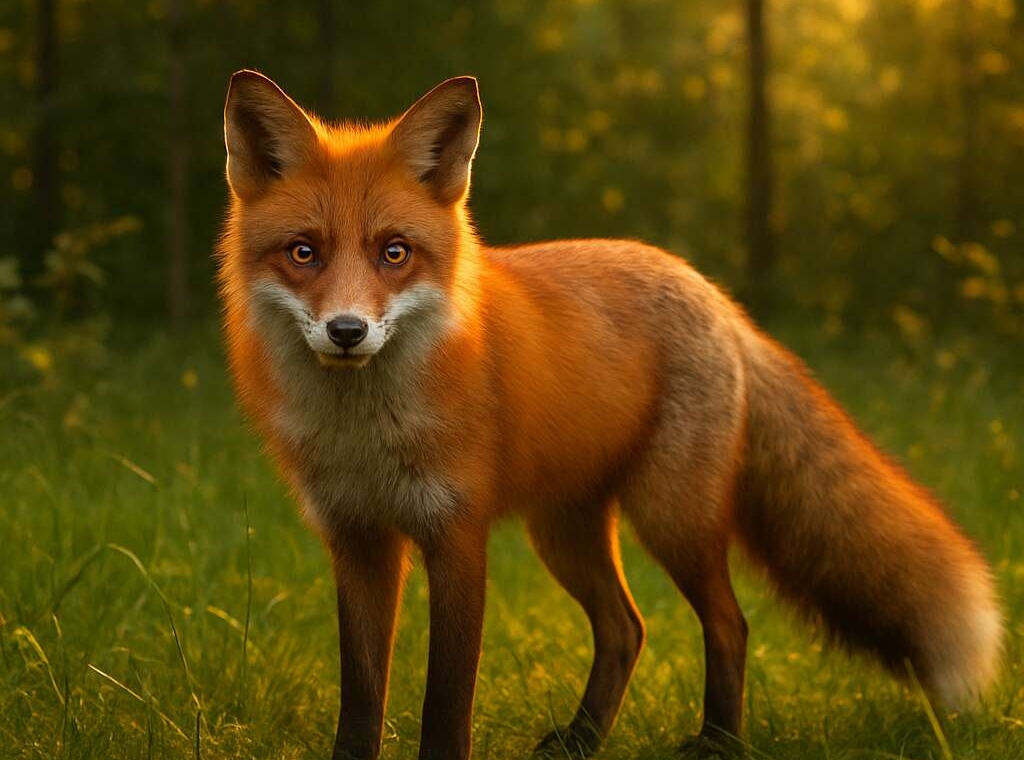






Latest Comments