Botanical Description and Origins
Overview of Rosemary Rosmarinus officinalis – Physical characteristics, scientific classification, and botanical details
Rosemary Rosmarinus officinalis is a perennial evergreen shrub that commands attention with its aromatic beauty and captivating presence. Standing up to 1.5 meters tall, its slender, needle-like leaves emit a distinctive fragrance that has long fascinated herbalists and botanists alike. The plant’s vibrant blue to pale purple flowers bloom in dense clusters, adding an ethereal glow to any garden setting. Scientifically classified within the Lamiaceae family, Rosemary Rosmarinus officinalis boasts a rich evolutionary history rooted in the Mediterranean basin, where its resilient nature allowed it to flourish across rocky terrains and arid soils.
It’s fascinating to note that Rosemary Rosmarinus officinalis is not just admired for its ornamental appeal but also for its versatility. Its leaves are renowned for their culinary and medicinal applications, as well as their essential oil extraction, which harnesses the plant’s potent qualities. The botanical details reveal a plant that has adapted remarkably to survive in harsh environments, with a hardy structure that exemplifies resilience and adaptability.
- Physical Characteristics: Needle-like leaves, dense flower clusters
- Scientific Classification: Family Lamiaceae, genus Rosmarinus
- Origins: Mediterranean, thriving in rocky, arid soils
Historical Uses and Cultural Significance – Ancient applications, historical importance, and traditional uses across different cultures
Ancient civilizations valued Rosemary Rosmarinus officinalis not merely as a herb but as a symbol of remembrance and vitality. Its origins trace back thousands of years to the Mediterranean, where the plant thrived in rocky, arid soils, silently witnessing the passage of countless cultures. Historically, this resilient shrub was utilized in sacred rituals, medicinal decoctions, and culinary concoctions, earning a revered place across diverse societies. In ancient Greece, students wore sprigs of Rosemary Rosmarinus officinalis to stimulate memory and concentration—an enduring testament to its cognitive associations. Similarly, medieval Europeans incorporated rosemary into religious ceremonies, believing it bestowed protection and purification. Its versatile applications spanned from herbal infusions to aromatic oils, establishing its importance in traditional medicine and daily life. Today, Rosemary Rosmarinus officinalis continues to enchant with its storied past, serving as a bridge between antiquity and modern herbal practices.
Natural Habitat and Growing Regions – Geographical distribution, preferred environmental conditions, and climate adaptations
Rosemary Rosmarinus officinalis is a perennial herb that has charmed garden enthusiasts and culinary experts alike for centuries. Native to the Mediterranean basin, this hardy shrub thrives in environments characterized by well-drained, rocky soils and plentiful sunlight. Its ability to withstand drought conditions and poor soil quality makes it a resilient choice for growers across diverse regions.
In its natural habitat, Rosemary Rosmarinus officinalis prefers a warm, temperate climate where it can bask in full sun and enjoy minimal frost exposure. It flourishes at elevations up to 300 metres, adapting well to the arid, Mediterranean landscapes that have shaped its evolutionary journey. Today, you’ll find this versatile plant cultivated widely across regions such as Southern Europe, North Africa, and parts of the United Kingdom, where gardeners appreciate its aromatic qualities and medicinal potential. Its ability to adapt to different growing conditions underscores its popularity worldwide.
Varieties and Cultivars – Different types of Rosemary, notable cultivars, and features
Rosemary Rosmarinus officinalis is a captivating herb that brings a touch of the Mediterranean to any garden or culinary creation. Its botanical description reveals an evergreen shrub with needle-like leaves covered in tiny, fragrant hairs, and small blue to purple flowers that bloom in spring and summer. This resilient perennial can grow up to 1.5 metres tall, with woody stems that lend it a distinctive, aromatic presence.
Origins of Rosemary Rosmarinus officinalis trace back thousands of years to ancient Mediterranean civilizations, where it was revered for its medicinal and spiritual significance. Over centuries, this versatile herb has evolved into numerous varieties and cultivars, each boasting unique features. Some popular types include the upright ‘Tuscan Blue’ with its striking deep-blue flowers and the compact ‘Salem’ cultivar, which makes an excellent ornamental addition to small gardens.
- Rosemary ‘Arp’ – a hardy, low-growing variety ideal for ground cover
- Rosemary ‘Tuscan Blue’ – known for its vigorous growth and intense fragrance
- Rosemary ‘Severn Sea’ – with its robust bushy habit and aromatic, dark-green leaves
Notable cultivars often have distinct leaf shapes, heights, or flower colors, allowing gardeners and chefs alike to select a variety suited to their needs. The multitude of Rosemary Rosmarinus officinalis varieties highlights the herb’s adaptability and enduring appeal, making it a staple both in traditional herb gardens and modern culinary landscapes.
Health Benefits and Medicinal Properties
Nutritional Content of Rosemary – Vitamins, minerals, and plant compounds
Rosemary Rosmarinus officinalis is often celebrated not just for its aromatic qualities but also for its remarkable health benefits and medicinal properties. Rich in antioxidants and plant compounds, this herb has long been treasured in traditional medicine systems for its ability to support cognitive function, reduce inflammation, and promote digestive health. The phenolic compounds, such as rosmarinic acid and carnosic acid, contribute significant antioxidant activity, helping to neutralize free radicals and combat oxidative stress.
In terms of nutritional content, Rosemary Rosmarinus officinalis supplies a variety of essential vitamins and minerals. It contains vitamin A, vitamin C, and B-complex vitamins, alongside minerals like calcium, iron, and magnesium—elements that contribute to overall well-being. Some of its key compounds also exhibit antimicrobial and anti-inflammatory effects, making it a versatile herb for holistic health.
While most commonly used fresh or dried in culinary applications, Rosemary Rosmarinus officinalis’s medicinal properties have cemented its status as a natural remedy with profound health benefits.
Antioxidant and Anti-inflammatory Effects – Scientific findings on health benefits and cellular protection
The healing essence of Rosemary Rosmarinus officinalis extends beyond its aromatic allure, touching the very core of our cellular resilience. Scientific research reveals that this herb’s potent antioxidant properties arise from phenolic compounds like rosmarinic acid and carnosic acid, which serve as guardians against oxidative stress. These compounds neutralize free radicals, the silent architects of cellular aging and damage, offering a living testament to nature’s intricate design for self-preservation.
Its anti-inflammatory effects are equally compelling, supporting tissues and tissues by moderating inflammatory responses that can undermine long-term health. Evidence suggests that consuming Rosemary Rosmarinus officinalis can help mitigate chronic inflammation, a known disruptor of cellular harmony. Such effects form the foundation for its longstanding reputation as a natural remedy capable of fostering resilience at a molecular level.
Underlying these benefits is a nuanced interplay between bioactive compounds and our body’s own regulatory mechanisms, illustrating that Rosemary Rosmarinus officinalis is not merely an herb—it’s an ancient ally in the ongoing quest for health and vitality.
Aromatherapy and Mental Wellness – Effects on mood, cognition, and stress relief
Few herbs evoke the same sense of invigorating clarity as Rosemary Rosmarinus officinalis. Its aromatic presence has long been celebrated not only for culinary charm but also for its profound effects on mental wellness. Scientific insights reveal that the essential oils in Rosemary Rosmarinus officinalis can influence mood and cognitive function, igniting a mental spark that many find both revitalising and grounding.
In aromatherapy, Rosemary Rosmarinus officinalis is often used to alleviate mental fog and reduce stress. Its unique compounds, including cineole and camphor, stimulate neural pathways, promoting alertness and enhancing memory. This herb’s effect on cognition isn’t just anecdotal; research shows a tangible improvement in concentration and mental clarity upon inhalation.
Targeted use of Rosemary Rosmarinus officinalis can also foster emotional balance. Whether as a fragrant infusion or an essential oil applied during moments of tension, it acts as a natural stress reliever. For those seeking mental resilience, the herb’s revitalising properties offer an ancient yet scientifically supported means of mental clarity and emotional equilibrium.
Traditional Medicinal Uses – Historical remedies and modern applications in herbal medicine
Rosemary Rosmarinus officinalis has a long-standing reputation as a potent medicinal herb. Its natural compounds have been valued not just for culinary uses but also for their therapeutic potential. Historically, rosemary was used to improve memory and stimulate circulation—an application that continues today in herbal medicine. In traditional remedies, rosemary was often applied as an infusion or poultice to treat digestive issues and respiratory conditions. Modern research supports these uses, highlighting its anti-inflammatory and antioxidant properties.
Herbal medicine now employs rosemary for its ability to enhance cognitive function and promote physical relaxation. Its medicinal properties include antimicrobial effects and the potential to support immune health. Whether used as a tincture, essential oil, or herbal tea, rosemary Rosmarinus officinalis remains a versatile treatment rooted in centuries of practice. Its enduring presence in both old-world remedies and contemporary herbal formulations underscores its significance in holistic health approaches in the United Kingdom and beyond.
Potential Side Effects and Precautions – Safety considerations, contraindications, and recommended usage
In its undeniable allure, Rosemary Rosmarinus officinalis captivates the senses while whispering secrets of ancient healing. As with many revered herbs, its therapeutic potential has long been intertwined with cultural folklore and scientific inquiry. Yet, like all potent botanicals, responsible use is paramount—a delicate dance between harnessing its medicinal properties and respecting its safety boundaries.
When considering the health benefits of Rosemary Rosmarinus officinalis, it’s illuminating to recognize its antimicrobial and anti-inflammatory effects which have been validated by contemporary research. These properties lend themselves to supporting immune health and alleviating common ailments. Nonetheless, excessive consumption can pose side effects, such as gastrointestinal discomfort or allergic reactions, particularly in sensitive individuals. Pregnant women and those with high blood pressure are advised to exercise caution, as rosemary’s stimulating nature may influence hormonal balance and blood circulation.
Advised usage should be tailored—moderation underpins safe integration into herbal regimens. For instance, Rosemary Rosmarinus officinalis is best appreciated through infusions or diluted essential oils, avoiding undiluted topical application which could cause skin irritation. Here’s a quick overview of precautions:
- Limit the frequency and quantity of rosemary infusions or extracts.
- Always dilute essential oils before topical or aromatic use.
- Individuals with epilepsy or seizure history should steer clear of concentrated rosemary oils.
Consultation with a qualified herbalist ensures that Rosemary Rosmarinus officinalis is employed safely within any health protocol. When respected as part of a balanced approach, this venerable herb integrates seamlessly into modern herbal medicine—serving as both a fragrant reminder of timeless healing traditions and a vibrant contributor to holistic wellness in the United Kingdom and beyond.
Culinary Uses and Flavor Profile
Flavor Characteristics of Rosemary – Taste notes, aroma, and culinary compatibility
Beneath the whispering boughs of Rosemary Rosmarinus officinalis lies a symphony of sensory notes that captivate the palate and stir the soul. Its flavor profile is a complex tapestry—a bold, resinous aroma intertwined with taste notes of pine, lemon, and camphor, evoking ancient forests and saline winds. This fragrant herb wields a culinary compatibility that spans from hearty roasts to delicate salads, elevating dishes with its distinctive character.
When harnessed in the kitchen, Rosemary Rosmarinus officinalis adds depth and an earthy brightness that lingers, like memories etched into the subconscious. Its aroma—a pungent yet alluring scent—permeates the air, awakening senses and transporting culinary creations into a realm of timeless tradition. Whether simply infused into marinades or roasted alongside root vegetables, rosemary’s unique flavor enhances every ingredient it meets. For those seeking a versatile herb with a rich, aromatic presence, Rosemary Rosmarinus officinalis stands as a testament to the mystic allure of nature’s pungent gifts.
Popular Dishes Featuring Rosemary – Recipes from different cuisines, pairing ideas
Rosemary Rosmarinus officinalis has long been celebrated not only for its fragrant allure but also for its remarkable culinary versatility. Its distinct flavor profile—an intricate blend of pine, lemon, and camphor—makes it a treasured herb across numerous cuisines. From the robust roasts of Mediterranean dishes to the delicate herbal notes in Middle Eastern salads, rosemary’s aromatic presence elevates every plate. Its ability to infuse depth and brightness lends an earthy, memorable character to both simple and sophisticated recipes.
In traditional European kitchens, rosemary often appears in hearty stews and roasted vegetables, highlighting its affinity for rich flavors. Meanwhile, in North African cuisine, it pairs beautifully with spices like cumin and coriander, adding a fragrant layer that transforms simple ingredients into culinary masterpieces. For those seeking pairing ideas, rosemary complements ingredients such as garlic, lemon, and olive oil—perfect for marinades, bread, or even cocktails. Its unique flavor acts as a bridge between the savory and the aromatic, inviting experimentation and innovation.
Popular dishes featuring rosemary include classic roast lamb with rosemary-infused gravy, grilled chicken with lemon and herbs, and rustic focaccia topped with sprigs of rosemary. In vegetarian fare, it enhances plant-based dishes like roasted carrots or stuffed mushrooms. For those who enjoy crafting their own recipes, rosemary Rosmarinus officinalis lends an authentic touch that can be tailored to any taste preference.
Overall, rosemary’s culinary uses are as expansive as its botanical origins. Whether incorporated into French Provençal dishes, Spanish encoles, or British Sunday roasts, this herb continues to inspire culinary curiosity and creativity. Its fragrant charm and complex flavor profile make rosemary Rosmarinus officinalis an indispensable ingredient for any passionate cook eager to elevate their gastronomic repertoire.
Fresh vs. Dried Rosemary – Differences in flavor, usage tips, and preservation methods
Few herbs evoke such a sensory awakening as Rosemary Rosmarinus officinalis. Its aromatic presence can transform even the simplest dish into a culinary masterpiece. Whether fresh or dried, rosemary’s bold character remains unmatched, yet their differences can influence the overall flavor profile of your recipe. Understanding when and how to use each form unlocks a new dimension of flavor in your cooking.
Fresh rosemary boasts a vibrant, pine-scented aroma with subtle lemon undertones that are ideal for infusing oils, marinades, and grilled dishes. Its delicate needles can be chopped fine or used whole for an aromatic boost. Dried rosemary, on the other hand, offers a more concentrated flavor that lends depth to slow-cooked stews and baked goods. To preserve its potency, dried rosemary should be stored in airtight containers away from direct sunlight, maintaining its aromatic integrity for months.
- For dishes requiring a gentle infusion, use fresh rosemary early in the cooking process to release its fragrant oils.
- When aiming for a robust flavor, sprinkle dried rosemary toward the end of cooking or in baked recipes where its aroma can fully develop.
While both forms of Rosemary Rosmarinus officinalis have their merits, the choice ultimately hinges on the desired intensity and method of preparation. Fresh rosemary’s subtlety makes it a perfect pairing for lighter, herbaceous dishes, while dried rosemary’s persistence crowns hearty, slow-cooked recipes. Mastering the nuances of these forms transforms an ordinary dish into something truly memorable, elevating your culinary creations with this timeless herb.
Growing and Harvesting for Culinary Use – Cultivation tips, harvesting techniques, and optimal timing
Growing and harvesting Rosemary Rosmarinus officinalis is a straightforward process that rewards gardeners and chefs alike with fragrant, flavorful leaves. This hardy herb thrives in full sunlight and well-drained soil, making it suitable for many regions within the United Kingdom. When cultivating Rosemary Rosmarinus officinalis, it’s best to plant it in a sheltered spot to protect it from harsh wind and frost, which can be detrimental to its delicate stems. Regular pruning encourages bushier growth and improves the quality of the leaves, ensuring a steady supply for culinary uses.
Timing is crucial for harvesting Rosemary Rosmarinus officinalis; the herb should be cut just before it flowers in late spring or early summer when the aroma is at its peak. Use sharp scissors or garden shears to snip sprigs, taking care not to remove more than one-third of the plant at a time, which helps maintain its vitality. For optimal flavor in the kitchen, fresh rosemary can be used immediately or dried for later use, depending on your culinary needs. The versatility and aromatic profile of Rosemary Rosmarinus officinalis make it a perennial favourite in herb gardening and gastronomy alike.
Gardening and Cultivation Tips
Planting and Propagation Methods – Seeds, cuttings, and transplantation advice
Gardening enthusiasts often overlook the fascinating cultivation journey that Rosemary Rosmarinus officinalis offers, a plant cherished not only for its culinary allure but also for its ornamental beauty. Its aromatic leaves and resilient nature make it a sought-after choice in herb gardens across the United Kingdom.
Propagation of Rosemary Rosmarinus officinalis can be achieved through various methods, each suited to different gardener preferences. Seed propagation, while rewarding, requires patience as germination can be slow. Ensuring seeds are sown in well-draining soil at a shallow depth promotes healthy sprouting. For faster results, cuttings are an excellent alternative. Take semi-ripe cuttings during late spring or early summer, trimming the stems just below the leaf nodes. Roots typically develop within four to six weeks if kept in a humid environment. Transplanting established plants should be done with care; select a sunny location with well-draining soil to simulate Rosemary’s natural Mediterranean habitat. When transplanting, gently loosen the root ball and avoid damaging the delicate roots to ensure successful establishment.
Gardening with Rosemary Rosmarinus officinalis is simplified by understanding its growth habits. For those eager to expand their herb collection, layering techniques and stem cuttings are practical options. With a little patience, these propagation methods can create a lush, fragrant garden. Whether starting from seed or cuttings, the key lies in mimicking its natural environment—plenty of sun, moderate watering, and sandy, well-drained soil—which encourages vigorous growth and abundant foliage.
Soil and Watering Requirements – Optimal soil conditions, watering frequency, and drainage
Within the lush tapestry of herb gardening, Rosemary Rosmarinus officinalis stands out as a true emblem of resilience and aromatic grace. Its thriving presence is not just a testament to its ornamental charm but also a reflection of the plant’s cultivated adaptability. To cultivate Rosemary Rosmarinus officinalis successfully, understanding its soil and watering needs is paramount. This herb flourishes in well-draining soil rich in organic matter, mimicking its native Mediterranean environment. Gravelly or sandy soils are particularly beneficial, as they prevent root rot and promote vigorous growth.
Watering frequency should strike a delicate balance. Rosemary Rosmarinus officinalis appreciates moderate watering—allowing the soil to dry out between sessions—to avoid waterlogged roots. In drier UK climates, a water schedule of once a week during the warmer months is usually sufficient, though this can vary with weather conditions. Proper drainage is the cornerstone of healthy rosemary cultivation, making raised beds or containers with drainage holes ideal choices.
For optimal growth, consider incorporating the following elements into your gardening routine:
- Ensure the plant receives at least six hours of direct sunlight daily for maximum foliage aroma and vitality.
- Avoid overwatering, which can lead to fungal diseases; instead, focus on consistent but moderate moisture levels.
- Use a sandy compost or soil mix enriched with grit to replicate natural Mediterranean conditions.
In the pursuit of cultivating Rosemary Rosmarinus officinalis, patience and observation are allies. Providing conditions that emulate its natural habitat stimulates hearty growth and abundant foliage. Its resilience not only makes it an appealing choice for seasoned gardeners but also invites newcomers into the world of herbal cultivation. Whether nestled in a windowsill herb box or embedded within a garden border, this fragrant herb rewards careful nurturing with lush, captivating foliage and an aroma that whispers tales of sun-drenched coasts.
Sunlight and Temperature Needs – Ideal exposure, climate considerations, and frost protection
Rosemary Rosmarinus officinalis thrives best when exposed to ample sunlight. A bright, sunny spot is ideal—think at least six hours of direct sunlight daily, which encourages lush foliage and aromatic oils. In the UK, where summers are typically mild, this means positioning your Rosemary Rosmarinus officinalis on a south-facing windowsill or in a garden bed that receives full sun. Temperature considerations are equally crucial; Rosemary Rosmarinus officinalis prefers temperatures above 0°C and can tolerate warm, Mediterranean-like climates. During colder months, especially in areas prone to frost, it’s wise to protect the plant with cloches or move containers to sheltered locations.
Frost protection is vital for maintaining healthy, productive Rosemary Rosmarinus officinalis. Mulching around the base or covering with fleece can help fend off sudden cold snaps. For those cultivating Rosemary Rosmarinus officinalis in UK conditions, choosing a hardy variety and situating it in well-draining soil ensures resilience against the damp, chilly weather. In containers, easy mobility allows gardeners to bring their herbs indoors before the first frost.
If you’re planting Rosemary Rosmarinus officinalis outdoors, consider the airflow around the plant as well. Good air circulation discourages fungal infections and supports overall health. Elevate your herb garden with thoughtful placement and protective measures to keep Rosemary Rosmarinus officinalis thriving year-round, despite the variable UK climate.
Pest and Disease Management – Common issues and organic control methods
Beneath the shadowed canopy of the herb garden, Rosemary Rosmarinus officinalis whispers its ancient secrets. Yet, even in its rugged guise, it is susceptible to the dark specters of pests and disease, whispering warnings to those who listen. Common adversaries include spider mites, whitefly, and powdery mildew—each threatening to muffle the plant’s fragrant voice. Organic control methods, such as neem oil or insecticidal soap, serve as guardians, warding off these threats without disturbing the mystical balance of the ecosystem.
Engaging with Rosemary Rosmarinus officinalis in cultivation is a dance with nature’s subtleties. Vigilance is paramount—regularly inspecting the foliage for signs of trouble can prevent infestations from spiraling into chaos. Mulching around the base of the plant not only conserves moisture but also acts as a barrier against soil-borne maladies. For organic pest control, introducing beneficial insects like ladybirds can turn the tide against unwelcome invaders, while compost tea sprayed on the leaves fosters resilience.
Diseases such as root rot and fungal infections can lurk unseen beneath the surface. Ensuring well-draining soil and avoiding overwatering are the first lines of defense in preventing these afflictions. In the colder weeks of the year, wrapping Rosemary Rosmarinus officinalis in fleece or using organic fungicides can shield it from the harmful chill of the frostbite season. When nurturing your Rosemary herb, a vigilant eye and a gentle touch forge the boundary between thriving vitality and a succumbing to the spectral grip of pestilence.
Pruning and Maintenance – Techniques for healthy growth and productivity
Few herbs evoke the aroma of a sun-drenched Mediterranean garden quite like Rosemary Rosmarinus officinalis. Its resilience and fragrant, needle-like leaves make it a favourite among both seasoned gardeners and culinary enthusiasts. Yet, to truly thrive, Rosemary Rosmarinus officinalis requires attentive pruning and thoughtful maintenance—acts of care that encourage vigorous growth and bountiful harvests.
Pruning rosemary isn’t merely trimming back; it’s nurturing a resilient, sprawling shrub that catches the eye. When done correctly, it stimulates fresh, fragrant growth, keeps plants healthy, and prevents woody, leggy stems from overtaking the shape of the plant. Ideally, pruning should occur after the plant has finished flowering, removing old wood and encouraging new shoots. This process revitalises Rosemary Rosmarinus officinalis, ensuring it remains a vibrant centerpiece in your herb garden.
For optimum health, skilled gardeners often employ a combination of techniques:
- Using sharp, clean shears to make precise cuts just above leaf nodes.
- Removing any dead or diseased branches as soon as they appear.
- Pinching back tips to promote fuller, bushier growth.
The rhythm of maintenance is crucial; especially in late winter or early spring, when a light trim can foster a flush of new foliage. This gentle but consistent approach turns pruning from a routine task into an act of love—ensuring Rosemary Rosmarinus officinalis remains vigorous, productive, and fragrant, ready to infuse your life with its timeless, aromatic charm.

 by
by 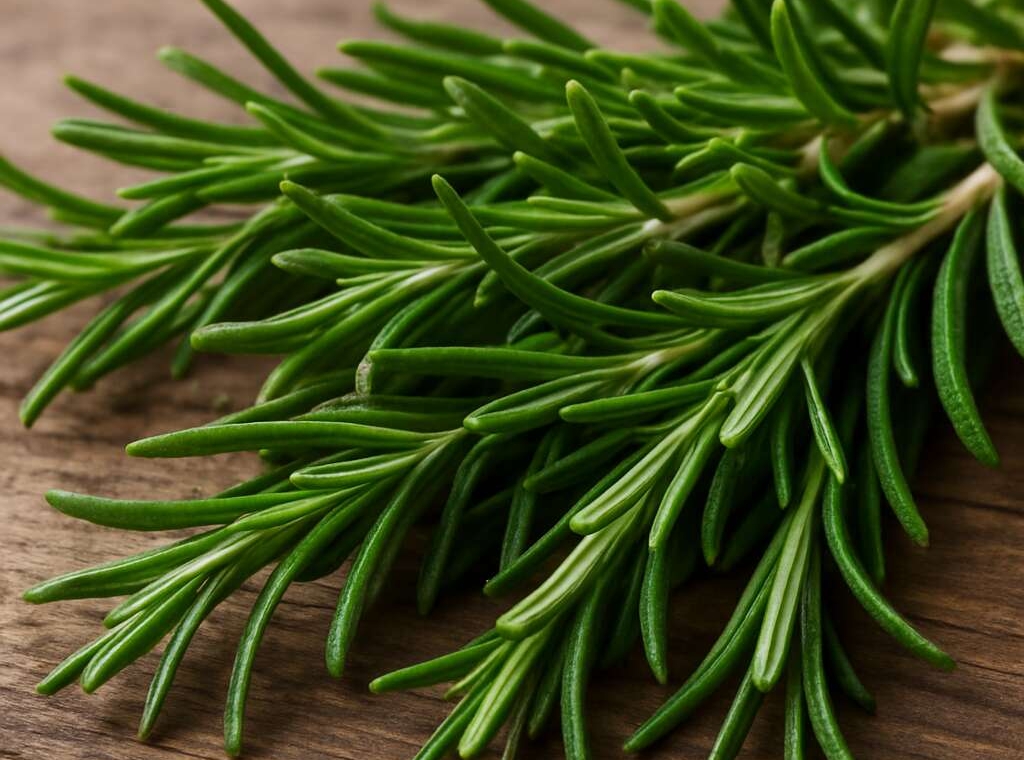







Latest Comments