
Tulipa cypria: A Unique and Delicate Bulb Flower Native to Cyprus
- May 21, 2026
- Liliaceae
Introduction to Tulipa cypria Overview of Tulipa cypria – Introduction to the species, its origins, and scientific classification In the realm of... Read More
 by Potamos Guest House
In the shadowed realm of botanical marvels, Tulipa akamasica emerges as an enigmatic jewel, cloaked in mystery and ancient allure. Its taxonomic classification places it firmly within the genus Tulipa, a lineage renowned for its striking elegance and historical significance. This particular species, Tulipa akamasica, belongs to the Liliaceae family, a lineage that whispers tales of primordial beauty and resilience.
Deeply rooted in the rugged terrains of the Akamas Peninsula, Tulipa akamasica’s classification reflects its unique evolutionary journey. Its genus, Tulipa, encompasses over 75 species, each bearing the mark of nature’s artistry. Among these, Tulipa akamasica stands out with its distinct morphological traits and adaptation to the Mediterranean’s harsh climatic tapestry.
Understanding its taxonomic details offers a glimpse into its botanical soul. The classification of Tulipa akamasica can be summarised as follows:
This precise taxonomy not only elevates its botanical significance but also deepens the allure for those who seek to explore the shadowy depths of floral diversity. Tulipa akamasica, shrouded in the mystique of its native habitat, beckons the curious to uncover its secrets and appreciate the dark poetry woven into its very existence.
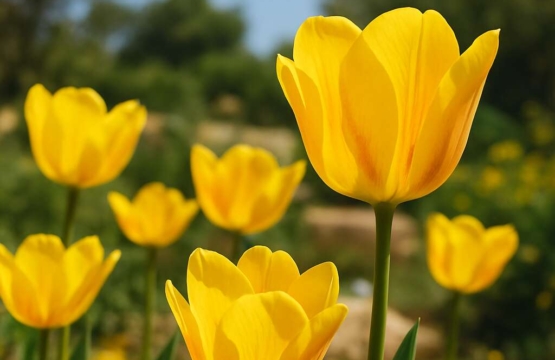
Emerging from the rugged landscapes of the Akamas Peninsula, Tulipa akamasica captivates with its enigmatic beauty and delicate charm. Unlike common tulips, this species boasts a refined elegance that seems almost otherworldly. Its petals are a symphony of colours, often displaying a subtle gradient from deep crimson to soft blush, giving it a truly enchanting appearance.
One of the most distinctive features of Tulipa akamasica is its unique floral structure. The petals are slightly elongated with a gentle curve, creating a cup-like form that invites admiration. The centre of the flower reveals striking stamens with golden anthers, contrasting vividly against the softer hues of the petals. Its overall stature is modest yet regal, making it a prized find among collectors and botanists alike.
Recognising the key characteristics of Tulipa akamasica can truly deepen your appreciation for this rare species. Its resilience in the Mediterranean climate is matched only by its captivating visual appeal. Whether in the wild or cultivated, Tulipa akamasica stands out as a botanical treasure, whispering stories of ancient resilience and floral elegance.
Emerging from the rugged, sun-drenched landscapes of the Akamas Peninsula, Tulipa akamasica is a botanical marvel that embodies resilience and delicate beauty. Its native habitat is a testament to nature’s artistry, thriving amidst rocky terrains and Mediterranean shrublands where few other plants dare to flourish. This tulip’s adaptability to such challenging environments highlights its remarkable resilience, making it a symbol of survival and elegance in the wild.
In its natural range, Tulipa akamasica is predominantly confined to the eastern Mediterranean region, particularly within the Cyprus island’s unique ecosystem. Its preferred environment includes well-drained, stony soils that provide excellent drainage and protection from excessive moisture. The Mediterranean climate, characterised by hot, dry summers and mild, wet winters, is perfectly suited to this species, allowing it to bloom with enchanting vibrancy during springtime. Its limited distribution, however, underscores its rarity and the importance of conserving its natural habitat.
Despite its striking beauty and unique adaptation to the rugged landscapes of the Akamas Peninsula, Tulipa akamasica remains a species under significant threat. Its conservation status is classified as critically endangered due to habitat loss, illegal collection, and environmental pressures. These factors have led to a sharp decline in its wild populations, raising alarms among botanists and conservationists alike.
Efforts are underway to monitor and protect the remaining natural populations of Tulipa akamasica. Conservation programmes focus on habitat preservation, controlling illegal harvesting, and raising awareness about its ecological importance. Because of its limited range and specialised habitat, the species is particularly vulnerable to climate change and human activity.
However, the future of Tulipa akamasica hinges on concerted efforts to ensure its survival in the wild. Its rarity underscores the importance of ongoing conservation initiatives that prioritise ecological integrity and species preservation.
Imagine a tulip that seems to have stepped right out of a painter’s dream—welcome to the botanical marvel that is Tulipa akamasica. This striking species boasts a bulb that’s modest in size but big on potential, typically measuring around 2-3 cm in diameter. Its stem, slender yet resilient, can reach heights of up to 30 cm, making it an eye-catching addition to any springtime display. The leaves are lance-shaped, with a glossy sheen that hints at the plant’s vibrant personality, arranged in a way that creates a natural elegance.
What truly sets Tulipa akamasica apart is its distinctive flower morphology. The blooms are usually cup-shaped, with colours ranging from fiery reds to soft pinks, often adorned with subtle streaks or spots. For avid botanists and casual gardeners alike, recognising the following features can be quite rewarding:
All these features combine to make Tulipa akamasica a true botanical gem, captivating not just for its visual appeal but also for its resilient, adaptable plant morphology. Whether nestled in a rocky garden bed or blooming in a wild Mediterranean landscape, this tulip’s plant morphology ensures it stands out with effortless charm.
The floral spectacle of Tulipa akamasica is nothing short of enchanting, captivating anyone fortunate enough to witness its bloom. Its flowers are a true testament to nature’s artistry, with shapes that evoke delicate cups, gently opening to reveal a colourful, intricate interior. The size of each bloom generally varies between 5 to 8 cm across, making them a modest yet striking feature in any garden setting. When in full bloom, Tulipa akamasica creates a vibrant tapestry of fiery reds, soft pinks, and occasionally hints of coral, each hue seemingly inspired by the Mediterranean sunset.
The flowers often display subtle streaks or spots that add depth and character, inviting admiration from both botanists and garden enthusiasts. Blooming period typically begins in early spring, around March to April, offering a fleeting but breathtaking display that marks the arrival of warmer days. Recognised for their resilience, these tulips thrive in well-drained soils and sunny environments, where their colourful blossoms can truly shine. For those seeking a resilient yet visually captivating addition to their collection, Tulipa akamasica’s flower characteristics never fail to leave a lasting impression.
The growth cycle of Tulipa akamasica is a testament to nature’s delicate orchestration, unfolding with a grace that captivates every observer. As winter’s chill recedes, the bulb awakens from its dormant slumber, sending forth slender, lance-shaped leaves that stretch eagerly towards the sun. This period of vegetative growth is vital, as it sets the stage for the forthcoming floral display. In early spring, typically between March and April, the magic truly begins.
During this fleeting yet spectacular phase, the flower buds swell and gradually unfurl, revealing the enchanting blossoms that define Tulipa akamasica. The blooming period is remarkably concentrated, often lasting just a few weeks, but in that time, it transforms the landscape into a fiery canvas of reds, pinks, and corals. The plant’s seasonal development reflects resilience and elegance, thriving in well-drained soils and sunlit environments that mirror its native Mediterranean habitat.
As summer approaches, the foliage gradually withers, and Tulipa akamasica enters a period of dormancy, patiently awaiting the cycle’s renewal next year. Observing this seasonal rhythm reveals not just the beauty of Tulipa akamasica but also the resilience inherent in its growth cycle—a fleeting, poetic reminder of life’s perpetual renewal and the timeless allure of the Mediterranean’s treasured tulip.
Within the intricate dance of its reproductive traits, Tulipa akamasica reveals a captivating strategy rooted in both beauty and resilience. Its pollination process hinges on the delicate interplay between insects and the plant’s vibrant blossoms, often attracting specialised pollinators that thrive in its native Mediterranean habitat. The flowers, with their alluring colour palette, serve as visual beacons, guiding pollinators towards their nectar rewards and ensuring successful fertilisation.
Once pollination occurs, seed formation begins—a process that demands both precise timing and favourable environmental conditions. The resulting seeds are encased within capsules that mature and eventually disperse, often aided by the wind or passing animals. Propagation of Tulipa akamasica can be achieved through several methods, including seed sowing and bulb division, each offering a window into the plant’s resilience and adaptability. Interestingly, seed propagation requires patience, as germination can be a slow process, but the reward lies in cultivating new generations of this enchanting tulip.
This reproductive cycle exemplifies the delicate balance Tulipa akamasica maintains with its environment—a true testament to the plant’s evolutionary ingenuity. Its ability to reproduce both sexually through seeds and asexually through bulb division underscores its resilience, making it a fascinating subject for botanical enthusiasts and conservationists alike.
Growing Tulipa akamasica is an enchanting journey into the heart of the Mediterranean’s floral splendour. This delicate species thrives best in well-drained, loamy soils that mimic its native habitat, allowing its vibrant blooms to flourish with grace. When cultivating Tulipa akamasica, it’s essential to select a location where the plant can bask in full sunlight, ideally receiving at least six hours of direct exposure daily. This ensures the tulip’s colour intensity and overall vitality are at their peak.
Watering should be measured and moderate; overly moist soil can lead to bulb rot, undermining the plant’s longevity. During the dormant summer months, reduce watering to prevent excess moisture from damaging the bulb. For optimal growth, gardeners often incorporate organic matter into the soil, enriching it to support the delicate root system of Tulipa akamasica. Remember, patience is key—this species blooms in early spring, rewarding every effort with an array of striking, cup-shaped flowers that showcase its unique charm and resilience.
Planting Tulipa akamasica is an act of poetic anticipation, where patience transforms into a breathtaking display. The best time to plant these exquisite bulbs is in late autumn, ideally between October and November, when the soil’s temperature begins to cool but remains workable. This allows the bulbs to settle into their new environment, drawing strength from the dormant period to prepare for spring’s grand unveiling.
Spacing is crucial for nurturing a flourishing Tulipa akamasica. For optimal growth, space each bulb approximately 10 to 15 centimetres apart, ensuring ample room for expansion and air circulation. This spacing not only minimises the risk of disease but also creates a vibrant tableau of colours when in full bloom.
Gentle watering after planting is vital, but avoid excess moisture which could lead to bulb rot. During the winter months, consistent but moderate watering helps establish healthy roots, while in summer, a period of dormancy calls for minimal watering. With proper care and strategic placement, Tulipa akamasica will reward its caretaker with an early spring spectacle of striking, cup-shaped flowers that epitomise resilience and beauty.
Gardening is an act of quiet rebellion against the relentless march of time, a testament to our desire to create moments of fleeting beauty amidst the chaos. Tulipa akamasica, with its striking cup-shaped flowers and resilient nature, exemplifies this poetic defiance. To ensure these exquisite blooms thrive year after year, attentive cultivation and care are paramount. Proper fertilization, for instance, acts as a nourishing elixir, encouraging robust growth and vibrant colour. A balanced, low-nitrogen bulb fertiliser in early spring can make all the difference in supporting healthy development.
When it comes to pruning, patience is the key. Once Tulipa akamasica has finished flowering, gently remove faded flowers to prevent seed formation, which diverts energy from bulb replenishment. This simple act prolongs the plant’s vitality and encourages vigorous reblooming. Pest management, however, requires vigilance; common culprits like aphids and slugs can threaten the plant’s delicate foliage. An integrated approach—combining organic repellents and natural predators—helps maintain a healthy, pest-free environment without disrupting the ecosystem.
For optimal growth, consider the following:
Ultimately, caring for Tulipa akamasica is a delicate dance between intervention and respect for natural rhythms. When nurtured with patience and insight, this species reveals its true character—an enduring symbol of resilience and ephemeral beauty that captivates all who witness its bloom.
For those who seek to cultivate Tulipa akamasica, understanding its hardiness zones is essential. This resilient species thrives best in temperate climates, typically flourishing within USDA zones 4 to 8. Its adaptability makes it an alluring choice for gardeners aiming to add a splash of vivid colour to both rural and urban landscapes. The key to successful cultivation lies in providing conditions that mirror its native habitat—well-drained soil, ample sunlight, and protection from harsh winter extremes.
While Tulipa akamasica is notably hardy, recognising its preferred climate zones ensures the plant’s longevity and vibrancy. It’s worth noting that extremes beyond its comfort zone can impair flowering and bulb health. For optimal results, plant bulbs in autumn, allowing them to establish roots before winter’s chill. Whether in a sheltered garden bed or a bulb container, this species responds beautifully to attentive care rooted in awareness of its climatic needs.
In the end, nurturing Tulipa akamasica becomes an act of understanding and respect for its elemental needs. When placed within the appropriate hardiness zones, it reveals its true character—an ephemeral yet enduring emblem of resilience, inviting us to ponder the delicate balance between human intervention and natural harmony.
Few flowers evoke the same sense of fleeting beauty as Tulipa akamasica, a bloom that captures the imagination with its delicate charm. Its vibrant petals and graceful form make it an ideal choice for enhancing the visual narrative of any garden. The strategic placement of Tulipa akamasica can transform a mundane space into a captivating tableau, evoking a sense of wonder and introspection that resonates deeply with those who observe it.
In garden design, Tulipa akamasica lends itself beautifully to borders, rock gardens, and containers. Its compact size and striking appearance allow it to become a focal point in a mixed planting scheme or a subtle accent that enriches the overall harmony. When positioned in borders, it complements other spring-flowering bulbs, creating a layered tapestry of colour and texture that invites viewers to pause and reflect. Rock gardens benefit from Tulipa akamasica’s resilience and adaptability, adding a touch of elegance amidst rugged terrain.
For container gardening, Tulipa akamasica offers a versatile option that can be enjoyed on patios, balconies, or as part of a curated floral display. Grouping these tulips in varied heights and colours can produce a dynamic visual effect, emphasising their ephemeral beauty.
Its decorative potential is not merely aesthetic but also philosophical—reminding us of the transient nature of beauty and the importance of appreciating the present moment. Incorporating Tulipa akamasica into garden design becomes an act of mindful observation, a celebration of life’s delicate and fleeting wonders.
The true allure of Tulipa akamasica lies not only in its fleeting beauty but in its ability to evoke a profound emotional response when paired thoughtfully with other plants. Its delicate yet resilient nature makes it a versatile choice for creating striking visual contrasts and harmonious compositions. When combined with plants such as Muscari or Scilla, Tulipa akamasica accentuates the vibrancy of spring, transforming a simple garden border into a tapestry of colour and texture. The understated elegance of its petals complements the rich foliage of companion species, fostering a sense of natural cohesion and poetic balance.
For those seeking to deepen their garden’s impact, consider pairing Tulipa akamasica with plants that share its ephemeral spirit and resilience. Hardy ground covers like Sedum or low-growing perennials can serve as a subtle backdrop, allowing Tulipa akamasica to shine as the centrepiece. Such combinations not only enhance aesthetic appeal but also serve as a reminder of life’s transient beauty—an enduring theme that echoes through the natural world. In the dance of colour and form, Tulipa akamasica remains a testament to the power of subtlety and the importance of mindful, intentional planting.
Few blooms encapsulate the fleeting yet profound beauty of spring quite like Tulipa akamasica, a jewel that captivates with its delicate grace and resilient spirit. When cut from the garden, its ephemeral petals transform into an exquisite floral arrangement that elevates any interior space, whispering stories of transient elegance. The vase life of Tulipa akamasica, while modest—typically lasting between five to seven days—remains a testament to its vibrant freshness when handled with care. This fleeting window offers a precious opportunity to craft striking bouquets that evoke both joy and reflection.
Its understated charm lends itself beautifully to floral design, where it can serve as a centrepiece or a subtle accent within a larger composition. For instance, pairing Tulipa akamasica with sprigs of Muscari or Scilla amplifies the colour palette, creating a tapestry of spring’s exuberance. Arranged in a simple glass vase, this tulip’s slender form and soft hues evoke poetic serenity, reminding us of life’s transient beauty. Incorporating Tulipa akamasica into arrangements with lush greenery or delicate filler flowers can heighten its visual impact, transforming a humble bouquet into a work of art.
For garden enthusiasts and florists alike, Tulipa akamasica’s decorative potential shines brightest in arrangements that celebrate natural elegance. Whether in a minimalist display or a lavish floral centrepiece, its exquisite petals and resilient nature make it a versatile choice. Its fleeting bloom captures the essence of a moment—an invitation to pause and appreciate the fragile splendour that accompanies each fleeting spring. The delicate allure of Tulipa akamasica continues to inspire those seeking to craft arrangements imbued with poetic grace and ephemeral beauty.
Few blooms possess the subtle allure and decorative potential of Tulipa akamasica, a true gem in the realm of ornamental horticulture. Its delicate, slender petals and soft pastel hues lend an air of poetic serenity to any floral composition, elevating both everyday arrangements and special displays. This tulip’s unique attributes—such as its graceful, elongated form and resilient nature—make it a favourite among florists seeking to craft arrangements imbued with fleeting elegance.
One of the most captivating features of Tulipa akamasica is its ability to seamlessly blend with a variety of plant companions, creating harmonious aesthetic tapestries. From pairing with sprigs of Muscari or Scilla to incorporating lush greenery, the adaptability of Tulipa akamasica shines brightly. Its understated charm allows it to serve as a centrepiece in minimalist designs or as a delicate accent within more elaborate bouquets, showcasing its versatility in garden design and floral artistry alike.
Moreover, Tulipa akamasica possesses a rare decorative quality—its soft, ethereal petals seem to whisper stories of transient beauty and spring’s fleeting moments. This tulip’s unique attributes—such as its slender silhouette and gentle colour palette—enhance its ornamental value, making it an ideal choice for those seeking to capture the ephemeral magic of springtime in their floral displays. Its capacity to transform simple arrangements into works of visual poetry solidifies Tulipa akamasica as a must-have for garden enthusiasts and florists aiming to evoke a sense of wonder and delicate grace.
Like a fragile jewel nestled within the rugged landscapes of the Akamas Peninsula, Tulipa akamasica faces a delicate battle for survival. Despite its stunning appearance and botanical rarity, wild populations are increasingly threatened by environmental and human-induced challenges. Habitat loss due to land development, illegal collection, and overgrazing significantly diminish its natural range, putting this enchanting species at risk. The encroachment of urbanisation and tourism activities in Cyprus further exacerbates these dangers, fragmenting the pristine habitats essential for Tulipa akamasica’s thriving growth.
Conservation efforts are vital to preserve this unique tulip. Research indicates that habitat protection and propagation programmes can bolster wild populations, but ongoing threats demand vigilant intervention. Human activities, especially unsustainable agriculture and habitat destruction, continue to pose formidable obstacles. In fact, many botanists advocate for stricter regulations and community awareness campaigns to safeguard the future of Tulipa akamasica. As stewards of such botanical treasures, it is crucial that we understand the complex threats facing this species and commit to safeguarding its natural beauty for generations to come.
Protecting Tulipa akamasica is more urgent than ever. This striking species, native to the rugged Akamas Peninsula, faces persistent threats that endanger its survival. Fortunately, dedicated conservation and research efforts are making a difference. Several programmes focus on habitat preservation, ensuring this delicate tulip continues to thrive in its natural environment.
Initiatives such as habitat protection zones and seed banking are vital components of conservation strategies. These programmes aim to safeguard the wild populations from further encroachment and illegal collection. Additionally, propagation projects help restore and expand existing populations, making the species more resilient against environmental challenges.
Community engagement also plays a crucial role. Awareness campaigns educate locals and visitors about Tulipa akamasica’s fragile status. By fostering a sense of stewardship, these programmes encourage responsible behaviour that supports long-term preservation. With combined efforts, the future of Tulipa akamasica remains hopeful, but vigilance and continued research are essential to secure its place in Cyprus’s botanical heritage.
Amidst the shadowed cliffs of the Akamas Peninsula, the enigmatic Tulipa akamasica whispers its fragile existence into the wind. Recent scientific studies have unveiled fascinating insights into this rare tulip, revealing its unique genetic makeup and adaptive traits that set it apart from other wild species. These groundbreaking botanical findings not only deepen our understanding but also fuel the urgency to shield this captivating species from the brink of extinction.
Advanced research efforts focus on understanding the reproductive traits of Tulipa akamasica, such as its pollination mechanisms and seed dispersal strategies. Such knowledge is vital for developing effective propagation techniques to bolster wild populations and ensure their resilience against environmental upheaval. Botanical research has also documented the species’ specific growth cycle, allowing conservationists to pinpoint optimal times for seed collection and habitat protection.
To support these scientific pursuits, conservation programmes often employ innovative methods like seed banking and ex-situ cultivation. These initiatives serve as insurance policies against habitat loss and illegal collection, safeguarding the genetic diversity of Tulipa akamasica for generations to come. As each discovery uncovers more about this mysterious species, the hope persists that the convergence of science and conservation will preserve the delicate beauty of Tulipa akamasica amid the rugged Cypriot landscape.
Amid the rugged beauty of the Cypriot landscape, the future of Tulipa akamasica hinges on innovative conservation strategies that blend scientific insight with passionate stewardship. With its delicate petals and elusive presence, this endangered tulip embodies both the resilience and fragility of nature’s most exquisite creations. Recent breakthroughs in botanical research have illuminated pathways for preserving this species, offering hope that its enchanting bloom will endure beyond fleeting moments in the wild.
Efforts to safeguard Tulipa akamasica focus on developing sustainable cultivation techniques that replicate its natural environment. By understanding its specific growth cycle and reproductive traits, conservationists are now better equipped to design targeted propagation programmes. These initiatives include seed banking and ex-situ cultivation, serving as vital insurance policies against habitat degradation and illegal harvesting.
Looking ahead, the prospects for the preservation of Tulipa akamasica are promising. Advances in habitat restoration and genetic preservation are opening doors for larger, resilient populations. In fact,
are central to ensuring its survival. As the convergence of scientific innovation and passionate conservation continues, the hope is that this rare tulip will flourish once more, gracing Cyprus’s rugged cliffs with its fleeting, fragile glory.



Latest Comments