Understanding Dianthus Cyprius
Overview of Dianthus Cyprius – A detailed description of the plant including its common names and botanical classification
Imagine a plant so charming that it could easily be mistaken for a secret agent in floral disguise—welcome to the world of Dianthus cyprius! This unassuming yet captivating species is native to the sun-drenched landscapes of Cyprus, earning it the affectionate nickname “Cyprus Pink.” Its botanical classification places it firmly within the Dianthus genus, a family renowned for their fragrant, jewel-toned blooms. But Dianthus cyprius isn’t just another pretty face; it’s a resilient perennial that thrives amidst rocky terrains and sandy soils, making it perfect for Mediterranean gardens eager for a splash of color and character.
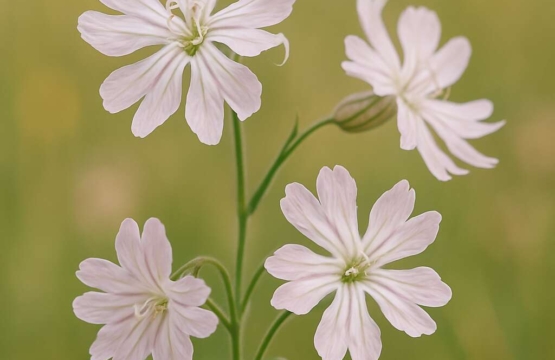
What truly sets Dianthus cyprius apart is its delicate, fringed petals and spicy aroma—think of it as nature’s own parfum, crafted for those with a refined sense of floral elegance. Its compact stature, coupled with an ability to flourish in less-than-ideal conditions, makes it a favored choice among Cyprus gardeners seeking low-maintenance beauty. For those looking to add a touch of wild Mediterranean charm, Dianthus cyprius is an essential star in any botanical lineup.
- Native to Cyprus, hence the name
- Belongs to the Dianthus genus, known for fragrant flowers
- Thrives in rocky, sandy soils typical of Mediterranean landscapes
Origin and Native Habitat – Information about where Dianthus cyprius originates and its natural environment preferences
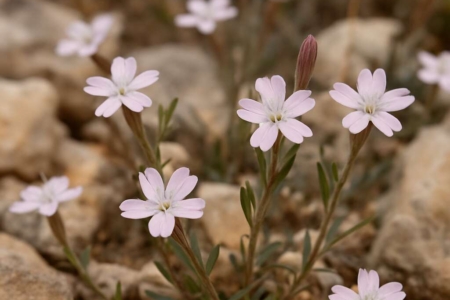
In the rugged, sun-baked landscapes of Cyprus, a botanical marvel quietly thrives—Dianthus cyprius. This species is a testament to nature’s resilience, perfectly adapted to the harsh Mediterranean climate. Native to Cyprus, it has evolved to flourish in environments that many plants shy away from, such as rocky slopes and sandy soils. Its native habitat is a mosaic of rugged terrain, where the intense sun and limited water sources create a challenging yet rewarding environment for this charming plant.
Dianthus cyprius’s natural habitat highlights its exceptional adaptability. It prefers well-drained, sandy soils that mimic the arid conditions of its homeland. The plant’s ability to endure drought and poor soil quality makes it a prized choice for Mediterranean gardeners seeking low-maintenance yet visually striking flora. Its survival in these extreme conditions speaks volumes about its hardy nature, making Dianthus cyprius not just a plant, but a symbol of resilience rooted in Cyprus’s unique landscape.
Physical Characteristics – Details about its size, leaf structure, flower color, and blooming season
Standing proudly in Mediterranean gardens, Dianthus cyprius showcases a compact yet striking profile. Typically reaching a height of around 15 to 30 centimeters, this resilient perennial is perfect for rocky slopes or low-maintenance borders. Its slender, linear leaves form dense clumps, blending seamlessly into rugged terrains and adding texture to any landscape. The plant’s foliage is often a muted green, providing a subtle backdrop that makes its flowers stand out even more.
The true star of Dianthus cyprius is its vibrant flowers, which bloom during late spring and early summer. These blossoms are characterized by their deep pink to reddish hues, often with fringed edges that add a delicate, almost lace-like appearance. The flowers are not only visually appealing but also fragrant, attracting pollinators and adding sensory delight to the environment.
For those seeking a low-maintenance yet visually captivating addition to a Mediterranean garden, understanding the physical characteristics of Dianthus cyprius is essential. Its size, leaf structure, and seasonal bloom pattern make it an ideal choice for creating naturalistic landscapes that mirror Cyprus’s rugged beauty.
Cultivation and Care Tips
Growing Conditions for Dianthus Cyprius – Optimal soil, sunlight, and watering requirements
Growing Dianthus cyprius in Cyprus is like hosting a tiny floral fireworks show—if you get the conditions just right. These charming plants thrive in well-drained, slightly alkaline soil that mimics their native Mediterranean habitat. Think of it as giving them a cozy, sun-drenched Mediterranean retreat right in your garden. They love basking in full sunlight, so plant your Dianthus cyprius where it can soak up at least six hours of direct rays daily. Too much shade, and you might end up with a leggier, less vibrant specimen—hardly the showstopper you’re aiming for.
Watering should be moderate; overwatering is the quickest way to turn your Dianthus cyprius into a soggy mess. Allow the topsoil to dry out between watering sessions, mimicking sporadic summer rains that keep their roots happy without drowning them. For optimal growth, consider adding a touch of organic compost during planting, which will encourage lush foliage and prolific blooms. Remember, these plants are quite resilient but prefer conditions that resemble their native environment—hot, dry summers and mild winters—so don’t forget to give them the sunlight and well-drained soil they adore.
Planting Guidelines – Best practices for planting and spacing for healthy growth
Planting Dianthus cyprius is akin to orchestrating a delicate ballet in your garden—each step must be executed with care to ensure its vibrant performance. To foster healthy growth, select a location that offers ample space, allowing the plant’s charming foliage and blooms to flourish without crowding. A spacing of about 20 to 30 centimeters between plants is ideal, providing enough airflow to prevent diseases while giving each Dianthus cyprius the room to stretch and thrive. Think of this as giving each performer their own spotlight on the garden stage.
When establishing your Dianthus cyprius, dig a planting hole twice as wide as the root ball, filling it with a well-draining, slightly alkaline soil that mimics its native Mediterranean environment. Enrich the soil with organic compost to encourage lush foliage and abundant flowers—this plant loves a nourishing start! After planting, gently pat the soil around the roots and water thoroughly, but do not drown. Remember, these resilient beauties prefer moderate watering, allowing the topsoil to dry out between sessions. Proper spacing and thoughtful planting are the secrets to cultivating a resilient, enchanting display of Dianthus cyprius that will captivate for seasons to come.
Maintenance and Pruning – Tips on trimming, deadheading, and general upkeep
The true artistry of cultivating Dianthus cyprius lies in the meticulous attention to its ongoing care and maintenance, transforming a simple garden into a living masterpiece. These resilient plants, with their delicate yet hardy nature, demand a balance of gentle pruning and strategic deadheading to sustain their vibrant display. Regularly removing spent flowers not only prolongs the blooming season but also invigorates the plant’s overall vitality, encouraging lush foliage and abundant blooms. It’s as if each act of pruning breathes new life into this Mediterranean native, allowing its charm to flourish throughout the seasons.
When it comes to trimming, patience is paramount. Use clean, sharp scissors or shears to snip back faded flower stems, ideally just above the new growth point. This careful approach prevents damage while maintaining the plant’s natural elegance. For optimal health, light trimming of the foliage can also help improve airflow around the plant, reducing the risk of fungal diseases—an essential consideration given Cyprus’s warm, dry climate. Proper upkeep involves a balance of moderation and attentiveness, ensuring Dianthus cyprius remains a resilient and enchanting feature in your garden.
- Remove spent blooms regularly to encourage continuous flowering.
- Trim back leggy stems to promote bushier growth and prevent legginess.
- Inspect for signs of pests or disease, and treat promptly to maintain healthy foliage.
Understanding the nuanced needs of Dianthus cyprius transforms routine maintenance into a ritual of care, one that nurtures its innate beauty and resilience. Whether you’re trimming after the peak of blooming or tidying up in preparation for the next season, each act of care deepens your connection with this charming Mediterranean perennial, ensuring it remains a captivating centerpiece for years to come.
Design and Landscaping Uses
Garden Design Ideas with Dianthus Cyprius – Suggestions for incorporating the plant into various garden styles
Incorporating Dianthus cyprius into garden design offers a vibrant way to bring color and texture to outdoor spaces, especially in the Mediterranean climate of Cyprus. Its delicate pink flowers and fragrant foliage can serve as a focal point or a subtle background highlighting other plantings. When planning a garden, consider how Dianthus cyprius can complement stone pathways or terraced beds, where its resilient nature thrives in well-drained soil and full sun.
For a Mediterranean-inspired garden, plant Dianthus cyprius along borders to create a natural, unstructured look that encourages pollinator visits. Its low-growing habit makes it perfect for ground cover or cascading over rocks, adding layers of visual interest. To maximize impact, group several plants together, allowing their blooms to create a soft, fragrant carpet. Whether used in formal or informal settings, Dianthus cyprius lends a touch of understated elegance that’s both easy to maintain and visually rewarding.
- Use Dianthus cyprius in rock gardens to enhance naturalistic aesthetics.
- Combine with succulents or drought-tolerant plants to emphasize its resilience in dry conditions.
- Plant near seating areas to enjoy its fragrant blooms during warm Cyprus evenings.
Companion Plants – Ideal plant pairings to enhance visual appeal and growth compatibility
Pairing Dianthus cyprius with the right companion plants can elevate any garden design, especially in the Mediterranean climate of Cyprus. Its delicate pink blooms and fragrant foliage create a vibrant contrast when combined with drought-tolerant plants that thrive in well-drained soil. For a cohesive look, consider planting it alongside succulents or low-growing herbs, which not only complement its resilience but also add texture and color variation.
When planning your garden layout, grouping several Dianthus cyprius plants enhances visual impact, creating a soft, fragrant carpet that attracts pollinators. Its low-growing nature makes it an excellent ground cover or a cascading element over rocks and terraced beds. For a balanced aesthetic, try pairing it with plants like lavender, thyme, or rosemary — all of which appreciate similar growing conditions and can handle Cyprus’s warm, sunny climate.
- Lavender: complements the pink hues with its purple flowers and fragrant aroma.
- Thyme: offers ground cover and pairs well with Dianthus cyprius in herb gardens.
- Rosemary: adds structural contrast and attracts beneficial insects.
Incorporating Dianthus cyprius into your garden with these companion plants not only enhances its visual appeal but also ensures compatibility in growth habits. Whether placed near seating areas or along stone pathways, these pairings foster a resilient, low-maintenance landscape that’s perfectly suited for Cyprus’s outdoor environment.
Container Gardening – How to grow and maintain Dianthus cyprius in pots and containers
Container gardening transforms the rigid into the intimate, offering a sanctuary for plants like Dianthus cyprius to flourish amidst Cyprus’s sun-drenched landscape. Growing Dianthus cyprius in pots allows for a flexible approach to design—its delicate pink blooms and fragrant foliage can be positioned to catch the eye or to mask less attractive views. The key lies in selecting containers with excellent drainage and a soil mix that mimics its natural well-drained habitat.
To nurture Dianthus cyprius in containers, keep in mind that it prefers full sun and moderate watering—never let the roots sit in water. Regular deadheading encourages continuous flowering, and pruning keeps the plant looking tidy and healthy. Because its low-growing form lends itself well to cascading over the edges of pots, consider placing it on elevated surfaces or terraced garden beds for added visual impact.
- Choose containers made of terracotta or porous ceramic to prevent excess moisture retention.
- Use a sandy or gravelly soil mix that ensures proper drainage and mimics the plant’s native Mediterranean conditions.
- Position the pots in a sunny spot, where Dianthus cyprius can bask in Cyprus’s warm climate.
Incorporating Dianthus cyprius into container arrangements invites a harmonious blend of resilience and elegance. Its compact stature makes it perfect for lining patios, accentuating pathways, or adding a splash of color to balcony gardens. With thoughtful placement and care, this charming plant becomes a living testament to the beauty that thrives in Cyprus’s enduring landscape.
Propagation Methods
Seed Propagation – Steps for growing Dianthus cyprius from seeds
Propagating Dianthus cyprius from seeds is a delightful journey into the world of botanical mystique. To begin, select high-quality seeds of Dianthus cyprius, ensuring they are fresh to maximize germination potential. Sow the seeds in a well-draining soil mix, lightly covering them to protect from direct sunlight while allowing for necessary moisture contact. A gentle water spray keeps the soil consistently moist but never waterlogged, creating an ideal environment for sprouting.
Within two to three weeks, tiny seedlings will emerge, showcasing the promise of lush, fragrant blooms ahead. For best results, maintain a temperature around 18-21°C and provide ample sunlight, mimicking the plant’s native habitat. As the seedlings grow, thin them out to prevent overcrowding, giving each young Dianthus cyprius enough space to develop robust roots and vibrant foliage. This method of seed propagation offers a rewarding way to cultivate the enchanting beauty of Dianthus cyprius in your garden or container.
Cuttings and Division – Techniques for cloning and dividing mature plants for propagation
Cloning and dividing mature Dianthus cyprius plants is a profound act of botanical reverence—an intimate dialogue between gardener and nature. Propagation through cuttings and division offers a way to preserve the plant’s unique charm while fostering new life in your garden. When taking cuttings, focus on healthy, non-flowering stems, ideally in early spring or late summer, when the plant’s energy is most receptive. Dip the cuttings in rooting hormone and plant them in a well-draining, sandy soil mix that mimics its native habitat. Cover lightly with plastic to maintain humidity, and patience will reward you with roots forming in a few weeks.
For division, carefully excavate mature Dianthus cyprius during the cooler months, when the plant is less stressed. Gently separate the clump into smaller sections, each with roots and foliage intact. This method not only propagates new plants but also invigorates the parent, encouraging healthier growth. To streamline the process, consider these steps:
- Loosen the soil around the mature plant.
- Divide the root ball into sections with a sharp, sterilized tool.
- Plant each division at the same depth as the original, spacing them adequately to prevent overcrowding.
Both techniques serve as a testament to the resilience and adaptability of Dianthus cyprius, allowing its enchanting, fragrant blooms to flourish anew—whether in a garden bed or a container. Embracing these methods is an homage to the plant’s enduring beauty and the gardener’s commitment to nurturing life’s delicate intricacies.
Pest and Disease Management
Common Pests – Identification and control of pests affecting Dianthus cyprius
Even the most resilient plants face challenges from pests and diseases, and Dianthus cyprius is no exception. Recognizing common pests early can save your prized plant from irreversible damage. Aphids, tiny sap-sucking insects, often congregate on the new growth of Dianthus cyprius, causing distorted leaves and sticky residue. Mealybugs, with their cottony appearance, can also infest the foliage, weakening the plant over time.
Control measures include natural predators like ladybugs, or organic solutions such as neem oil, which effectively deter these pests without harming the environment. Fungal issues, including powdery mildew, may appear during humid Cyprus summers, manifesting as a white, powdery coating on leaves and stems. Good air circulation and avoiding overhead watering can prevent such maladies. Regular inspection is crucial, as early detection allows for targeted treatment, ensuring the health and vibrancy of Dianthus cyprius.
Disease Prevention and Treatment – Strategies to prevent and manage fungal and bacterial diseases
Preventing and managing fungal and bacterial diseases in Dianthus cyprius is essential to maintaining its vibrant charm in Cyprus’s warm, humid summers. Disease prevention begins with establishing good cultural practices that create an inhospitable environment for pathogens. Ensuring proper air circulation around the plant reduces excess moisture, which fungi like powdery mildew thrive on. Additionally, avoiding overhead watering helps keep leaves dry, further discouraging fungal growth.
For effective control, organic treatments such as neem oil can serve as a natural barrier against fungal invasions. Regularly inspecting Dianthus cyprius for early signs of disease allows for swift intervention, minimizing damage. When infections are detected, removing infected foliage and applying a suitable fungicide can halt the spread. Incorporating these disease prevention and treatment strategies ensures that your Dianthus cyprius remains healthy, resilient, and bursting with color all season long.
Benefits and Uses
Decorative Uses – How Dianthus cyprius enhances garden aesthetics and floral arrangements
In the shadowed corners of every garden where beauty seeks to whisper its secrets, Dianthus cyprius stands as a testament to nature’s dark elegance. Its presence transforms mundane spaces into mysterious sanctuaries, casting an enchanting spell over all who behold it. This resilient perennial, native to the rugged terrains of Cyprus, is not merely a plant but a symbol of enduring charm and intricate allure.
Decorative uses of Dianthus cyprius are unparalleled in their ability to elevate garden aesthetics. Its delicate, fringed petals and striking hues evoke a sense of timeless gothic romance, making it an ideal choice for creating dramatic borders or filling ornamental beds. For floral arrangements, the plant’s blooms add a touch of dark sophistication—perfect for bouquets that aim to captivate and intrigue. Whether in a sprawling garden or a confined balcony, Dianthus cyprius lends a haunting beauty that resonates through every petal and leaf.
Incorporating Dianthus cyprius into your garden design introduces a spectral elegance that complements both traditional and contemporary landscapes. Its versatile nature allows it to be woven into various themes—be it a secret garden, a moonlit retreat, or a Victorian-inspired sanctuary. The plant’s visual impact is heightened when paired with silvery foliage or deep, velvety textures, creating a layered, atmospheric tableau that beckons the curious and the contemplative alike.
Medicinal and Aromatic Properties – Overview of traditional or potential uses (if applicable)
Throughout history, plants like Dianthus cyprius have been valued not only for their visual appeal but also for their subtle medicinal and aromatic properties. Though traditionally celebrated in Cypriot herbal remedies, modern interest is increasingly turning toward the plant’s potential health benefits. Its delicate scent, often described as sweet with hints of clove, hints at a complex aromatic profile that can elevate homemade potpourris or herbal infusions.
Some cultures have used Dianthus cyprius in traditional medicine to soothe minor ailments. The petals, when dried and brewed, are thought to possess mild anti-inflammatory qualities, making them a gentle addition to herbal teas. Additionally, the aromatic oils extracted from the flowers may carry calming effects, providing a natural way to ease stress and promote relaxation. While scientific validation is still emerging, the plant’s aromatic allure and traditional uses underscore its potential as a natural remedy.
In some herbal practices, Dianthus cyprius is also appreciated for its potential cosmetic applications. Its essential oils, infused into skincare products, are believed to offer antioxidant properties that help protect the skin from environmental stressors. The plant’s fragrant flowers lend themselves well to creating aromatic sachets or scented bath salts, enhancing both wellness and ambiance. Overall, Dianthus cyprius continues to intrigue those seeking natural solutions rooted in the rich traditions of Cyprus, blending beauty with potential medicinal and aromatic benefits.
Special Features – Unique qualities such as fragrance or flowering habit
Few plants possess the enchanting allure and subtle complexity of Dianthus cyprius. Its captivating fragrance, often described as a delicate blend of sweet notes with a hint of clove, makes it a prized feature in both traditional and modern herbal practices. This aromatic quality is not just for show; it offers a unique sensory experience that elevates any garden or herbal infusion. The fragrant flowers bloom abundantly, creating a symphony of color and scent that draws admirers and pollinators alike.
One of the most distinctive features of Dianthus cyprius is its flowering habit. Unlike many garden carnations, this species tends to produce dense clusters of small, star-shaped blossoms that flourish in the Cypriot climate. Its resilience and long-lasting blooms make it a favorite for adding visual interest and fragrant charm to borders, containers, or even herbal sachets. The plant’s aromatic oils, harvested from its petals, carry potential cosmetic properties, making it a versatile addition to natural skincare routines.
Gardening Tips and Recommendations
Seasonal Care – Best practices throughout the year
Gardening with Dianthus cyprius offers a rewarding experience, especially when seasonal care is tailored to its natural rhythm. In Cyprus, where the climate shifts from warm summers to mild winters, understanding the seasonal needs of Dianthus cyprius can help your garden flourish. During spring, this resilient plant bursts into vibrant blooms, making it an ideal choice for adding color to sunny borders. To ensure healthy growth, it’s best to avoid overwatering and provide well-draining soil, mimicking its native habitat.
Throughout summer, a light mulch can help conserve moisture and keep roots cool, especially during peak heat. As autumn approaches, deadheading spent flowers encourages a prolonged flowering season, keeping your Dianthus cyprius looking its best. In winter, minimal care is needed, but protecting young plants from frost can prevent damage. Incorporating these seasonal practices ensures your Dianthus cyprius remains a steadfast beauty, thriving year-round in Cyprus’s diverse garden landscapes.
Troubleshooting Common Issues – Solutions to typical problems faced by gardeners
In the pursuit of cultivating a resilient and captivating garden in Cyprus, understanding how to troubleshoot common issues with Dianthus cyprius is essential. This charming perennial, renowned for its vibrant blooms and fragrant foliage, can sometimes face challenges that threaten its beauty. Addressing these problems promptly not only ensures a lush display but also preserves the plant’s innate charm.
One of the most frequent dilemmas is root rot, often caused by overwatering or poorly draining soil. To combat this, it’s advisable to implement well-draining soil amendments and avoid excessive watering, especially during the humid winter months. If you notice yellowing leaves or stunted growth, inspect the roots for signs of rot and remove affected areas gently. Improving soil drainage and reducing watering frequency can be transformative.
Another common issue involves pests such as aphids or spider mites, which can sap the vitality of Dianthus cyprius. Regular inspection and natural remedies like neem oil or insecticidal soap are effective, preserving the plant’s delicate balance. Additionally, maintaining good airflow around the plant minimizes fungal diseases, which can be another hurdle in Cyprus’s warm climate.
- Ensure proper sunlight—Dianthus cyprius thrives best in full sun but benefits from some afternoon shade in the hottest months.
- Maintain a balanced watering schedule—let the soil dry slightly between watering sessions to prevent moisture-related issues.
- Prune regularly—deadheading and trimming encourages vigorous flowering and helps keep pests at bay.
By observing these tailored solutions, gardeners in Cyprus can nurture Dianthus cyprius into a steadfast display of color and fragrance, resilient against the trials of nature’s whims. With patience and attentive care, this plant’s natural elegance will continue to enchant, season after season.

 by
by 






Latest Comments