Overview of Silene galataea
Taxonomy and Classification
Deep within the rugged terrains of Cyprus, Silene galataea emerges as a botanical enigma, captivating those who stumble upon its delicate form. This plant belongs to the Caryophyllaceae family, a diverse group renowned for their resilient nature and intricate floral structures. Its taxonomic classification reveals a fascinating lineage that traces back to ancient botanical ancestors, making it a subject of intrigue for botanists and enthusiasts alike.
Silene galataea’s classification can be summarized as follows:
- Kingdom: Plantae
- Phylum: Angiosperms
- Class: Eudicots
- Order: Caryophyllales
- Family: Caryophyllaceae
- Genus: Silene
- Species: Silene galataea
Its precise placement within the Silene genus underscores its unique adaptations to the Cypriot environment. The taxonomy of Silene galataea isn’t just a classification—it’s a narrative of resilience and evolutionary artistry, echoing the mysterious beauty of the Mediterranean landscape itself. Understanding this classification helps illuminate its ecological role and underscores why it remains a vital part of Cyprus’s natural heritage.
Distribution and Habitat
Perched amidst the rugged beauty of Cyprus, Silene galataea whispers tales of resilience and delicate elegance. This rare botanical gem thrives in the island’s sun-drenched limestone slopes and rocky outcrops, where few others dare to flourish. Its natural habitat reveals a symphony of arid and semi-arid environments, perfectly tailored to its hardy nature and intricate floral design.
In Cyprus, Silene galataea is predominantly found in secluded, mountainous regions, often clinging to the margins of rugged terrain. Its distribution is notably limited, making every sighting a treasured encounter with nature’s artistry. The plant’s preference for well-drained, rocky soils underscores its adaptation to survive in challenging conditions, where it transforms barren landscapes into vibrant tapestries of life.
- Steep limestone cliffs
- Dry, rocky slopes
- Edges of Mediterranean scrublands
The unique habitat of Silene galataea highlights its role as a vital indicator of Cyprus’s ecological health. Its presence enriches the local biodiversity and underscores the importance of conserving the island’s fragile ecosystems. Truly, this plant embodies the resilient spirit of Cyprus itself—a testament to nature’s enduring beauty amidst adversity.
Physical Characteristics
Among the captivating flora of Cyprus, Silene galataea stands out as a marvel of botanical artistry. Its physical characteristics reveal a delicate yet resilient structure, perfectly adapted to its rugged environment. This endemic plant boasts slender, branching stems that rise modestly from rocky outcrops, often cloaked in a whisper of fine, silvery hairs that shimmer under the Mediterranean sun.
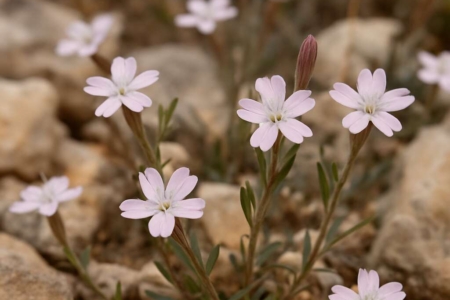
The flowers of Silene galataea are true jewels—small, bell-shaped blooms that burst into a spectrum of soft pinks and whites. Their intricate petals curl gently outward, revealing delicate stamens that seem to dance in the breeze. The plant’s leaves are narrow and lance-shaped, seamlessly blending into its rocky surroundings, making it a true master of camouflage.
To appreciate its unique beauty, one can observe that Silene galataea typically features:
- Petals with a slightly fringed or fringed appearance
- Stems that are often hairy, adding to its textured charm
- Clusters of tiny flowers that bloom sporadically across its rocky habitat
Each aspect of Silene galataea’s physical makeup underscores its role as a resilient survivor amid Cyprus’s arid landscapes. Its intricate floral design and hardy stature make it not only a symbol of the island’s ecological richness but also a beacon of natural elegance thriving against all odds.
Botanical Description
Flower Structure and Color
Among Cyprus’s hidden botanical gems, Silene galataea stands out with its striking floral display and delicate charm. Its flower structure is a marvel of nature—petals that seem almost translucent, gently cupping the stamens in a captivating embrace. The flower’s symmetry invites admiration, revealing a complex yet elegant architecture that hints at its resilience in the rugged Mediterranean terrain.
The color palette of Silene galataea is equally enchanting. Bright pinks and soft magentas dominate its blossoms, contrasting vividly against the often arid, rocky soils where it thrives. This vibrant coloration is not only visually stunning but also an essential part of its survival strategy, attracting pollinators from afar. The blooms typically appear in clusters, creating a tapestry of color that transforms the landscape with bursts of life and vitality.
- Petals are typically five in number, with a slightly fringed margin that adds to its delicate appearance.
- The flowers are funnel-shaped, allowing for efficient pollination by local insects.
- Silene galataea’s floral display peaks during the warmer months, illuminating the rocky hillsides of Cyprus with its radiant hues.
Foliage and Growth Habit
In the rugged landscapes of Cyprus, Silene galataea manifests as a testament to botanical resilience and delicate elegance. Its foliage is a subtle yet intricate tapestry—linear, slender leaves that cling tightly to the rocky substrate, often tinged with a silvery hue that hints at its adaptation to arid environments. The plant’s growth habit is low and sprawling, hugging the ground with a quiet tenacity that allows it to endure the fierce Mediterranean sun and sparse soils.
The stems of Silene galataea are slender and branching, giving rise to a dense cluster of blossoms that shimmer with life. Its growth pattern is not merely a survival mechanism but a visual narrative—an organic tapestry woven into the rocky terrain. The plant’s foliage and growth habit create a natural harmony with its environment, offering a captivating glimpse into nature’s ability to thrive amid adversity.
- Low, sprawling growth habit that hugs rocky surfaces
- Linear, slender leaves with silvery or grayish tints
- Dense clusters of flowering stems emerging from the ground
Such characteristics make Silene galataea an essential component of Cyprus’s unique flora, embodying resilience and delicate beauty in equal measure. Its foliage and growth habit are more than mere survival adaptations—they are a silent ode to the enduring spirit of Mediterranean flora.
Blooming Season
In the sun-drenched landscapes of Cyprus, Silene galataea puts on a subtle yet captivating display that marks its seasonal calendar with grace. Its blooming season is a fleeting spectacle, typically occurring in the warm months of late spring through early summer—precisely when the Mediterranean sun is at its most fervent. During this period, the plant transforms from a resilient groundcover into a delicate tapestry of blossoms that seem almost ephemeral against the rugged terrain.
What makes Silene galataea particularly intriguing is its synchronized bloom cycle, often aligned with the arid summer climate that it calls home. As the days grow longer and the temperatures rise, the dense clusters of flowers emerge, shimmering with a silvery sheen that reflects the intense sunlight. This seasonal burst not only signals the plant’s reproductive phase but also highlights its resilience amid the challenging environment of Cyprus.
Interestingly, the blooming period of Silene galataea is remarkably brief—sometimes just a few weeks—yet it leaves a lasting impression on those fortunate enough to witness it. The plant’s ability to produce such a captivating display in harmony with the Mediterranean’s unpredictable climate cements its status as a botanical marvel. Whether viewed in the early morning dew or under the golden twilight, the flowering of Silene galataea is a testament to nature’s fleeting, delicate beauty.
Habitat and Ecology
Preferred Soil Types
In the sun-drenched landscapes of Cyprus, Silene galataea finds its sanctuary amidst the rugged terrain. This resilient species thrives in unique ecological niches, where its delicate yet hardy nature allows it to flourish despite the often challenging conditions. The habitat of Silene galataea is characterized by rocky slopes and limestone outcrops, where the interplay of light and shadow creates an ideal environment for its growth.
Preferred soil types for Silene galataea are predominantly calcareous, with a high mineral content that offers both drainage and nourishment. These soils are typically well-drained and slightly alkaline, providing the perfect foundation for the plant’s delicate root system to establish itself securely. The plant’s ability to adapt to such specific soil conditions underscores its role as a symbol of resilience in the Cypriot landscape.
In fact, the survival of Silene galataea is closely linked to these soil characteristics, and understanding this relationship reveals much about its ecological preferences. It is often found in areas with sparse vegetation, where competition is minimal, allowing it to carve out a niche that is both challenging and rewarding for those who seek it. The subtle beauty of Silene galataea, set against the stark limestone, embodies the silent poetry of Cyprus’s natural history.
Climate Conditions
Silene galataea thrives within the rugged landscapes of Cyprus, where climate conditions are as resilient as the plant itself. This species is well-adapted to the hot, dry summers and mild, wet winters characteristic of the Mediterranean climate. Its ability to withstand drought and intense sunlight makes it a resilient symbol of Cypriot flora.
In its natural habitat, Silene galataea is often found on rocky slopes and limestone outcrops, where conditions are challenging yet rewarding for those that survive. The plant’s ecological niche is typically marked by sparse vegetation and minimal competition, allowing it to flourish in areas where other species might struggle to establish roots.
Climate plays a pivotal role in the growth of Silene galataea. The plant prefers exposure to full sun, which accelerates flowering and seed production. Its adaptation to the local climate underscores its role in maintaining biodiversity in Cypriot ecosystems. Understanding these habitat and climate preferences is essential for conservation efforts and appreciating the resilience of Silene galataea amidst Cyprus’s diverse natural landscapes.
Associated Flora and Fauna
Silene galataea finds its niche amidst the rugged, sun-drenched landscapes of Cyprus, where survival hinges on resilience and adaptability. Its habitat spans rocky slopes and limestone outcrops, regions where scant soil and minimal moisture challenge even the hardiest of plants. Yet, Silene galataea thrives here, a testament to nature’s ingenuity in shaping species that flourish under extreme conditions.
This species is often accompanied by an array of associated flora that share its austere environment. These include hardy succulents, xerophytes, and low-lying shrubs that have evolved to conserve water and withstand intense sunlight. The ecological balance is delicate but vital; Silene galataea plays a role in supporting local fauna, such as pollinators like bees and butterflies, which are crucial for maintaining biodiversity in Cypriot ecosystems.
- Rock-dwelling insects that find shelter among the plant’s foliage.
- Ground-nesting birds that utilize the rocky terrain for nesting sites.
- Herbivorous insects that feed on the plant, contributing to its natural cycle of growth and renewal.
In this symbiotic environment, Silene galataea embodies resilience, standing as a symbol of Cyprus’s hardy flora. Its ecological interactions highlight the interconnectedness of the Mediterranean’s natural world, where each species, no matter how small, plays an integral role in maintaining ecological harmony.
Cultivation and Care
Growing Conditions
In the sun-drenched landscapes of Cyprus, cultivating a resilient yet charming specimen like Silene galataea is truly a rewarding endeavor. This delicate yet hardy perennial thrives in well-drained, rocky soils that mimic its natural habitat, where it can bask in ample sunlight without the threat of waterlogging. Ensuring the right growing conditions is paramount; a touch of limestone or calcareous substrate often brings out the best in Silene galataea, highlighting its silvery foliage and vibrant blooms.
When caring for Silene galataea, it’s essential to strike a balance between moisture and drought tolerance. Overwatering is the swiftest route to root rot, so allowing the soil to dry out between waterings is a prudent practice. Additionally, this plant responds beautifully to minimal fertilization—think of it as a touch of organic compost in early spring to encourage vigorous flowering.
For those who revel in a bit of horticultural finesse, consider the following tips:
- Plant Silene galataea in a location with full sun exposure to maximize flowering potential.
- Ensure excellent drainage; add gravel or coarse sand if necessary to prevent water retention.
- Prune back after flowering to promote bushier growth and a longer blooming period.
In Cyprus’s Mediterranean climate, Silene galataea is practically a native, yet it demands the same respectful attention as any prized exotic. With the right conditions—bright sunlight, well-drained soil, and a dash of patience—this captivating plant will reward gardeners with a spectacle of silvery foliage and starry blooms that seem to whisper tales of the ancient landscape.
Propagation Methods
Once established, Silene galataea proves to be quite the resilient performer—think of it as the botanical equivalent of that one friend who always shows up, unfazed by the chaos. Propagation is straightforward, making it an attractive choice for both seasoned gardeners and enthusiastic newcomers alike. The most common method is seed sowing, especially since Silene galataea produces a generous splash of tiny, starry seeds that seem eager to escape and colonize new territory.
For those who prefer a quicker route, consider dividing mature clumps in early spring or late autumn. This method ensures you get a jumpstart on a new generation without waiting for seed germination. To maximize success, lightly scarify the seeds—think of it as giving them a gentle wake-up call—and sow them in well-drained, rocky soil, mimicking the plant’s natural Mediterranean habitat.
- Seed sowing in spring, after the last frost, is the most popular method to propagate Silene galataea.
- Division of mature plants can produce instant gratification, especially when done carefully to avoid damaging the delicate roots.
- Cuttings are less commonly used but can be taken from soft, non-flowering stems in early summer for a more controlled propagation process.
With patience and a dash of horticultural finesse, cultivating new Silene galataea plants is as rewarding as admiring their silvery foliage and starry blooms—perhaps even more so, knowing you’ve played a part in spreading this charming Mediterranean native.
Maintenance Tips
When it comes to cultivating Silene galataea, a touch of finesse and a dash of patience are your best allies. This resilient Mediterranean native thrives with minimal fuss, yet it rewards diligent caretakers with silvery foliage and starry blooms that seem to dance in the breeze. To keep your Silene galataea looking its best, ensure it’s planted in well-drained, rocky soil that mimics its natural habitat—no soggy roots here! Its preference for full sun means you can forget about constant fussing; just give it ample light and a touch of dry warmth.
Regular maintenance involves light watering—think of it as a gentle sip rather than a drowning—especially during dry summer spells. Pruning spent flowers encourages a robust blooming cycle and keeps the plant looking tidy. For an extra flourish, consider supplementing with a modest application of organic fertilizer in early spring. This Mediterranean marvel also appreciates a protective layer of gravel or small stones around its base, which helps prevent soil erosion and retains precious moisture.
In terms of care, Silene galataea is surprisingly undemanding, making it an excellent choice for gardens seeking a touch of natural elegance. Its ability to adapt to poorer soils and withstand drought conditions means it’s a true champion of low-maintenance gardening. With a little attentiveness—removing dead stems here, giving it room to breathe there—you’ll find this charming plant rewarding in ways that go beyond its striking appearance.
Uses and Applications
Gardening and Landscaping
Silene galataea adds a unique charm to any garden or landscape in Cyprus. Its delicate, star-shaped flowers create a captivating display that attracts pollinators and enhances visual appeal. Many landscapers favor Silene galataea for its resilience and low-maintenance nature, making it ideal for sustainable gardening projects.
In landscaping, Silene galataea works well as ground cover or in rock gardens, where its drought-tolerant qualities shine. Its compact growth habit and vibrant blooms can serve as a natural border or filling for rocky crevices. If you’re aiming for a Mediterranean-inspired garden, Silene galataea’s adaptability and striking appearance make it an excellent choice.
Gardeners often incorporate Silene galataea into container plantings to add texture and color. Its ability to thrive in well-drained, sandy soils common in Cyprus ensures it remains a durable and attractive feature throughout the blooming season. Whether used in beds or containers, Silene galataea transforms outdoor spaces into vibrant, botanical havens.
Medicinal and Traditional Uses
Throughout history, the resilient charm of Silene galataea has woven itself into the cultural tapestry of Cyprus, not merely as an ornamental marvel but as a plant imbued with traditional significance. Its delicate, star-shaped flowers are often regarded as symbols of resilience and hope, echoing the enduring spirit of Mediterranean communities. In some local traditions, parts of the Silene galataea plant are believed to possess mild medicinal properties, used in folk remedies to soothe minor ailments and promote general well-being.
While scientific validation remains limited, anecdotal evidence suggests that extracts from Silene galataea have been employed in traditional practices to alleviate respiratory discomfort and skin irritations. The plant’s subtle yet persistent presence in local herbal medicine hints at a deeper, almost mystical connection to the land it inhabits. It’s this harmony between nature and tradition that elevates Silene galataea beyond mere aesthetic appeal.
In contemporary herbal applications, some practitioners explore the potential of Silene galataea as a source of bioactive compounds, though rigorous research is still underway. Its role in traditional medicine and cultural rituals underscores its importance as more than just a botanical specimen—it’s a living testament to Cyprus’s rich ethnobotanical heritage.
Ecological Benefits
Beyond its captivating appearance, Silene galataea offers remarkable ecological benefits that often go unnoticed. Its resilience makes it an essential component of local habitats, supporting biodiversity in Mediterranean landscapes. The plant’s delicate flowers attract a variety of pollinators, including bees and butterflies, playing a vital role in sustaining the ecological web.
Furthermore, Silene galataea helps stabilize soil in rocky and arid environments, preventing erosion and promoting plant diversity. Its ability to thrive in poor soil conditions underscores its importance as a pioneer species, paving the way for other flora to establish and flourish. This natural role not only enhances the health of local ecosystems but also contributes to the preservation of Cyprus’s unique countryside.
In conservation efforts, Silene galataea is increasingly recognized for its ecological significance. Its presence bolsters habitat resilience and encourages a balanced environment. For those passionate about sustainable gardening and ecological restoration, this resilient Mediterranean plant stands as a testament to nature’s adaptability and the enduring beauty of Cyprus’s native flora.
- Supports pollinator populations like bees and butterflies
- Prevents soil erosion in rocky terrains
- Acts as a pioneer species aiding ecological succession
- Contributes to biodiversity in Mediterranean habitats
Conservation and Threats
Conservation Status
Amidst the rugged landscapes of Cyprus, Silene galataea emerges as a delicate yet resilient emblem of natural beauty. Despite its charming appearance, this captivating species faces mounting threats from habitat loss and overgrazing, which jeopardize its fragile existence. The conservation status of Silene galataea is currently classified as vulnerable, highlighting the urgent need for protective measures to ensure its survival.
Efforts to conserve Silene galataea are essential as it plays a vital role in maintaining the ecological balance of its native environment. The plant’s unique adaptation to the local climate and soil conditions underscores its importance within the regional biodiversity. Conservation initiatives focus on habitat preservation and sustainable management practices, addressing threats such as urban expansion and invasive species.
- Habitat destruction from development projects
- Invasive plant species competing for resources
- Overgrazing by livestock
Protecting Silene galataea not only preserves a species of botanical wonder but also safeguards the intricate web of life that sustains Cyprus‘s natural heritage. The ongoing efforts to monitor and restore its populations reflect a broader commitment to conserving the island’s unique flora for generations to come.
Threat Factors
Silene galataea faces numerous threats that jeopardize its survival in Cyprus. Habitat destruction from development projects continues to be a primary concern, often encroaching upon the rocky and shrubland areas where this species thrives. Urban expansion, in particular, threatens to fragment its delicate ecosystems, making it harder for populations to sustain themselves.
Invasive plant species also pose a significant threat. These aggressive competitors often outpace native flora like Silene galataea for essential resources such as water and nutrients. Overgrazing by livestock further compounds these issues, stripping the plant of vital cover and exposing it to harsher environmental conditions.
Efforts to combat these threats include habitat preservation initiatives and controlled grazing practices. Protecting Silene galataea isn’t just about conserving a single plant — it’s about maintaining the region’s ecological balance. Every measure taken helps ensure this resilient species continues to flourish amid Cyprus’s changing landscape.
Protection Efforts
Conservation of Silene galataea is more than a matter of safeguarding a single species; it is a testament to the resilience of Cyprus’s fragile ecosystems. Despite its delicate appearance, this native plant embodies an intrinsic part of the island’s natural heritage. Recognizing the urgency, dedicated initiatives have emerged to protect its remaining populations from the relentless tide of habitat destruction and invasive species. These efforts often involve habitat restoration projects that restore the rocky and shrubland environments vital for Silene galataea’s survival.
In tandem with habitat preservation, controlled grazing practices are implemented to prevent overgrazing and maintain the ecological balance. Local communities, conservationists, and policymakers are increasingly aware that every effort to shield Silene galataea directly supports the overall health of Cyprus’s biodiversity. As threats continue to evolve, so must the strategies to protect this resilient species, ensuring that Silene galataea persists as a living symbol of natural endurance amidst an ever-changing landscape.
Where to Find Silene gаlataea
Regions and Countries
In the sun-drenched landscapes of Cyprus, where the scent of wild herbs mingles with the salt-kissed breeze, Silene galataea emerges as a botanical jewel. This enchanting species graces rocky outcrops and limestone slopes, thriving where few plants dare to root. Its presence is particularly prominent in regions characterized by well-drained, calcareous soils, making it a favorite among native flora enthusiasts and conservationists alike.
Across the Mediterranean basin, Silene galataea can be found nestled within a patchwork of diverse ecosystems, from the rugged hills of southern Turkey to the arid mesas of the Levant. The plant’s adaptability allows it to flourish in areas with a Mediterranean climate—hot, dry summers paired with mild, wet winters. For those seeking to encounter Silene galataea in its natural habitat, the following regions are especially noteworthy:
- Southern Cyprus’s rocky coastal cliffs
- Mountainous terrains of central Greece
- Arid zones in southwestern Turkey
- Steep limestone slopes in Lebanon
Venture into these regions during the blooming season, and the sight of Silene galataea’s delicate, often pink-tinged flowers against the rugged landscape becomes an unforgettable tableau—an ode to resilience and natural beauty in the heart of the Mediterranean. Its distribution underscores its role as a key component of local biodiversity, thriving where other species might falter, and offering a glimpse into the wild, untouched corners of Cyprus and neighboring countries.
Nurseries and Specialty Suppliers
For those captivated by the delicate beauty of Silene galataea, discovering reputable nurseries and specialty suppliers is essential. In Cyprus, a handful of specialized botanical outlets and native plant nurseries offer this enchanting species, often sourcing directly from local habitats to ensure authenticity and vitality. These establishments pride themselves on providing healthy, well-cultivated Silene galataea, perfect for both conservation projects and aesthetic gardens.
Many nurseries in the region have embraced the unique charm of Silene galataea, recognizing its resilience and ecological significance. Whether you’re seeking a rare specimen or looking to support sustainable cultivation, it’s worth exploring nurseries that focus on Mediterranean native plants. Some suppliers even offer expert guidance on how to grow Silene galataea in a variety of garden conditions, making it accessible for enthusiasts of all levels.
Additionally, online specialty plant suppliers have expanded their reach, connecting enthusiasts in Cyprus directly with trusted sources for Silene galataea. When choosing a supplier, ensure they prioritize native species and sustainable practices, preserving the integrity and natural allure of Silene galataea. These carefully curated sources make it possible to bring a piece of the Mediterranean’s resilient landscape into your own garden, celebrating the subtle beauty of Silene galataea beyond its natural habitat.
Related Species and Variants
Similar Species
Among the captivating members of the Silene genus, Silene galataea stands out not only for its unique charm but also for its close relatives that often blur the lines between distinct species. While Silene galataea is endemic to the rocky landscapes of Cyprus, several related species share striking similarities, making identification a delightful challenge for botanists and enthusiasts alike.
In particular, Silene galataea’s close cousins include species like Silene saxatilis and Silene colorata, which exhibit overlapping flowering periods and comparable floral structures. These related species often grow in similar habitats—rocky slopes and limestone outcrops—further adding to the botanical intrigue. Recognizing subtle differences, such as flower color nuances and leaf arrangement, can help distinguish Silene galataea from its variants.
- Silene saxatilis: Characterized by its slightly smaller flowers and more elongated seed capsules, often found on cliffs and rugged terrains.
- Silene colorata: Noted for its vibrant pink blossoms that contrast sharply with the muted hues of Silene galataea.
Understanding these similar species deepens our appreciation for the diversity within the Silene genus, especially in Mediterranean ecosystems like those of Cyprus. The intricate variations among these plants hint at evolutionary adaptations, making Silene galataea and its relatives a fascinating subject of botanical study and conservation efforts.
Notable Variants and Hybrids
Within the captivating realm of the Silene genus, Silene galataea is a botanical marvel uniquely endemic to Cyprus’s rugged terrains. Yet, it exists amidst a constellation of related species that often challenge even seasoned botanists to distinguish them. These close relatives, such as Silene saxatilis and Silene colorata, share overlapping flowering periods and habitats, creating a tapestry of floral diversity that demands keen observation and appreciation.
Notable variants and hybrids of Silene galataea further enrich this botanical mosaic. Among these, some hybrids exhibit subtle floral color shifts—ranging from delicate pinks to deeper hues—highlighting the ongoing evolutionary dance within these species. Recognizing these variants involves examining nuanced differences in flower color, leaf arrangement, and seed capsule shape, each a whisper of adaptation and resilience.
Understanding these botanical cousins reveals more than mere identification; it offers a glimpse into the evolutionary narrative of Mediterranean flora. The intricate variations among Silene species underscore nature’s capacity for resilience and adaptation, making Silene galataea and its variants a compelling subject for conservation and study in Cyprus’s delicate ecosystems.

 by
by 






Latest Comments