Taxonomic Classification and Botanical Description
Overview of Papaver cyprium – Introduction to the species and its place within the Papaver genus
At the heart of botanical curiosity stands Papaver cyprium, a species that embodies the delicate intricacies of the Papaver genus. This unapologetically vibrant flowering plant captures the imagination with its unique adaptations to the Mediterranean landscape, making it a fascinating subject for horticulturists and botanists alike.
Within the taxonomic classification, Papaver cyprium belongs to the Papaveraceae family, which is renowned for its striking poppies. Its genus, Papaver, is characterized by features such as sepal and petal arrangements that often evoke a sense of poetic elegance. Specifically, Papaver cyprium is distinguished by its slender stems, bright orange petals, and distinctive seed capsules, setting it apart from other poppy species. Botanically, it occupies a niche where adaptations to drought and soil conditions showcase its resilience and evolutionary finesse.
- Kingdom: Plantae
- Family: Papaveraceae
- Genus: Papaver
- Species: Papaver cyprium
Physical Characteristics – Detailed description of plant anatomy, flower structure, and coloration
Taxonomically, Papaver cyprium is firmly situated within the Papaveraceae family, a group celebrated for its vivid poppy species. This plant’s genus, Papaver, is characterized by its elegant sepal and petal arrangements that evoke a poetic simplicity. Papaver cyprium stands out with a slender, unbranched stem that rises gracefully, often reaching about 30 centimetres in height.
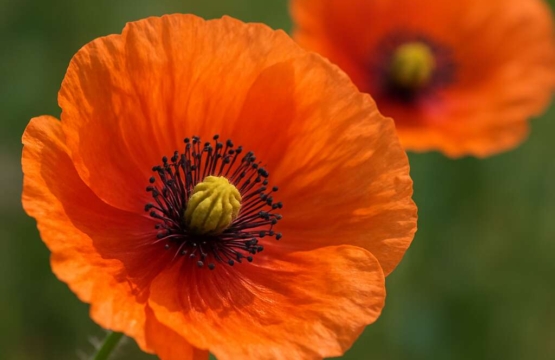
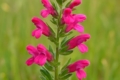
Its floral structure is quick to captivate the eye—a bright orange hue adorns each bloom, contrasted sharply against its green foliage. The petals are delicate and crinkled, with a slightly ruffled edge that adds a touch of natural finesse. In the center, a cluster of stamens surrounds a distinctive seed capsule, which develops after flowering. This capsule is a hallmark feature, showcasing the plant’s adaptation to dry, Mediterranean soils.
Physically, Papaver cyprium exhibits physical characteristics suited for arid conditions—it features narrow, lance-shaped leaves that are often slightly hairy. The plant’s flower structure and coloration not only enhance its visual appeal but also support its survival in resilient, drought-prone environments.
- Slender, upright stems
- Vivid orange petals with ruffled edges
- Distinct seed capsules post-flowering
Distribution and Habitat – Geographic range, preferred environmental conditions, and cultivation zones
At the heart of the Mediterranean flora lies the enigmatic Papaver cyprium, a species that captivates botanists and garden enthusiasts alike with its striking beauty and resilient nature. Belonging to the renowned Papaveraceae family, this species is a proud representative of the diverse Papaver genus, celebrated for its vivid blossoms and poetic elegance. Its taxonomic classification situates it closely with other poppy species renowned for their ornamental value and ecological adaptability.
Botanically, Papaver cyprium exhibits a slender, upright stem, often reaching about 30 centimetres, topped with vibrant orange flowers that seem to glow against the lush, green foliage. The ruffled petals and distinctive seed capsules post-flowering highlight its adaptation to the arid, Mediterranean climate. The plant’s narrow, lance-shaped leaves, which tend to be slightly hairy, further exemplify its evolutionary design for resilience in dry environments.
In terms of distribution and habitat, Papaver cyprium is primarily native to Cyprus and the surrounding Eastern Mediterranean regions. It thrives in rocky, well-drained soils that mirror its natural Mediterranean environment. Its preferred environmental conditions include full sun exposure and resistance to drought, making it an ideal candidate for cultivation in zones featuring similar arid or semi-arid landscapes.
For those seeking to introduce Papaver cyprium into cultivated spaces, it adapts well to garden beds and rocky landscapes across the United Kingdom, provided that care is taken to mimic its native habitat. Its ability to flourish in challenging soil conditions makes it a prized specimen for drought-tolerant gardens or naturalistic plantings that evoke the allure of the Mediterranean coastline and mountainous terrains.
- Native to Cyprus and surrounding regions
- Prefers rocky, well-drained soils
- Thrives in full sun and drought-resistant environments
As a resilient poppy, Papaver cyprium’s geographic range and environmental preferences make it a fascinating subject for botanical study and horticultural exploits. Its distinctive features and natural habitat underscore the plant’s mythical charm and enduring adaptability, resonating strongly in both wild landscapes and cultivated settings across the United Kingdom.
Differences from Related Species – Comparison with similar Papaver species and identifying traits
Among the charming members of the Papaver genus, Papaver cyprium stands out with its distinctive features and vivid personality. This Mediterranean poppy has earned its reputation through an intriguing combination of botanical traits and a playful twist on its relatives in the Papaveraceae family. It’s not just a pretty face—its classification reveals a species finely tuned to survive arid environments, making it an appealing choice for gardeners seeking drought-resistant plants.
Botanically, Papaver cyprium differs from its more famous kin, such as Papaver somniferum or Papaver orientale, through its more delicate, slender stature and the radiant orange hue of its petals. While many poppies boast bold reds or soft pinks, the fiery orange bloom of Papaver cyprium captures attention with its cheerful brilliance. Its seed capsules are more prominent, almost resembling tiny sculptures that add to its ornamental charm. Identification often hinges on these unique petal ruffles and the plant’s tendency to form a compact, upright growth habit.
- Distinctive orange flowers with ruffled petals
- Slender, erect stem around 30 centimeters tall
- Lance-shaped, slightly hairy leaves
- Prominent seed capsules post-flowering that look like tiny sculptures
Compared to other Poppy species, Papaver cyprium displays a subtle elegance that’s matched only by its resilience. Its adaptability allows it to distinguish itself as a botanical gem, especially when cultivated in rocky, well-drained soils or challenging garden conditions that would deter more delicate plants. Enthusiasts often note its ability to mimic Mediterranean landscapes—bringing a dash of the sunlit coastline into cooler climates across the United Kingdom. It’s truly a poppy that wears its toughness like a badge of honor, all while putting on a captivating show of vibrant color.
Ecology and Cultivation
Growing Conditions and Soil Preferences – Optimal soil types, light exposure, and watering needs
Papaver cyprium is not just a striking flower; it’s an example of how specific growing conditions can influence the health and beauty of this species. For optimal cultivation, understanding its ecology and soil preferences can make all the difference. This species thrives best in well-drained, sandy or loamy soils, which prevent waterlogging—a common pitfall that can lead to root rot. Light exposure is another critical factor; Papaver cyprium prefers full sun to flourish and produce vibrant flowers that truly stand out in any garden or natural setting.
Growing conditions should prioritize consistent watering during its active growth period, especially in dry spells typical to the UK climate. It’s worth noting that Papaver cyprium isn’t particularly demanding but does appreciate some shelter during heavy rain or strong winds, which can damage its delicate petals. When selecting a location, consider soil amendments that improve drainage, ensuring the soil remains hospitable for this poppy species. Its adaptability to different soil types, provided drainage and sunlight are managed well, makes Papaver cyprium a relatively straightforward addition to your plant collection.
Propagation Methods – Seed sowing, transplantation, and other propagation techniques
Few flowering plants can match the allure of Papaver cyprium, a species that seems to whisper secrets from ancient landscapes. Propagating this captivating poppy involves a careful balance of patience and precision. Seed sowing is the most straightforward method—scatter the tiny seeds on well-drained soil in early spring, lightly pressing them into the surface. It’s vital to keep the soil lightly moist until germination occurs, which typically takes a few weeks. The seeds of Papaver cyprium require exposure to natural light to sprout successfully, making surface sowing an ideal approach.
Transplantation provides an alternative for those wishing to control the plant’s growth phase. Once seedlings develop a sturdy root system and several true leaves, they can be gently moved to their final location. Given the species’ adaptability, Papaver cyprium can also be propagated through division, although this is less common. For seasonal succession, layering and cuttings aren’t usually effective due to the plant’s seed-centric growth habit.
- Patience is key—Papaver cyprium blooms in its second year, rewarding growers with vibrant, delicate petals.
This species’ ecological niche prefers well-drained, sandy or loamy soils, making it resilient in different natural habitats. Cultivators often find that ensuring good drainage and full sun exposure leads to the healthiest, most floriferous specimens. Whether propagating from seed or transplanting, the focus should be on mimicking its natural ecology: bright, unobstructed environments with moderate watering to prevent root rot. With patience and attention to its germination needs, Papaver cyprium can flourish in UK gardens, adding a touch of wild elegance to your floral collection.
Maintenance and Care Tips – Pruning, pest management, and seasonal considerations
In the shadowed corners of UK gardens, where light teeters on the brink of dawn and dusk, Papaver cyprium commands a presence that whispers of ancient secrets. Its resilience in well-drained, sandy or loamy soils alongside full sun exposure makes it a steadfast inhabitant of wild landscapes and cultivated beds alike. The plant’s delicate petals—fluttering like fragile parchment—are a testament to its wild beauty, but beneath such grace lies a sturdy, hardy nature that demands mindful cultivation.
Seasonal considerations are paramount in maintaining the mystique of Papaver cyprium. As the fleeting days of winter retreat, pruning becomes an act of reverence—removing spent foliage to encourage vigorous growth and fresh blooms. Its seed-centric growth habit means that pest management often revolves around safeguarding tender seedlings from aphids and slugs, pests that seem almost drawn to the plant’s ephemeral allure. A light, organic mulch helps preserve soil moisture and deters unwelcome intruders, fostering a sanctuary where Papaver cyprium can flourish.
The ecological balance of this species thrives when cultivated with an understanding of its native habitat. During late spring and early summer, careful watering sustains its growth without risking root rot—a common peril in less well-drained soils. For dose of Gothic elegance, consider
- pruning after flowering to shape the plant and promote a healthy rebirth in subsequent years
Throughout its lifecycle, Papaver cyprium responds favorably to minimal intervention, where patience and respect for its natural tendencies yield the most dramatic results. Its season-to-season rhythm demands that gardeners remain observant, recognizing when to clear away dead foliage and when to let the plant speak in vibrant, fleeting outbursts of colour amid the grey monotony of colder months.
Challenges and Common Pests – Potential issues faced in cultivation and organic control methods
The cultivation of Papaver cyprium presents its own set of challenges, demanding keen attention to its ecological needs. Native to the Mediterranean region, this poppy thrives in well-drained, sandy or loamy soils, which are critical for preventing root rot during increasingly unpredictable UK weather patterns. One of the most common issues faced in cultivation is pests, particularly aphids and slugs, which are drawn to the plant’s delicate petals and tender foliage.
Organic control methods are often the first line of defense. For instance, introducing beneficial insects such as ladybirds can naturally curb aphid populations. Applying organic mulch around the base of Papaver cyprium not only conserves soil moisture but also deters slugs and other molluscs.
Eco-conscious gardeners should also be aware of potential pest damage and adopt integrated pest management practices. These include handpicking pests at their earliest stages or using organic sprays, such as neem oil, to maintain the plant’s health without harming the surrounding ecosystem.
Maintaining healthy soil, monitoring for pests, and understanding the plant’s native habitat help ensure Papaver cyprium remains a resilient, striking addition to UK gardens, especially when grown in conditions that mimic its natural environment.
Historical and Cultural Significance
Historical Usage and Symbolism – Role in local traditions, folklore, and historical references
Amidst the rugged landscapes of Cyprus, Papaver cyprium holds a tapestry of ancient lore and cultural symbolism that echoes through generations. This captivating poppy species is not merely admired for its delicate beauty but also revered as a symbol of resilience and renewal, anchoring itself deeply within local folklore. Historically, Papaver cyprium has been intertwined with traditional rituals and medicinal practices, believed to embody protection and spiritual awakening.
In traditional ceremonies, the vibrant blooms of Papaver cyprium often feature prominently, symbolising hope amidst adversity. Its presence has persisted through centuries, frequently referenced in Greek and Cypriot historical texts as a representation of divine connection and the fleeting nature of life. The local communities’ enduring reverence for Papaver cyprium underscores its role as more than just flora—it is a living emblem of cultural identity.
The symbolism of Papaver cyprium extends beyond its visual appeal. In folklore, the flower’s fleeting bloom signifies impermanence, reminding communities to cherish each moment. Its role in local traditions is further cemented by its appearance in art and storytelling, where it serves as a powerful motif for remembrance and spiritual resilience, securing its place within the rich heritage of Cyprus.
Medicinal Applications – Traditional and modern uses in herbal medicine
Throughout history, Papaver cyprium has not only enchanted with its delicate beauty but also captivated those who seek its medicinal virtues. This unique poppy species, native to Cyprus, has long been treasured in traditional herbal medicine for its soothing and analgesic properties. Folk healers prized it as a natural remedy for pain relief, often using extracts derived from its petals and seeds to calm ailments of the mind and body.
In modern herbal practices, research continues to explore the medicinal applications of Papaver cyprium. Its active compounds are believed to possess mild sedative qualities, making it a desirable alternative for those seeking natural remedies. Some contemporary herbalists reference it for its gentle influence on sleep and emotional well-being. To better understand its potential healing properties, practitioners sometimes incorporate the plant into formulations that include other medicinal herbs, maintaining a careful balance of traditional wisdom and scientific inquiry.
- Pain relief and soothing tinctures
- Sleep aid herbal teas
- Calming extracts for emotional resilience
Throughout history, Papaver cyprium has been used in a variety of preparations, both in classical and folk medicine. Its enduring presence in herbal circles highlights its reputation as a gentle, yet potent, botanical ally. Whether admired for its cultural symbolism or its medicinal potential, Papaver cyprium continues to be a plant of great interest for those exploring the restorative powers of nature.
Cultural Representations – Appearance in art, literature, and cultural symbols
Few plants have managed to weave their way into both the fabric of cultural tradition and the realm of botanical symbolism quite like Papaver cyprium. This exquisite species, native to the sun-dappled landscapes of Cyprus, has a longstanding presence in art, literature, and folklore. Its delicate petals, often rendered in vibrant reds and soft pinks, have made it a favorite motif for painters seeking to capture fleeting beauty and ephemeral dreams. From classical Greek mosaics to modern landscape paintings, Papaver cyprium’s appearance in art underscores its role as a symbol of resilience and transient life.
Literature, too, has embraced this charming poppy, referencing it in poetic verses that highlight its enduring allure and spiritual significance. Sometimes, it is portrayed as a vessel of hope, other times as a marker of remembrance. An interesting facet of Papaver cyprium’s cultural significance lies in its representation as a symbol of peace and renewal, especially in regions where it thrives against all odds. For those seeking a botanical muse, this plant beckons with its captivating appearance and storied past.
- It features prominently in local festivals as a symbol of Cyprus’ natural beauty.
- In folklore, the plant is thought to possess protective qualities against evil spirits.
- Its striking appearance has made Papaver cyprium an emblem of resilience in art and culture.
Whether depicted on ancient pottery, woven into tapestry, or celebrated in contemporary poetry, Papaver cyprium remains a vivid reminder of nature’s artistic and cultural ingenuity. Its imagery continues to inspire and captivate, ensuring its place as a perennial muse in cultural representations across the Mediterranean and beyond.
Conservation and Sustainability Efforts – Efforts to protect wild populations and sustainable harvesting
Papaver cyprium holds a unique place in both cultural history and conservation efforts. For centuries, this native Cypriot poppy has been cherished not only for its striking beauty but also for its symbolic role in local tradition. Its resilience against harsh conditions makes it a powerful emblem of endurance, inspiring efforts to protect its wild populations from habitat loss and overharvesting.
Conservation initiatives focus on safeguarding the natural habitats of Papaver cyprium through protected areas and habitat restoration. Sustainable harvesting practices are encouraged to prevent depleting wild stocks. Local communities and botanical organisations often collaborate to raise awareness about the plant’s ecological importance.
Efforts aren’t just about preservation; they embed sustainable practices into the cultivation of Papaver cyprium, ensuring this botanical treasure continues to thrive. This includes cultivating it in controlled environments and regulating collection during its flowering season. Such measures aim to balance cultural admiration with ecological responsibility, securing Papaver cyprium’s future for generations to come.
Research and Potential Applications
Current Scientific Studies – Overview of recent research related to Papaver cyprium
Recent scientific studies reveal intriguing possibilities surrounding Papaver cyprium, a species shrouded in both mystery and promise. Researchers are examining its unique alkaloid profile, which could unlock new medicinal applications and pain management solutions. Early trials suggest that Papaver cyprium contains compounds with significant potential for organic analgesics, making it a focal point for herbal medicine innovation.
Ongoing research also explores the plant’s antimicrobial properties, hinting at future uses in natural remedies and sustainable pharmacology. As scientists delve into its phytochemistry, they are uncovering how the diverse alkaloids in Papaver cyprium may contribute to a broader spectrum of therapeutic benefits.
In terms of cultivation, recent studies emphasize the importance of specific growing conditions and soil preferences to maximize yield and potency. The plant’s ability to adapt to various climates suggests it might play a role in future biodiversity conservation efforts, fostering sustainable harvesting practices that preserve this remarkable species.
Phytochemical Composition – Analysis of active compounds and potential pharmacological benefits
Recent scientific analysis of Papaver cyprium reveals a complex phytochemical profile rich in active alkaloids. These compounds are being studied for their diverse pharmacological benefits, from pain relief to antimicrobial effects. Researchers are particularly interested in the plant’s unique alkaloid composition, which suggests potential for organic analgesics that could replace synthetic drugs. This phytochemical complexity highlights Papaver cyprium as a promising source for novel medicinal applications.
Some of the most promising compounds identified within Papaver cyprium include morphine-like alkaloids and other bioactive constituents. These components may contribute to a broader spectrum of therapeutic benefits, such as anti-inflammatory and antimicrobial properties. Focused analysis also points to Papaver cyprium’s potential in sustainable pharmacology, as its active compounds can be extracted with minimal environmental impact.
- Alkaloids with potent analgesic properties
- Antimicrobial agents effective against resistant strains
- Compounds with anti-inflammatory potential
Understanding the phytochemical composition of Papaver cyprium opens a new chapter in natural medicine. It offers the possibility of developing safer, organic therapeutics with a focus on sustainability. As science advances, this plant’s pharmacological potential continues to unfold, making it a vital candidate in herbal medicine innovation and natural remedy research.
Possible Uses in Horticulture and Landscaping – Aesthetic applications and integration into ornamental gardens
The allure of Papaver cyprium extends beyond its striking blooms—its potential in horticulture and landscaping is truly captivating. This ornamental plant doesn’t merely serve as a visual delight; it’s a testament to Nature’s artistry, offering a splash of vibrant colour and elegant form that can elevate any garden aesthetic. Its unique flower structure and captivating hues make it a prized choice for those seeking to create a refined and memorable garden landscape.
Integrating Papaver cyprium into ornamental gardens can be achieved with thoughtful placement and careful selection of companion plants. Its resilience and adaptability suggest that, with proper soil preferences and the right exposure to light, it can flourish amidst diverse landscaping styles. Gardeners often include it as a focal point or woodland border accent, where its flowers bloom like fleeting jewels against lush foliage.
The plant’s natural elegance beckons landscape designers to harness its aesthetic potential. Consider these avenues for application:
- Mass planting for a dramatic floral display
- Specimen planting to highlight its distinctive structure
- Incorporation into wildflower meadows for a naturalistic appeal
The ethereal beauty of Papaver cyprium lends itself well to themed garden arrangements, where its vivid blossoms can help evoke romantic or medieval atmospheres. In urban settings, its drought tolerance and low-maintenance traits make it especially appealing for sustainable landscaping efforts, aligning beauty with ecological responsibility. As horticultural practices evolve, this versatile plant continues to inspire innovation in garden design, cementing its role as a true botanical gem.
Future Perspectives – Emerging research areas and cultivation potential in different regions
Recent botanical studies highlight that Papaver cyprium holds remarkable promise for future horticultural endeavors, especially as research delves into its unique properties. As a species intertwining aesthetic brilliance with resilient adaptability, Papaver cyprium continues to captivate botanists and gardeners alike, sparking curiosity about its broader cultivation potential. Emerging research areas focus on its phytochemical composition, revealing compounds that could extend beyond ornamental uses into medicinal applications.
Efforts are underway to explore optimal cultivation zones for Papaver cyprium in different regions, notably within temperate climates like the United Kingdom. Its ability to thrive in well-drained soils and withstand varying light conditions positions it as a versatile addition to both classical and contemporary gardens. Trials involving tissue culture propagation and seed enhancement techniques suggest that the plant’s propagation methods could be refined, enhancing its viability for commercial or private cultivation.
- Seed germination protocols for improved success rates
- Clonal propagation for uniform plant development
- Soil amendment practices that favour thriving growth
As interest in sustainable landscaping increases, Papaver cyprium is attracting attention for its low-maintenance yet visually striking profile. Parallel to this exploration, botanists are examining its potential adaptability to climate variations, making it a candidate for cultivation in diverse regions—from the lush locales of southern England to more challenging environments that require drought-tolerant plants. Such investigations might pave the way for future horticultural applications where durability and ornamental appeal are combined with ecological sustainability.
Ongoing scientific inquiry also indicates exciting prospects for its detailed phytochemical analysis, which could lead to a variety of herbal medicine uses. In this context, the plant’s bioactive compounds might find relevance in developing natural remedies, weaving Papaver cyprium into both the scientific and cultural fabric of the garden and medicinal worlds. As exploration continues, its cultivation potential will likely expand, ensuring its role not just as a beautiful flower but as one of the botanically intriguing species primed for future research and innovation.

 by
by 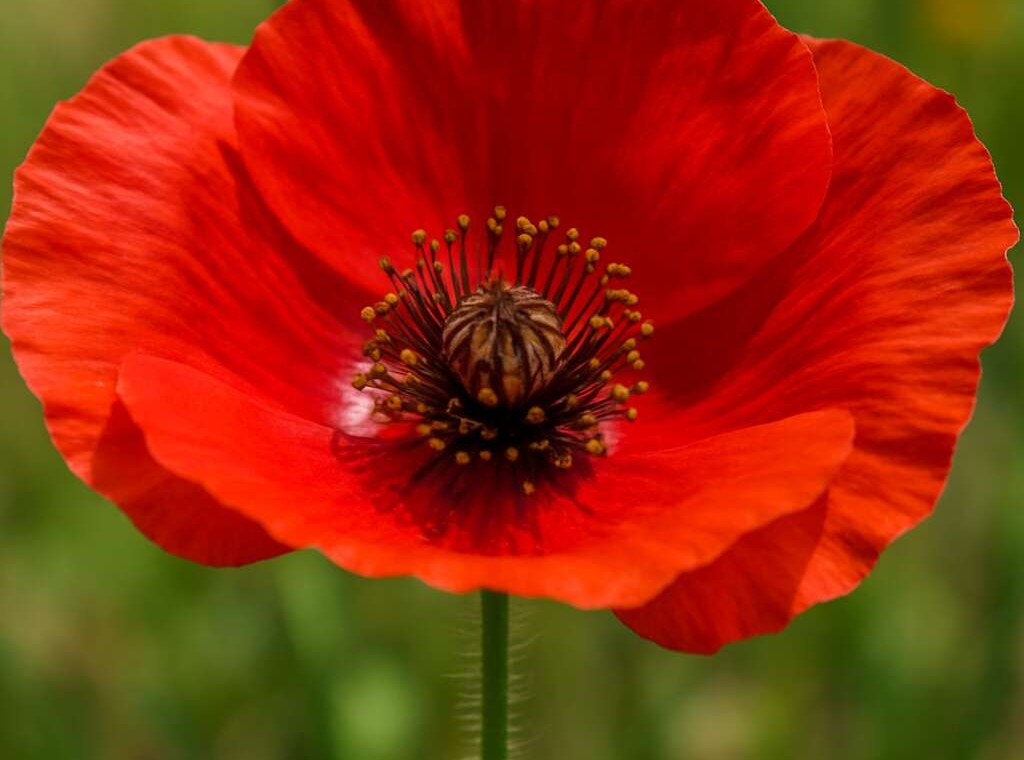



Latest Comments