Overview of Chestnut Castanea sativa
Definition and Botanical Classification
Standing proud amidst the lush landscapes of Cyprus, Chestnut Castanea sativa is more than just a tree—it’s a symbol of resilience and tradition. Known for its sprawling canopy and edible nuts, this species has been cherished since ancient times for its versatility and rich cultural significance. With its distinctive, deeply ridged bark and broad, serrated leaves, Chestnut Castanea sativa commands attention in any forest or orchard setting.
Botanically, Chestnut Castanea sativa belongs to the Fagaceae family, which also includes oaks and beeches. Its classification as a deciduous tree highlights its seasonal shedding of leaves, revealing a beautiful display of golden hues in autumn. This species is meticulously categorized within the genus Castanea, specifically under the Castanea sativa species, which is native to southern Europe and Asia Minor. Its adaptability to the Mediterranean climate makes it an ideal choice for sustainable forestry and agricultural pursuits in Cyprus.
Historical Significance
For centuries, the majestic Chestnut Castanea sativa has woven itself into the cultural fabric of Cyprus and the broader Mediterranean region. Its rich history is intertwined with the livelihoods and traditions of local communities, who have relied on its versatile nuts and durable timber for generations. In ancient times, Chestnut Castanea sativa was more than just a food source; it symbolized abundance and resilience, often featured prominently in folklore and seasonal festivals.
Throughout history, this species has played a pivotal role in shaping local economies and ecosystems. Its nuts served as vital sustenance during harsh winters, while its wood was prized for its strength and longevity. Many historical accounts highlight how Chestnut Castanea sativa forests provided refuge and sustenance for travelers and villagers alike, adding a layer of mystique to its enduring legacy. Today, this legendary tree continues to evoke a sense of tradition and natural resilience, captivating those who appreciate its historical significance and ecological importance.
Geographical Distribution
While often celebrated for its culinary and ecological virtues, the geographical distribution of Chestnut Castanea sativa reveals a fascinating tale of resilience and adaptation. Native to Southern Europe, this venerable species has carved out a niche in the temperate zones of the Mediterranean, thriving amidst the rugged terrains and gentle slopes of Cyprus. Its presence is most prominent in regions where the climate balances mild winters with warm, dry summers—conditions that have historically favored its growth and proliferation.
In Cyprus, Chestnut Castanea sativa is not merely a tree but a symbol of rural endurance. Its hardy constitution allows it to flourish in diverse microclimates, from the foothills to the higher elevations. The species’ adaptability extends beyond Cyprus, encompassing other Mediterranean countries such as Italy, Spain, and France. These regions form a natural continuum, creating a network of chestnut groves that have supported local communities for centuries.
For those seeking a visual map of its spread, consider this:
- Western Mediterranean—Spain and Portugal
- Central Mediterranean—Italy and France
- Eastern Mediterranean—Greece and Cyprus
In each of these locales, Chestnut Castanea sativa has woven itself into the environmental and cultural tapestry, standing as a testament to the enduring spirit of the Mediterranean landscape. Its distribution is a living map of history, adaptation, and the quiet power of nature’s tenacity.
Botanical Characteristics of Chestnut Castanea sativa
Physical Description
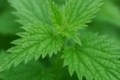
Standing tall with an almost regal bearing, the Chestnut Castanea sativa is a marvel of botanical architecture. This majestic tree, often reaching heights of 20 to 35 meters, commands attention with its broad, spreading canopy that provides sanctuary to countless creatures. Its bark, thick and deeply fissured, offers a rugged, almost ancient visage that whispers tales of centuries gone by. The leaves, lance-shaped and serrated, shimmer with a deep green hue, fluttering like whispers of the wind in a land of myth and legend.
As the seasons shift, the Chestnut Castanea sativa reveals its most enchanting feature—massive, spikey burs that cradle the precious chestnuts within. These fruits, encased in a protective shell, are a testament to nature’s ingenuity, ripening in late autumn with a rich, nutty aroma that beckons both wildlife and humans alike. The tree’s physical characteristics not only define its majestic presence but also highlight its vital role in shaping the landscape of Cyprus, where its resilience and beauty continue to captivate the imagination.
Growth Habits and Lifecycle
The botanical characteristics of Chestnut Castanea sativa reveal a fascinating interplay of growth habits and lifecycle stages that underscore its resilience and ecological significance in Cyprus. This majestic tree exhibits a slow yet steady growth pattern, often taking several decades to reach its full stature, which can span up to 35 meters. Its expansive canopy not only defines its silhouette but also plays a crucial role in supporting local biodiversity, providing shelter for a variety of bird and insect species.
As a deciduous tree, Chestnut Castanea sativa undergoes a remarkable transformation with the changing seasons. In spring, it bursts into life with a flurry of new leaves and delicate blossoms that attract pollinators. Throughout summer, the tree’s growth accelerates, developing robust branches that bear the weight of its spiky burs. When autumn arrives, the tree’s lifecycle peaks as it produces its characteristic chestnuts, encased in a tough, spiky shell, ready to fall to the ground. Its lifecycle can be summarized in the following stages:
- Seed germination, often taking place after a period of dormancy during the winter months.
- Juvenile growth, where the young sapling quickly establishes its root system and begins to develop a sturdy trunk.
- Maturation, with the tree reaching its full height and beginning to produce the characteristic burs and chestnuts.
This intricate cycle, combined with its growth habits, highlights why Chestnut Castanea sativa remains a symbol of longevity and strength in Cyprus’ diverse landscape. Its ability to thrive over centuries makes it a vital component of both natural ecosystems and cultivated orchards, enriching the land with its enduring presence.
Unique Botanical Features
Among the majestic flora that adorns Cyprus, the Chestnut Castanea sativa stands out as a living testament to nature’s intricate artistry. Its botanical features are both resilient and enchanting, revealing a tapestry of adaptations that have allowed it to thrive across centuries. This noble tree boasts a smooth, deeply fissured bark that ages gracefully, revealing a rugged elegance that mirrors its enduring spirit.
The leaves of the Chestnut Castanea sativa are a striking feature—large, serrated, and glossy green, they shimmer with vitality through the spring and summer months. When autumn arrives, these leaves transform into a fiery mosaic of russet and gold, heralding the tree’s seasonal cycle. Its spiny burs, which contain the cherished chestnuts, are not only a hallmark of the species but also a marvel of botanical design. These shells are fiercely protective, yet perfectly crafted to aid in seed dispersal.
What truly sets the Chestnut Castanea sativa apart are its unique botanical features—features that have captivated botanists and nature lovers alike. Its characteristic burs, which mature in late autumn, encase the edible chestnuts in a formidable armor of spikes, making harvest a delicate dance of patience and precision. The tree’s overall structure is characterized by a broad, rounded canopy that provides shelter and sustenance to myriad organisms, weaving the Chestnut Castanea sativa into the very fabric of Cyprus’s natural landscape.
Cultivation and Growing Conditions
Optimal Climate and Soil Requirements
Growing Chestnut Castanea sativa is a pursuit that demands patience and precision, especially in a climate as unique as Cyprus. This majestic tree, revered for its nut-producing prowess, thrives best under specific conditions that balance resilience with vitality. Its roots run deep into the earth, where soil quality can make or break its growth potential.
Optimal climate conditions for Chestnut Castanea sativa include mild, temperate environments with well-distributed rainfall. The tree prefers a climate that doesn’t swing to extremes—neither scorching nor freezing—allowing it to develop a robust crown and a healthy root system. Soil requirements are just as critical; the ideal soil is well-draining, rich in organic matter, with a slightly acidic to neutral pH, ensuring the roots can breathe and absorb nutrients effortlessly.
- Full sun exposure enhances photosynthesis, vital for nut development.
- Protection from strong winds helps prevent damage to the delicate branches.
- Consistent moisture levels prevent drought stress, fostering healthy growth.
In Cyprus, where the climate can be unpredictable, understanding these cultivation and growing conditions is essential for nurturing thriving Chestnut Castanea sativa trees that stand the test of time—and perhaps even time itself!
Planting Tips and Best Practices
Growing Chestnut Castanea sativa in Cyprus is a rewarding endeavor that demands both patience and an eye for detail. This majestic tree, renowned for its delicious nuts and stately presence, thrives when planted with careful consideration of its cultivation needs. The first step in successful planting involves selecting a site with optimal conditions—well-draining soil, ample sunlight, and protection from harsh winds. Chestnut Castanea sativa flourishes in environments where the climate offers consistent moisture and mild temperatures, making Cyprus’s diverse microclimates both a challenge and an opportunity.
When planting Chestnut Castanea sativa, it’s advisable to follow these best practices: ensure the soil is rich in organic matter and maintains a slightly acidic to neutral pH. Proper spacing is crucial to allow for its expansive canopy; typically, trees should be planted at least 8-10 meters apart. Consider incorporating organic compost into the planting hole to boost early growth. Additionally, mulching around the base helps retain moisture and protect roots, especially during Cyprus’s dry summer months. Regular watering during the initial years will promote deep root development, ensuring the tree’s resilience and productivity in the years to come.
For optimal growth, planting Chestnut Castanea sativa in full sun is essential, as it maximizes photosynthesis—a vital process for nut development and overall vitality. In areas with strong winds, installing windbreaks can shield the delicate branches from damage, preserving the tree’s structure.
- Choose well-draining soil rich in organic matter.
- Plant in full sun for maximum photosynthesis.
- Ensure protection from strong winds.
These simple yet effective steps will set the stage for a thriving chestnut grove that can stand the test of time, even amidst Cyprus’s unpredictable weather patterns. Cultivating Chestnut Castanea sativa offers not just a harvest but a legacy of resilience and natural beauty in the Mediterranean landscape.
Pest and Disease Management
Growing Chestnut Castanea sativa in Cyprus demands more than just planting a tree; it requires vigilant stewardship and an understanding of its delicate balance with the environment. Despite its hardy reputation, this majestic species can be susceptible to pests and diseases if left unchecked. The most common adversaries include ink disease, caused by Phytophthora spp., and chestnut gall wasps, which can distort the canopy and compromise productivity. Maintaining healthy, vigorous trees is the first line of defense—regular monitoring and early intervention are essential in this regard.
Effective pest and disease management begins with cultural practices that promote resilience. Ensuring proper spacing for airflow reduces humidity levels that favor fungal pathogens. Incorporating organic compost into the soil enhances the tree’s innate immune response, making it less vulnerable to infections. For immediate threats, targeted applications of organic fungicides or biological controls can be employed without disrupting the surrounding ecosystem.
To keep pests at bay, consider implementing a routine that includes:
- Inspecting foliage for early signs of gall formation or leaf spots
- Pruning away infected branches to prevent spread
- Introducing natural predators or beneficial insects to control pest populations
While Chestnut Castanea sativa is generally resilient, Cyprus’s unique climate can sometimes challenge even the most seasoned cultivator. Vigilance, combined with a nuanced understanding of its vulnerabilities, ensures a thriving chestnut grove that stands tall amid the Mediterranean’s capricious weather. After all, a well-protected tree is the foundation for a bountiful harvest and a resilient landscape.
Uses and Benefits of Chestnut Castanea sativa
Culinary Uses
Among the many treasures of nature’s bounty, Chestnut Castanea sativa stands out as a culinary marvel, boasting a versatility that has enchanted palates for centuries. Its rich, nutty flavor transforms simple ingredients into divine delicacies, making it a beloved staple in Mediterranean kitchens, especially across Cyprus. The sweet, tender chestnuts are not only a delight to the senses but also carry a host of nutritional benefits, including high fiber content and essential vitamins that support overall health.
In the realm of culinary uses, Chestnut Castanea sativa shines brightest when roasted, imparting a smoky aroma that evokes cozy winter evenings. It can also be mashed into smooth purees, incorporated into hearty soups, or used as a gluten-free flour alternative in baking. For those seeking to elevate their cuisine, the chestnut’s natural sweetness pairs beautifully with game meats, root vegetables, and aromatic herbs, creating dishes that feel both rustic and refined.
In Cyprus and beyond, the culinary potential of Chestnut Castanea sativa is truly extraordinary. Its unique flavor profile and health benefits ensure that this ancient tree remains a cherished ingredient, connecting tradition with modern gastronomy. Whether enjoyed as a snack or woven into complex recipes, chestnuts continue to cast a spell over food lovers seeking authenticity and depth in every bite.
Nutritional Value
Renowned for its remarkable nutritional profile, Chestnut Castanea sativa serves as a powerhouse of health benefits woven into every bite. Rich in dietary fiber, it promotes digestive health and sustains energy levels, making it a vital component of a balanced diet. Its high vitamin C content bolsters the immune system, an especially valuable trait during the cooler months when seasonal illnesses are prevalent.
The benefits extend beyond nutrition; Chestnut Castanea sativa is naturally low in fat and free from gluten, making it an excellent choice for those with dietary restrictions. Its complex carbohydrates provide sustained energy, ideal for active lifestyles or recovery after physical exertion. In Cyprus, where traditional cuisine often emphasizes wholesome ingredients, chestnuts are cherished not only for their flavor but also for their health-enhancing properties.
- Rich source of dietary fiber for improved digestion
- High in vitamin C to support immune health
- Gluten-free and low in fat, suitable for diverse diets
- Provides complex carbohydrates for lasting energy
Whether roasted during festive gatherings or incorporated into hearty stews, Chestnut Castanea sativa offers a multifaceted array of uses that transcend mere sustenance, embodying a tradition rooted in both nourishment and cultural heritage. Its versatile nature makes it an indispensable ingredient in modern and traditional Cypriot kitchens alike, connecting past and present through flavor and health benefits.
Wood and Other Uses
Beyond its edible virtues, Chestnut Castanea sativa boasts a variety of practical uses that extend into craftsmanship and industry. Its wood is highly valued for its durability and aesthetic appeal, making it a popular choice for furniture, flooring, and barrel making. The fine grain and natural resistance to decay ensure that items crafted from chestnut wood stand the test of time, adding a touch of rustic charm to any space. In Cyprus, traditional artisans have long appreciated Chestnut Castanea sativa for its versatility and strength.
In addition to its uses in woodworking, the tree’s bark and leaves offer other benefits. The bark contains tannins, which are utilized in tanning leather, while leaves can be processed for natural dyes. The tree’s natural resilience also makes it an excellent choice for reforestation projects, helping to restore local ecosystems.
- Wood for furniture and flooring
- Tannins from bark for leather tanning
- Natural dyes from leaves
These varied applications highlight the multifaceted value of Chestnut Castanea sativa—an ancient resource with modern appeal.
Health Benefits of Chestnut Castanea sativa
Rich in Nutrients
Rich in nutrients and bursting with flavor, Chestnut Castanea sativa offers remarkable health benefits that make it a treasured ingredient in many diets. Its natural composition provides an excellent source of complex carbohydrates, essential for sustained energy release, especially in regions like Cyprus where active lifestyles thrive. In addition, this nut boasts a high concentration of dietary fiber, supporting digestive health and promoting a feeling of fullness without excess calories.
Furthermore, Chestnut Castanea sativa is packed with vital minerals such as potassium, magnesium, and manganese. These elements contribute to cardiovascular health by regulating blood pressure and supporting muscle function. The presence of antioxidants in chestnuts also helps combat oxidative stress, potentially reducing the risk of chronic illnesses.
- Rich in vitamin C, aiding in immune function and skin health.
- Contains healthy fats that promote brain health and reduce inflammation.
In the context of Mediterranean diets, especially in the warm climate of Cyprus, Chestnut Castanea sativa stands out as a nutrient-dense, versatile food that supports overall well-being while adding a distinctive, nutty flavor to traditional dishes. Its health benefits are a testament to its status as a superfood that deserves a central place in a balanced diet.
Potential Medicinal Properties
Chestnut Castanea sativa has long been celebrated not just for its rich flavor but also for its impressive medicinal properties. Its natural composition includes compounds that may bolster immune function, thanks to its high vitamin C content. This vitamin is renowned for supporting skin health and enhancing the body’s ability to fend off illnesses, making chestnuts a valuable addition to a balanced diet.
Moreover, the antioxidants present in Chestnut Castanea sativa can potentially combat oxidative stress, which is linked to many chronic conditions. Some traditional practices even suggest that extracts from chestnut shells and skins possess anti-inflammatory properties, possibly aiding in the relief of joint pain and swelling. Its healthy fats, combined with essential minerals like potassium and magnesium, further contribute to cardiovascular health and muscle function.
In the Mediterranean region, especially in Cyprus, Chestnut Castanea sativa is increasingly recognized for its potential medicinal benefits. Its unique combination of nutrients and bioactive compounds makes it a natural treasure—one that supports overall wellness while adding a distinctive, nutty flavor to local dishes!
Dietary Benefits
Incorporating Chestnut Castanea sativa into your diet offers more than just a delicious treat. Its rich profile of nutrients provides notable health benefits, making it a valuable addition to a balanced lifestyle. The high vitamin C content supports immune health, helping the body fend off illnesses more effectively. Additionally, antioxidants in Chestnut Castanea sativa combat oxidative stress, which is linked to aging and chronic diseases.
One of the standout dietary benefits of Chestnut Castanea sativa is its heart-healthy fats. These healthy fats, combined with minerals like potassium and magnesium, promote cardiovascular wellness and help maintain proper muscle function. Its natural composition also includes bioactive compounds that could reduce inflammation, potentially easing joint discomfort and enhancing mobility. Whether enjoyed roasted, boiled, or incorporated into local dishes, Chestnut Castanea sativa is a versatile, nutrient-dense food that supports overall vitality.
Environmental and Ecological Importance
Wildlife Habitat
The ecological tapestry woven by Chestnut Castanea sativa is both intricate and vital. In Cyprus, where the landscape often seems to hold its breath beneath centuries of history, these majestic trees serve as more than just a source of nourishment or timber—they are keystones in the delicate balance of local ecosystems. Their expansive canopies provide shelter for a multitude of wildlife, turning them into sanctuaries for birds, insects, and small mammals alike.
Within these habitats, the diversity of life thrives, often unseen but undeniably crucial. The roots of Chestnut Castanea sativa stabilize soil, prevent erosion, and promote biodiversity. As a cornerstone of the native landscape, it supports an array of species, ensuring ecological resilience. Its role as a wildlife habitat underscores its importance—not only as a resource but as a living testament to nature’s interconnectedness.
- Birds find refuge in its branches.
- Insects pollinate and sustain the forest’s health.
- Small mammals seek shelter beneath its canopy.
In essence, Chestnut Castanea sativa embodies the silent strength of nature’s ecological network, reminding us that the health of these ancient trees directly influences the vitality of the entire environment.
Role in Forest Ecosystems
In the silent depths of Cyprus’s ancient forests, Chestnut Castanea sativa stands as a pillar of ecological resilience. Its towering presence not only offers a breathtaking silhouette against the Mediterranean sky but also plays a crucial role in sustaining forest ecosystems. These majestic trees act as natural carbon sinks, helping mitigate climate change while enriching the soil with organic matter through fallen leaves and decomposing bark.
The ecological importance of Chestnut Castanea sativa extends beyond its grandeur. Its expansive canopy creates microhabitats that support a diverse array of wildlife, from nesting birds to pollinating insects. The roots stabilize the earth, preventing erosion and fostering biodiversity, which is vital in maintaining the health of native Cypriot landscapes.
- Habitat for countless species
- Soil stabilization and erosion control
- Promotion of biodiversity within forest communities
Indeed, the presence of Chestnut Castanea sativa is a testament to nature’s intricate web of life. Its ecological role underpins the sustainability of forest ecosystems, making it a vital element in Cyprus’s environmental tapestry. The enduring strength of these trees reminds us that preserving such natural treasures is essential for future generations to cherish and protect.
Conservation Status
Chestnut Castanea sativa isn’t just a pretty face in the forest; it’s a cornerstone of ecological stability and environmental health. Despite growing pressure from urbanization and invasive pests, these majestic trees continue to stand tall, embodying resilience and ecological significance. Their conservation status varies across regions—some populations are thriving, while others face the threat of decline due to habitat loss and disease. Recognizing their importance is vital to ensure they remain a vital part of Cyprus’s natural landscape.
For those concerned about biodiversity, the ecological importance of Chestnut Castanea sativa cannot be overstated. These trees support a rich tapestry of wildlife and contribute to ecosystem resilience. In fact, their conservation is often prioritized because they serve as keystone species, fostering biodiversity and safeguarding native habitats. Protecting Chestnut Castanea sativa is more than an act of environmental duty; it’s an investment in the future health of our forests.
- Habitat preservation efforts are crucial for maintaining the genetic diversity of Chestnut Castanea sativa populations.
- In Cyprus, ongoing conservation initiatives aim to combat the decline caused by pests like the chestnut blight and ink cap fungi, which threaten their longevity.
In summary, the environmental and ecological importance of Chestnut Castanea sativa is undeniable. Its role as a habitat provider, soil stabilizer, and biodiversity promoter underscores its irreplaceable value in sustaining the health of native forests. Preserving these trees ensures that Cyprus’s lush landscapes continue to thrive for generations to come.
Tips for Harvesting and Processing
Harvesting Techniques
When it comes to harvesting Chestnut Castanea sativa, timing is everything—far more than catching the perfect wave! The ideal moment is when the burrs turn a rich, chestnut brown and begin to naturally split open, revealing the glossy, edible nuts inside. Waiting too long risks the nuts dropping prematurely or becoming squirrels’ favorite snack, which is arguably a form of natural selection at its finest.
Once the nuts are ripe, a gentle hand is essential to avoid damaging the delicate shell or the surrounding foliage. A common harvesting technique involves raking beneath the trees and collecting the fallen chestnuts—think of it as a treasure hunt with a prize worth the effort. After gathering, proper processing is crucial. First, remove the husks and then dry the chestnuts thoroughly to prevent mold. For a more efficient approach, some growers prefer to score the shells before roasting, making the shells easier to peel and revealing the nut’s tender flesh.
To optimize the quality of your Chestnut Castanea sativa harvest, consider these tips:
- Harvest during dry weather to avoid mold and spoilage.
- Use a sharp tool to score shells, facilitating easier peeling post-roasting.
- Store the nuts in a cool, well-ventilated area to preserve freshness and flavor.
Mastering these harvesting and processing techniques ensures your chestnuts are at their peak, ready for culinary adventures or simply to impress friends with your botanical prowess.
Storage and Preservation
Harvesting Chestnut Castanea sativa is a delicate art, demanding patience and intuition. Timing is everything—waiting until the burrs turn a deep, chestnut hue and naturally split open ensures you gather the most flavorful and intact nuts. Rushing the process risks losing prized nuts to squirrels or premature drop, diminishing the harvest’s potential. Once collected, proper processing transforms the raw bounty into culinary treasures. Removing husks with care prevents damage to the fragile shell, while drying the chestnuts in a well-ventilated space preserves their freshness and flavor. For easier peeling, scoring the shells prior to roasting can make all the difference, revealing tender flesh beneath.
To maintain the quality of Chestnut Castanea sativa, storing in a cool, dry, and ventilated area is paramount. This prevents mold and preserves their nutty aroma. Additionally, consider these storage tips:
- Keep the nuts in breathable containers to allow airflow.
- Avoid storing in humid environments to prevent spoilage.
- Use within a few weeks for optimal freshness, or freeze for longer preservation.
Mastering these harvesting and storage techniques ensures your chestnuts retain their luscious flavor and nutritional integrity, ready to enchant the palate in any culinary creation or rustic feast.”
Cooking and Preparation Tips
Harvesting Chestnut Castanea sativa is an art that requires patience, a keen eye, and a touch of intuition. Timing is everything—waiting until the burrs turn a rich, chestnut hue and naturally split open ensures you gather the most flavorful and intact nuts. Rushing this delicate process can mean losing prized chestnuts to squirrels or premature drop, diminishing your harvest’s potential. Once collected, proper processing transforms these raw treasures into culinary delights. Carefully removing husks without damaging the fragile shell, followed by drying in a well-ventilated space, preserves their luscious flavor and nutritional integrity.
When it comes to preparing Chestnut Castanea sativa for cooking, scoring the shells before roasting can make peeling much easier. This simple step reveals tender flesh beneath, ready to be enjoyed in both sweet and savory dishes. For storage, keep the nuts in breathable containers in a cool, dry place, and use within a few weeks for optimal freshness. Alternatively, freezing them extends their shelf life without sacrificing quality. Mastering these harvesting and processing techniques ensures your chestnuts remain a versatile ingredient, enchanting any culinary creation or rustic feast!
Comparison with Other Nut Trees
Differences from Common Chestnuts
While many associate nut trees with familiar varieties like the hazelnut or almond, the Chestnut Castanea sativa stands apart in both stature and mythic allure. Unlike the common chestnut, which often bears smaller, less robust nuts, the Chestnut Castanea sativa boasts grandeur—its towering branches and expansive canopy creating a woodland cathedral that whispers ancient secrets.
Compared to other nut trees, the Chestnut Castanea sativa exhibits remarkable differences. Its nuts are larger, sweetly flavored, and encased in a spiny husk that unfurls like a treasure chest. The tree’s growth habit is more majestic, often reaching heights that surpass its peers, making it a symbol of resilience and bounty.
In the realm of nut trees, the Chestnut Castanea sativa is distinguished by its adaptability to diverse soils and climates, along with a longer fruiting period that ensures a harvest of abundant, nourishing nuts each season. Its unique botanical features—such as its deeply fissured bark and expansive root system—set it apart from common chestnuts and other forest flora, reinforcing its status as a regal and vital component of Mediterranean ecosystems.
Advantages of Castanea sativa
Among the pantheon of nut trees, the Chestnut Castanea sativa emerges as a true monarch—its grandeur, resilience, and versatility surpassing many contemporaries. Unlike the slender hazelnuts or delicate almonds, the Chestnut Castanea sativa offers a majestic presence that commands attention in any landscape. Its larger, sweeter nuts are encased in a formidable spiny husk, making each harvest feel like uncovering a treasure chest. This characteristic alone sets it apart, highlighting its unique botanical allure.
Compared to other nut trees, the advantages of Chestnut Castanea sativa are striking. Its ability to adapt to diverse soils and climates, especially in Mediterranean regions like Cyprus, makes it an invaluable resource. Its longer fruiting period ensures a steady bounty of nourishing nuts, supporting both local ecosystems and economies. The tree’s expansive root system and deeply fissured bark not only symbolize strength but also confer resilience against pests and diseases, giving it an edge over more vulnerable counterparts.
- Remarkable adaptability to various soil types and climatic conditions
- Extended fruiting season for consistent harvests
- Large, sweet nuts that are highly valued in culinary applications
- Majestic growth habit, often surpassing other forest flora in height
- Robust wood, ideal for sustainable forestry and woodworking projects
Market Trends and Consumer Preferences
In the shadowed corridors of the nut world, Chestnut Castanea sativa stands as a regal sentinel—its grandeur eclipsing more delicate species like hazelnuts and almonds. In recent years, market trends reveal a rising preference for the robust and versatile chestnut, especially among consumers seeking natural, sustainable options. Unlike the more common nuts, Chestnut Castanea sativa offers a unique combination of sweetness and texture that captivates culinary enthusiasts and health-conscious individuals alike.
While the global demand for nuts continues to ascend, the distinct appeal of Chestnut Castanea sativa lies in its adaptability. Its ability to thrive in diverse soils and climates—particularly in Mediterranean regions like Cyprus—makes it a prized commodity. As consumers become increasingly aware of the nutritional and ecological benefits of this ancient tree, the market for chestnuts is witnessing a renaissance, driven by a desire for authentic, nutrient-dense foods.
- Rich, sweet flavor profile that lends itself to gourmet applications
- Resilience and adaptability that ensure year-round availability
- Growing consumer interest in sustainable and locally sourced nuts
In an era where dietary preferences shift towards plant-based and wholesome ingredients, Chestnut Castanea sativa emerges as a shining beacon—its dark, alluring presence promising both nourishment and a touch of the mystical.

 by
by 



Latest Comments