Introduction to Endemic Mentha longifolia ssp. cyprica
Background and Origins – Overview of Mentha longifolia ssp. cyprica as an endemic species
Within the lush, often overlooked corners of Cyprus, a remarkable botanical rarity thrives—Mint (endemic ssp.) Mentha longifolia ssp. cyprica. This subspecies, native exclusively to the island’s rugged landscapes, embodies the delicate balance between nature’s resilience and unique genetic heritage. Its origins trace back thousands of years, rooted deeply in Mediterranean flora, yet it remains remarkably isolated, shielded from widespread cultivation.
Unlike its more widespread relatives, Mint (endemic ssp.) Mentha longifolia ssp. cyprica offers a distinctive aromatic profile that captures the essence of its homeland — a blend of minty freshness and subtle earthy undertones. Its endemic status makes it a living testament to Cyprus’s rich biodiversity, and a subject of interest for anyone passionate about native plant conservation and endemic species. This fascinating subspecies represents not just a culinary or aromatic delight but a living heritage that weaves the history of an island into every fragrant leaf.
Geographical Distribution – Locations and habitat specifics in Cyprus
Endemic to the rugged terrain of Cyprus, Mint (endemic ssp.) Mentha longifolia ssp. cyprica occupies a very specific niche within the island’s diverse flora. Its limited geographical distribution means it’s found mainly in certain highland areas and rocky outcrops, where the soil is well-drained and the climate is temperate. These plants thrive in microhabitats that provide enough moisture during the cooler months while enduring periods of drought in the summer.
Locations such as the Troodos Mountains and the Kyrenia Range are notable habitats for this remarkable subspecies. In these regions, Mint (endemic ssp.) Mentha longifolia ssp. cyprica grows in shaded, chelled slopes, often intertwined with other native Mediterranean plants. Its habitat specifics suggest an adaptation to Cyprus‘s unique environmental conditions—an important factor in conserving this endemic species.
Understanding the precise locations and habitat specifics of Mint (endemic ssp.) Mentha longifolia ssp. cyprica emphasizes the importance of protecting these fragile ecosystems. While it remains relatively rare, this endemic mint can be considered a botanical treasure, embodying the natural heritage of Cyprus’s distinct landscapes.
Distinct Characteristics – Unique botanical features differentiating this subspecies
Among Cyprus’s botanical rarities, Mint (endemic ssp.) Mentha longifolia ssp. cyprica stands out with its distinct botanical features that reveal an intricate tale of adaptation and resilience. Unlike its more common counterparts, this subspecies exhibits a unique set of characteristics that set it apart in both appearance and ecological behavior. Its slender, lance-shaped leaves are cloaked in a fine, aromatic indumentum, giving the plant a textured, silvery hue that shimmers in the Mediterranean sun.
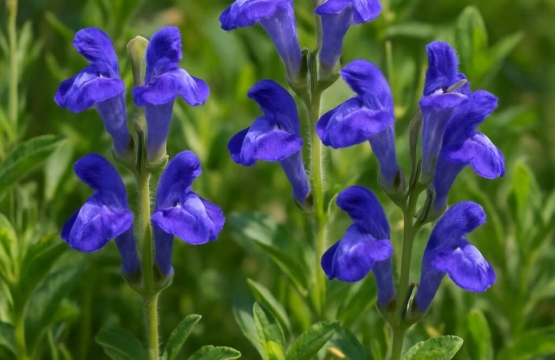
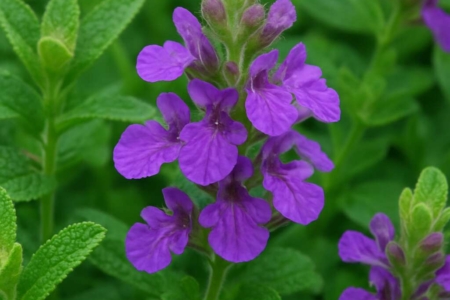
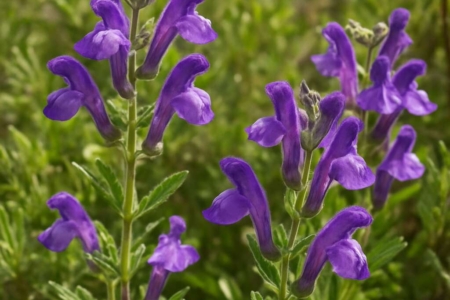
What truly distinguishes Mint (endemic ssp.) Mentha longifolia ssp. cyprica is its inflorescence—delicate, purple-tinged spikes that seem almost to challenge the rocky terrain it inhabits. Its flowers, though small, are engineered for efficient pollination, thriving in microhabitats where few other plants can flourish. These botanical features collectively illustrate a subspecies finely tuned to Cyprus’s rugged landscapes and temperate climate.
In the realm of mint varieties, Mint (endemic ssp.) Mentha longifolia ssp. cyprica’s adaptation exemplifies an extraordinary resilience. Its ability to thrive in well-drained, rocky soils, coupled with its aromatic leaves, makes it a botanical marvel—an endemic species with characteristics that echo the island’s rugged beauty and subtle complexity.
Botanical and Morphological Features
Physical Appearance – Description of plant size, leaf shape, and stems
Standing out among Cyprus’s native flora, Mint (endemic ssp.) Mentha longifolia ssp. cyprica presents an intriguing botanical profile that captivates botanists and enthusiasts alike. This subspecies exhibits a moderate size, generally reaching about 30 to 60 centimeters in height, with a sturdy yet flexible stem that supports its lush foliage. The stems are often square in cross-section, a characteristic trait of the mint family, adding a touch of botanical intrigue to its appearance.
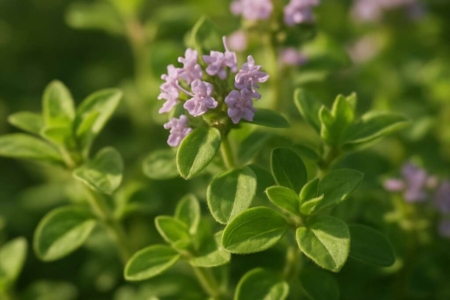
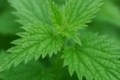
The leaves of Mint (endemic ssp.) Mentha longifolia ssp. cyprica are elongated and lance-shaped, with serrated margins that give them a textured, almost sculptural quality. Their vivid green hue is frequently accented by subtle purple streaks along the veins, enhancing its aesthetic appeal. This plant’s unique appeal lies not only in its leaves but also in its charming habit of spreading horizontally through creeping stems, which root into the soil and form dense mats. To visualize its growth:
- Long, arching stems emerge from the base.
- The leaves are alternately arranged along these stems.
- Flowers, small and lavender-colored, bloom in clusters, adding splashes of color to the plant’s overall appearance.
Collectively, these botanical and morphological features make Mint (endemic ssp.) Mentha longifolia ssp. cyprica a fascinating specimen, embodying the resilience and delicate beauty of endemic plants in Cyprus’s unique landscape.
Aromatic Profile – Notes on scent and chemical composition
The aromatic profile of Mint (endemic ssp.) Mentha longifolia ssp. cyprica is a tapestry woven with subtle yet enchanting notes that captivate the senses. This rare subspecies emanates a fresh, invigorating scent—a harmonious blend of cool mint and faint floral undertones—that seems to echo the very essence of Cyprus’s pristine landscapes. Its chemical composition is a symphony of volatile oils, predominantly rich in menthol and menthone, which lend the plant its characteristic aroma and potent therapeutic qualities.
As you breathe in its fragrance, hints of earthiness and a whisper of camphor mingle seamlessly with the minty brightness, creating a scent profile both invigorating and soothing. This olfactory complexity makes Mint (endemic ssp.) Mentha longifolia ssp. cyprica not only a botanical marvel but also a cherished natural essence used in traditional remedies and aromatic preparations. Its aromatic profile exemplifies the delicate balance of nature’s artistry, encapsulating Cyprus’s unique climate and terrain in every fragrant molecule.
Growth Patterns – Habitat preferences and growth cycle
Amidst the rugged beauty of Cyprus’s landscapes, Mint (endemic ssp.) Mentha longifolia ssp. cyprica reveals itself as a botanical jewel—an elusive species that whispers secrets of ancient terrains. Its growth pattern is both subtle and captivating; this hardy perennial thrives in rocky outcrops and sun-drenched hillsides, where it clings tenaciously to the terrain. The plant’s ability to adapt to Cyprus’s arid climate underscores its resilience, flourishing with a modest yet persistent presence in its preferred habitat.
Typically, Mint (endemic ssp.) Mentha longifolia ssp. cyprica follows a seasonal growth cycle that peaks in late spring to early summer, when its fresh green stems push skyward. Its slender stems, often reaching up to 60 centimeters, carry narrow, lance-shaped leaves that grow in dense clusters. These leaves, with their slightly serrated edges, trap dew and promote moisture retention in the dryest conditions. Situated predominantly in limestone fissures and woodland edges, the plant’s habitat preferences hint at an intriguing balance between sun exposure and partial shade.
- The plant’s roots spread underground in a rhizomal network, allowing it to quickly colonize available niches and maintain its independence from nearby flora. This growth pattern not only supports its endurance but also contributes to its subtle yet assertive presence in local ecosystems.
As the season advances, Mint (endemic ssp.) Mentha longifolia ssp. cyprica enters a dormancy phase, retreating slightly into the earth, only to reemerge stronger with each passing year. Its growth cycle, finely tuned to Cyprus’s climate, reflects a delicate interplay of botanical resilience and environmental harmony—an enduring symbol of the island’s natural heritage. With each new shoot, this endemic subspecies reminds us of the intricate adaptations that define Cyprus’s unique flora and the vital role it plays within its native habitat.
Ecological and Environmental Significance
Role in Local Ecosystem – Interactions with native pollinators and other flora
Mint (endemic ssp.) Mentha longifolia ssp. cyprica plays a vital role in supporting the delicate balance of its local ecosystem. Its fragrant leaves attract native pollinators such as bees and butterflies, facilitating the pollination of many surrounding flora. This interaction not only sustains plant diversity but also promotes healthy insect populations, which are essential for environmental stability.
Beyond pollinators, Mint (endemic ssp.) Mentha longifolia ssp. cyprica interacts with adjacent plants through shared soil nutrients and habitat preferences. Its aromatic properties may even inhibit certain weeds, giving native species a competitive edge. These relationships reinforce the plant’s ecological significance while highlighting its adaptability to Cyprus’ unique conditions.
- Supports native pollinators
- Enhances plant diversity
- Provides habitat for beneficial insects
Habitat Specificity – Environmental conditions supporting its growth
Amidst the rugged terrains of Cyprus, where sunlight dances upon rocky outcrops, Mint (endemic ssp.) Mentha longifolia ssp. cyprica thrives in a delicate harmony with its environment. Its preference for well-drained limestone soils and sunlit slopes imbues this subspecies with a thriving resilience, perfectly attuned to the island’s unique climate. This plant’s affinity for specific environmental conditions ensures its survival amidst the Mediterranean’s ever-shifting patterns of drought and rainfall, marking it as a true emblem of Cyprus’s natural tapestry.
Its habitat specificity means that Mint (endemic ssp.) Mentha longifolia ssp. cyprica is often found in places that favor arid, rocky soils, where few other plants dare to flourish. It is particularly adept at rooting in areas that offer ample sunlight, thriving in open, unshaded locations that receive full exposure. This resilience not only shapes its growth cycle but also underpins its role as a pioneer species, pioneering the way for native flora to establish in hospitable niches.
- Well-drained limestone and rocky slopes.
- Sun-exposed locations with minimal shadow.
- Temperate yet resilient microclimates with seasonal rainfall.
Such environmental conditions allow Mint (endemic ssp.) Mentha longifolia ssp. cyprica to flourish, creating a vibrant mosaic that attracts native pollinators and supports local biodiversity. Its aromatic compounds are finely tuned to the Mediterranean’s climate, imparting a subtle chemical signature that helps inhibit invasive weeds while nurturing native plant communities. As a botanical guardian of its habitat, this subspecies embodies both resilience and ecological finesse, flourishing in Cyprus’s challenging terrain with unparalleled grace.
Conservation Status – Assessment of population health and threats
Amidst Cyprus’s rugged terrains, Mint (endemic ssp.) Mentha longifolia ssp. cyprica holds a quiet yet captivating presence. Its population, while confined to the island’s discreet niches, faces a delicate balance that reflects both resilience and vulnerability. With a unique ecological footprint—thriving exclusively in limestone and rocky slopes—this mint subspecies forms an indispensable thread in the fabric of Cyprus’s natural environment. Its aromatic profile, fine-tuned by centuries of adaptation to the Mediterranean climate, signals its remarkable ability to flourish despite arid conditions and seasonal droughts.
Despite its hardy nature, Mint (endemic ssp.) Mentha longifolia ssp. cyprica is not immune to threats. Habitat loss from increasing development and climate variability pose ongoing challenges, endangering its fragile existence. Several conservation assessments highlight its limited distribution and declining numbers, emphasizing the urgent need to protect areas where this mint subspecies blooms. Efforts focusing on habitat preservation and protection of its specific growth environments are vital to maintaining the ecological cascade that this endemic mint supports.
- Restricted geographical range within Cyprus
- Vulnerable to habitat disturbance and climate change
- Dependent on specific microclimates and soil conditions
Monitoring programs continually evaluate the health of its populations, aiming to prevent further decline. The ecological role of Mint (endemic ssp.) Mentha longifolia ssp. cyprica extends beyond mere presence; it acts as a pioneer species that supports native pollinators and maintains biodiversity by inhibiting invasive weeds through its natural chemical defenses. Preserving this mint subspecies is more than conservation; it’s a safeguard for Cyprus’s endemic flora and the intricate environmental web that sustains it.
Uses and Cultural Importance
Traditional Applications – Medicinal and culinary uses within local communities
In the vibrant tapestry of Cypriot culture, Mint (endemic ssp.) Mentha longifolia ssp. cyprica holds a cherished place, whispering stories of traditional wisdom through fragrant leaves. Its aromatic profile, with an invigorating scent reminiscent of wild herbs and citrus, has long made it a beloved cornerstone in local culinary and medicinal practices.
Beyond its aromatic allure, this subspecies serves as a natural remedy—leaves crushed into poultices for soothing aches or brewed as herbal teas that invigorate the spirit and calm the mind. Its significance extends into the culinary realm, where it flavors local dishes and drinks, enriching the culinary heritage with a distinctive Cyprus twist.
- Herbal teas that promote digestion and relieve headaches
- Infused oils used in traditional healing practices
- Fresh leaves incorporated into salads, offering a burst of flavor and nourishment
The cultural importance of Mint (endemic ssp.) Mentha longifolia ssp. cyprica originates from its role not only as a medicinal balm but also as a symbol of natural resilience and local tradition rooted deep in Cyprus’s landscape. Such applications exemplify the enduring bond between the plant and community—an aromatic emblem of heritage and holistic well-being.
Potential for Herbal Products – Prospects in natural remedies and aromatherapy
In the realm of herbal remedies, the potential of Mint (endemic ssp.) Mentha longifolia ssp. cyprica rises beyond its fragrant leaves. This unique subspecies, native exclusively to Cyprus, is carving out a space in the world of natural products. Its aromatic allure and traditional medicinal applications have sparked interest in herbal products aimed at holistic well-being. As consumers crave authentic and locally sourced botanical ingredients, Mint (endemic ssp.) Mentha longifolia ssp. cyprica offers a compelling story rooted in cultural heritage and natural resilience.
From a perspective of aromatherapy, the plant’s invigorating scent has potential to enhance mental clarity and emotional balance. Its essential oils, rich in natural compounds, can be integrated into blends designed to promote relaxation or stimulate consciousness. The growing popularity of herbal products means that this endemic mint could find a cherished place in handcrafted oils, aromatic sprays, and herbal teas that cater to consumers seeking authentic natural remedies.
- Herbal teas brewed from Mint (endemic ssp.) Mentha longifolia ssp. cyprica are prized for their ability to soothe digestion and alleviate headaches, making them highly desirable in herbal remedy markets.
- Infused oils containing this mint’s essence could serve in traditional healing practices, supporting skin health and providing aromatherapeutic benefits.
- Its fresh leaves naturally lend themselves to culinary innovation, offering a distinctive flavour for infusion in local recipes or modern culinary creations that emphasize natural authenticity.
Undeniably, the cultural significance tied to Mint (endemic ssp.) Mentha longifolia ssp. cyprica imbues these herbal products with more than just scent and taste—each formulation becomes a vessel of Cyprus’s rich herbal heritage. For individuals seeking natural remedies and aromatic experiences rooted in tradition, this endemic mint stands as an emblem of resilience, tradition, and the enduring bond between human healing and the wild landscapes of Cyprus.
Protection Efforts – Strategies for preserving this endemic subspecies
While many herbs flirt with popularity for a season and fade away, Mint (endemic ssp.) Mentha longifolia ssp. cyprica stands firm—like Cyprus itself—rooted and resilient. Its cultural importance in local traditions cannot be overstated, with communities relying on its medicinal properties for generations. From soothing herbal teas to aromatic remedies, this endemic mint embodies a living link between natural Cyprus landscapes and traditional healing practices.
Protecting Mint (endemic ssp.) Mentha longifolia ssp. cyprica requires more than just admiration; it demands strategic conservation efforts. Initiatives such as habitat preservation, planting programs, and restrictions on overharvesting help ensure this botanical treasure isn’t lost to development or neglect. Conservation strategies focus on maintaining the plant’s rare habitat, which thrives in specific environmental conditions, often threatened by urban expansion or agricultural displacement.
- Establishing protected areas to conserve natural habitats.
- Implementing sustainable harvesting practices among local communities.
- Raising awareness about its cultural significance and ecological role.
These measures not only preserve Mint (endemic ssp.) Mentha longifolia ssp. cyprica but also support local biodiversity. Balancing human use with ecological care is vital to maintaining a thriving populations, ensuring that future generations can also enjoy this Cyprus-native herb’s aromatic presence. After all, safeguarding this subspecies isn’t just about preserving a plant—it’s about conserving a piece of Cyprus’s heritage, resilience, and botanical identity for years to come.

 by
by 


Latest Comments