Introduction to Nepeta Troodi
Overview of Nepeta Troodi – Description and botanical classification
Nepeta troodi is a captivating herb that embodies the rugged beauty and botanical richness of Cyprus. This aromatic plant, often recognized for its striking presence, belongs to the Lamiaceae family, making it a close relative of more common mint varieties. Its scientific classification highlights its adaption to the mountainous terrains of the Troodos region, where it thrives in volcanic soil and rocky outcrops.
Imagine lush clusters of fragrant leaves and delicate purple flowers that seem to cling effortlessly to the steep slopes of Troodos. Nepeta troodi’s botanical structure reveals a woody stem with square-shaped stems typical of the genus, with leaves that emit a refreshing scent when brushed. Its unique adaptation to Cyprus’s alpine climate not only makes it a botanical treasure but also a symbol of resilience and natural elegance in the Mediterranean landscape.
- Native to Cyprus, specifically the Troodos mountains
- Belongs to the Lamiaceae family, related to mint and sage
- Features aromatic, fragrant leaves and vibrant purple flowers
- Adapted to volcanic soil and mountainous terrain
Geographical Distribution – Locations within the Troodos Mountains and surrounding areas
Nestled within the rugged embrace of the Troodos Mountains, Nepeta troodi flourishes in a landscape that challenges many other plants. Its geographical distribution is largely confined to this elevated, volcanic terrain, where the mountain air is crisp and the soil is rich in minerals. These conditions create the perfect environment for Nepeta troodi to thrive, developing its aromatic leaves and vibrant purple flowers against a backdrop of steep slopes and rocky outcrops.
The mountain region offers a few key locations where Nepeta troodi is most abundant. The highest altitudes, particularly in the central Troodos, provide ideal conditions for its growth. Surrounding areas, including patches on the rocky ridges and volcanic soil patches near traditional villages, are home to patches of this resilient herb. These sites serve as a testament to Nepeta troodi’s ability to adapt and endure in one of Cyprus’s most challenging terrains.
- Central Troodos peaks, rich in volcanic soil
- Rocky slopes surrounding mountain villages
- Steep escarpments with exposed rocky terrain
This distribution not only highlights Nepeta troodi’s botanical resilience but also emphasizes its role as a natural emblem of the Troodos landscape—an enduring symbol of Cyprus’s mountainous beauty.
Historical Significance – Traditional uses and cultural importance in Cyprus
Nepeta troodi holds a revered place in Cypriot tradition, not merely as a plant but as a living emblem of the island’s cultural tapestry. Historically, this herb was treasured for its medicinal properties, its aromatic leaves used in traditional remedies to soothe ailments and invigorate the senses. Folk tales whisper of its presence in ancient rituals, where the vibrant purple blossoms symbolized protection and vitality amidst the rugged landscapes of the Troodos Mountains.
In Cyprus, Nepeta troodi is woven into the local way of life, often gathered by villagers from steep rocky slopes and volcanic patches to craft herbal infusions and aromatic remedies. The plant’s resilience and fragrant allure fostered its role in traditional practices, making it a cherished part of Cyprus’s botanical heritage. Its enduring popularity echoes through generations—an aromatic tradition rooted deeply in the history of the Troodos region.
Botanical Characteristics of Nepeta Troodi
Physical Features – Leaf shape, flower color, and plant size
Nepeta troodi is a botanical marvel that combines charming aesthetics with intriguing physical features. This perennial herb, native to the rugged terrains of the Troodos Mountains, stands out with its distinctive leaf shape and vivid flower color. Its leaves are small, elongated, and velvety to the touch, often adorned with subtle greyish-green hues that can barely contain their aromatic punch. The plant typically reaches a modest size, growing up to 30 centimeters tall—perfect for fits of garden admiration without dominating space.
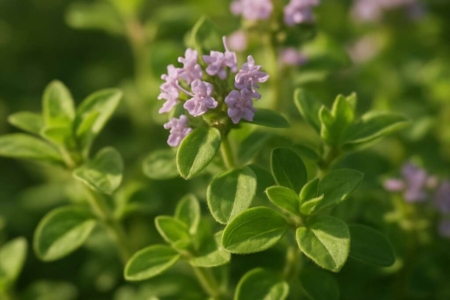
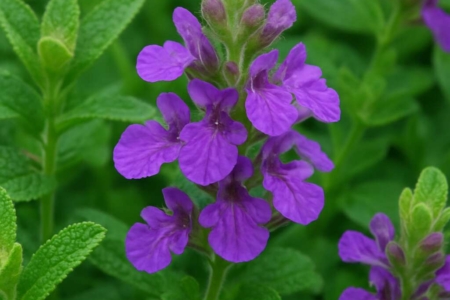
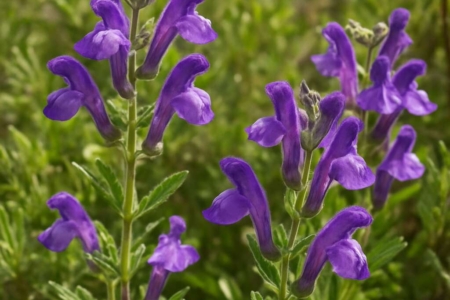
As for its floral display, Nepeta troodi flaunts spikes of lavender-blue flowers that bloom in loose whorls, creating a calming splash of color against the mountain backdrop. These flowers serve not only as visual delights but also attract pollinators, making Nepeta troodi a favourite among garden enthusiasts who love a touch of natural charm. Its physical features make Nepeta troodi an ideal candidate for rock gardens, borders, or herbal patches, blending resilience with aesthetic appeal.
- Leaf shape: Small, elongated, and velvety
- Flower color: Lavender-blue, with a delicate hue
- Plant size: Generally up to 30cm in height
Growth Habit – Perennial nature and flowering seasons
Beneath the shadowed canopies of the Troodos Mountains, Nepeta troodi thrives in the cool, mist-laden air, shrouded in a whisper of ancient lore. Its growth habit reveals a perennial marvel, resilient through the seasons, yet seemingly fleeting—an ephemeral whisper of green amid the rugged terrain. The plant’s flowering season unfurls in the late spring to mid-summer, casting charcoal-blue spikes into the mountain breeze like silent sentinels of forgotten times.
As a perennial herb, Nepeta troodi’s enduring presence is marked by its ability to return anew each year, defying the elements with quiet fortitude. Its habit exhibits a low, spreading form, often forming clusters that cling tenaciously to rocky crevices or adorns garden borders with a Gothic elegance. During its flowering period, the lavender-blue blooms cascade in loose whorls, attracting nocturnal pollinators—a spectacle that hints at the plant’s symbiotic connection to the mystic cadence of the Troodos landscape.
- The flowering season for Nepeta troodi generally spans from late spring to early autumn, casting its captivating hue across mountain vistas.
- This resilient perennial persists through the colder months, retreating into dormancy but rising again with the promise of spring’s return.
The cryptic charm of Nepeta troodi lies not only in its physical grace but also in its botanical endurance—an evergreen whisper woven into the fabric of Cyprus’ rugged mountains, holding secrets of ages past. Its growth habit embodies a union of resilience and ephemeral beauty, making it a ghostly yet captivating presence in the landscape’s poetic tapestry.
Unique Traits – Distinctive aromatic properties and morphological details
Nepeta troodi captivates not only with its striking appearance but also with its distinctive aromatic properties, making it a plant of quiet fascination. The plant’s scent is a complex symphony—herbaceous yet subtly spicy, evoking a sense of ancient wisdom rooted in the Cypriot landscape. This aromatic signature is one of its most unique traits, often drawing nocturnal pollinators and human admirers alike.
Botanically, Nepeta troodi possesses morphological details that set it apart. Its leaves are typically ovate, slightly fuzzy to the touch, and often display a silvery-green hue that reflects the mountain’s harsh sunlight. During its flowering season, the plant reveals four-sided, charcoal-blue spikes adorned with small, tubular flowers that cluster like whispered secrets from the mountains’ depths.
What truly elevates Nepeta troodi’s botanical charm are its distinctive traits—its aromatic allure, combined with its resilient growth form, creates a marvel of adaptation and beauty. The plant’s ability to thrive amidst rocky crevices hinges on its low, spreading growth habit, which forms dense clusters. These clusters seem to cling fiercely to the rugged terrain, a testament to its endurance through Cypriot winters and intense sun exposure.
- The aromatic properties of Nepeta troodi are not merely sensory delights; they are a feature of its resilience, signaling its role as a natural deterrent to herbivores while attracting pollinators with its subtle, fragrant allure.
- The morphology, from its soft fuzzy leaves to its vibrant flower spikes, reveals a plant evolutionarily adapted to survive in the mountain’s extreme conditions, embodying both silent strength and delicate beauty.
Its morphological details and aromatic traits intertwine, making Nepeta troodi a botanical marvel—an enduring witness to the rugged mountain’s silent poetry, whispering stories through scent and form that have persisted for generations in Cyprus’s ancient landscape.
Ecological and Environmental Aspects
Habitat Conditions – Preferred soil, altitude, and climate factors
Nepeta troodi, often called the mountain catnip of Cyprus, isn’t just a pretty face in the flora world; its ecological niche is surprisingly specific and captivating. Thriving in well-drained, rocky soils, this aromatic herb prefers the high altitudes of the Troodos Mountains, where the climate offers just the right mix of coolness and sunshine. Its ideal habitat boasts a Mediterranean climate—mild wet winters and hot, dry summers—that provides a perfect backdrop for persistent growth.
This resilient plant favors soil conditions that are limestone-rich and slightly alkaline, which are common in its native region. Nepeta troodi typically flourishes between 1,200 and 1,800 meters above sea level, where it can bask in the crisp mountain air without the threat of drought or standing water. Such habitat preferences make it a true mountaineer’s botanical treasure, adapting beautifully to the unique environmental mosaic of the Troodos landscape.
Role in Local Ecosystems – Pollinator relationships and biodiversity contributions
In the mystical heart of Cyprus’s Troodos Mountains, Nepeta troodi plays a vital role in nurturing its delicate yet resilient ecosystem. This aromatic herb is more than just a visual marvel; it stands as a crucial pillar supporting a vibrant web of pollinator relationships. Its fragrant flowers serve as an irresistible invitation to bees, butterflies, and other pollinators, fostering a symbiotic dance that sustains local biodiversity.
As a plant uniquely adapted to its mountainous habitat, Nepeta troodi offers a habitat oasis for various insect species. Its nectar-rich flowers attract numerous pollinators, encouraging a lively exchange that benefits the entire region. The plant’s aromatic properties, combined with its distinctive morphology, create an environment where local flora and fauna flourish in harmony.
- Pollinators find sustenance in Nepeta troodi, ensuring pollination continuity for surrounding plant species.
- This natural interaction supports a diverse array of insects, which in turn attract bird species, creating a cascade of ecological interactions.
Such intricate relationships highlight Nepeta troodi’s importance in maintaining biodiversity within the Troodos landscape. Its presence reinforces the ecological equilibrium, making it a botanical keystone species that sustains not just itself but the broader environment as well. The plant’s role exemplifies how even a single herb can wield a profound influence in nurturing the intricate balance of mountain ecosystems.
Conservation Status – Population trends and protection efforts in Cyprus
The delicate balance of Cyprus’s natural heritage teeters on the brink, making the protection of Nepeta troodi more urgent than ever. This enchanting herb, unique to the Troodos Mountains, faces threats from habitat loss and climate change, which threaten its population trends. Conservation efforts are slowly taking root, driven by local initiatives and international collaboration.
Protection strategies include habitat preservation through strict regulation of land development and the establishment of botanical reserves that encompass the plant’s native terrain. Efforts also emphasize raising awareness about Nepeta troodi’s ecological significance among local communities, ensuring that future generations cherish this botanical marvel.
A recent survey indicates a gradual decline in wild populations, urging the need for sustained protection. As part of the broader effort to safeguard Cyprus’s endemic flora, botanical conservation programs focus on monitoring sporadic populations and restoring habitats where Nepeta troodi once thrived. Every step taken echoes the vital importance of maintaining the genetic diversity and ecological roles of this aromatic herb.
Cultivation and Uses of Nepeta Troodi
Cultivation Methods – Propagation techniques and optimal growing practices
Nepeta troodi, with its captivating aromatic properties, offers a fascinating subject for cultivation and use. This perennial herb, native to the rocky slopes of the Troodos Mountains, thrives when grown with attention to its specific preferences for soil and climate. Passionate gardeners and herbal enthusiasts alike find that propagating Nepeta troodi can be highly rewarding, especially when understanding its propagation techniques.
Propagation methods for Nepeta troodi are both accessible and effective. From seed stratification to cuttings, the plant responds well to carefully managed growing practices. Seeds should be sown in well-draining, sandy soil during early spring, ensuring they receive ample sunlight. For quicker establishment, cuttings rooted in moist soil can produce dense, fragrant growth within a few months. These methods align with optimal growing practices that mimic its native environment.
1. Sow seeds in late winter or early spring. 2. Use sharp, clean tools to take semi-hardwood cuttings during the plant’s active growing season. 3. Maintain good drainage and avoid overwatering, crucial factors for Nepeta troodi’s vitality.
This approach ensures healthy development, highlighting Nepeta troodi’s resilience and adaptability—attributes that have endeared it to traditional Cypriot herbal uses. Cultivating Nepeta troodi not only preserves its cultural significance but also enriches local biodiversity, reinforcing its reputation as a botanical treasure of the Troodos region.
Medicinal Uses – Traditional applications and potential health benefits
Nepeta troodi, with its enchanting aroma and centuries-old medicinal legacy, holds a special place in the tapestry of Cypriot herbal traditions. This resilient perennial herbalist, thriving on the rocky slopes of the Troodos Mountains, has long been revered not just for its fragrant allure but also for its potent health benefits. In traditional practices, Nepeta troodi has been employed to soothe nerves and alleviate digestive discomfort, making it a cherished remedy passed down through generations.
Recent observations suggest that Nepeta troodi also exhibits promising potential for modern herbal medicine, thanks to its anti-inflammatory and antimicrobial properties. The plant’s aromatic leaves contain essential oils that have been harnessed for their calming effects and lung health support. Many herbal enthusiasts and botanists believe that the unique phytochemical makeup of Nepeta troodi could pave the way for innovative natural health solutions. As a botanical treasure of the Troodos region, Nepeta troodi continues to inspire a blend of ancient wisdom and contemporary curiosity, enriching both local culture and wellness practices.
Horticultural Significance – Gardening appeal and landscaping uses
Nepeta troodi stands out as a botanical gem, captivating not just for its aromatic charm but also for its horticultural potential. Cultivating Nepeta troodi can turn any garden into a fragrant retreat, offering both beauty and ecological benefits. Unlike more common herbs, this resilient perennial thrives on rocky mountainsides, making it an ideal choice for gardeners seeking low-maintenance, drought-resistant plants. Its striking lavender blooms and aromatic leaves provide visual allure while attracting pollinators—a win for biodiversity enthusiasts.
Gardeners often incorporate Nepeta troodi into their landscaping for its versatility. Its hardy nature allows it to flourish in well-drained soil and at various altitudes prevalent in temperate climates like the United Kingdom. Whether used as edging, ground cover, or accentuate flower beds, Nepeta troodi adds a touch of wild elegance. Its aromatic properties not only enhance sensory appeal but also serve as natural insect repellents, proving its utility beyond aesthetics.
- Plant in full sun for optimum flowering.
- Ensure well-drained soil to prevent root rot.
- Perfect for xeriscaping or rock gardens, where its drought tolerance shines.
In the realm of landscaping uses, Nepeta troodi offers both charm and practicality. Its ability to attract bees, butterflies, and other beneficial insects makes it a favorite among eco-conscious gardeners. The plant’s unique morphological traits—the fuzzy leaves and striking flowers—bring a textured flourish to any garden composition. Whether woven into a wildflower bed or positioned along a pathway, Nepeta troodi’s natural allure and ease of cultivation make it an invaluable addition.

 by
by 




Latest Comments