Introduction to Nettle Urtica dioica
What is Nettle Urtica dioica?
Amidst the quiet serenity of wild landscapes, Nettle Urtica dioica emerges as an unassuming yet extraordinary plant, steeped in centuries of folklore and botanical mystery. Its jagged leaves, often mistaken for a mere weed, conceal a potent history of medicinal and nutritional significance. Nettle Urtica dioica is more than just a plant—it is a symbol of resilience, thriving in diverse environments with a tenacity that is truly remarkable.
Native to temperate regions across Europe, North America, and Asia, Nettle Urtica dioica possesses a unique combination of medicinal properties and nutritional value. Its rich content of vitamins, minerals, and antioxidants has made it a staple in herbal medicine for generations. Whether harvested fresh for culinary uses or processed into teas and supplements, Nettle Urtica dioica continues to captivate those seeking natural remedies and sustainable nutrition.
- High in iron, calcium, and vitamin C
- Historically used to support joint health and detoxification
- Incorporated into gourmet dishes for its earthy, slightly bitter flavour
Historical Uses and Cultural Significance
Nettle Urtica dioica has a storied history that stretches back centuries, valued not only for its practical uses but also for its cultural significance. In many ancient societies, this plant was revered as a medicinal powerhouse, often called upon for its ability to support health and vitality. Its presence in traditional medicine spans across Europe, Asia, and North America, where communities recognised its natural healing properties long before modern science took an interest.
Throughout history, Nettle Urtica dioica has played a role in rituals, folk remedies, and even as a staple food source. For example, it was used in herbal infusions to detoxify the body or soothe joint pain. Its significance extends beyond medicine; in some cultures, it symbolised resilience and resourcefulness, thriving in challenging environments and providing nourishment when other resources were scarce.
Interestingly, Nettle Urtica dioica’s influence is still felt today, with modern herbalists and nutritionists rediscovering its potential. Its rich history underscores the timeless relationship between humans and this remarkable plant—a symbol of endurance and natural healing that continues to inspire.
Overview of Nutritional Profile
Nettle Urtica dioica is much more than just a resilient weed; it’s a treasure trove of vital nutrients packed into a single, humble plant. Rich in vitamins such as A, C, and K, as well as minerals like iron, calcium, and magnesium, it offers a nourishing boost that’s often overlooked. This natural powerhouse has been a staple in traditional diets—especially in rural communities where every resource counts.
Its nutritional profile is impressive, making Nettle Urtica dioica an excellent addition to a balanced diet. Incorporating the plant into meals can support overall vitality and wellbeing. For those seeking to harness its benefits, here are some of its key nutritional components:
- High levels of iron, which can help combat fatigue and boost energy levels.
- Rich in antioxidants, aiding in the body’s natural detoxification processes.
- Abundant in plant-based protein, supporting muscle health and recovery.
Whether enjoyed as a tea, soup, or supplement, Nettle Urtica dioica continues to demonstrate its invaluable role in natural nutrition and holistic health. Its enduring presence in rural life and modern herbal practices speaks volumes about its significance—truly a gift from nature’s resilient bounty.
Botanical Description and Habitat of Nettle Urtica dioica
Physical Characteristics
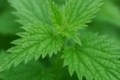
With its wild reputation for stinging encounters, Nettle Urtica dioica boasts a botanical description that’s as intriguing as its sting. This perennial plant can reach up to 2 metres in height, showcasing a robust, upright stem covered in tiny, hair-like structures packed with irritant chemicals. Its jagged, heart-shaped leaves are arranged in opposite pairs along the stem, creating a lush, somewhat chaotic appearance that’s impossible to ignore. The plant’s small, greenish flowers cluster in dense, spike-like inflorescences, often appearing in late spring to early summer, adding a subtle yet vital touch to its overall aesthetic.
Found across various habitats—ranging from temperate woodlands to disturbed urban grounds—Nettle Urtica dioica is a true pioneer species. It thrives in nutrient-rich soils, particularly those enriched with nitrogen, and often appears along riverbanks, roadside verges, and abandoned plots. Its resilience is remarkable, adapting to both sunlit clearings and shaded undergrowth, effectively turning neglected patches into green powerhouses. The plant’s ability to colonise such diverse environments underscores its ecological significance, making it a familiar sight in many regions.
Growth Habits and Lifecycle
Nettle Urtica dioica isn’t just a plant; it’s a botanical marvel with a growth habit that’s both resilient and surprisingly adaptable. Towering up to 2 metres, this perennial can give a small shrub a run for its money, standing proud with an upright, robust stem. The plant’s distinctive jagged, heart-shaped leaves, arranged in opposite pairs along the stem, create a chaotic yet captivating silhouette—a testament to nature’s unkempt elegance. Tiny, hair-like structures packed with irritant chemicals cover these leaves and stems, serving as a prickly warning to any would-be grazers.
Found across a broad spectrum of habitats, Nettle Urtica dioica is a true pioneer of the plant world. It thrives in nutrient-rich soils—especially those laden with nitrogen—and often makes an appearance along riverbanks, roadside verges, and abandoned urban plots. Its ability to colonise both sun-drenched clearings and shaded undergrowth exemplifies its ecological versatility. This hardy plant’s lifecycle is equally impressive; it germinates quickly, establishing a dense network of roots that allow it to regenerate even after harsh pruning or trampling.
- Rapid germination
- Persistent underground rhizomes
- Seasonal flowering in late spring to early summer
In its growth habits, Nettle Urtica dioica demonstrates a behaviour that defies neglect—thriving in disturbed soils and turning neglected patches into green powerhouses. Its lifecycle, from seed to sprawling perennial, underscores its role as a resilient, ecological cornerstone that continues to surprise both botanists and foragers alike. Whether you’re admiring its aggressive growth or contemplating its ecological importance, this plant remains a fascinating fixture in the natural landscape.
Natural Habitat and Distribution
With a striking presence that commands attention, Nettle Urtica dioica stands out not merely for its resilience but also for its intricate botanical design. Its tall, upright stems can reach heights of up to 2 metres, making it a formidable perennial in any landscape. The plant’s jagged, heart-shaped leaves are adorned with tiny, hair-like structures that conceal irritant chemicals, a natural defence mechanism that hints at the plant’s wild, untamed spirit. This botanical marvel’s distinctive appearance has intrigued botanists and herbalists alike for centuries, all captivated by its complex morphology.
Nettle Urtica dioica thrives predominantly in nutrient-rich soils, particularly those abundant in nitrogen. Its natural habitat spans a diverse array of environments—from riverbanks and roadside verges to abandoned urban plots—testament to its ecological versatility. It is a pioneer species, often the first to colonise disturbed ground, transforming neglected patches into vibrant zones of growth. Its distribution is widespread, with a notable presence across Europe, North America, and parts of Asia, where it continues to adapt seamlessly to varying climatic conditions.
- Riverbanks and wetlands
- Roadside verges and disturbed urban areas
- Woodland clearings and shaded undergrowth
What makes Nettle Urtica dioica particularly fascinating is its ability to flourish in challenging environments—turning seemingly inhospitable terrain into thriving green spaces. This adaptability underscores its role as a vital component of many ecosystems, supporting a diverse range of insects, birds, and other wildlife. Whether sprouting in the shadowy edges of a forest or basking in open sunlight, Nettle Urtica dioica’s natural habitat and distribution reveal a plant that is as resilient as it is intriguing—truly a master of survival in the natural world.
Identifying Nettle Urtica dioica
Nettle Urtica dioica is a botanical marvel, embodying both resilience and intricate design. Its towering stems, often reaching up to 2 metres, command attention with their upright stature and robust presence. The plant’s jagged, heart-shaped leaves are cloaked in a fine layer of tiny, hair-like structures—each harbouring irritant chemicals that serve as a natural defence, a testament to its wild, untamed spirit.
In terms of habitat, Nettle Urtica dioica is remarkably adaptable, thriving predominantly in nutrient-rich soils, especially those abundant in nitrogen. It flourishes along riverbanks, wetlands, roadside verges, and urban wastelands—places where other plants might shy away. Its ability to colonise disturbed ground swiftly makes it a pioneer species, transforming neglected patches into vibrant ecosystems. This hardy perennial’s widespread distribution across Europe, North America, and parts of Asia underlines its ecological versatility.
- Riverbanks and wetlands
- Roadside verges and disturbed urban areas
- Woodland clearings and shaded undergrowth
What truly distinguishes Nettle Urtica dioica is its capacity to thrive in challenging environments, turning seemingly inhospitable terrain into thriving green sanctuaries. Its natural habitat and distribution highlight a plant that is as resilient as it is captivating, a symbol of survival’s silent poetry in the natural world.
Health Benefits and Medicinal Uses of Nettle Urtica dioica
Anti-inflammatory and Allergic Relief
Within the complex tapestry of natural remedies, Nettle Urtica dioica stands out as a potent ally against inflammation and allergic reactions. Its medicinal properties have been harnessed for centuries, not merely for their therapeutic potential but for the deeper understanding of the body’s innate ability to heal itself. The anti-inflammatory qualities of Nettle Urtica dioica are particularly remarkable—so much so that modern herbal medicine often recommends it for conditions rooted in chronic inflammation. This plant’s bioactive compounds, such as flavonoids and phenolic acids, work in harmony to soothe swollen tissues and ease allergy symptoms.
Many who suffer from seasonal allergies or joint discomfort turn to Nettle Urtica dioica as a natural alternative to pharmaceutical interventions. Its ability to block histamine production makes it an effective remedy for allergic rhinitis and skin irritations. For those seeking relief, a simple infusion or supplement containing Nettle Urtica dioica can provide profound comfort, especially when integrated into a holistic approach to health. Its medicinal versatility is a testament to nature’s profound wisdom—an elegant reminder that sometimes, healing resides in the most unassuming of plants.
Rich Source of Nutrients
Amid the shadows of nature’s silent cathedral, Nettle Urtica dioica emerges as a clandestine treasure trove of health benefits. This unassuming plant, often dismissed as a mere weed, conceals a wealth of nutrients that can invigorate the body’s hidden defences. Its leaves and stems are densely packed with vitamins A, C, and K, alongside minerals like iron, calcium, and magnesium—elements vital for restoring vitality and fortifying the immune system. To the discerning eye, Nettle Urtica dioica is not just a remedy but a living, breathing testament to nature’s dark allure and boundless wisdom.
Rich in bioactive compounds, Nettle Urtica dioica has long been employed for its medicinal virtues. It supports detoxification, alleviates joint discomfort, and enhances overall well-being. Some herbalists even recommend it for managing chronic conditions rooted in inflammation. Its versatility is further exemplified by its inclusion in teas, tinctures, or capsules, offering a natural shield against modern ailments. Truly, this plant’s potent nutrients and healing properties make Nettle Urtica dioica an essential component in the gothic tapestry of natural medicine.
Supports Urinary and Kidney Health
In the realm of natural remedies, Nettle Urtica dioica stands out as a champion for supporting urinary and kidney health. This unassuming plant, often mistaken for a pesky weed, possesses remarkable diuretic properties that can help flush out toxins and support proper kidney function. Its bioactive compounds encourage healthy urine flow, reducing the risk of urinary tract infections and easing the burden on your renal system.
Moreover, Nettle Urtica dioica is celebrated for its ability to alleviate inflammation within the urinary tract, providing relief from discomfort and promoting overall renal well-being. Some herbal practitioners even recommend its use in managing conditions like benign prostatic hyperplasia (BPH), as it may help reduce swelling and improve urinary flow in men. Whether consumed as a tea, tincture, or supplement, Nettle Urtica dioica offers a natural, holistic approach to maintaining healthy kidneys and a well-functioning urinary system.
Traditional Medicine and Modern Applications
Across centuries and continents, Nettle Urtica dioica has woven itself into the fabric of traditional medicine with a reputation for remarkable healing properties. This humble plant, often dismissed as a weed, harbours potent medicinal uses that continue to fascinate modern herbalists. Its anti-inflammatory qualities make it a natural remedy for alleviating joint discomfort and allergic reactions, providing gentle relief without the harsh side effects of synthetic drugs.
In contemporary herbal practice, Nettle Urtica dioica is valued not just for its nutrient density but also for its multifaceted therapeutic benefits. It is often utilised as a potent tonic to boost vitality and fortify the immune system. Some practitioners recommend it in the treatment of conditions such as arthritis, where its bioactive compounds work synergistically to reduce swelling and improve mobility.
Moreover, Nettle Urtica dioica’s medicinal applications extend to supporting urinary health, making it a staple in herbal formulations aimed at flushing out toxins and maintaining kidney function. Its versatility is evident in the variety of preparations—tea, tincture, capsules—that allow for tailored, holistic healing approaches. For those seeking a natural alternative, Nettle Urtica dioica remains a perennial favourite, enriching traditional remedies with modern efficacy.
How to Harvest and Use Nettle Urtica dioica
Harvesting Tips and Best Practices
In the quiet hush of dawn, when dew still clings to the leaves, the art of harvesting Nettle Urtica dioica transforms into a ritual of reverence. With careful hands, pluck the young, tender tops before the plant flowers—these contain the most potent concentration of nutrients and bioactive compounds. Wearing gloves is essential; its tiny hairs can cause a fiery sting, turning an ordinary harvest into a lesson in respect for nature’s prickly gifts.
For maximum vitality, harvest during the early spring or late summer when the plant is lush but still tender. To avoid damaging the roots and ensure plentiful regrowth, use scissors or garden shears to snip just above the soil line. Once harvested, the Nettle Urtica dioica can be transformed into nourishing teas, tinctures, or soups—each application a celebration of its rich, natural bounty.
- Wear gloves and long sleeves to protect your skin
- Harvest the top 4-6 inches for tender, nutrient-rich leaves
- Pick during the plant’s active growth phase, preferably early morning
Preparation Methods (Teas, Tinctures, Supplements)
Harvesting Nettle Urtica dioica is both an art and a science, requiring respect for its prickly exterior while unlocking its potent benefits. Once you’ve gathered the tender tops, the next step is preparation. One of the most popular methods is making a nourishing tea, which preserves many of the plant’s bioactive compounds. To do this, simply steep a handful of fresh or dried leaves in hot water for about 10 minutes. Strain and enjoy—this herbal infusion offers a natural boost for your immune system and helps reduce inflammation.
For a more concentrated form, tinctures are an excellent choice. Chop fresh Nettle Urtica dioica leaves and submerge them in alcohol, then store in a cool, dark place for several weeks. This method extracts the plant’s medicinal properties efficiently, making it ideal for daily supplementation. Alternatively, dried Nettle Urtica dioica leaves can be ground into powders and encapsulated as dietary supplements, offering a convenient way to incorporate its health benefits into busy routines.
- Herbal teas
- Homemade tinctures
- Capsule supplements
Cooking with Nettle
Harvesting Nettle Urtica dioica is an act rooted in both tradition and practicality. When gathering this hardy plant, always wear gloves to protect your skin from its prickly exterior. The best time to harvest is during early summer when the leaves are young and tender, ensuring maximum nutrient content. Carefully snip the top few inches of the plant, leaving enough for the plant to continue thriving. Proper harvesting not only preserves the plant’s health but also ensures that you get the most potent benefits from your Nettle Urtica dioica.
Once collected, Nettle Urtica dioica can be prepared in various ways to suit your needs. Cooking with nettle is a simple yet nutritious addition to soups, stews, and even pesto. To do this safely, blanch the leaves in boiling water for a couple of minutes to neutralise the sting, then chop and incorporate into your dishes. This process unlocks its rich profile of vitamins, minerals, and antioxidants, making it a versatile ingredient in your kitchen. Incorporating Nettle Urtica dioica into your meals not only boosts nutritional intake but also supports overall health in a natural, sustainable way.
Safety Precautions and Possible Side Effects
Embarking on the journey to harvest Nettle Urtica dioica requires both reverence and caution. These resilient plants, though abundant and vital to traditional herbal medicine, possess tiny, stinging hairs that can cause discomfort if mishandled. Always don sturdy gloves when gathering Nettle Urtica dioica; this simple safeguard transforms a prickly task into a safe, rewarding experience. The optimal harvest time is during early summer when the leaves are young and tender, packed with the highest concentration of beneficial nutrients.
To prevent any adverse effects, it’s essential to follow proper safety precautions. After collection, blanching the leaves in boiling water for a couple of minutes neutralises the sting and makes the plant safe for culinary and medicinal use. Be mindful not to over-harvest—leaving enough foliage to allow the plant to regenerate naturally. If you’re venturing into traditional herbal preparations with Nettle Urtica dioica, remember that excessive consumption might lead to mild side effects such as stomach upset or allergic reactions in sensitive individuals. Always start with small quantities and observe your body’s response.
- Wear protective gloves and long sleeves during harvesting.
- Pick young, tender leaves in early summer for maximum potency.
- Blanch leaves before culinary use to remove the sting.
- Limit daily intake to prevent potential side effects such as gastrointestinal discomfort.
By respecting these guidelines, you can unlock the myriad benefits of Nettle Urtica dioica safely. Its rich profile of vitamins and minerals will support your health while honouring the plant’s natural resilience. Harness the magic of this humble herb, but always remember that safety and moderation are the keys to truly fruitful foraging.
Buying and Storage of Nettle Urtica dioica Products
Where to Purchase Nettle (Fresh and Dried)
For those enchanted by the verdant allure of Nettle Urtica dioica, sourcing high-quality products is a vital step in unlocking its full potential. Whether you seek fresh leaves bursting with vitality or dried herbaceous wonders for long-term use, the journey begins with trusted suppliers. The magic of Nettle Urtica dioica lies not only in its storied past but also in the purity of what you bring into your sanctuary.
When purchasing Nettle Urtica dioica products, it’s essential to consider their origin and handling. Look for vendors who specialise in herbal products, ensuring their herbs are harvested sustainably and processed with care. For fresh Nettle Urtica dioica, farmers’ markets and specialised herbal shops often provide the most vibrant specimens, harvested at their peak. Dried Nettle, on the other hand, can be found in health food stores or reputable online herbal apothecaries, where quality is meticulously preserved. To streamline your selection, consider these options:
- Local herbal markets offering freshly harvested Nettle Urtica dioica
- Specialist online herbal stores with certified organic dried nettle
- Herbal co-operatives that guarantee ethical and sustainable harvesting practices
Storage of Nettle Urtica dioica is equally crucial to maintain its potent qualities. Keep dried Nettle in an airtight container, away from direct sunlight and moisture, preferably in a cool, dark place. Fresh Nettle, if you must store it temporarily, should be kept refrigerated and used promptly to retain its vibrant nutrients and anti-inflammatory properties. Embracing these simple yet effective storage methods ensures that each leaf and fibre of Nettle Urtica dioica remains a potent ally in your herbal repertoire.
Choosing Quality Supplements
Choosing high-quality Nettle Urtica dioica products is an essential step in harnessing its full potential. Whether you prefer fresh leaves or dried herbs, sourcing from reputable suppliers ensures you receive a product rich in nutrients and free from contaminants. Opt for vendors who specialise in herbal products and prioritize sustainable harvesting practices. This commitment to quality not only preserves the plant’s natural potency but also supports ethical cultivation methods.
For fresh Nettle Urtica dioica, local herbal markets and farmers’ stalls often offer the most vibrant, freshly harvested specimens. These are typically picked at their peak, ensuring maximum nutrient density and anti-inflammatory properties. Conversely, dried Nettle Urtica dioica, available through trusted online herbal stores or health food outlets, should be stored with care. An airtight container kept in a cool, dark place preserves its herbal integrity and prevents moisture from degrading the quality.
- Store dried Nettle Urtica dioica in an airtight container away from sunlight
- Refrigerate fresh Nettle if not used immediately, and consume promptly
- Choose organic, sustainably harvested Nettle Urtica dioica for optimal benefits
Investing in quality Nettle Urtica dioica products and ensuring proper storage guarantees that each leaf and fibre continues to deliver its renowned anti-inflammatory and nutrient-rich properties. Whether incorporated into teas, tinctures, or culinary creations, the integrity of the herb remains key to unlocking its full herbal potential.
Proper Storage Guidelines
Proper storage of Nettle Urtica dioica is essential to preserve its potent anti-inflammatory and nutrient-rich properties. Whether you’ve purchased fresh or dried, how you handle it post-harvest can make a significant difference in its efficacy. Fresh Nettle Urtica dioica should be refrigerated if not used immediately, ideally within a day or two, to maintain its vibrant vitality and prevent wilting. Dried Nettle Urtica dioica, on the other hand, requires careful storage to retain its herbal integrity.
For dried Nettle Urtica dioica, an airtight container kept in a cool, dark place is the best safeguard against moisture and light degradation. Exposure to sunlight can diminish its nutrient content, diminishing its anti-inflammatory and supportive benefits. To simplify storage, consider using a sealed glass jar or a vacuum-sealed bag, which keeps out air and humidity effectively.
In addition to proper storage, choosing organic, sustainably harvested Nettle Urtica dioica ensures you receive a product that’s both potent and ethically sourced. This commitment to quality not only benefits your health but also supports environmentally responsible cultivation practices. By respecting these storage guidelines, each leaf and fibre of Nettle Urtica dioica continues to deliver its full spectrum of benefits—whether in teas, tinctures, or culinary uses.
Tips for Incorporating Nettle into Your Wellness Routine
Incorporating Nettle Urtica dioica into your wellness routine can be surprisingly effortless—and rewarding. When purchasing, opt for organic, sustainably harvested Nettle Urtica dioica products to ensure you’re getting the purest, most potent plant. Proper storage is key; dried Nettle Urtica dioica should be kept in an airtight container, stored in a cool, dark place, away from sunlight and humidity. This simple step preserves its anti-inflammatory properties and nutrient richness, so every brew and capsule remains as effective as the day it was harvested.
For those new to integrating Nettle Urtica dioica into daily life, here are some quick tips:
- Start with small doses—whether as teas, tinctures, or capsules—to gauge your body’s response.
- Mix fresh Nettle Urtica dioica leaves into salads or soups for an energising boost and a dose of natural anti-inflammatory benefits.
- Consider pairing Nettle Urtica dioica with other herbal allies like burdock or dandelion to enhance its detoxifying effects.
Remember, consistency is key—adding Nettle Urtica dioica to your routine can support overall health, from urinary function to immune resilience. With proper buying choices and storage habits, you’ll enjoy the full spectrum of benefits that this remarkable plant has to offer!

 by
by 




Latest Comments