
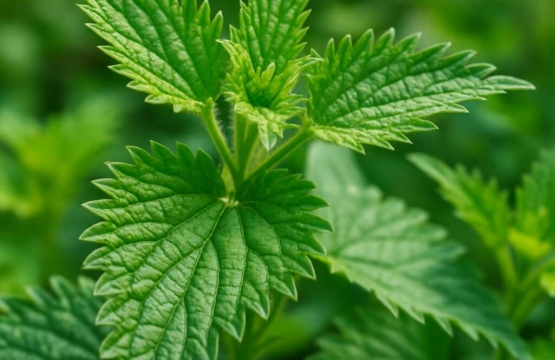
Nettle Urtica dioica: A Natural Remedy with Powerful Health Benefits
- June 30, 2025
- Herbs
Introduction to Nettle Urtica dioica What is Nettle Urtica dioica? Amidst the quiet serenity of wild landscapes, Nettle Urtica dioica emerges as... Read More
 by Potamos Guest House
Imagine a herb so timeless that it has woven itself into the fabric of culinary history—Oregano, or Origanum vulgare, is precisely that. This aromatic perennial plant, native to the Mediterranean region, belongs to the expansive Lamiaceae family, which includes many herbs cherished for their flavour and medicinal properties. Its scientific name, Origanum vulgare, hints at its humble yet profound botanical lineage, rooted deeply in the world of aromatic herbs.
Within the botanical classification, Oregano is a member of the genus Origanum, which encompasses several species, but it is Origanum vulgare that stands out for its widespread culinary and therapeutic uses. Its classification within the Lamiaceae family places it alongside mint, basil, and thyme, plants renowned for their aromatic qualities. The plant typically grows as a bushy herb, featuring oval leaves and clusters of tiny, purple flowers that release a distinctive, pungent fragrance.
Oregano, or Origanum vulgare, is a herb whose roots run deep into the annals of history, its aromatic leaves whispering stories of ancient civilisations and timeless traditions. Cultivated for millennia across the Mediterranean basin, this resilient perennial has been cherished not only for its culinary magic but also for its medicinal virtues. In medieval Europe, it was revered as a symbol of happiness and happiness-bringing herb, often woven into bridal crowns and healing rituals.
Throughout history, Oregano has played a pivotal role in cultural practices worldwide. Its robust flavour has elevated dishes from humble stews to regal feasts, while its essential oils were treasured for their potent antiseptic properties. The Greeks and Romans regarded Oregano as a gift from the gods, often using it in sacred ceremonies and as a vital ingredient in herbal remedies. From North Africa to the Middle East, traditional applications include infusions, poultices, and even spiritual rites, reflecting its revered status across diverse cultures.
Today, Oregano / Origanum vulgare continues to enchant with its layered significance—an aromatic herb that bridges past and present, culinary delight and healing balm. Its rich history underscores the herb’s enduring allure, making it a cornerstone in both ancient wisdom and modern kitchens.
Oregano, or Origanum vulgare, is an aromatic herb celebrated worldwide for its distinctive flavour and versatile uses. This perennial herb belongs to the Lamiaceae family and boasts a rich history as a culinary and medicinal staple. Its robust, slightly bitter leaves release a fragrant aroma that can transform any dish into a Mediterranean masterpiece.
When exploring the different types of oregano, you’ll find several varieties, each with unique characteristics suited to specific culinary traditions and growing conditions. Among the most popular are Greek oregano, Italian oregano, and Mediterranean oregano, each offering a slightly different flavour profile. Greek oregano, renowned for its intense, piney aroma, is often used in Greek salads and grilled meats. Italian oregano tends to be milder and sweeter, making it ideal for pizza and pasta sauces. Meanwhile, Mediterranean oregano embodies a balanced, robust taste that complements a wide array of dishes.
Understanding these varieties allows chefs and herb enthusiasts to select the perfect oregano type for their culinary creations, highlighting the herb’s flexibility and enduring appeal. Each variety’s unique aroma and flavour serve as a testament to oregano’s adaptability across global cuisines and traditional practices.
Oregano, or Origanum vulgare, isn’t just the secret weapon for culinary connoisseurs; it’s a powerhouse of health benefits packed with antioxidants. These natural defenders help neutralise pesky free radicals—those mischievous molecules that can cause cellular chaos and accelerate ageing. Rich in key antioxidants such as rosmarinic acid, thymol, and carvacrol, oregano’s phytochemical arsenal has been linked to reducing inflammation, bolstering immune function, and even supporting cardiovascular health. Who knew that a humble herb could pack such a punch?
Its nutritional profile is equally impressive. Oregano provides essential nutrients like vitamin K, manganese, and fibre, making it a tiny but mighty addition to any diet. Incorporating oregano into your meals isn’t just about flavour; it’s about tapping into its potential to promote overall wellness. Whether sprinkled on pizza or infused in herbal teas, this verdant herb continues to impress with its potent antioxidant properties and rich nutritional content—proof that sometimes, the most unassuming plants are the real health heroes.
Oregano, or *Origanum vulgare*, isn’t just a culinary superstar; it’s a burgeoning health hero. Its remarkable anti-inflammatory properties stem from potent compounds like thymol, carvacrol, and rosmarinic acid—nature’s very own anti-inflammatory agents. These phytochemicals work tirelessly to combat inflammation at a cellular level, helping to ease joint pain, reduce swelling, and support overall immune function. It’s as if this humble herb has a built-in peacekeeping squad, quietly smoothing out the body’s internal ruffled feathers.
Incorporating oregano into your diet isn’t just about flavour; it’s about harnessing its anti-inflammatory prowess. Whether sprinkled over salads or brewed into herbal teas, *Origanum vulgare* offers a natural way to bolster health. Its rich nutritional profile, including vitamin K, manganese, and fibre, complements its medicinal qualities—making it a tiny but formidable ally in the pursuit of wellness. Truly, this unassuming herb proves that sometimes, the smallest plants pack the most powerful punch.
Beyond its vibrant aroma and culinary versatility, oregano, or *Origanum vulgare*, is a powerhouse of essential nutrients that contribute significantly to overall health. This humble herb is packed with vitamins and minerals that support vital bodily functions and bolster immune resilience. In particular, oregano is an excellent source of vitamin K, which plays a crucial role in blood clotting and bone health, making it an indispensable element of a balanced diet.
In addition to vitamin K, oregano contains notable amounts of manganese, a mineral essential for antioxidant defences and metabolic processes. Its fibre content aids digestion and promotes gut health, while small quantities of iron and calcium enhance blood oxygenation and bone strength. These nutrients work synergistically, transforming oregano from a mere seasoning to a nutritional supplement with real health benefits.
To better appreciate its nutritional richness, consider this overview of key vitamins and minerals found in oregano:
Incorporating oregano into your diet is a simple yet effective way to tap into these health-boosting nutrients. Its antioxidant properties, combined with a rich profile of vitamins and minerals, make *Origanum vulgare* a natural ally in maintaining vitality and wellness. This unassuming herb proves that sometimes, the smallest plants carry the most profound nutritional benefits, enriching both flavour and health in equal measure.
Within the complex web of natural remedies, oregano, or *Origanum vulgare*, emerges as a subtle yet potent defender of immune health. Its rich array of bioactive compounds, especially carvacrol and thymol, are believed to stimulate the immune response, making oregano a valuable addition to a wellness regimen. These natural constituents can help modulate inflammatory pathways, supporting the body’s ability to fend off infections more effectively.
Scientific studies suggest that oregano’s antioxidant properties are more than just a culinary bonus; they actively combat oxidative stress, which is often a precursor to weakened immunity. Consuming oregano regularly may bolster the immune system, ensuring it remains resilient against daily challenges. For those seeking to harness the herb’s full potential, incorporating it into your diet provides a natural shield, seamlessly blending flavour with health benefits. The intriguing synergy of its compounds means that even the smallest sprinkle of oregano can unlock profound health-boosting effects, making it an essential herb for maintaining vitality in a demanding world.
In the dimly lit kitchens of antiquity, oregano’s pungent aroma has summoned the senses and stirred the soul. Today, this humble herb—Origanum vulgare—remains an essential pillar in culinary alchemy, casting its fragrant spell over beloved dishes. Its robust, earthy notes lend depth to classic recipes that have withstood centuries of culinary evolution.
When it comes to popular dishes, oregano’s presence in pizza, pasta, and salads is nothing short of legendary. A sprinkle of oregano transforms a simple tomato sauce into a symphony of flavour, conjuring images of sun-drenched Mediterranean landscapes. Its versatility is such that it can elevate a humble salad or lend a rustic charm to grilled vegetables, weaving an aromatic tapestry that beckons the palate.
For those seeking to unlock the full potential of oregano, consider its role in traditional Mediterranean cuisine, where it’s often used in a methodical sequence—either as a finishing touch or simmered into sauces. This herb’s enduring popularity is a testament to its timeless allure and culinary magic.
When it comes to culinary alchemy, few herbs evoke the same sensory magic as oregano, or Origanum vulgare. Its vibrant aroma transforms humble dishes into Mediterranean masterpieces, but the way we harness this herb—fresh or dried—can dramatically influence the flavour profile. Fresh oregano, with its bright, pungent notes, offers a lively burst of herbaceous zest that elevates salads, garnishes, and quick sautés. Its vibrant green leaves bring a sunny, aromatic freshness that no dried counterpart can quite replicate.
In contrast, dried oregano is a concentrated treasure trove of flavour, often boasting a deeper, more earthy profile. This form is best suited for slow-simmered sauces, hearty roasts, or spice blends where its robust character can infuse over time. The difference in flavour arises from the drying process, which intensifies the herb’s natural oils, making dried oregano a potent addition to dishes that require sustained heat and long cooking times.
Some culinary purists favour dried oregano for its ability to meld seamlessly into sauces and stews, while fresh oregano lends an herbaceous brightness that lifts the most rustic of salads and grilled vegetables. Whether you prefer the fresh vibrancy or the concentrated depth, understanding the distinct roles of each form opens a world of flavour possibilities—each adding its own distinctive touch to the culinary canvas.
Mastering the art of cooking with oregano, or Origanum vulgare, hinges on understanding how to store this versatile herb to preserve its vibrant aroma and flavour. Fresh oregano is best kept wrapped in a damp paper towel and placed inside a resealable plastic bag in the refrigerator, where it can stay fresh for up to a week. Dried oregano, on the other hand, should be stored in an airtight container away from direct sunlight, ideally in a cool, dark pantry. This prevents the essential oils from dissipating and ensures you retain that signature robust scent.
For long-term storage, consider freezing fresh oregano in ice cube trays with a splash of olive oil—this method locks in its aromatic qualities for months, ready to enhance your favourite dishes at a moment’s notice. When it comes to culinary uses of oregano, or Origanum vulgare, the herb’s flavour profile can be subtly altered by storage choices, impacting its effectiveness in different recipes. Carefully stored oregano not only maintains its essential oils but also preserves the nuanced herbaceous notes that elevate Mediterranean cuisine. Whether you’re preparing a quick salad or a slow-cooked stew, knowing how to store oregano correctly ensures each dish bursts with authentic flavour and aromatic freshness, making it an indispensable herb in any kitchen.
Oregano, or Origanum vulgare, is a culinary gem that transforms ordinary dishes into aromatic masterpieces. Its pungent, herbaceous notes are a cornerstone in Mediterranean cuisine, but the herb’s versatility extends far beyond. When paired thoughtfully with other ingredients, oregano’s vibrant flavours are enhanced, creating a symphony of taste that delights the senses.
For a flavour boost, consider combining oregano with ingredients like garlic, lemon, and olive oil. These elements amplify its natural earthiness and bring out its bright, citrus undertones. In many recipes, oregano acts as a bridge, harmonising robust flavours while adding its distinctive aroma.
When experimenting with oregano, don’t overlook its compatibility with hearty vegetables such as eggplant and zucchini or proteins like lamb and chicken. These pairings allow the herb’s rich profile to shine, elevating every bite. Whether sprinkled over a grilled dish or stirred into a simmering stew, oregano’s role as a flavour enhancer remains unparalleled. Its ability to complement a wide array of ingredients makes it an indispensable herb for passionate cooks seeking authentic, layered taste experiences. The magic of oregano lies in its capacity to transform simple ingredients into a culinary tapestry, woven with aromatic allure and savoury depth.
Growing oregano, particularly the beloved Origanum vulgare, is as much an art as it is science. This hardy herb thrives best in well-drained, slightly alkaline soil, which allows its aromatic oils to develop fully. A sunny climate is crucial—think Mediterranean warmth—since oregano loves basking in at least six hours of direct sunlight daily. When caring for your oregano, avoid overwatering; too much moisture can lead to root rot and diminish those vibrant flavours we all crave.
For optimal growth, consider incorporating a mix of organic compost and gravel into your soil to boost drainage and nutrient content. If you’re cultivating oregano in containers, ensure they have drainage holes, and remember—less is more when it comes to watering. During the growing season, pinching back the tips encourages bushier, more productive plants.
To harvest oregano at its peak, snip the leaves just before the plant flowers—this is when the essential oils are most concentrated. Proper harvesting and care practices will reward you with lush, fragrant oregano, perfect for elevating any culinary creation.
Growing and harvesting oregano, specifically the revered Origanum vulgare, is an art that combines patience with a deep understanding of its subtle needs. Propagation methods such as seed planting and cuttings offer an elegant route to cultivating this fragrant herb.
Starting with seeds is a rewarding yet delicate process. Sow them in well-drained soil during early spring, lightly covering them to protect from direct sunlight while allowing moisture to penetrate. For a quicker and more reliable approach, cuttings are superb: simply snip a healthy stem, remove the lower leaves, and root it in moist, sandy soil or water.
Meanwhile, dividing mature oregano plants can also invigorate growth and expand your herb garden. Whichever method you choose, patience is essential. With proper care, your oregano will flourish, offering bountiful harvests of aromatic leaves at their peak. Harvesting just before flowering ensures the essential oils—those fragrant, flavourful treasures—are most concentrated, elevating your culinary creations with every leaf plucked.
When it comes to harvesting oregano, timing is everything. The secret to capturing that intoxicating aroma and robust flavour lies in picking the leaves just before the plant bursts into bloom. This is when the essential oils—those fragrant, flavourful treasures—are most concentrated, elevating your culinary creations with every leaf plucked. For maximum impact, harvest on a dry, sunny day to prevent excess moisture from diluting those precious oils.
To do it right, snip the stems with sharp scissors or pruning shears, aiming to leave a few inches of growth for future regrowth. Whether you prefer fresh or dried oregano, the key is to handle the leaves gently and avoid bruising, as damage can hasten spoilage and diminish flavour. For drying, bundle the stems and hang them upside down in a well-ventilated space away from direct sunlight. Once thoroughly dried, crumble the leaves and store in airtight containers to preserve their aromatic potency.
Remember, whether you’re filling your spice rack with dried oregano or snipping fresh sprigs for a vibrant salad, harvesting at the right moment ensures that each leaf contributes maximum flavour and aroma—because oregano isn’t just a herb; it’s a flavour revolution waiting to happen.
Growing oregano, or Origanum vulgare, is a rewarding endeavour, but it’s not without its challenges. Common pests like aphids and spider mites can quickly compromise the health of your herb if left unchecked. Recognising early signs—such as curling leaves or tiny webbing—is essential for swift intervention. Diseases, including powdery mildew and root rot, also threaten oregano’s vitality, especially in damp or poorly ventilated conditions.
Effective management involves a combination of natural remedies and cultural practices. For instance, introducing beneficial insects like ladybirds can help control aphids naturally. Ensuring proper drainage and avoiding overwatering reduces the risk of diseases like root rot. Regular inspections and maintaining good air circulation are your first line of defence against these issues.
To simplify diagnosis, consider this quick overview:
By staying vigilant and adopting a proactive approach, you can safeguard your oregano plants and enjoy a continuous supply of this aromatic herb. After all, healthy oregano doesn’t just look vibrant—it delivers the maximum flavour and aroma that make Origanum vulgare truly special in the culinary world.
Oregano essential oil, derived from the aromatic leaves of Oregano Origanum vulgare, has long been celebrated for its potent medicinal and therapeutic properties. Rich in natural compounds like carvacrol and thymol, it offers a fragrant yet formidable ally in promoting health and wellness. Scientific studies reveal that this essential oil boasts remarkable antimicrobial effects, making it a natural choice for supporting immune function and combating pathogens.
Its anti-inflammatory properties are equally impressive, helping to soothe discomfort and reduce swelling when used in aromatherapy or diluted for topical application. For those seeking an herbal remedy that combines efficacy with versatility, oregano essential oil may serve as a holistic solution. Whether diffused in the air or incorporated into wellness routines, the benefits of oregano Origanum vulgare continue to enchant those who value nature’s healing prowess.
Throughout history, Oregano Origanum vulgare has been revered not only for its culinary prowess but also for its potent medicinal properties. DIY home remedies harnessing oregano extracts and infusions have become a natural alternative for those seeking holistic health solutions. Its rich phytochemical profile, especially compounds like carvacrol and thymol, makes oregano a formidable ally against common ailments.
One of the simplest yet most effective remedies involves infusing oregano in hot water to create a soothing herbal tea. This infusion can help alleviate respiratory discomfort and support digestion. Additionally, oregano oil, when diluted properly, can be applied topically to ease muscular pain or skin irritations. For more targeted relief, consider preparing an oregano poultice by wrapping fresh leaves in a cloth and applying it to swollen areas.
Incorporating oregano into daily routines is effortless. You might add a few drops of oregano extract to homemade salves or combine it with honey for a natural cough syrup. Its antioxidant-rich profile also makes oregano a valuable addition to smoothies or salads, boosting immune resilience in a delicious way. Truly, the versatility of oregano Origanum vulgare lends itself beautifully to a variety of healthful, natural treatments.
While Oregano, or Origanum vulgare, is celebrated globally for its culinary versatility and aromatic charm, its medicinal and therapeutic potential warrants equal admiration. However, even the most potent herbal allies require respect and careful handling to avoid unintended effects. When used appropriately, oregano can be a powerful addition to holistic health routines, but safety should always be a priority.
Potential side effects of oregano, particularly in concentrated forms like essential oils, can include skin irritation, stomach upset, or allergic reactions in sensitive individuals. To mitigate these risks, it is vital to follow proper dilution guidelines and conduct a patch test before topical application. Pregnant women and those with pre-existing health conditions should consult healthcare providers before incorporating oregano extracts into their regimen.
For safe usage, moderation is key. It is recommended to limit oregano oil intake to a few drops diluted in carrier oils or water, and to avoid internal consumption of pure oil unless under professional supervision. Incorporating oregano into meals or infusions in culinary amounts is generally considered safe and beneficial, providing a natural boost to health without overstepping safety boundaries.
By respecting these precautions, you can enjoy oregano’s remarkable healing properties while safeguarding your well-being. When harnessed with care, this humble herb continues to be a revered natural remedy, blending tradition with modern wellness practices seamlessly.
Recent scientific research continues to unveil the remarkable medicinal potential of oregano, or Origanum vulgare. Several studies have demonstrated its powerful antioxidant properties, primarily attributed to compounds like rosmarinic acid and thymol. These antioxidants help combat oxidative stress, which is linked to chronic diseases and ageing. Moreover, oregano’s anti-inflammatory qualities have been validated in laboratory settings, showing promise for alleviating conditions such as arthritis and respiratory inflammation.
Emerging evidence also suggests that oregano can bolster the immune system, thanks to its rich profile of vitamins, minerals, and bioactive compounds. In fact, a 2022 study highlighted oregano’s ability to support immune response during seasonal changes and viral outbreaks. Its use in herbal medicine, whether through extracts or essential oils, continues to be supported by an expanding body of scientific literature, affirming oregano’s role as a potent natural remedy.
These promising findings reinforce oregano’s reputation beyond the kitchen, positioning it as a versatile ally in holistic health practices. When harnessed responsibly, oregano’s medicinal and therapeutic virtues become an invaluable addition to contemporary wellness routines, blending tradition with cutting-edge science in a harmonious dance of nature’s healing power.


Latest Comments