Overview of Scilla morrisii
What is Scilla morrisii?
In the vast, sometimes bizarre world of flora, one tiny gem stands out—Scilla morrisii. This delicate, bulbous plant might not be gracing your garden centre shelves, but it certainly deserves a spotlight. Native to a specific Mediterranean enclave, Scilla morrisii is a testament to nature’s quiet resilience and exquisite simplicity.
What is Scilla morrisii, you ask? Imagine a miniature, sky-blue star nestled among rocky crevices, blooming with an understated elegance that whispers rather than shouts. Its petite stature often leads to it being overshadowed by its more flamboyant relatives, yet this unassuming plant packs a punch in terms of ecological importance and botanical intrigue.
To truly appreciate Scilla morrisii, consider its unique features:
- It thrives in rocky, well-drained soils—perfect for those who prefer their plants with a bit of a rugged edge.
- Its flowering period, typically early spring, signals the start of the botanical season with a burst of colour.
- Conservationists are increasingly recognising its rarity, making it a symbol of the fragile beauty of Mediterranean ecosystems.
So, whether you’re a seasoned botanist or a curious gardener, understanding what is Scilla morrisii reveals a plant that’s as resilient as it is captivating—truly a botanical marvel waiting to be appreciated in its natural habitat.
Taxonomy and Classification
At the heart of botanical taxonomy lies a fascinating web of classifications, and Scilla morrisii occupies a unique niche within this intricate system. Belonging to the Asparagaceae family, this species is part of the genus Scilla, which boasts over 150 species spread across Eurasia and North Africa. The precise classification of Scilla morrisii has intrigued botanists for decades, owing to its distinctive features and limited distribution.
Within the genus, Scilla morrisii is often grouped alongside other small, bulbous plants that flourish in rocky, Mediterranean terrains. Its taxonomy can be summarised as follows:
- Kingdom: Plantae
- Order: Asparagales
- Family: Asparagaceae
- Genus: Scilla
- Species: Scilla morrisii
This classification underscores its close relationship with other Scilla species, yet its specialised habitat and subtle floral morphology set it apart in the botanical world. Recognising its taxonomy not only helps in understanding its ecological role but also highlights the importance of preserving its fragile Mediterranean habitat. The delicate balance of its classification is a reminder of nature’s intricate design—each component vital to the plant’s survival and beauty.
Distinctive Characteristics
Scilla morrisii stands out in the botanical world for its delicate yet striking appearance. Its small, bulbous form is perfectly adapted to rocky Mediterranean environments, showcasing resilience in tough terrains. The plant’s slender, grass-like leaves emerge early in spring, creating a lush green backdrop for its vibrant floral display.
What truly sets Scilla morrisii apart are its distinctive flowers. They typically bloom in early spring, featuring a cluster of star-shaped, pale blue to violet blooms. These flowers are not just beautiful; they are a vital part of its ecological niche, attracting specific pollinators native to its limited habitat. The subtle floral morphology of Scilla morrisii highlights its specialised adaptation to survive in nutrient-poor, rocky soils.
Critical to its identity are the plant’s unique characteristics: compact size, bright floral clusters, and its specialised Mediterranean habitat. Recognising these features can help in identifying Scilla morrisii in the wild, which is essential for conservation efforts. Its distinctive traits reflect not just its beauty but its evolutionary resilience in a fragile environment.
Distribution and Habitat
Deep within the rugged, sun-drenched landscapes of the Mediterranean, the elusive **Scilla morrisii** finds its specialised sanctuary. This petite botanical marvel thrives amidst rocky outcrops and limestone cliffs, where the soil is thin and nutrient-poor, yet the plant displays remarkable resilience and adaptability. Its limited distribution makes it a rare gem for botanists and conservationists alike, often found nestled in secluded corners of southern Italy and parts of Sicily.
The natural habitat of **Scilla morrisii** is characterised by its preference for well-drained, stony terrains that challenge many other plants. Its ability to flourish in such demanding environments is a testament to its evolutionary ingenuity. In these rocky habitats, the plant’s delicate blue flowers bloom early in spring, creating a vibrant splash of colour that signals the arrival of warmer days. This specialised niche highlights the importance of preserving such unique ecosystems, where **Scilla morrisii** plays a crucial role in maintaining ecological balance.
Recognising the specific distribution of **Scilla morrisii** not only aids in its identification but also underscores the importance of targeted conservation efforts. Its presence in only a handful of Mediterranean locales makes it an icon of botanical rarity, inspiring ongoing research and protection initiatives to ensure that this enchanting plant continues to grace its fragile habitat for generations to come.
Botanical Features and Identification
Morphological Traits
At first glance, the botanical features of Scilla morrisii reveal a delicate yet intriguing silhouette, one that whispers secrets of ancient woodland whispers. Its slender, arching stems rise gracefully from the soil, bearing a constellation of star-shaped flowers that seem almost ethereal. The petals, typically a soft pastel blue, possess a subtle iridescence that catches the light and hints at the plant’s mystical allure.
Identification of Scilla morrisii hinges on its distinctive morphological traits. The plant’s leaves are narrow, lanceolate, and emerge in a basal rosette, creating a lush green backdrop to the striking floral display. Notably, the flowers bloom in early spring, often before the foliage fully matures, giving the plant a fleeting, almost ghostly appearance. To aid in recognition, consider these key features:
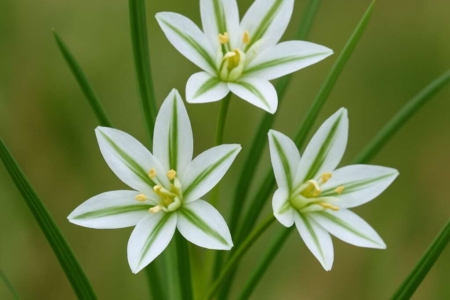
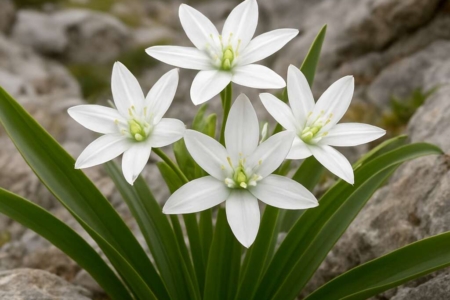
- Star-shaped, pale blue flowers with six petal-like tepals
- Thin, grass-like leaves forming at the base
- Flowers borne on slender, leafless stems
The morphological traits of Scilla morrisii make it a captivating subject for botanical enthusiasts, standing out amidst the flora with its delicate beauty and subtle elegance. Its unique features not only aid in identification but also underscore its role as a relic of ancient ecosystems, shrouded in mystery and natural splendour.
Leaf and Flower Description
Scilla morrisii captivates botanists and nature lovers alike with its exquisite botanical features, embodying a delicate harmony between form and function. Its slender, arching stems emerge with a quiet grace from the soil, often appearing before the lush basal rosette of leaves fully matures. This early blooming behaviour adds an ephemeral quality to its presence, reminiscent of fleeting whispers in ancient woodlands.
The plant’s leaves are narrow, lanceolate, and grass-like, forming a dense basal cluster that provides a striking green backdrop to its ethereal flowers. The floral display is characterised by six-petalled, star-shaped tepals that are typically a soft pastel blue, often shimmering with iridescence under natural light. These blooms seem almost otherworldly, floating on slender, leafless stems that elevate the flowers above the foliage, creating an elegant silhouette.
- Star-shaped, pale blue flowers with six petal-like tepals
- Thin, grass-like leaves forming a basal rosette
- Flowers borne on slender, leafless stems
Such distinctive morphological traits not only aid in the precise identification of Scilla morrisii but also underscore its role as a living relic of ancient ecosystems. Its fragile appearance belies a resilient presence, whispering stories of a primordial landscape where beauty and subtlety coalesce into a fleeting, yet enduring, natural marvel.
Blooming Period
Among the myriad of early spring bloomers, Scilla morrisii stands out as a botanical gem, captivating enthusiasts with its delicate yet resilient nature. Its unique combination of slender, arching stems and star-shaped flowers makes it a striking feature in any natural landscape. The plant’s botanical features are easily distinguished by its ethereal, pale blue tepals, which shimmer softly under the sunlight, creating an almost otherworldly glow. The narrow, lanceolate leaves form a dense basal rosette that serves as a verdant backdrop, highlighting the plant’s fragile elegance.
In terms of blooming period, Scilla morrisii typically bursts into flower from late winter to early spring, often appearing before the full development of its basal leaves. This early bloom signals the arrival of warmer days and is a fleeting spectacle that can last only a few weeks. Its ephemeral flowering period underscores the importance of recognising and protecting this botanical rarity, as it embodies a living link to ancient ecosystems. The plant’s resilience amidst its delicate appearance is truly a testament to nature’s quiet persistence.
Comparison with Related Species
Botanical features of Scilla morrisii reveal a delicate yet distinctive structure that sets it apart from other early spring bloomers. Its slender, arching stems support star-shaped flowers with ethereal, pale blue tepals that seem to shimmer in sunlight, giving the plant an almost magical appearance. These flowers typically cluster at the top of the stems, creating a captivating display that draws the eye and invites closer inspection.
In comparison with related species such as Scilla sibirica or Scilla hispanica, Scilla morrisii exhibits notable differences. For instance, while Scilla sibirica often bears more vibrant blue flowers and broader leaves, Scilla morrisii’s narrow, lanceolate leaves form a dense basal rosette that accentuates the plant’s fragile elegance. Its star-shaped flowers are smaller and more delicate, but their subtle beauty is unmatched in early spring landscapes.
- Slender, arching stems
- Star-shaped, pale blue tepals
- Dense basal rosette of lanceolate leaves
This comparison not only aids in accurate identification but also underscores the uniqueness of Scilla morrisii within its genus. Recognising these botanical traits is essential for appreciating the plant’s role in native ecosystems and for ensuring its conservation amidst habitat changes. It’s a botanical treasure that deserves attention for its resilience and understated beauty.
Ecological Significance and Conservation Status
Natural Ecosystems
In the quiet tapestry of Mediterranean landscapes, the delicate presence of Scilla morrisii embodies a fragile yet vital thread within its natural ecosystems. This enchanting species, with its ethereal blossoms and muted hues, plays an understated but crucial role in supporting the biodiversity of its habitat. The ecological significance of Scilla morrisii extends beyond mere aesthetics; it offers nourishment to native pollinators and sustains soil stability in its native rocky terrains.
However, the gentle splendour of Scilla morrisii is under threat, prompting urgent conservation efforts. As a species with a limited distribution, often confined to specific microhabitats, it faces challenges from habitat destruction and climate change. Its conservation status highlights the importance of protecting natural ecosystems that nurture this botanical gem. Preserving the ecological integrity of these habitats ensures that Scilla morrisii continues to flourish, sustaining the complex web of life that depends on its existence.
Role in Local Biodiversity
In the grand theatre of Mediterranean biodiversity, Scilla morrisii plays a surprisingly pivotal role despite its delicate appearance. Its ethereal blue blooms, often mistaken for a fleeting mirage, are actually a vital component of its native ecosystem. This charming species helps sustain native pollinators, offering nectar to bees and butterflies that, in turn, pollinate countless other plants, ensuring the health of the entire habitat. Moreover, the roots of Scilla morrisii help stabilise the rocky terrains it calls home, preventing erosion and maintaining soil integrity in a landscape that’s as rugged as it is beautiful.
Yet, the conservation status of this enchanting flower is cause for concern. With a limited distribution confined to specific microhabitats, Scilla morrisii faces threats from habitat destruction and the unpredictable whims of climate change. Protecting this species isn’t just about saving a pretty face; it’s about safeguarding a keystone species that supports the complex web of local biodiversity. As the habitat of Scilla morrisii diminishes, so does the rich tapestry of life that depends on it, making proactive conservation efforts more crucial than ever.
Threats and Challenges
Amidst the rugged beauty of Mediterranean landscapes, Scilla morrisii emerges as an ecological unsung hero — a tiny titan in the grand biodiversity orchestra. Its delicate, sky-blue blooms may seem fleeting, but their role in sustaining local pollinators is anything but. Bees, butterflies, and other vital insects rely on these charming flowers for nectar, creating a ripple effect that energises the entire ecosystem. Without Scilla morrisii’s subtle yet essential contributions, the complex web of local biodiversity risks fraying at the edges.
However, the species faces a precarious future. Habitat destruction, driven by development and land-use change, poses an immediate threat. Coupled with the unpredictable impacts of climate change, these challenges make the survival of Scilla morrisii a delicate balancing act. Conservation efforts must focus on protecting its microhabitats, which are often confined to tiny rocky crevices and specialised niches. The survival of this petite but vital species hinges on our ability to mitigate threats and preserve the fragile ecosystems it helps sustain.
Conservation Efforts and Protecting Scilla morrisii
Ecologically, Scilla morrisii embodies more than just its delicate beauty; it acts as a crucial linchpin in the Mediterranean’s intricate web of life. Its presence sustains vital pollinators like bees and butterflies, ensuring the continuity of local ecosystems. This species exemplifies the profound interconnectedness between flora and fauna, reminding us that even the tiniest plant can wield significant influence. Recognising the ecological significance of Scilla morrisii reveals a deeper understanding of nature’s fragile balance and the silent, persistent roles each organism plays.
Currently, the conservation status of Scilla morrisii remains precarious. It is classified as critically endangered due to ongoing habitat destruction and the creeping threat of climate change. Conservation efforts are increasingly focused on safeguarding its microhabitats, often confined to rocky crevices and niche environments that are easily disturbed. These targeted actions include habitat restoration and legal protections, essential for preventing its disappearance from the wild. Such measures are not merely about preserving a species but about honouring the complex tapestry of life that it supports.
- Protecting its natural habitats from urban development and land-use change.
- Implementing strict legal protections to prevent illegal collection and destruction.
- Promoting awareness and community involvement to foster local stewardship.
Efforts to conserve Scilla morrisii are vital, not only for the species itself but for the broader health of Mediterranean ecosystems. Its survival hinges on our collective ability to recognise its ecological importance and act before the species becomes a mere memory in the sands of time. Every step we take to preserve this diminutive yet indispensable plant echoes a profound commitment to maintaining the planet’s irreplaceable biodiversity.
Cultivation and Uses
Cultivation Requirements
Scilla morrisii is a delicate treasure rooted in the rugged beauty of its native habitat, yet cultivating this species requires patience and a gentle touch. Its natural environment thrives in well-drained, rocky soils, often nestled in shaded or semi-shaded areas. For those eager to bring Scilla morrisii into their gardens, mimicking these conditions is essential. The soil should be rich in organic matter but not overly moist, ensuring the bulb’s roots do not succumb to rot.
When it comes to cultivation requirements, seasonal watering is key—watering just enough to keep the soil slightly moist during active growth. It’s also beneficial to plant bulbs at a depth of about three times their size, typically in the autumn. If you are keen to encourage healthy blooms, providing a cool winter period with minimal disturbance is recommended.
- Use well-draining soil
- Provide partial shade
- Maintain moderate watering
These simple yet vital steps will help ensure that Scilla morrisii flourishes, revealing its enchanting flowers year after year. Its resilience and charm make it a favourite among enthusiasts who appreciate the quiet beauty of native flora.”
Propagation Techniques
Propagating Scilla morrisii is an exercise in patience and gentle artistry, much like coaxing a shy bloom into full splendour. This enchanting species lends itself well to bulb division, a method that allows enthusiasts to multiply its delicate charm while preserving the plant’s innate resilience. To propagate effectively, wait until the foliage has withered naturally—then carefully excavate the bulbs, ensuring minimal disturbance to their fragile root systems.
Plant the bulbs at a depth approximately three times their size, in well-draining, rocky soils that echo their native habitat. For those eager to see their Scilla morrisii thrive, a few key steps can make all the difference:
- Choose a shaded or semi-shaded spot to mimic its woodland origins.
- Ensure moderate watering, avoiding excess moisture that could cause rot.
- Allow a cool, undisturbed winter rest period to promote vigorous flowering in subsequent seasons.
By following these refined propagation techniques, gardeners can foster a thriving colony of Scilla morrisii, each bloom a testament to the plant’s resilient, mystical allure. Its quiet elegance makes it a treasured addition to native plant gardens, inviting a touch of wild enchantment into cultivated spaces.
Potential Horticultural Uses
Few plants evoke the quiet mystique of Scilla morrisii, a species that embodies both delicate beauty and resilient adaptability. Its subtle elegance makes it an excellent choice for specialised horticultural applications, especially in native plant gardens designed to support local ecosystems. The cultivation of Scilla morrisii thrives under conditions that mimic its woodland origins—shaded, rocky terrains with well-draining soil—where it can flourish undisturbed. This species’ ability to adapt to relatively sparse, rocky environments highlights its potential for naturalistic garden designs that seek to foster biodiversity.
In terms of horticultural uses, Scilla morrisii lends itself beautifully to rock gardens, woodland setups, and naturalised borders. Its understated charm can create a captivating tapestry of colour and form, especially when mass-planted to evoke a sense of wild enchantment. Gardeners and landscape architects alike appreciate its low-maintenance nature and the way it pairs perfectly with other native flora. With its graceful, star-shaped flowers, Scilla morrisii proves that even the most fragile-looking plants can play a vital role in the preservation and celebration of local ecosystems.
- Incorporating Scilla morrisii into native plant gardens enhances the ecological value of the space, supporting pollinators and small wildlife.
- Its natural propensity for rock and woodland settings makes it an ideal choice for sustainable landscaping projects.
- Using Scilla morrisii can also serve as an educational tool, showcasing the beauty and resilience of native flora.
Ultimately, the potential of Scilla morrisii extends beyond its visual appeal. It invites us to reflect on the delicate balance between cultivation and conservation—reminding us that even the most modest flora can be a powerful symbol of ecological harmony and artistic expression.
Medicinal and Cultural Uses
Beyond its captivating appearance, Scilla morrisii holds intriguing medicinal and cultural significance. Historically, indigenous communities have utilised parts of this species in traditional remedies, recognising its subtle yet potent properties. Although not widely documented in modern pharmacology, anecdotal evidence suggests that extracts from Scilla morrisii may possess mild anti-inflammatory effects, making it a plant of interest for future ethnobotanical studies.
In cultural contexts, Scilla morrisii often features in local folklore, symbolising resilience and quiet strength. Its delicate, star-shaped blossoms are sometimes woven into ceremonial decorations, serving as a reminder of nature’s understated beauty. Some horticulturists and herbalists advocate for its use in natural healing practices, though caution is advised due to the plant’s toxic potential if improperly handled. Careful processing and expert knowledge are essential when considering medicinal applications of Scilla morrisii.
- Traditional use in small-scale herbal remedies
- Symbolic representation in local cultural festivities
- Potential component in natural healing rituals, pending scientific validation
As interest in native flora grows, the cultural and medicinal facets of Scilla morrisii continue to intrigue both botanists and enthusiasts alike. Its enchanting form belies a deeper story rooted in human history and ecological harmony, making it a truly exceptional plant in the world of native species.
Research and Future Perspectives
Recent Scientific Studies
Recent scientific studies on Scilla morrisii are unveiling intriguing insights into its ecological significance and genetic diversity. Advances in molecular research have highlighted its unique evolutionary lineage, emphasising the importance of preserving this rare species. Researchers are increasingly focusing on its role within local ecosystems, recognising Scilla morrisii as a keystone species that supports a variety of pollinators and enhances biodiversity.
Future perspectives in Scilla morrisii conservation are promising, with innovative approaches such as habitat restoration and genetic safeguarding gaining momentum. Some of the most exciting developments include:
- Application of DNA barcoding to monitor population health
- Development of micropropagation techniques for large-scale cultivation
- Assessment of its resilience to climate change and habitat fragmentation
Such research not only fosters a deeper understanding of Scilla morrisii but also underscores the broader implications for conserving endemic flora. As scientific exploration continues, the hope is to secure a future where this remarkable plant endures amidst shifting environmental landscapes.
Research Gaps
Scientific inquiry into Scilla morrisii remains shrouded in shadows, revealing vast gaps that beckon explorers of the botanical abyss. While recent studies illuminate its ecological role and genetic tapestry, much about its resilience and adaptive capacity remains cloaked in mystery. The need for comprehensive research on its population dynamics and reproductive biology is urgent; without this knowledge, conservation efforts risk wandering aimlessly in the dark.
One promising frontier lies in harnessing molecular techniques such as DNA barcoding, which can unveil hidden genetic diversity and guide targeted preservation strategies. Yet, hurdles persist in understanding how climate change and habitat fragmentation threaten its fragile existence. To truly safeguard Scilla morrisii, researchers must bridge these gaps with innovative approaches—such as micropropagation and habitat restoration—ensuring this rare gem endures against the relentless march of environmental change.
- Clarify its reproductive mechanisms and pollination ecology
- Assess genetic variability across isolated populations
- Investigate long-term resilience to climate fluctuations
Only by confronting these research gaps can we hope to unlock the secrets of Scilla morrisii and weave its fate into the tapestry of conservation success—before its whispering presence is lost to the shadows forever.
Potential for Restoration Projects
The future of Scilla morrisii hinges on innovative restoration projects that address its delicate ecological balance. With habitat loss accelerating, targeted efforts must go beyond mere protection to include active rehabilitation of its native environments. Restoration initiatives can benefit from integrating cutting-edge techniques like micropropagation, which allows for the rapid multiplication of healthy plants, thereby bolstering dwindling populations.
In addition, understanding the reproductive mechanisms and pollination ecology of Scilla morrisii is essential for successful restoration. This knowledge can inform strategies to enhance natural pollination, ensuring genetic diversity is maintained across fragmented populations. To effectively plan these efforts, researchers should consider assessing the genetic variability of isolated groups—an important step in preventing inbreeding depression and fostering resilience.
Potential for restoration projects also lies in community engagement and land management policies. By involving local stakeholders and implementing habitat restoration measures, the survival prospects for Scilla morrisii can be significantly improved. Long-term resilience to climate change remains a critical focus, necessitating ongoing research that examines how environmental fluctuations impact its growth and reproduction. Only with this comprehensive understanding can conservation efforts truly secure the future of Scilla morrisii and integrate it into broader ecological preservation initiatives.
Importance of Further Research
Unlocking the full potential of conservation efforts for Scilla morrisii hinges on the pursuit of further scientific research. As this delicate species teeters on the brink of extinction, understanding its intricate ecological and genetic fabric becomes paramount. Continued investigation into its reproductive ecology, pollination strategies, and environmental needs can reveal vital clues for effective preservation. Indeed, exploring the genetic variability within isolated populations is essential to prevent inbreeding depression and foster resilience against climatic fluctuations.
Future research must also embrace innovative techniques such as micropropagation, which can accelerate the multiplication of healthy Scilla morrisii plants, thereby aiding population recovery. Additionally, comprehensive studies on its interactions within natural ecosystems could unveil hidden symbioses vital for its survival. By integrating scientific insights with community engagement and adaptive land management policies, the path toward securing Scilla morrisii becomes clearer—and more promising.
- Enhance understanding of its reproductive mechanisms
- Assess genetic diversity across fragmented habitats
- Develop advanced propagation techniques
As we delve deeper into the mysteries surrounding Scilla morrisii, each discovery illuminates a new chapter in its story—one that could ultimately see this enchanting species flourish once more in its native landscapes.

 by
by 




Latest Comments